The Sky Kitchen Concept for 3D Food Printing of Inflight Catering

 The 3D printing of food is something which may take a while to catch on. Although there are several companies, including 3D Systems, working on this type of technology, it’s only been within the candy/desert space where such techniques have actually taken off. With this said, changes within the industry are happening at such a rapid rate that we may see widespread 3D food printing take hold sooner rather than later.
A group of students within the Department of Design at the Indian Institute of Technology Guwahati, have come up with quite an interesting concept where the 3D printing of food (not just candy) could be the first to take off, quite literally. Vyzak AS, Dhvanil Patel, Dipendra Namdeo, Ritesh Ranjan Singh and Rohan Vijay have developed this concept in order to enter the OzCHI24 annual international student design competition. The competition this year, which started on Saturday, October 20th, featured 226 participants, making up 62 different teams from 10 countries around the globe.
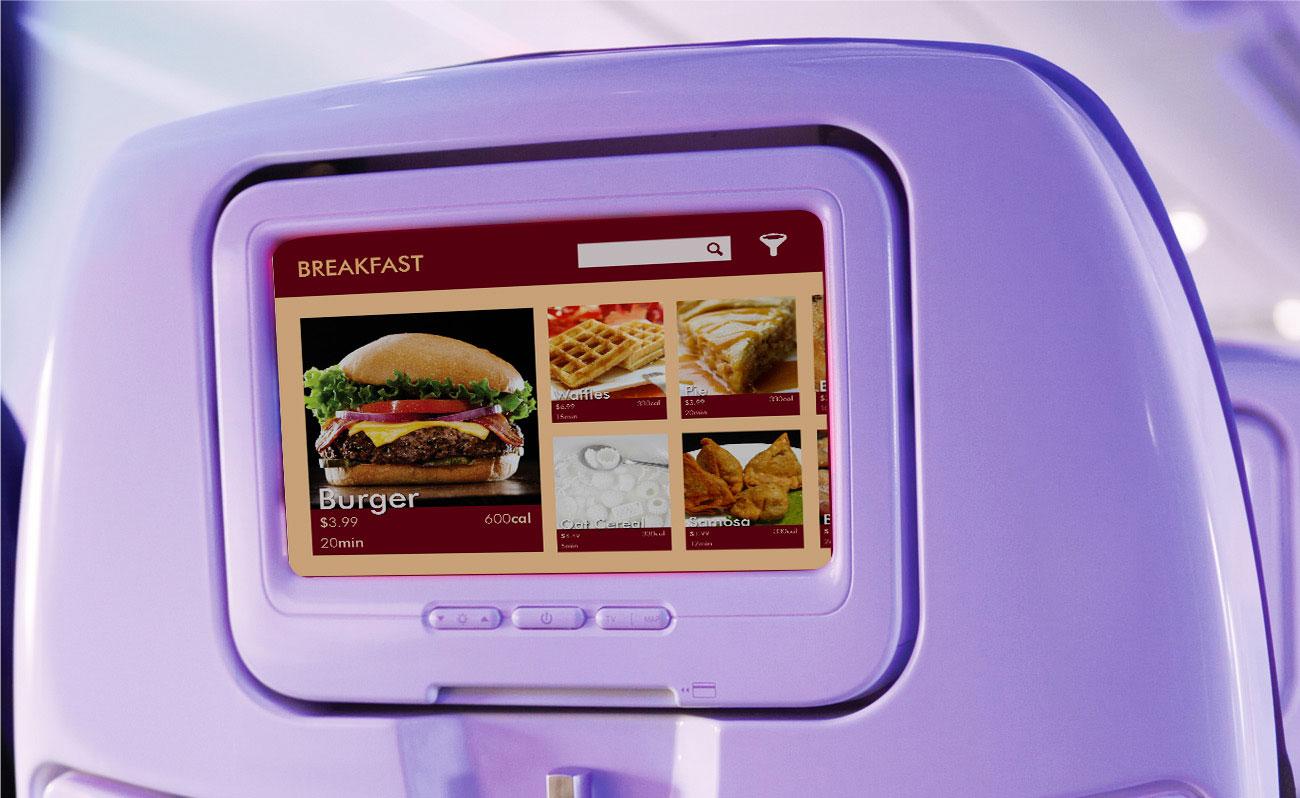
In what they call the Sky Kitchen, their concept entails 3D printing food on airlines, to provide passengers with a much larger, and fresher selection of delectable meals. The team of designers, who call themselves ‘The Ninjas’ have actually put together a fairly interesting project page with the research they have done within the industry, along with qualitative and quantitative analysis.
The team found that, on average, air passengers did not approve of the freshness or quality of the food they received on their flights. This, according to the designers, is something that a 3D food printer could overcome. By providing 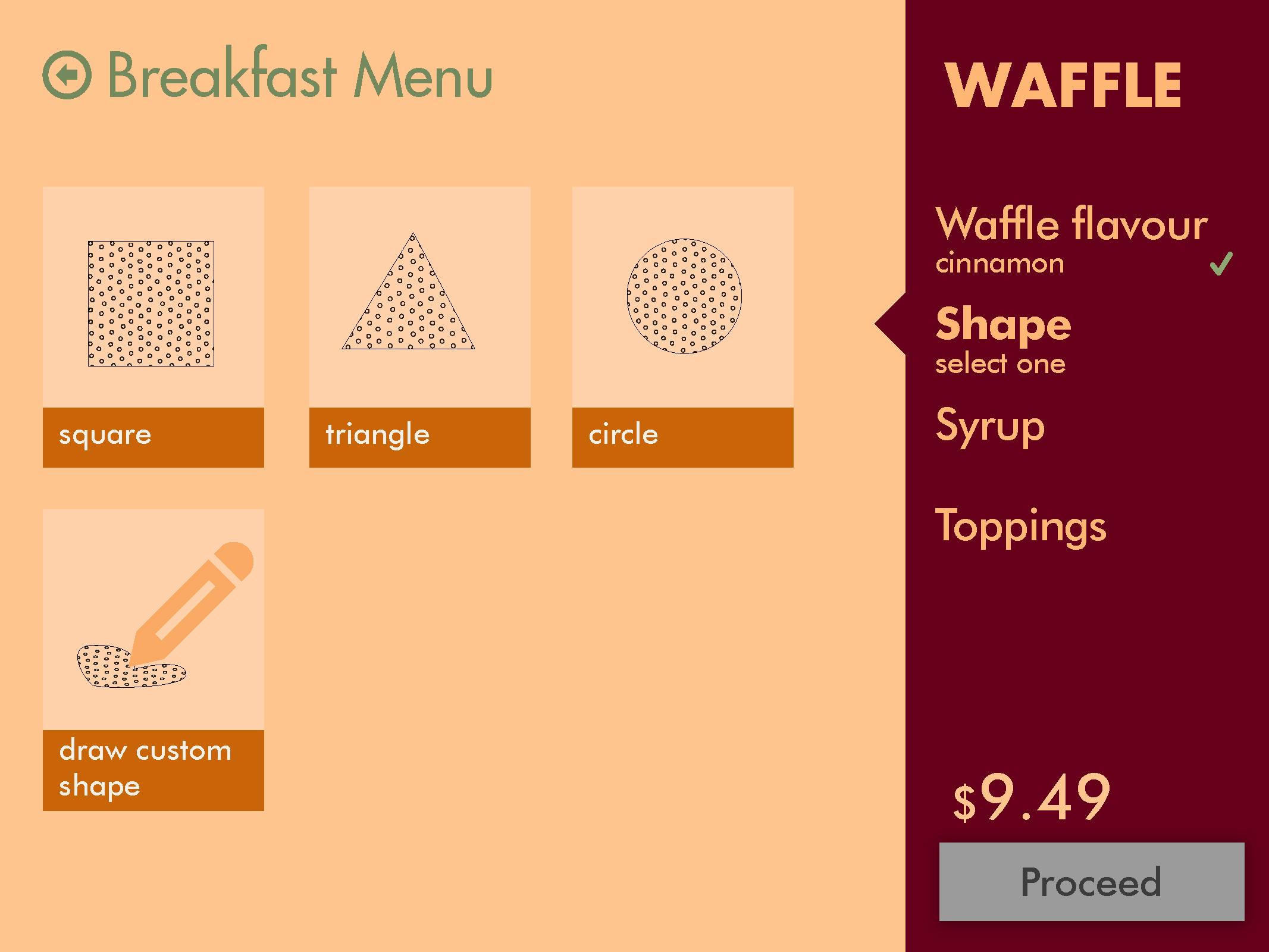 passengers an LCD display in which they can customize and order a 3D printable meal, selecting toppings, ingredients, and even the shape of their food, would add vast selection to the meal options on a flight. This would be a welcomed option for people who are dieting, pregnant women, or people with health issues such as allergies, high blood pressure, or diabetes. Additionally, the fact that the meals would be printed to order, using fresh ingredients, could provide passengers with a much higher quality of meal.
As one of the Sky Kitchen project designers stated within their video, “Let’s be completely honest, we all know it, on-flight meals suck.”
The team has come up with an entire rendering for the user interface of the 3D printed food ordering platform, that could be loaded onto the touchscreen LCD panels commonly found on airliners. Although such a concept is still many years away, this project could act as a springboard, or at least an outline for future developments within the air travel industry. I can assure you, that having a food 3D printer onboard an airline’s fleet would certainly set that airline apart from their peers, providing customers with the differentiation needed to possibly lure them over from other companies.
Would you pay extra to travel on a flight which catered your meals via 3D printers? Discuss in the 3D printed Sky Kitchen forum thread on 3DPB.com. Check out the Sky Kitchen project video provided below. As for the competition, finalists will be announced on October 8th.
Subscribe to Our Email Newsletter
Stay up-to-date on all the latest news from the 3D printing industry and receive information and offers from third party vendors.
Print Services
Upload your 3D Models and get them printed quickly and efficiently.











You May Also Like
Factories-as-a-Service Startup Hadrian Launches Additive Manufacturing Division
Equity markets are in the midst of a moment that’s being called “the Great Rotation“, which is essentially the normal sector rotation that happens in any bull market, but framed...
Nano Dimension Previews Q4 Revenue Above Guidance as U.S. Redomiciling Advances
After months of relatively limited public information about its long-term direction, Nano Dimension (Nasdaq: NNDM) has surfaced with an update: stronger-than-expected fourth-quarter revenue, progress on a strategic alternatives review, and...
Killer 3D Printing Applications: Factory Automation
Across the globe, factories are using 3D printing to improve operations. Iterative improvements to production lines, automation tools, repairs, additions, custom parts for custom lines, housings for new sensors, and...
EOS Invests $3M In Its Texas Manufacturing & Logistics Facilities to Serve North American Customers
The trajectory of reshoring under President Trump has been largely a mixed bag so far. While tariffs still seem to be doing more harm than good to the U.S. domestic...