Materialise Hits the Silk Road on the Dream Bus – a Road Trip to Teach 3D Printing to Children

 In my opinion, most things are cooler if you put them on wheels. Who doesn’t love a food truck, for instance? When I was a child, I was fascinated by the Bookmobile, the little traveling library that drove around the area and stopped at various sites to allow people to climb on board, browse and borrow. For me it was a novelty – a library on a bus! – but for others without reliable access to transportation, it was their best resource for being able to obtain books or to use a computer.
Materialise had a similar idea, but on a larger scope. Tom Yan of the company’s China office came up with the Silk Road Project, an epic road trip with an important objective: to introduce 3D printing technology to children across Western China. Concerned about the absence of technological advancement and opportunity in the rural, less-developed parts of the country – particularly in the western portion – Yan’s idea was to bring the technology directly to them.
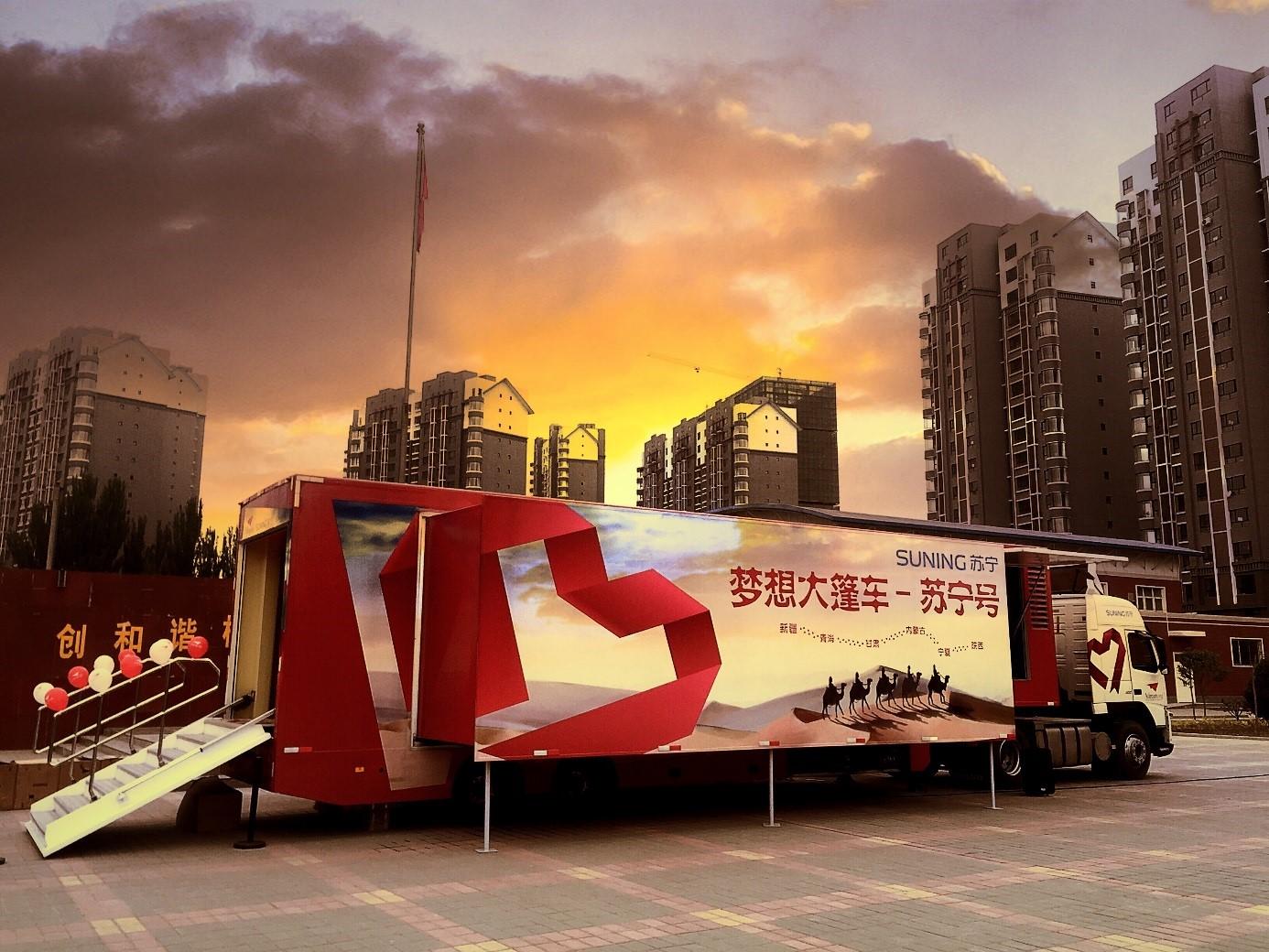
With help from the Shanghai Adream Charitable Foundation and the 3D printing curriculum developer TEACH, Materialise designed the Dream Bus, a semi truck retrofitted to serve as a mobile classroom. After a year of development, the Dream Bus is on the road. It will drive through six provinces and stop at a total of 14 locations – so far, it has already made four stops on its journey. At each location, the bus will remain for a few days while a Materialise volunteer teaches the local children about 3D printing, including how to design their own 3D models on a tablet.
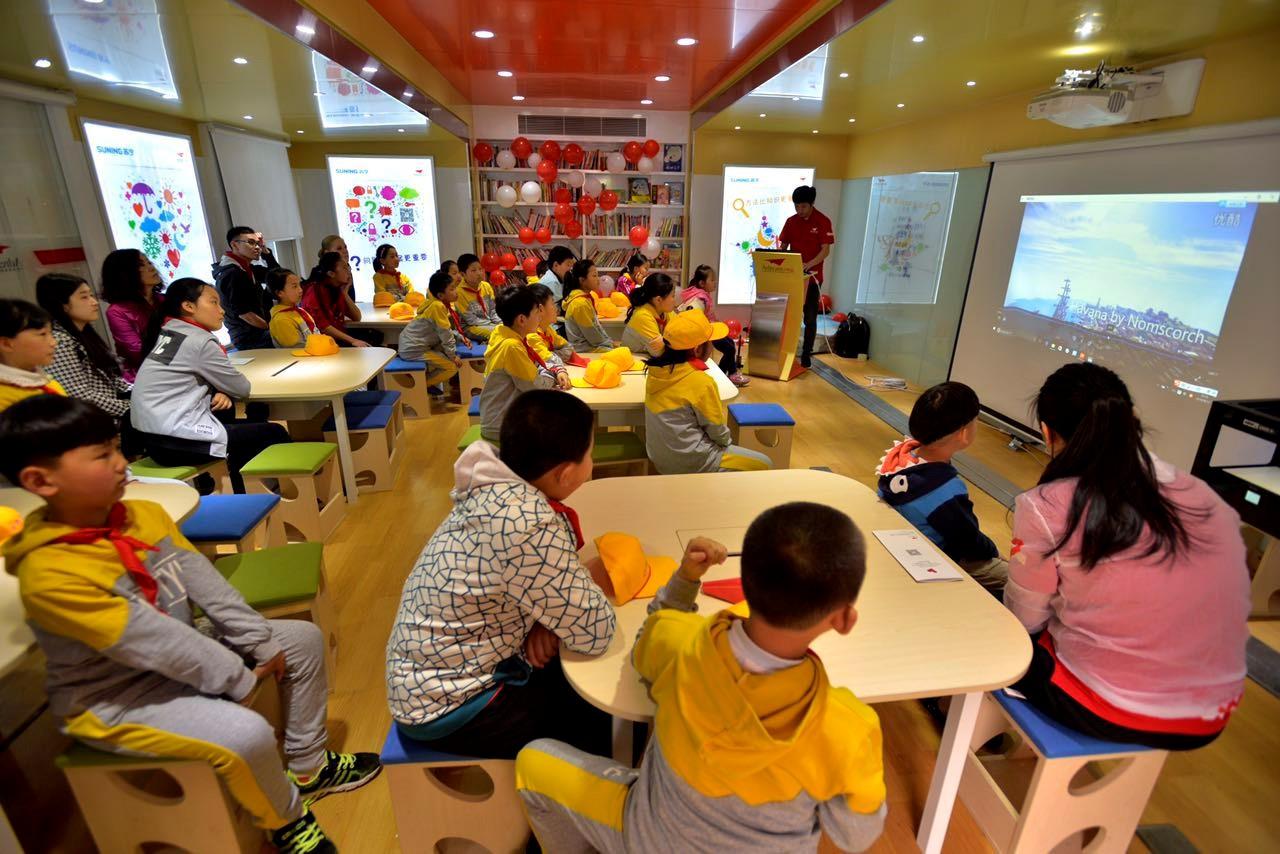
The Dream Bus is a true classroom on wheels, set up with desks, chairs, projectors, and, of course, 3D printers. Not only do the children get to design their own models, but they then get to print them on the desktop 3D printers provided by TEACH and installed in the bus. Unsurprisingly, the response from the kids has been enthusiastic so far.
“So far, the bus has stopped at four places and our Materialise volunteers were proud to see how motivated and interested the students were in 3D Printing,” states Materialise’s Stephanie Benoit. “The children were even more excited that they got to actually print – and keep – their very own designs! We hope that this initial contact with 3D Printing will spur them on to keep learning about the technology and eventually lead them to create more wonderful things.”
 If the Silk Road project continues to generate the kind of positive response that it has so far, Materialise intends to expand the project next year. It’s a fantastic idea that could potentially benefit thousands of people if others were to take the initiative and implement similar programs in other areas. A large portion of the planet still doesn’t have much – or any – access to technology, and those are the areas that could benefit most from 3D printing in particular. There have been many, many instances in which 3D printing has proved to be a lifesaver for remote communities, providing them with inexpensive and sustainable ways to recover from natural disasters, to prepare for disasters ahead of time, and to create medical devices and prosthetics for those in need.
Sparking an interest and a basic knowledge in 3D printing among young children in these regions could mean a generation that grows up working to improve the lives of people around them through technology. The implications of the Silk Road project, and similar initiatives that may come after it, could be very far-reaching indeed. Discuss further in the Silk Road 3D Printing Project forum over at 3DPB.com.
[Source/Images: Materialise]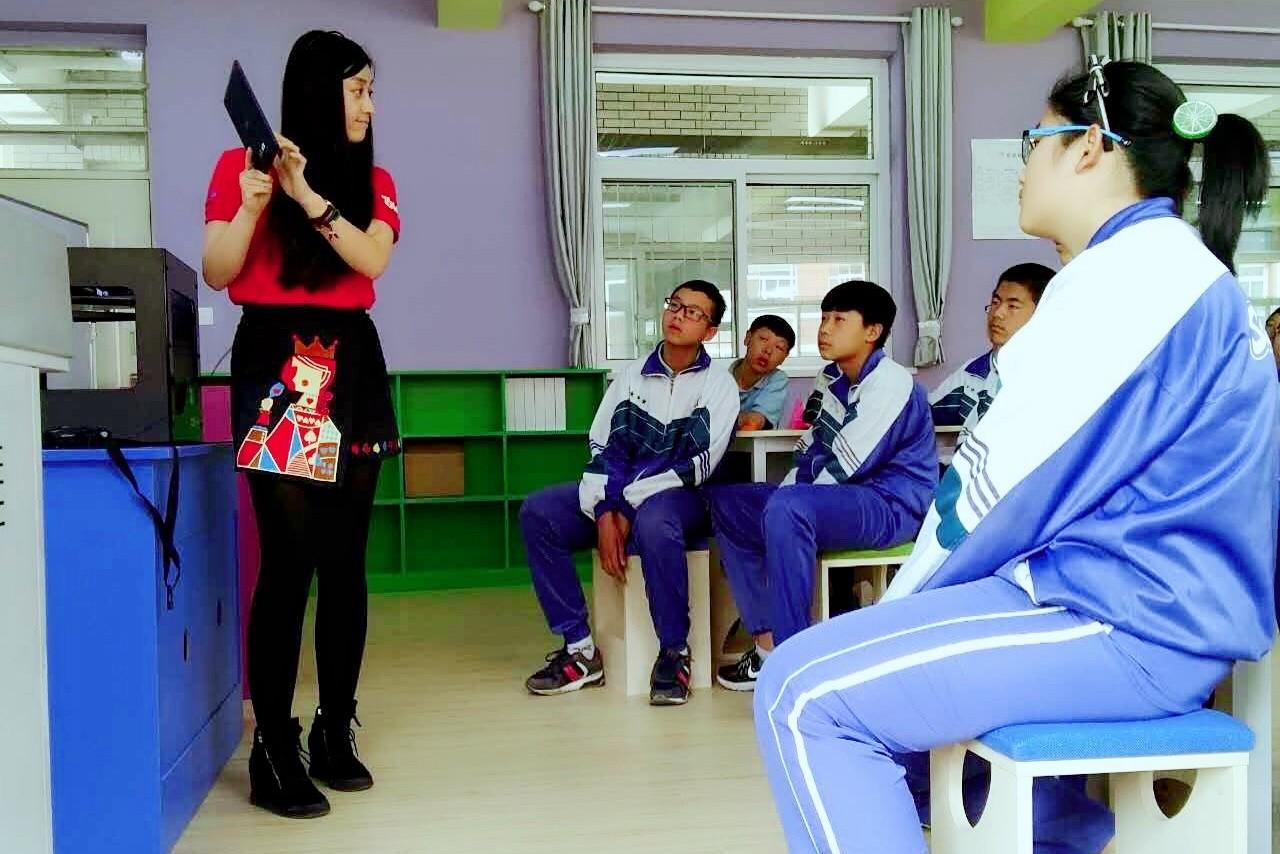
Subscribe to Our Email Newsletter
Stay up-to-date on all the latest news from the 3D printing industry and receive information and offers from third party vendors.
Print Services
Upload your 3D Models and get them printed quickly and efficiently.













You May Also Like
How Drone Proliferation Is Forcing a Rethink of Defense Manufacturing
The rapid proliferation of low-cost drones is forcing manufacturers to rethink their approach to design, production, quality, and scale. For defense manufacturing teams, the challenge is both how quickly a...
What 3D2GO Says About 3D Printing’s Growth in Southeast Asia
The Philippines offers an interesting case study in how 3D printing can develop in Southeast Asia, and Manila-based 3D2GO helps illustrate it. 3D printing in Southeast Asia doesn’t have to...
3D Printing News Briefs, September 12, 2026: Rebranding, Cybersecurity, Project Call, & More
We’ve got a lot of business news from ATLIX to start off this weekend’s 3D Printing News Briefs, with a new identify for its additive manufacturing (AM) portfolio and some...
Silencer Market Set to Test Metal Additive’s Readiness for Production Prime Time With Enormous Market Expansion
Throughout the history of additive manufacturing (AM) technologies, there are only a couple of really interesting case studies in which we see a market significantly disrupted and revolutionized by AM....