New 3D Technologies From Israel Take Top Prizes at CES 2016


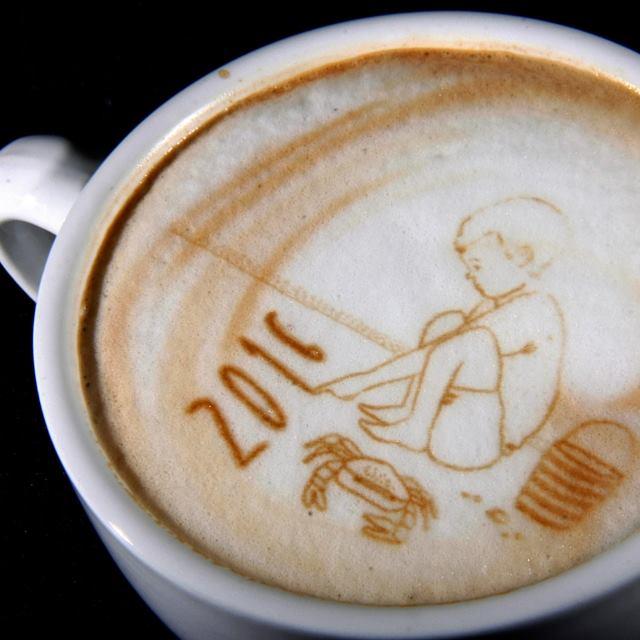 CES 2016 has come to a close, and plans are already underway for the 2017 exhibition. This year’s Las Vegas conference and symposium broke records with more than 170,000 people in attendance to see the 38,000 exhibitors who showcased new applications that utilized 3D printing, virtual reality, drones and every other technology you could think of, in vastly creative ways. Being chosen the best new technology out of such a massive range of innovation is an honor indeed. The Last Gadget Standing competition is an exhaustive critical process in which 11 judges and online voters choose 10 finalists out of the thousands of products at the show. Those 10 finalists present at a live show, at which point two winners are chosen: one by the Las Vegas audience, one by online followers. So what was the most popular new gadget at CES 2016? An intelligent drone? Health-monitoring clothing? Nope. It was a coffee-maker that prints custom images onto the foam of your latte.
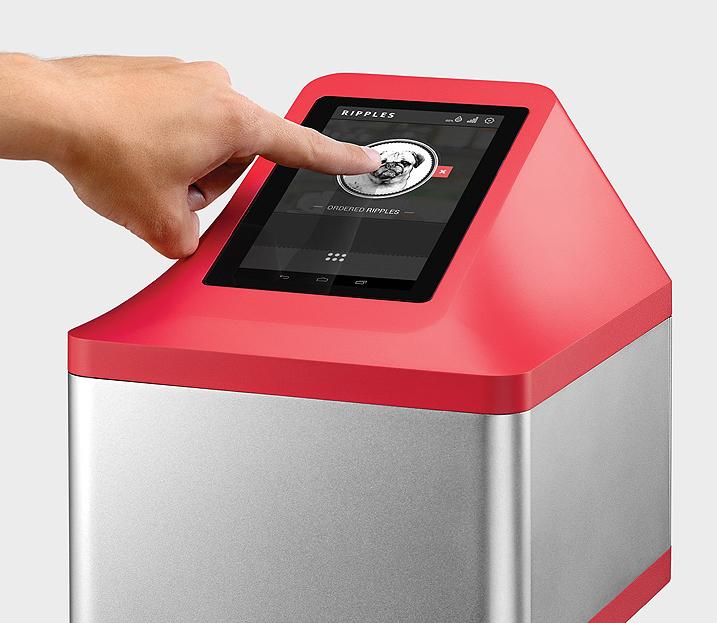 We’ve written about the Ripple Maker before; the coffee-making system from Steam CC utilizes 3D printer technology to adorn the surfaces of specialty cafe beverages. An image or bit of text is chosen from hundreds of options on the machine itself, or uploaded from a customer’s smartphone. Within seconds, the image, which can be as simple as a logo or as complex as a photograph, is printed in foam, presenting you with a beverage almost too pretty to drink.
“Latte art is one the most shared images on social media. We’re taking latte art to a whole new level,” said CEO Yossi Meshulam. “When you put something beautiful in someone’s hands, they want to share it. That’s how we’re making a ripple on the world.”
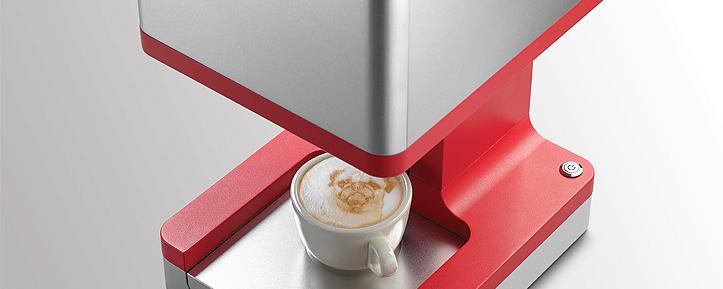
The technology behind Ripples came out of the Hebrew University of Jerusalem, and was brought to market thanks to seed funding from Landa Ventures, which is owned by “father of digital printing” Benny Landa. Landa was the real winner at CES; while Ripples was named the favorite by online voters, another Landa-funded piece of technology was chosen as the favorite of the audience present at CES.
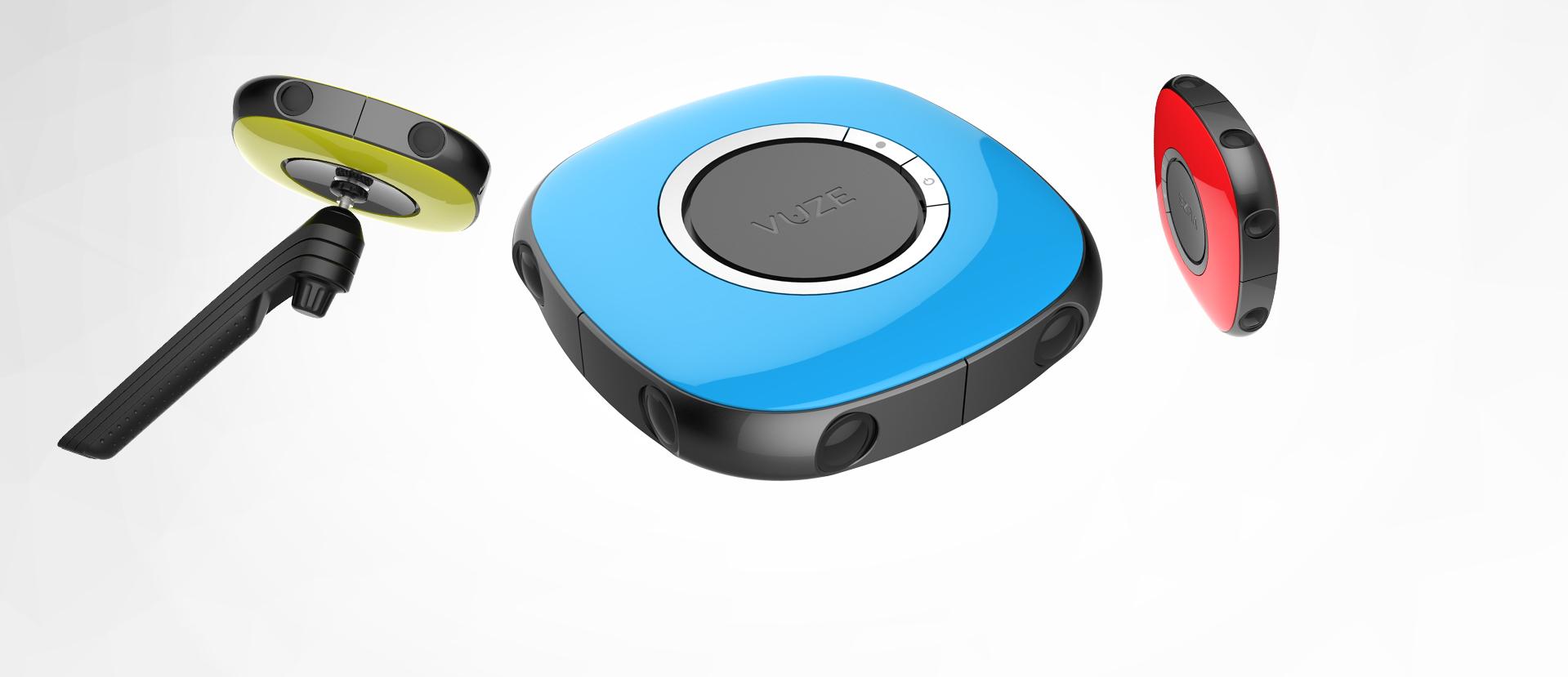
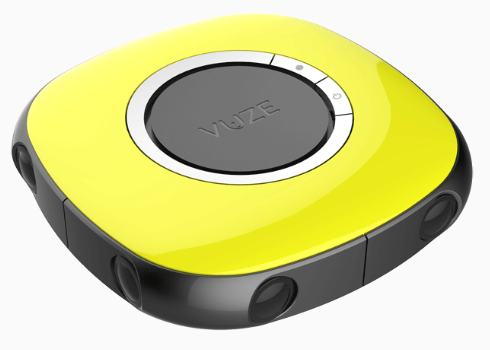 The VUZE Virtual Reality Camera is the first 360-degree 3D virtual reality camera to hit the market for under $1,000. The technology, which was developed by Israeli startup HumanEyes, combines eight HD cameras in one, capturing 2D and 3D images to create a “canvas” on which users can add special effects or superimposed images. According to HumanEyes, it’s as easy to use as a typical point and shoot camera.
“Until now, these two worlds – virtual reality and video recording – weren’t able to combine as the technology, cost and skills required to create virtual reality video were simply beyond the layperson’s reach. So the Vuze VR camera was born,” said Shahar Bin-Nun, CEO of HumanEyes Technologies. “VUZE has the potential to revolutionize the way people take, share and experience pictures and video. We believe VUZE is creating a pivotal moment in the consumer adoption of 3D VR technologies and we look forward to forging this evolving ecosystem and industry over the coming years.”
It’s no surprise that the two winners of Last Gadget Standing came out of Israel; the country has become a major producer of innovative tech, with a lot of it coming out of Hebrew University. Recently, the university announced the new 3D and Functional Printing Center, which will expand the school’s already prolific work with 3D technology. I suspect we’ll be seeing a lot more from them, Landa Ventures, and Israel as a whole at CES in the future.
Subscribe to Our Email Newsletter
Stay up-to-date on all the latest news from the 3D printing industry and receive information and offers from third party vendors.
Print Services
Upload your 3D Models and get them printed quickly and efficiently.













You May Also Like
$51 Million Revenue VMP Wants to Become a Leading Additive Manufacturing Metal Powder Producer
Chinese powder producers have traditionally had little impact on the additive manufacturing market. Typically, they offer low-cost powders without much in the way of settings or application support. But China’s...
SprintRay Releases Midas Restore
SprintRay‘s new U.S. Food and Drug Administration (FDA)-cleared Midas Restore is a material for restorative dentistry. The ceramic-doped resin is meant for definitive inlays, crowns, and veneers. The resin has...
Alibaba Selling Fiber Optic Military Drones for $200
Ukraine was saved by Turkish-made Baykar Bayraktar drones and many brave soldiers in the first stages of the conflict. Then hobbyists and their DJI Mavics showed how drones could be spotters...
The Formlabs Shuffle
For the latest development on 8/31/26, please see an update at the end of this article. Formlabs is doing a management shuffle, pointing the firm even more surely towards an...