Hebrew University of Jerusalem Announces the Construction of New 3D Printing Center

 The Hebrew University of Jerusalem is the hub of research in Israel. One-third of all civilian research in the country has taken place there, and now the university is officially becoming a hub for 3D printing. The 3D and Functional Printing Center will be the first of its kind in the country, and will expand the capabilities of a school that has already been responsible for some major 3D printing innovations. The university’s fingerprints have been on some of the most creative and advanced 3D printing applications to show up in Israeli industry in the past few years, and the new center should accelerate the spread of their influence into international industry as well.
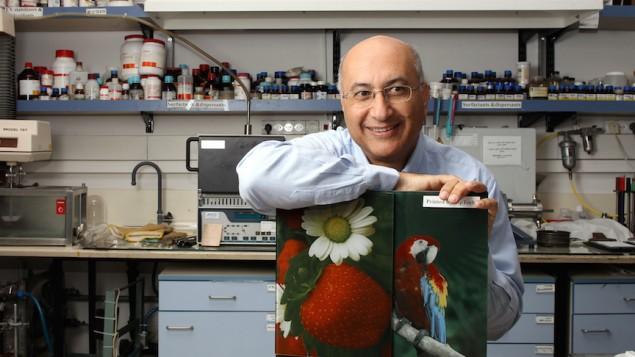
Professor Shlomo Magdassi
“The 3D and Functional Printing Center will be an interdisciplinary hub catering to researchers and students from across the university’s scientific disciplines,” said Professor Shlomo Magdassi, who will serve as the center’s director. “In addition to chemists and physicists who are already in the field, the Center will invite researchers from biology, medicine, agriculture and computer science to move into this sphere. By encouraging scientific collaborations between researchers from different disciplines, I expect we will see new breakthroughs based on their synergistic expertise.”
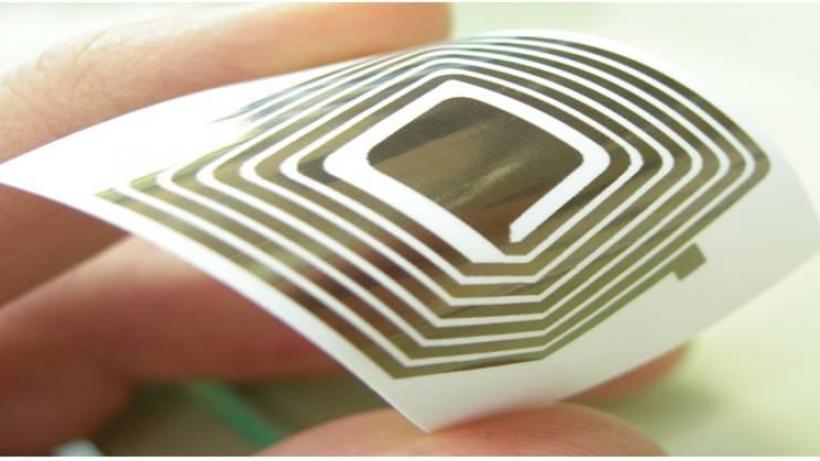 Plenty of breakthroughs have already come out of Hebrew University, with the help of their technology transfer company, Yissum, which handles the patenting and commercialization of the inventions produced by the university. Magdassi himself has a laundry list of inventions to his name. His research produced the conductive nano-inks used by Nano Dimension, which recently introduced their Dragonfly 2020 circuit board printer. Glass printing company Dip-Tech, who last year made the Guinness Book of World Records for the world’s largest glass 3D printer, also owes a lot to Magdassi and his glassjet inks.
 The innovations to come out of Hebrew University aren’t just limited to nanotechnology and shape memory polymers, however. Latte fans, you know how some coffee shops will make a fancy design in the foam on top of your drink? Usually it’s a heart or something like that, and I was always overly impressed with the artistic capabilities of the baristas who handed me decorated mochas – until I heard about Steam CC and their Ripples technology, which allows for high-resolution, photorealistic designs to be printed in the foam of any drink. We have Hebrew University and Yissum to thank for that bit of tech, as well.
With an impressive track record already in place, the establishment of the new 3D printing center will only increase the university’s reputation as a leader in the field. Now that experts from other disciplines beyond chemistry and engineering will be moving into the space, we can expect to see a lot more Hebrew University-developed technology in all sectors. According to Magdassi:
“We hope to break new ground in various disciplines and integrate 3D and functional printing into various industrial manufacturing processes, such as in printed electronics, food, medical implants, vehicles, security, and even architecture and the construction of buildings.”
Discuss this story in the Hebrew University 3D Printing Center forum thread on 3DPB.com.
Subscribe to Our Email Newsletter
Stay up-to-date on all the latest news from the 3D printing industry and receive information and offers from third party vendors.
Print Services
Upload your 3D Models and get them printed quickly and efficiently.











You May Also Like
Divergent & GA-ASI: How Connecting at AMUG Led to an Important Industry Partnership
As I mentioned in my AMUG 2026 overview, I had a lot of delays traveling to Reno, Nevada to attend the conference. So unfortunately, I missed “From Hypercars to Defense...
BLT Touts 100,000 Copper Parts Made
With the significant volume of copper used in electronics, semiconductors, aerospace, defense, and beyond, copper additive has had immense promise from the early days of copper 3D printing at Beamit...
TCT Asia 2026: Empowering Asia · Connecting the World
TCT Asia, now in its 12th year, is more than just a 3D printing exhibition — it embodies its original concept: Time Compression Technology, a vision of making the entire...
Pete Pharma Deal with Atrium24 Signals Path for Broader 3D Printed Drug Commercialization
While I would guess we’re still probably at least several years away from 3D printed drugs being a commonplace reality, the growing number of companies with proprietary additive manufacturing (AM)...