Norsk Titanium AMAZEs Summit Attendees With Rapid Plasma Deposition 3D Metal Printing Technology



The European Space Agency (ESA) has done some amazing things lately, from 3D scanning a comet to testing a 3D printed rocket combustion chamber. The agency aims to amaze, or, actually, to AMAZE. Additive Manufacturing Aiming Towards Zero Waste & Efficient Production of High-Tech Metal Products was begun in 2013 by ESA and the European Commission as a working group dedicated to the production of large, inexpensive, defect-free metal components for industries such as aerospace, tooling, automotive and nuclear fusion using additive manufacturing. One of the group’s major goals is to make metal additive manufacturing as close to zero waste as possible. The project is supported by nine European countries, as well as 28 partners including industrial companies and universities.
One of those supporting companies is Norsk Titanium, the Norwegian additive manufacturing company specializing in aerospace-grade titanium. On December 1, Norsk hosted an additive manufacturing summit for AMAZE participants at its Technology Center in Oslo. For the first time ever, the company allowed outsiders to have an inside look at their patented Rapid Plasma Deposition (RPD) technology. The plasma arc technology involves melting titanium wire in a cloud of argon gas; the titanium is then rapidly built up in a process that requires very little finish machining.

“Norsk Technology is pleased to host our AMAZE partners and provide the first-ever insider’s look into the production phase of our RPD technology,” said Norsk Titanium Chief Executive Officer Warren M. Boley, Jr. “We are revolutionizing the metal manufacturing industry with radically less expensive aerospace-grade titanium components, and our participation in AMAZE allows collaboration with European manufacturers and early access to our technology.”
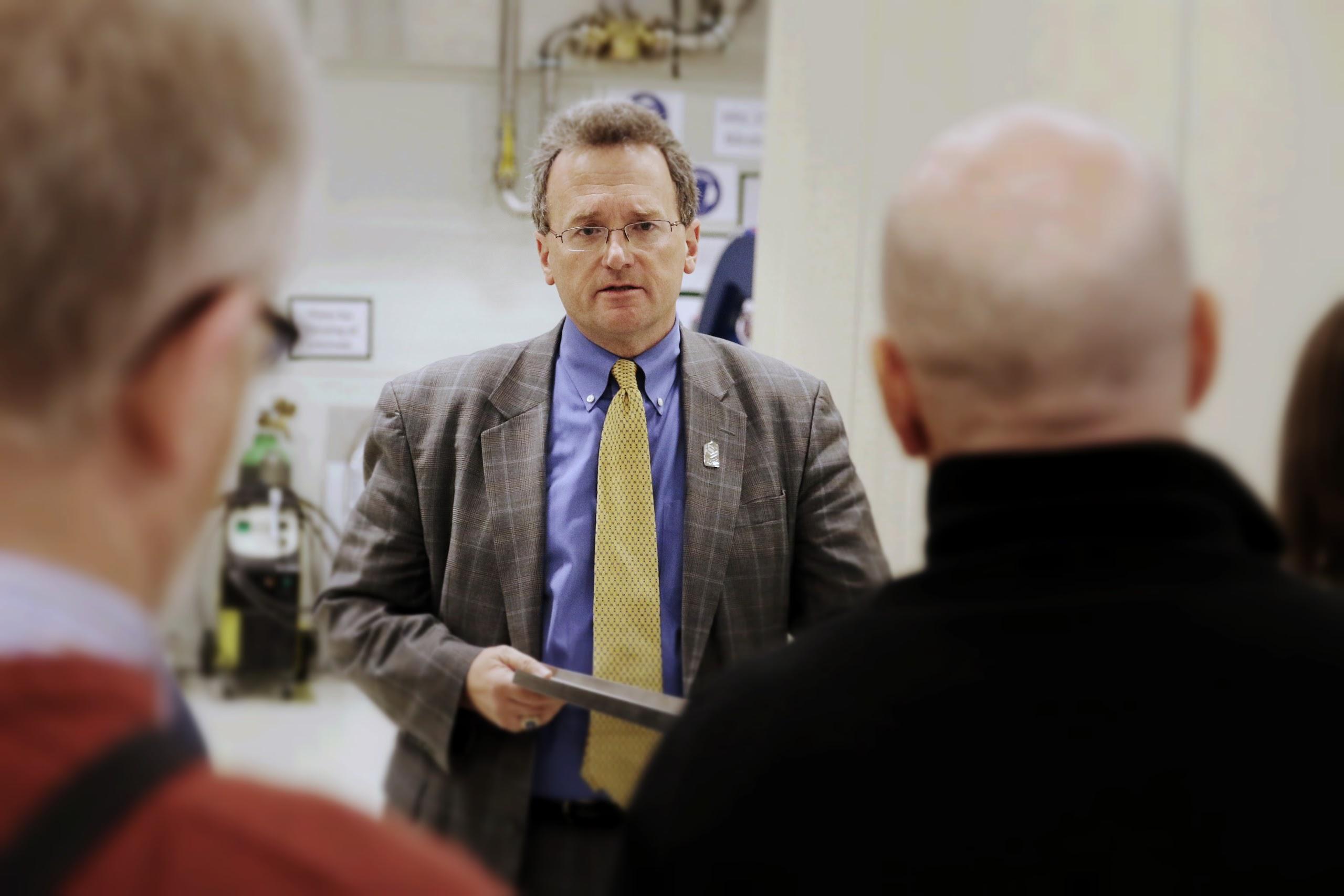
Norse Titanim CEO Warren Boley Jr.
The summit’s attendees were given the opportunity to see a demonstration of the RPD technology at work, as one of Norsk’s fourth generation machines was used to produce a unique structural titanium spar for one of the world’s largest commercial aircraft manufacturers. The RPD process, which involves robotic monitoring at 2,000 times per second, was produced in a fraction of the time, and at a fraction of the cost, involved in traditional forging processes.
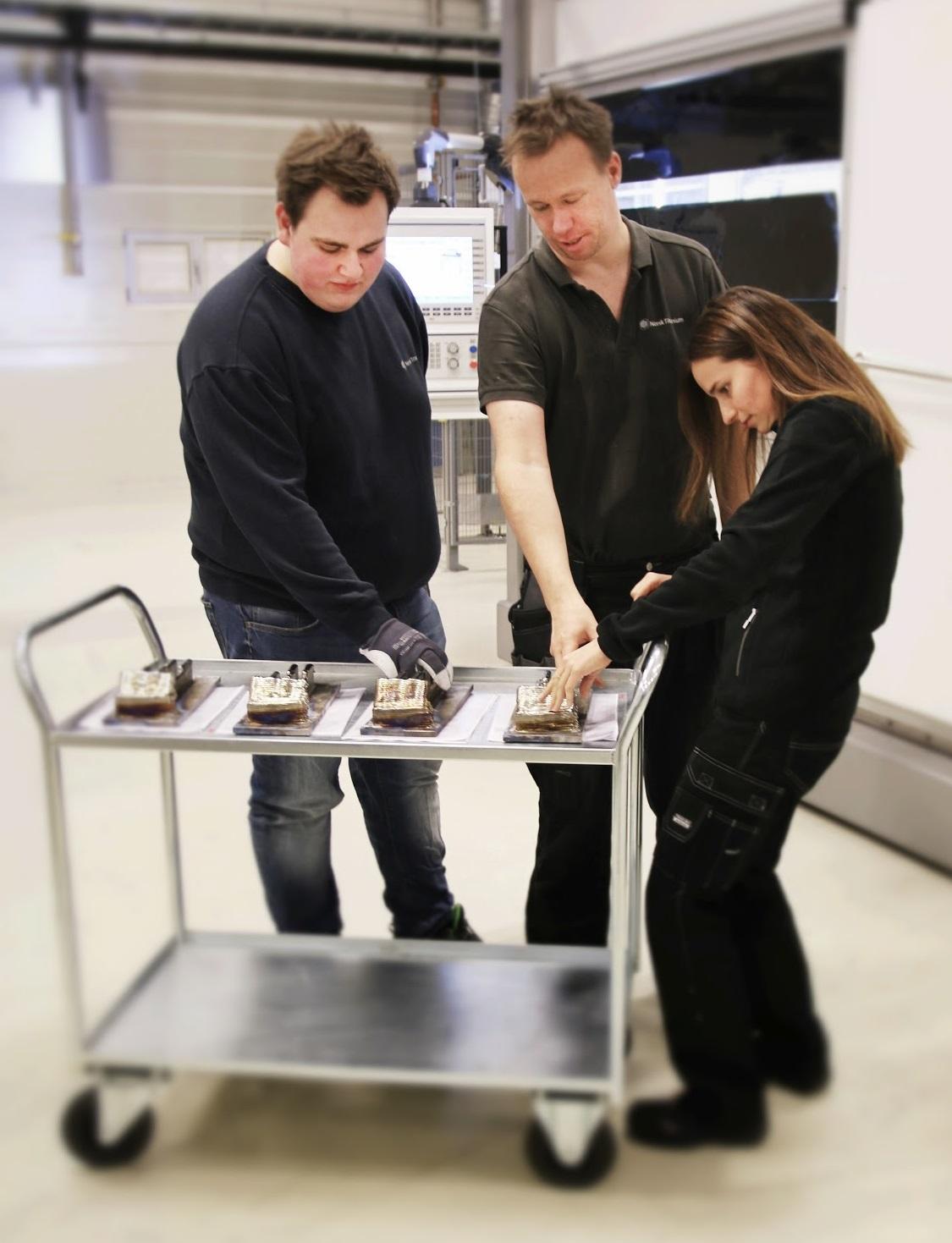
Norsk has been developing their metal additive manufacturing technology since their formation in 2007. They’re a significant supplier to the aerospace industry, as well as their other markets, which include oceanics and autosports, energy and defense. Each of their production machines churns out about 22 metric tons of aerospace-grade titanium metal parts per year. The company will soon be spreading to the United States, as well: in 2016, Norsk will begin work on a 200,000 square foot metal additive manufacturing plant in New York. The plant, which is expected to be completed by the end of next year, will be world’s first industrial-scale additive manufacturing facility for aerospace production, and should create a wealth of new jobs in the industry.
Discuss this story in the Norsk Titanium forum on 3DPB.com.
Subscribe to Our Email Newsletter
Stay up-to-date on all the latest news from the 3D printing industry and receive information and offers from third party vendors.
Print Services
Upload your 3D Models and get them printed quickly and efficiently.













You May Also Like
3D Printing News Briefs, September 12, 2026: Rebranding, Cybersecurity, Project Call, & More
We’ve got a lot of business news from ATLIX to start off this weekend’s 3D Printing News Briefs, with a new identify for its additive manufacturing (AM) portfolio and some...
Apple’s 3D Printed Hinge Cover & the Inauguration of the Ternus Era
Marc Andreessen notwithstanding, it turns out that hardware is, in fact, eating the world. Perhaps after being starved for so long, the hardware side of tech innovation is now overcompensating,...
3D Printing News Briefs, September 10, 2026: Tax Credits, Polymer Research, Microneedles, & More
We’re starting off this week’s 3D Printing News Briefs with a little business from Axtra3D and Beehive Industries, before moving on to a scientific collaboration agreement between Roboze and a...
IperionX Gets $11.5M Army Boost to Make Titanium Fasteners in the U.S.
IperionX is going to get another $11.5 million, potentially up to $25.4 million, of an existing SBIR Phase III with the Army (Task Order W911QX26FA097). The award covers low-cost titanium...