WASP Moves Closer to 3D Printing Low Cost Homes by Unveiling New 3D Printer Extruder

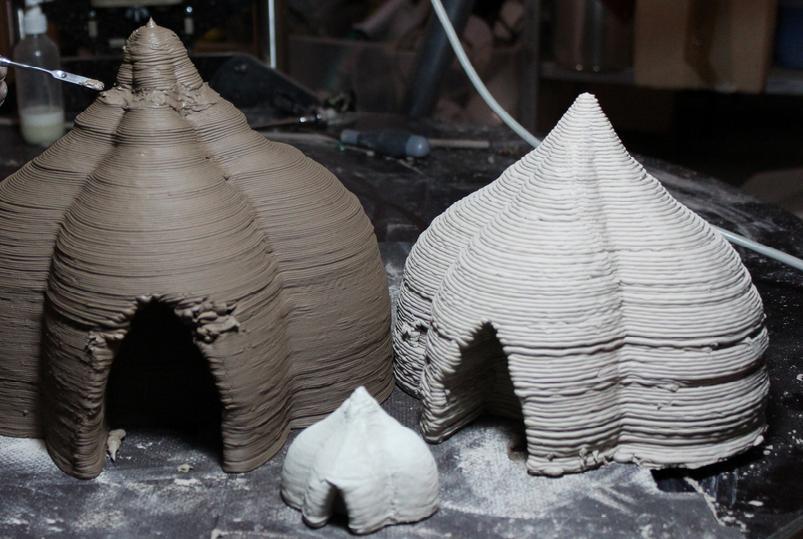 Back in July, the WASPProject unveiled to us their plans to 3D print homes in 3rd world countries using nothing but a 3D printer and clay made from native soil. The idea is a tremendous one, one which could be extraordinarily groundbreaking when it comes to creating shelter for poverty stricken nations.
Clay is abundant, and these 3D printers are quite affordable compared to other machines on the market. Providing a single 3D printer to small communities where there is little to no structurally sound housing, could provide for a solution to one of the world’s biggest problems. The fabrication of multiple homes in a short amount of time, is exactly what WASP is hoping to accomplish.
Today, WASP has informed 3DPrint.com that they are unveiling a new 3D printer extruder at 3D Print Hub Milan, an event taking place in Italy this weekend (March 5-7). The extruder, which will be officially unveiled, alongside their new Wasp Delta 20 40 Turbo 3D Printer, aims at making the 3D printing of affordable housing a reality.
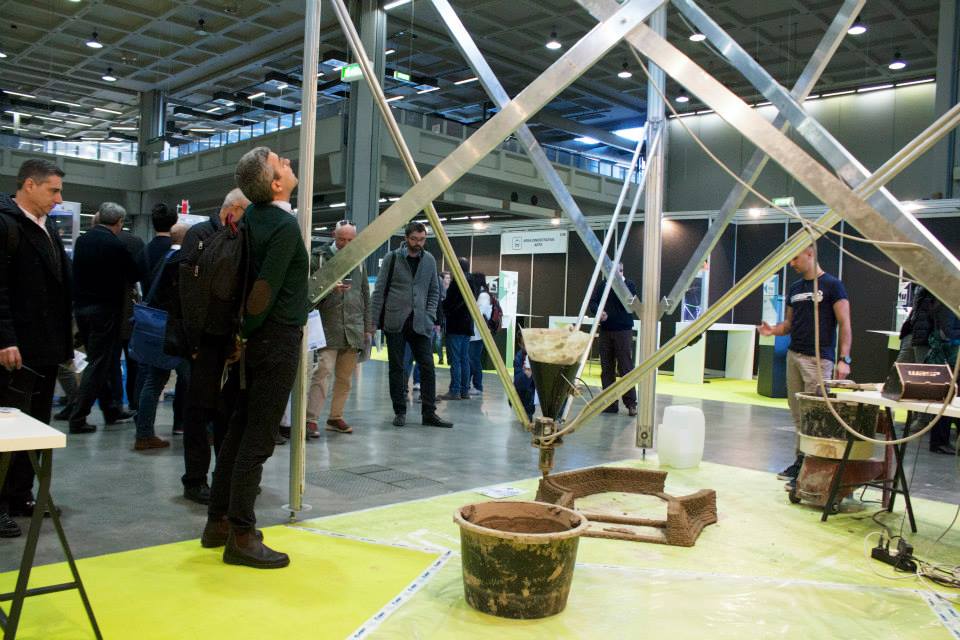
The WASP Big Delta at the Milan Show
“WASP Founder Massimo Moretti and his collaborators [haven’t] forgot their main focus: to build 3D printed houses with a very low cost, especially in developing counties,” WASP tells 3DPrint.com. “Now [we are at] the turning point: WASP exhibits for the first time at 3D Print Hub in Milan the new extruder.”
This new extruder has been completely redesigned, with a special “rotating” feature. It requires very little energy consumption, has the ability to clean itself, and it can be assembled and disassembled in a very short amount of time. It also includes what WASP tells us is a “constant speed control”. The extruder also has the ability to be scaled up or down for use on different size 3D printers, including the company’s 12-meter tall delta machine.
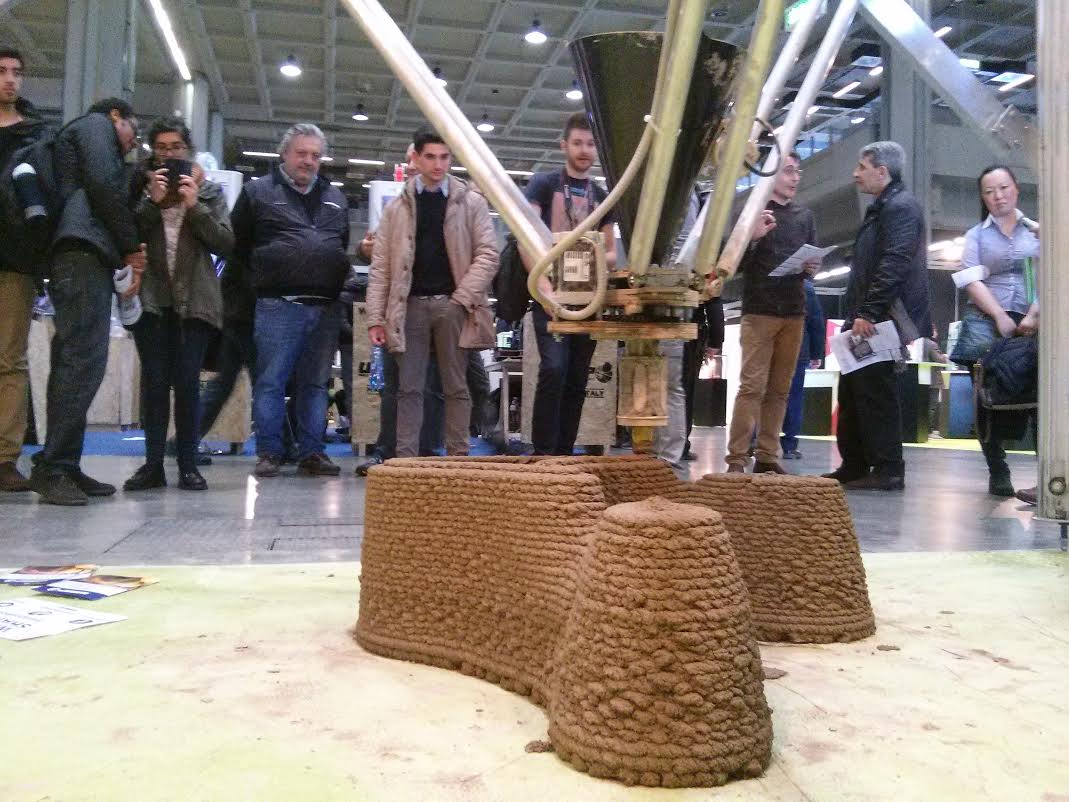
The new extruder.
More details will be unveiled this weekend, and WASP has plans to reveal additional information on their plans to 3D print houses in developing nations very soon. It should be interesting to find out when this initiative will begin, and if they can perhaps raise additional charitable funding in order to help it progress. Housing is in major demand in the developing world, and this project could be one huge step in helping bring homes to those in need.
What do you think about the potential that WASP provides for 3D printing houses in developing countries. Do you think this method is feasible? Discuss in the 3D Printing of Homes forum thread on 3DPB.com.
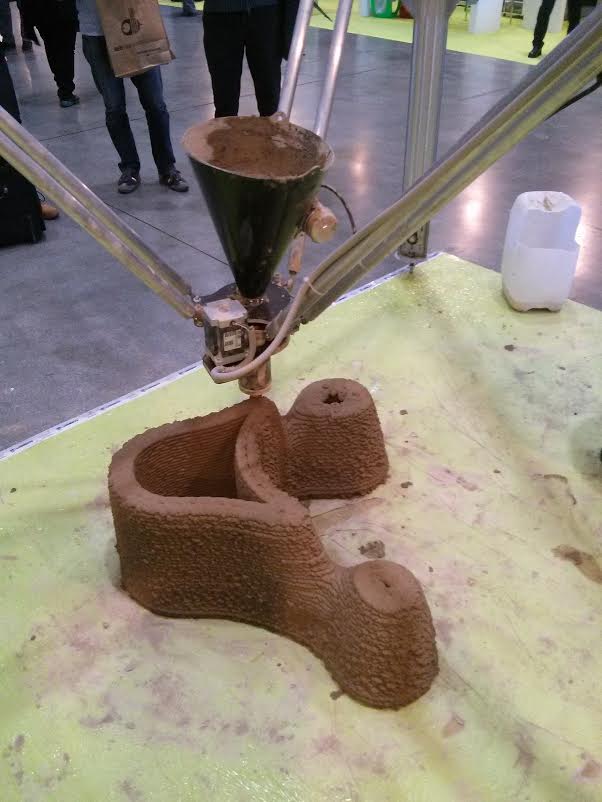
The new extruder.
Subscribe to Our Email Newsletter
Stay up-to-date on all the latest news from the 3D printing industry and receive information and offers from third party vendors.
Print Services
Upload your 3D Models and get them printed quickly and efficiently.











You May Also Like
Reuniting ExOne and voxeljet: An Investor’s View on Building a Global Industrial Sand Printing Leader
Authored by Whitney Haring-Smith, Chair of the Board, ExOne Global Holdings & Managing Partner, Anzu Partners At Anzu Partners, we invest with conviction in industrial technologies that create categories—and then...
Adoption of Advanced Powder Metal Manufacturing in the Global Small Arms Space – SHOT Show 2026 Additive Manufacturing Analysis
Back in 2013, I remember being completely blown away when a company called Solid Concepts reportedly additively manufactured nearly a complete firearm as a proof of concept. Although desktop polymer...
AM-Europe, operated by CECIMO: Positioning Additive Manufacturing at the Core of Europe’s Industrial Competitiveness
As European industries face growing pressure to strengthen resilience, reduce supply chain risks, and meet sustainability objectives, additive manufacturing (AM) is emerging as a practical and strategic solution. Closely align...
Five Imperatives for CAD and PDM In The Additive Era
Additive manufacturing has reached an inflection point. Hardware capabilities continue to advance, materials portfolios are expanding rapidly, and automation is reshaping post‑processing and production workflows. Yet many additive programs still...