Sellafield Nuclear Plant to Use 3D Printing to Save British Taxpayers Millions of Pounds

A general misconception within the 3D printing space is that objects printed are typically cheap, plastic, and may not be as strong as parts which are manufactured using traditional methods. Because of this, many people would  never imagine a nuclear plants utilizing 3D printing to make parts which would help them decommission some of the most hazardous plants in the world. That’s just what a US-led private consortium is doing at the Sellafield nuclear plant in Britain.
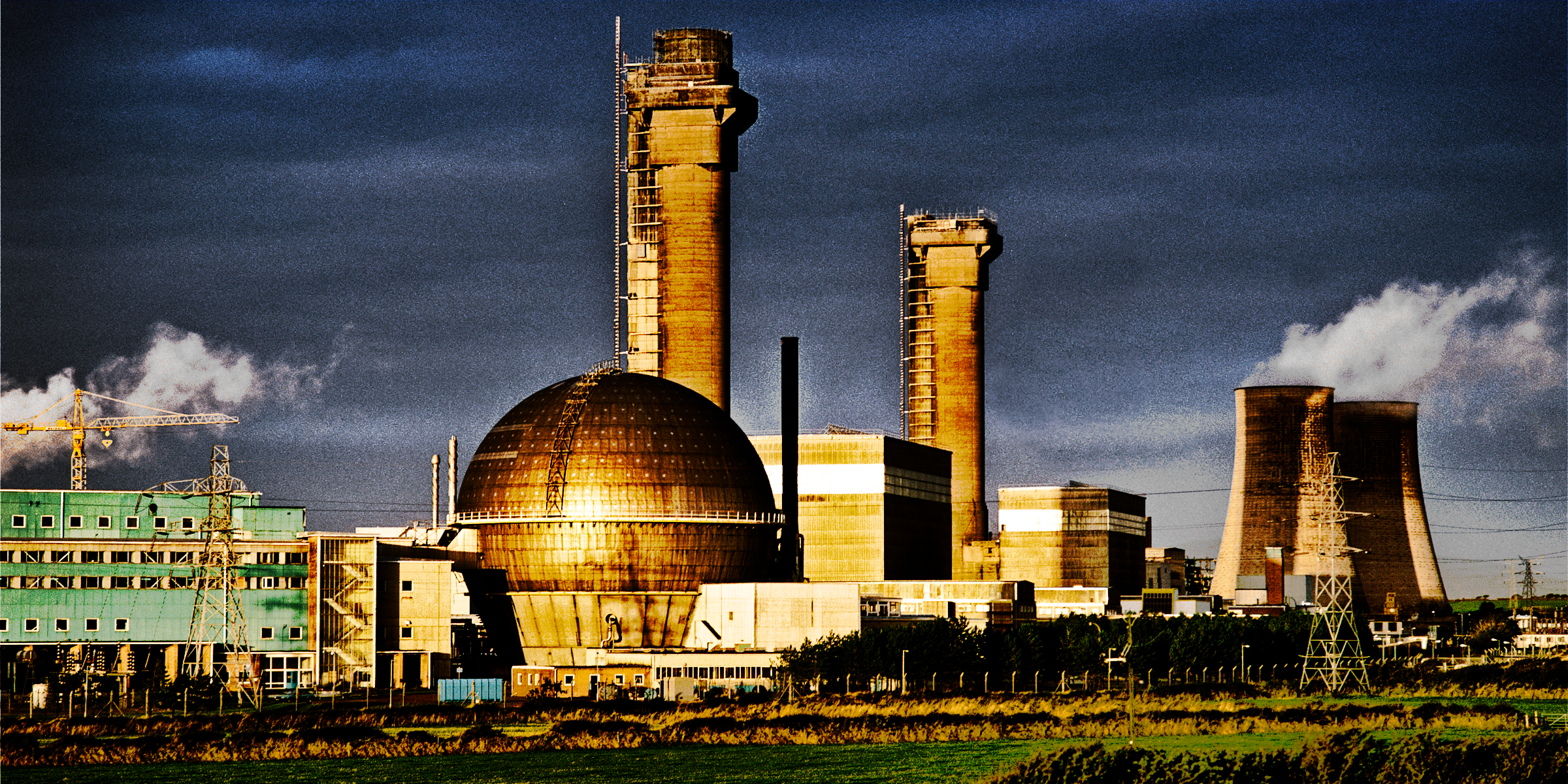
Sellafield, the largest nuclear waste site in all of Western Europe, spanning over 6 km, will be using 3D printing for what it’s best at, making complex customized parts. The plant, which was constructed 68 years ago, is so outdated that many of the parts used during construction were produced only once for a single use. This means that there are no spare parts or even molds remaining to produce replacements. Using traditional molding techniques, to replicate these broken parts would be extremely expensive and time consuming. 3D printing, on the other hand, can print a part in a matter of hours, at costs which are a fraction of the price of traditional methods.
Just one example of the cost savings that Sellafield Ltd. is realizing is for a lid needed to a 40 ton solid-waste export flask. The flask is used to transport hazardous nuclear waste from 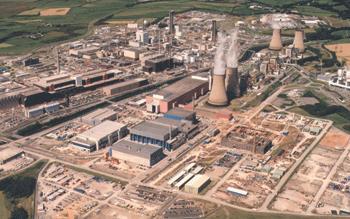 location to location within the plant, without permitting any contamination along the way. It cost them just £3000 to have the piece scanned, whereas other techniques of reproducing the part would cost them upwards of £25,000. Normally they would need to use metrology, which would require very precise measurements of the part, and then the formation of a mold which they could then use to reproduce the piece needed.
“We’re seeing huge numbers of possibilities where we don’t have to redesign work, don’t have to take the plant down and find alternatives,” stated Alistar Norwood, head of metrology at Sellafield Ltd.
Sellafield Ltd. has come under pressure recently from the National Audit Office, and Public Accounts Committee in Britain for their failure to cut costs surrounding the cleanup of the plant. This has led the company to commission Central Scanning Ltd., and 3T RPD to scan and then print numerous parts which could amount to millions of pounds in savings. Sellafield is the first known nuclear power plant in the world to use such technology, but likely not the last. Discuss this article at the 3DPB.com forum thread about Sellafield.
Subscribe to Our Email Newsletter
Stay up-to-date on all the latest news from the 3D printing industry and receive information and offers from third party vendors.
Print Services
Upload your 3D Models and get them printed quickly and efficiently.











You May Also Like
Sintokogio Buys Bosch’s Ceramics Unit, Plans Global AM Expansion
Japan’s Sintokogio Group is buying Bosch Advanced Ceramics to expand its work in 3D printed technical ceramics. The agreement was signed on November 18 and formally announced at the Formnext...
Boston’s Additive Edge at Autodesk: Rooftop Wind Gets a 3D Printed Spin
Walking through Autodesk’s Technology Center in Boston, I’ve come to expect surprises. One second, it’s MIT engineers pushing concrete printers to their limits, the next it’s Harvard architects stitching stone...
XJet Continues Its Push to Lower Barrier-to-Entry with Carmel Pro 3D Printer
Over the summer, Israeli metal and ceramic additive manufacturing (AM) original equipment manufacturer (OEM) XJet announced the sale of a Carmel 1400M metal 3D printer to Youngstown Business Incubator (YBI),...
Incus Releases Hammer Pro25, Proving Innovation Doesn’t Need to Be Flashy
Viennese firm Incus is showcasing the new Hammer Pro25. That system is meant to be a scalable Slurry SLA unit created for continuous manufacturing (Incus uses DLP but we refer...