taulman3D Hacks Their Clear t-glase 3D Printing Material to Achieve a More Glass-Like Appearance

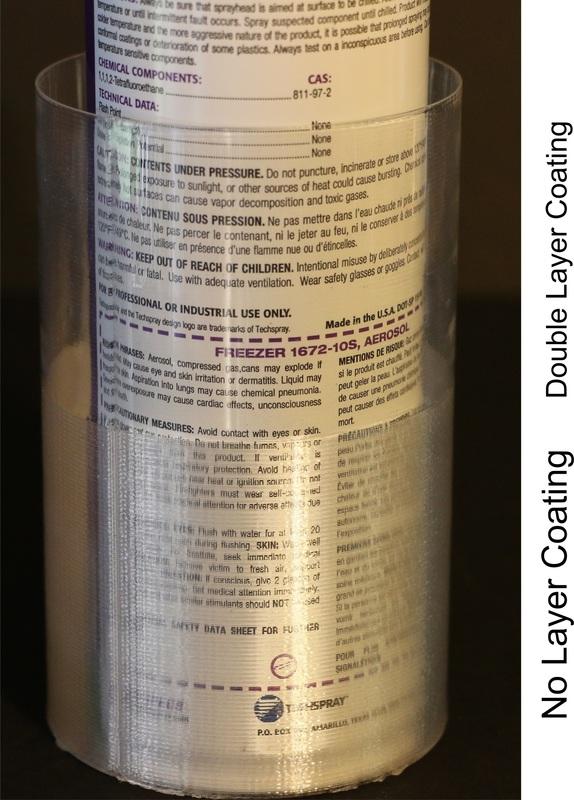 taulman3D, with their background in developing large scale optics, wanted to create a material which was capable of creating FFF parts with a glassy, transparent look.
As they worked on the idea, it was decided that their t-glase product would function as the base polymer. When the developers made the decision to ramp up the clarity of t-glase, they found they were required to go with a “very slight trade off in the Tg in the final chemical formulation.”
That decision initially allowed designers to create jewelry components with a thicker layer construction during the printing process to give the parts a more “glass-like” appearance.
taulman’s t-glase is a high-strength PET polymer. It prints using standard settings for PLA, but with the exception that it requires a print temp of about 235 C. All the cooling profiles and techniques used for PLA apply to t-glase as well.
But the company says that large industrial users — such as AOSmith and hundreds of machine shops — use t-glase for its ‘non-delaminating’ features when it’s employed to print large parts. To attain the increased transparency needed of a final part, the researchers found that layer sizes needed to be increased — and that meant slowing the printer down to handle material flow requirements.
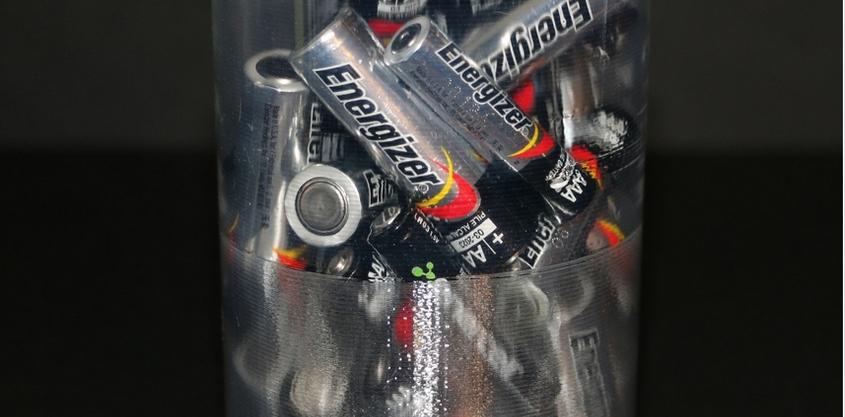
“We knew that a clear cylindrical thread laid down by most 3D Printers would result in zero depth-of-field, but this would eventually be an advantage,” says taulman’s website. “If we could find a clear, two-part epoxy that could be painted or brushed onto the part to negate the shape of the thread, we could convert the optical path to an ‘optical flat’ – a fancy way of saying ‘glass.'”
After testing a number of clear epoxies to solve the problem, the researchers found that most had one of two issues: the requirement of a vacuum build envelope to eliminate bubbles, or a lack of ‘self-settling’ or filling of gaps in the printed threads.
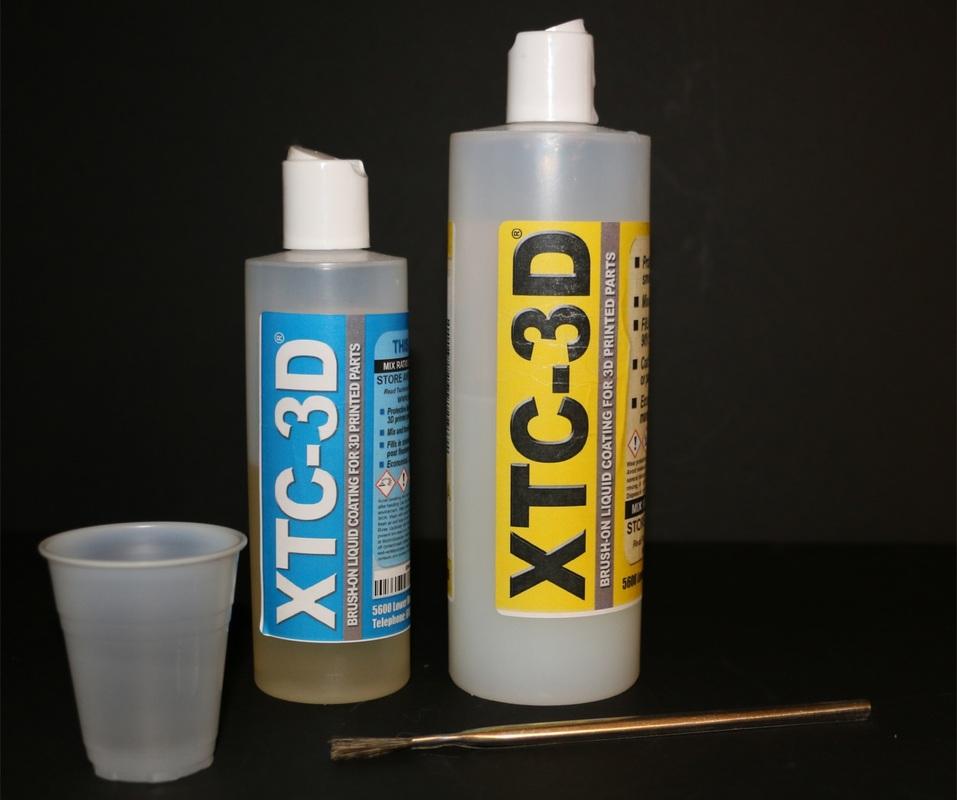 Taulman then turned to a company which makes artistic and industrial epoxies, Smooth-On. The team found that one of the company’s products, XTC-3D, a material used for coating 3D printed parts, was ideal for taking on the issue and arriving at a “clear glass” look.
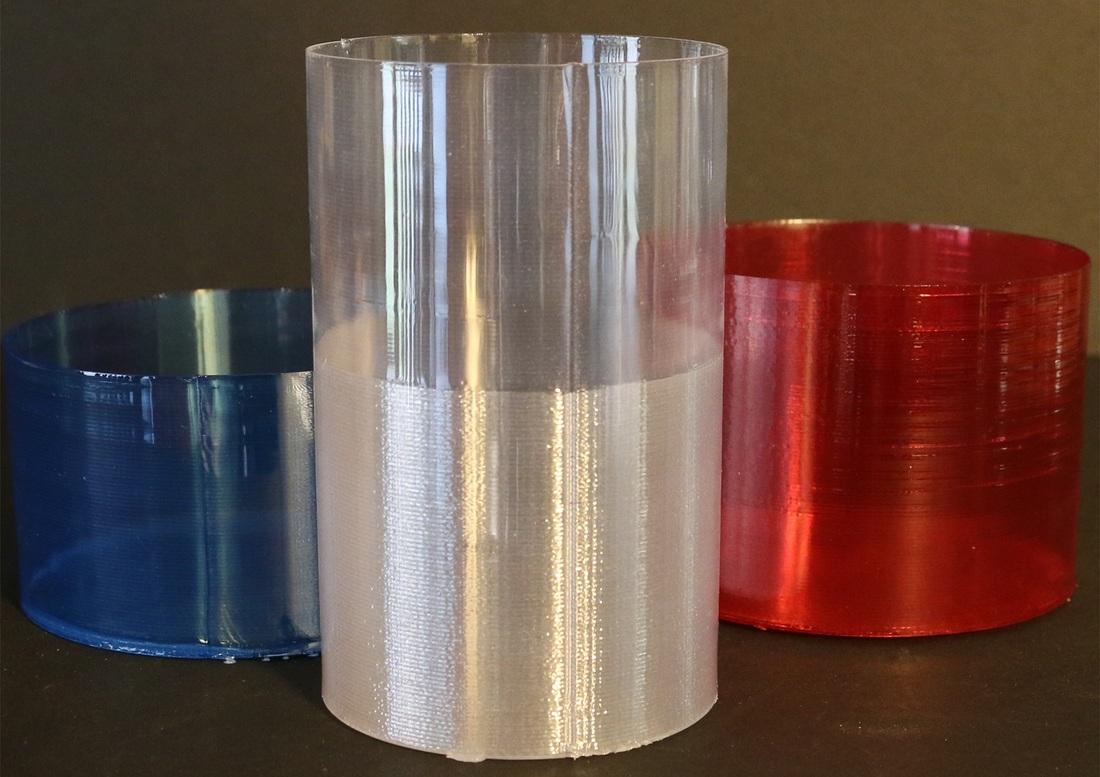
Taulman now says they suggest the product to users in need of parts with an additional clarity. XTC-3D dries to a hard and durable enamel-type surface, requires only two coatings, and when used with a spinner to ensure an even coat, is essentially self-leveling, all leading the taulman team to recommend this product’s use with theirs.
And the results speak for themselves. You can see the detailed instructions on how to use t-glase and XTC-3D on the taulman site here.
Let us know what you think about how taulman3D’s hack will change how you might use clear printing filaments on the taulman3D t-glase Hack thread on 3DPB.com.
Subscribe to Our Email Newsletter
Stay up-to-date on all the latest news from the 3D printing industry and receive information and offers from third party vendors.
Print Services
Upload your 3D Models and get them printed quickly and efficiently.











You May Also Like
3D Printing News Briefs, December 3, 2025: Vapor Smoothing, Microneedles, & More
Happy 3D Printing Day! In today’s 3D Printing News Briefs, we cover everything from a 3D printer order and vapor smoothing to microneedles, surgical training models, and more. Read on...
Indian Additive Construction Firm MiCoB Delivers Over 500 Bunkers to the Indian Army
Like many nations attempting to capture Industry 4.0 gains, India laid out an ambitious long-term plan in 2014 to transform its economy: the Make in India initiative. However, as is...
Boston’s Additive Edge at Autodesk: Harvard Researchers Turn Mining Waste into Masonry
When most people look at piles of mining waste, they see rubble. For Maddie Farrer and Chenming He, two researchers at Harvard’s Graduate School of Design (GSD), those rocks look...
3D Printing News Briefs, November 12, 2025: Standards, Printhead, UV Printing, & More
We’re starting with standards news from ASTM International in today’s 3D Printing News Briefs, and then moving on to business, as Precision Plastics Australia launched a new collaborative venture. ValCUN...