Indigenous Community Protects the Environment While Learning About 3D Printing

 In the central North Pacific Ocean, there is a giant floating patch of garbage known, appropriately, as the Great Pacific Garbage Patch. Mostly comprised of plastic waste, it was formed, scientists believe, by ocean currents that gradually pulled discarded garbage into a floating clump. The mass of garbage has had a tragic effect on ocean wildlife, and has affected humans as well, who ingest the plastic chemicals when they eat fish that have swallowed bits of plastic. The only solution to this problem is simply to stop throwing away so much plastic, which unfortunately is much easier said than done. One thing that 3D printing has provided is an excellent means for recycling plastic, and 3D printing companies such as Fila-Cycle are making great strides towards reducing waste as much as possible by turning plastic waste into filament. But it’s not just corporations that are capable of transforming trash into printing materials.
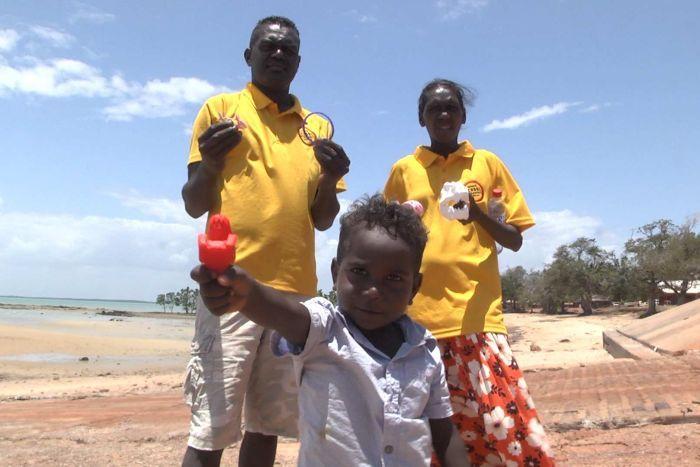
The island of Milingimbi sits off the coast of Arnhem Land in Australia’s Northern Territory. It is home to the indigenous Yolngu community, the members of which have just learned about 3D printing. Lisa Somerville, project coordinator for the Arnhem Land Progress Association, came up with an initiative earlier this year to simultaneously clean up the island’s trash, teach children about technology, and give them a reason to be excited about learning.
“We wanted to create an incentive for kids who go to school 100 per cent of the time and build on that,” Somerville said.
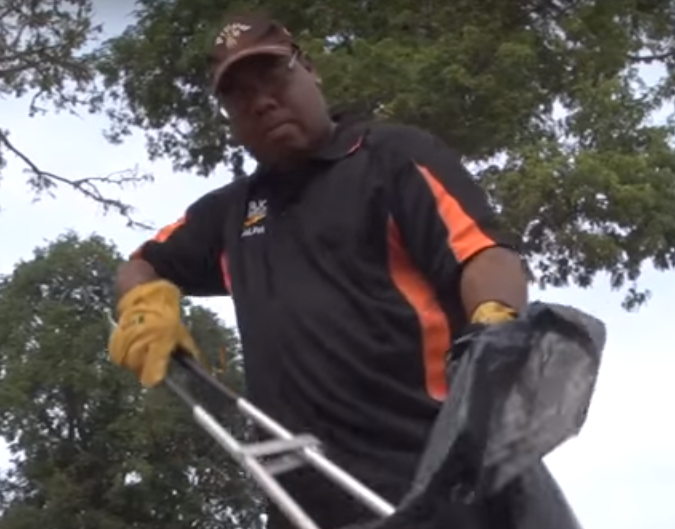 The program, which the community has dubbed “Plastic Fantastic,” has engaged the whole community, not just the children. Leandra Dhurrkay and Jason Wandji, Milingimbi school officers, have been working with students, council workers, and other community members to collect the numerous pieces of plastic waste lying around the island. While gathering the material, the participants learn about recycling and the various types of recyclable plastic.
“There is lots of plastic around the community,” Dhurrkhay said. “At every camp and in every street there are plastic bottles lying around. It is good that we are using all that.”
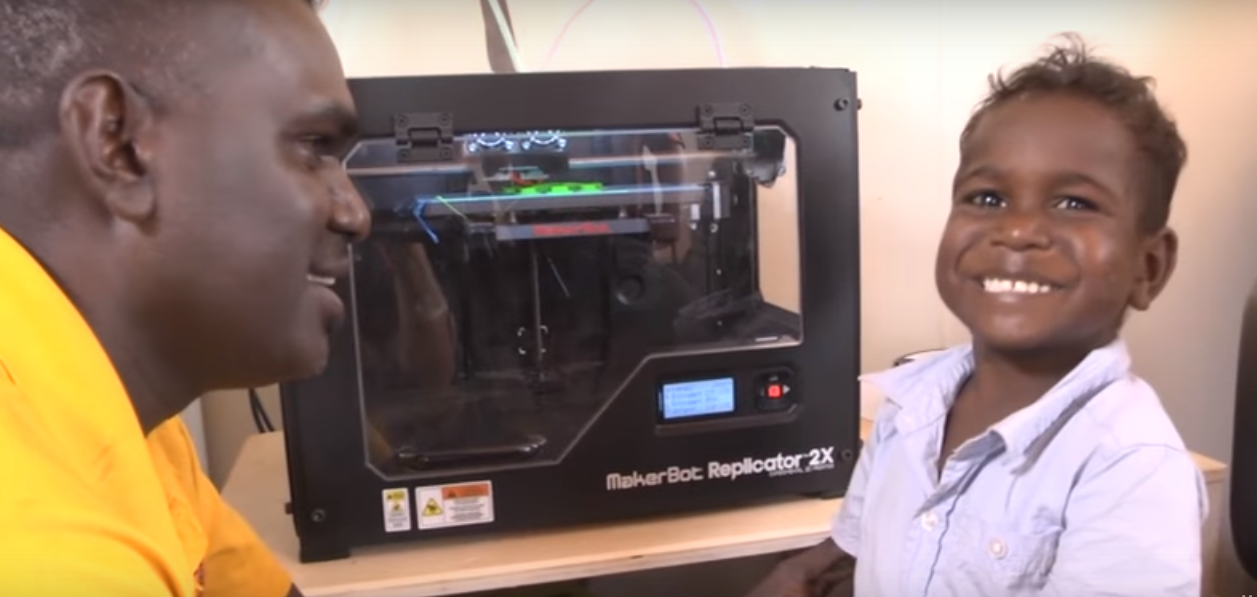
The plastic is then shredded, melted, and extruded into filament, which is then used in the school’s 3D printer. Students learn about 3D printing and digital design while making sunglasses, iPhone holders, and small plastic toys. According to Somerville, the children have been having a great time with the program. One of the major goals was to give the kids an incentive to want to go to school, which has, so far, been a success. It has been educational for the adults, as well.
“I have just learned a little bit about using the computer and 3D program. This is the first time I have used computers,” said Wandji. “It’s good for elders to sit with children, care for them, and teach them this way.”
Just a few weeks ago, Project Plastic Fantastic was presented the Environmental Innovation Award for turning plastic rubbish into 3D printed toys. Discuss this story in the Environmental 3D Printing forum thread on 3DPB.com.
Subscribe to Our Email Newsletter
Stay up-to-date on all the latest news from the 3D printing industry and receive information and offers from third party vendors.
Print Services
Upload your 3D Models and get them printed quickly and efficiently.











You May Also Like
Low-Cost LPBF Leader Xact Metal Reports Order Growth is Up 30% Year to Year
Xact Metal is the pioneer in low-cost LPBF. The US-based firm was the first to sell sub $100,000 LPBF machines. Through value engineering, gumption, and a focus on cost, the...
Subaru’s Adoption of T25 High Speed Head Reinforces Stratasys’ Dominance in 3D Printed Automotive Tooling
Last September, AM Research published a white paper sponsored by Stratasys on the role of additive manufacturing (AM) in enabling point-of-need tooling production across various industries. The white paper, “3D...
Why Superior, Affordable Chinese AM Machines Are a Great Chance for the Industry
Additive Manufacturing is entering a decisive phase. Consolidation is no longer a future scenario; it is happening now. Across polymers and metals, companies are under intense pressure to become profitable,...
Formlabs Fuse 1+ 30W: Small SLS Printer, Massive Impact
Disclosure: With Formlabs permission I was able to sell my 4L and use that to help with the purchase of the Fuse 1+ and Fuse Sift. Aside from allowing me...