Phoenix Touch DLP 3D Printer Introduced at Maker Faire


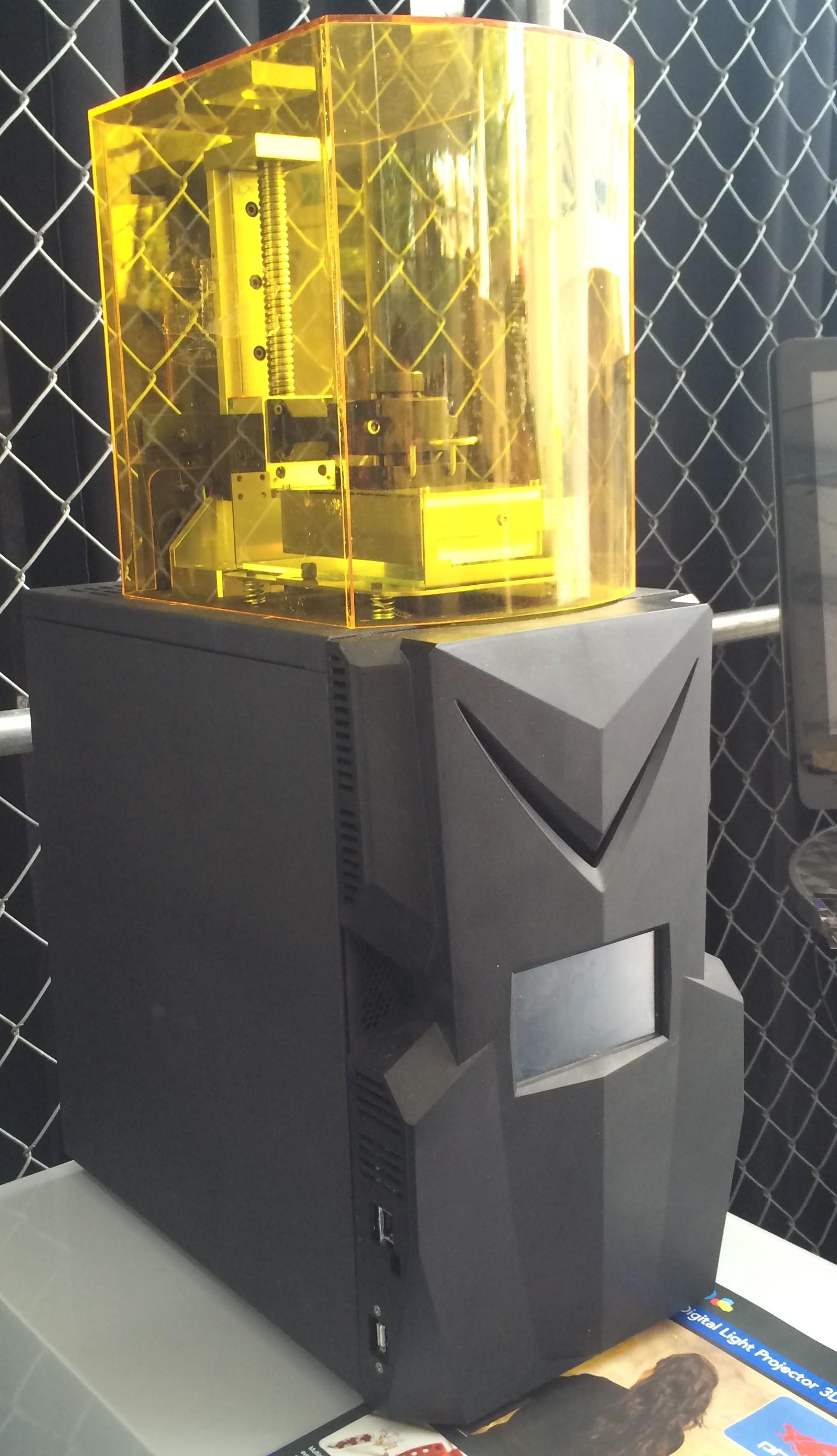
The Phoenix Touch at Maker Faire.
Not only was Maker Faire chock full of 3D printers, it was also a showcase for subtractive manufacturing, namely laser cutters and CNC machines. Full Spectrum Laser (FSL) while best known for their laser cutting machines released their first 3D printer, the Pegasus, after a successful Kickstarter. The Pegasus Touch, which uses a UV laser to cure resin, features a generous print bed for a SLA printer, 7″ x 7″ x 8″. While capable of high-resolution prints, laser based systems tend to be a bit slow since they have to draw out each slice of a print. FSL addresses this shortcoming by moving to DLP for its newest line of resin 3D printers.
Full Spectrum Laser sells their resin printers through their FSL3D subsidiary. Their newest printers are the Phoenix Touch and the Phoenix Touch Pro. Both machines are high-resolution printers with a max resolution of 50 microns. They use ball screw Z drives instead to ensure higher accuracy than the more common lead screws found on many resin printers.
Both Phoenix printers use FSL3D’s SuperVAT technology for their resin containers which they say last up to 10x longer than silicone release coatings. Touch screen computers are built into the cases of the printers with a 1 GHz processor, 512 MB SDRAM, 2 GB internal storage and a 4.3″ LCD color touch screen.
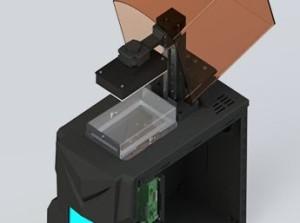
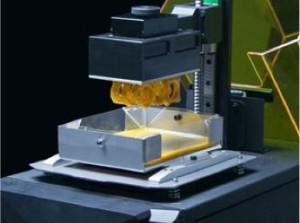


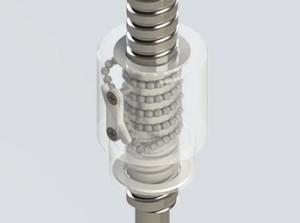
A ball joint mounted build head allows for single-point leveling and the printers can be ready to print in under 5 seconds. Indeed, speed is where these machines really thrive. The Phoenix Touch layer curing is 5 seconds and the Phoenix Touch Pro cures layers in under 1 second, regardless of detail!
The Phoenix Touch uses a 1080p DLP to cure resin and has a build area of 96 x 54 x 100 mm. The Phoenix Touch Pro uses an industrial quality DLP engine with UV-LEDs and uses all glass optics. An optional translating stage triples the build area of the Phoenix Touch Pro.
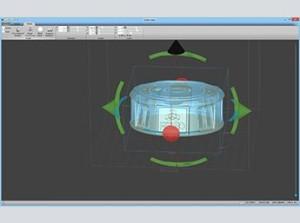
Slicing is done with FSL3D’s free RetinaCreate which is available for Windows and for the Mac as a Beta version. It offers one button shell modeling to hollow out solid models with the necessary support materials and its tree support system gives users the ability to manually add, remove and drag supports.

Printable materials include clear, opaque, castable and flexible. Both printers are available for pre-order. The Phoenix Touch is priced at $3,499 and the Phoenix Touch Pro is $4,999. It seems that FSL3D is banking on DLP technology for it’s faster curing over SLA for resin printing, as are many of its competitors. It’s reminiscent of the VHS vs. Betamax war. Is DLP’s increased print speed going to win out over SLA’s supposed high resolution? Is there room for both? It’ll be interesting to see which technology will win out in the end.
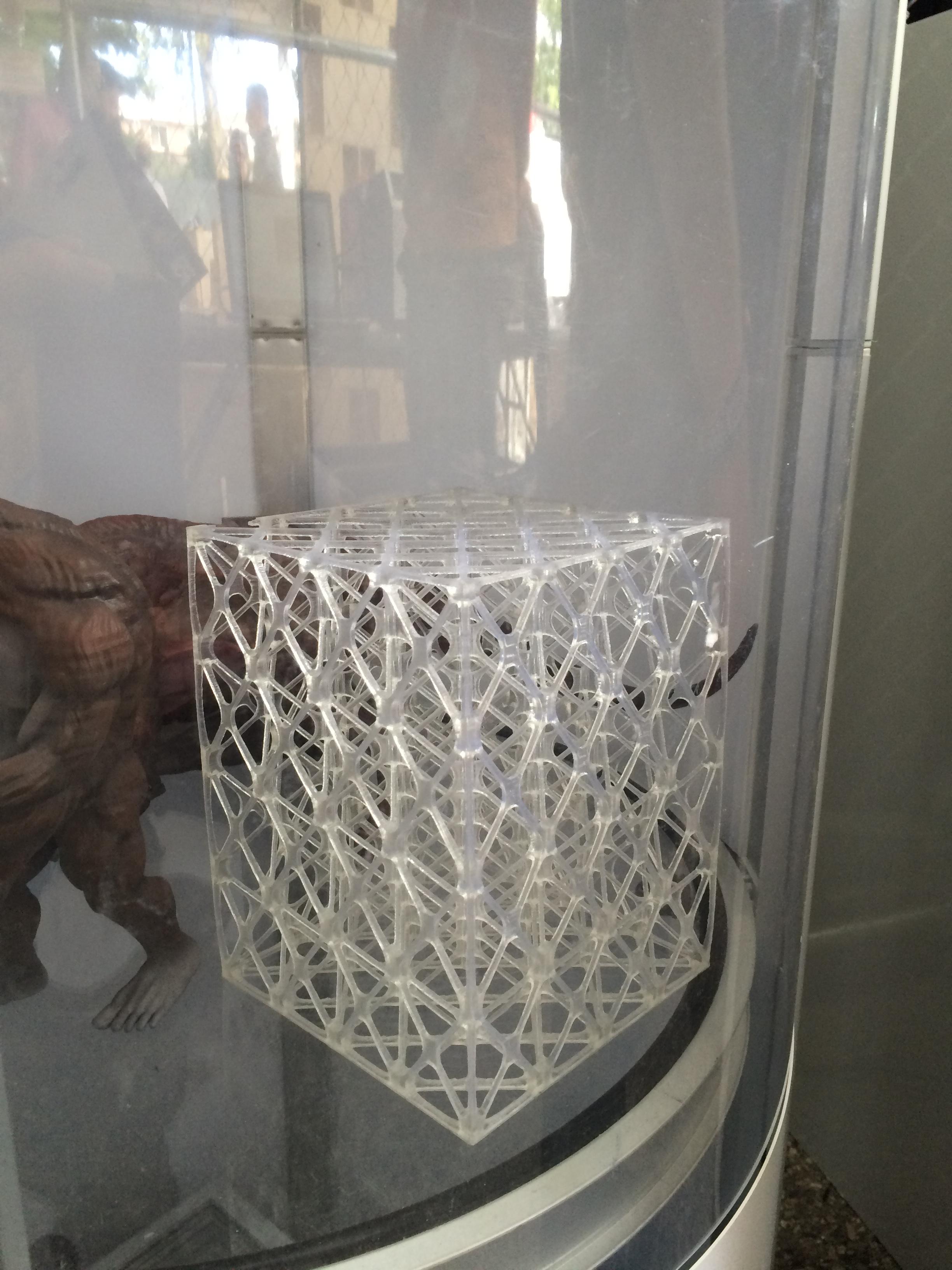
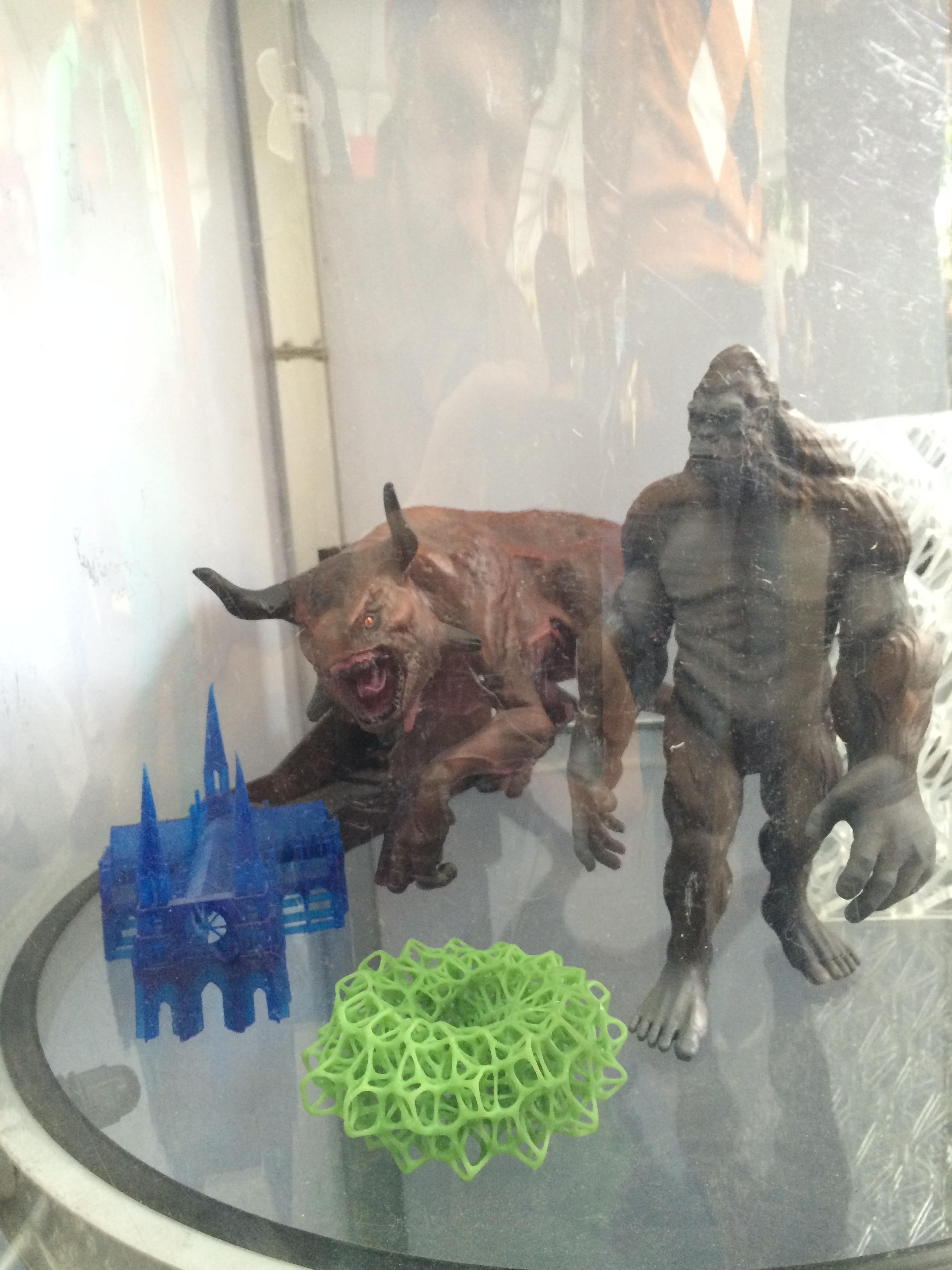
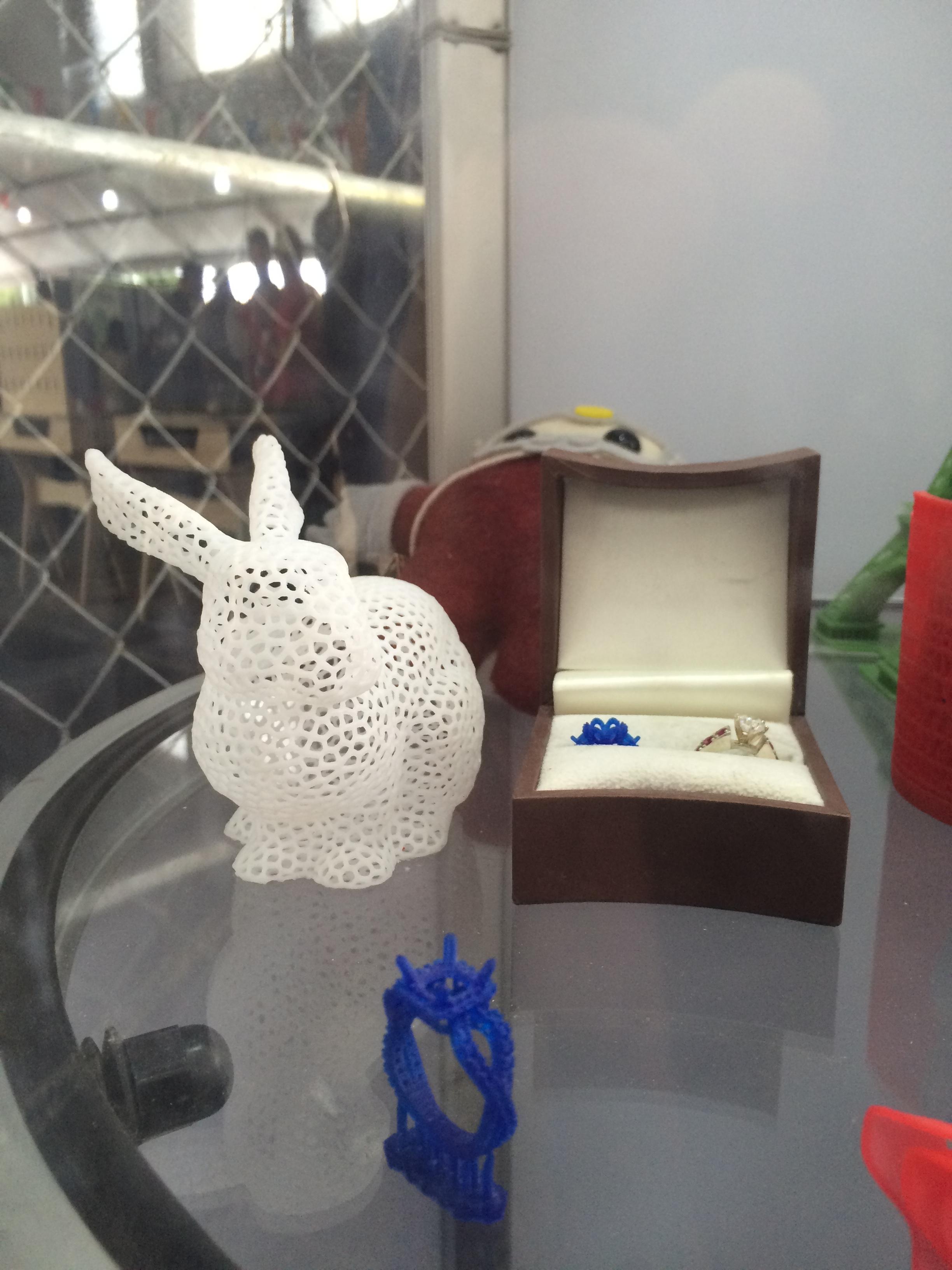
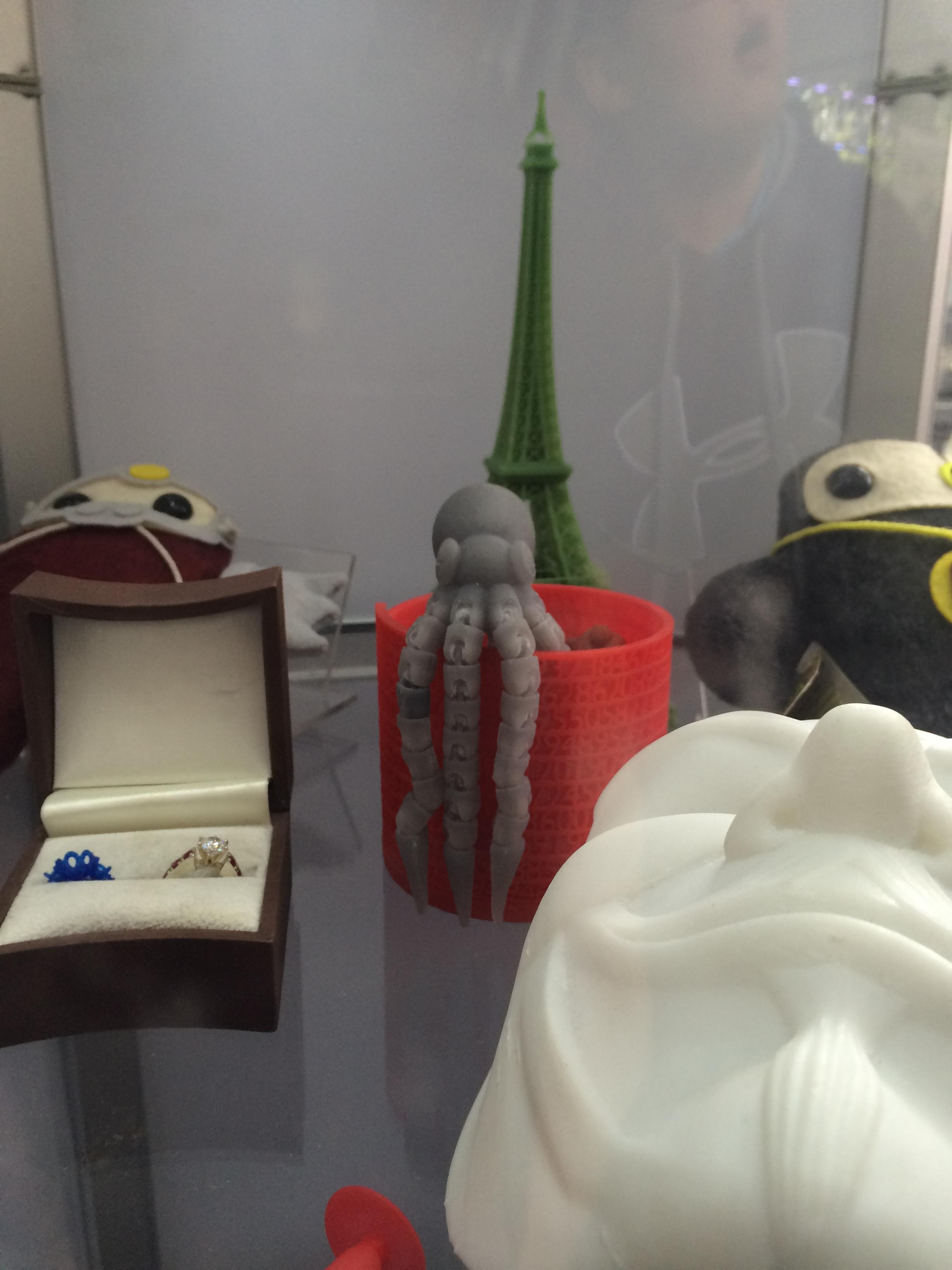
Below are some of the prints made by the Phoenix printers that were on display at Makerfaire:
Subscribe to Our Email Newsletter
Stay up-to-date on all the latest news from the 3D printing industry and receive information and offers from third party vendors.
Print Services
Upload your 3D Models and get them printed quickly and efficiently.













You May Also Like
3D Printing News Briefs, October 10, 2026: Drones, WAAM, Ceramics, & More
We have a packed 3D Printing News Briefs for you this weekend! First, America Makes celebrated the recent National Manufacturing Day with 3D printed drones, and then it’s on to...
3D Printing News Briefs, October 3, 2026: Hypersonics, Hotends, & More
We’re starting off with defense in this weekend’s 3D Printing News Briefs, as Titomic was awarded a $5 million U.S. defense contract, and VulcanForms announced a partnership with Specter Aerospace...
The Part Is Only Half the Story: Why 3D Printing Needs a Digital Thread
A 3D printed part can generate a lot of information. The challenge is keeping track of it. Manufacturers need to know which design was used, what material went into the...
Advanced Manufacturing at IMTS 2026: 3D Printing and AI and Drones, Oh My!
Last week’s International Manufacturing Technology Snow (IMTS) in Chicago welcomed over 90,000 attendees to the jungle that is McCormick Place. With over 1.17 million square feet of exhibit space, and...