Chinese Unveil Mysterious 3D Printed Houses – Built Out of Unique Material, Able to Withstand Devastating Earthquakes

 In the past, we’ve covered many unique uses of 3D printing being utilized in China. Whether it is the 3D printing of titanium medical implants, the creation of large scale 3D printed aircraft parts, or entire houses and apartment buildings fabricated through the use of 3D printers, the country certainly believes that this technology is the future of manufacturing. While we’ve reported on a company called WinSun in the past, who has developed a method of 3D printing large buildings, apparently they aren’t the only Chinese company trying to do this.
 A company called Zhuoda Group has developed a very unique form of 3D printing buildings, so unique that not only have they applied for over 22 patents for the technology, but they also are reluctant to divulge the exact process. Unlike other forms of 3D printing of large structures, which use a cement base for construction, Zhuoda does not. In fact, the material that they use is being called a “secret”, although they have many parties interested in purchasing it.
The buildings that they are fabricating are strong enough to withstand 9.0 magnitude earthquakes, stand up to harsh weather, and provide for superior insulation. Better yet, the material that these houses are constructed with also generates negative ions on a permanent basis, a feature that many Chinese will be quite happy with. On top this, the buildings are also fireproof, waterproof, and virtually corrosion-proof.
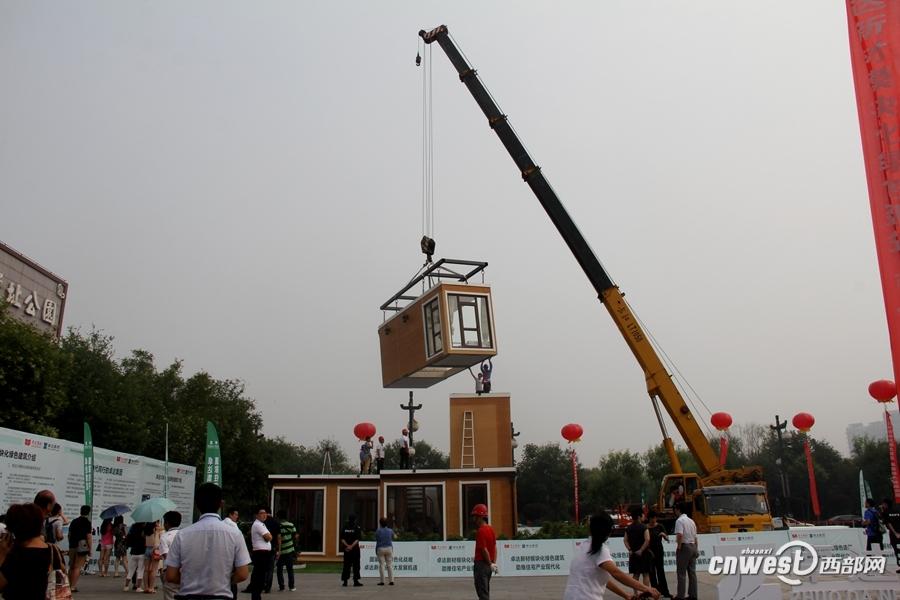
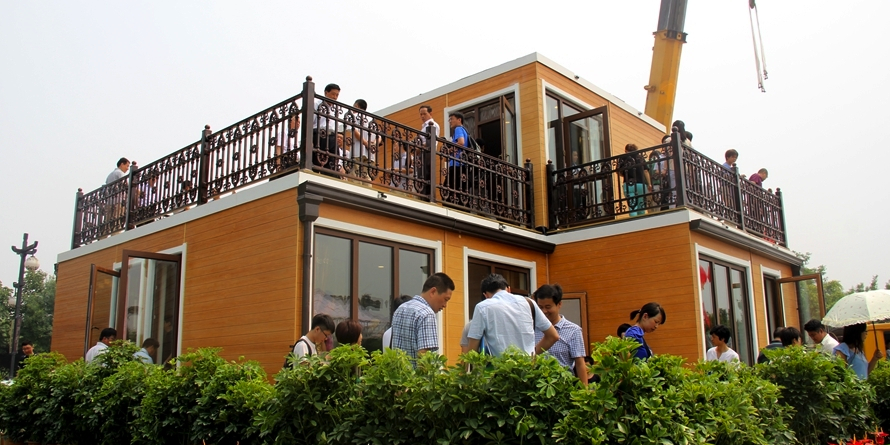
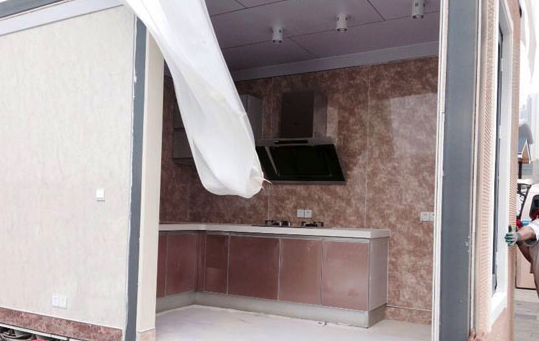
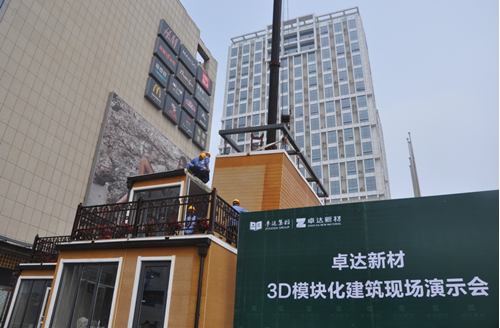
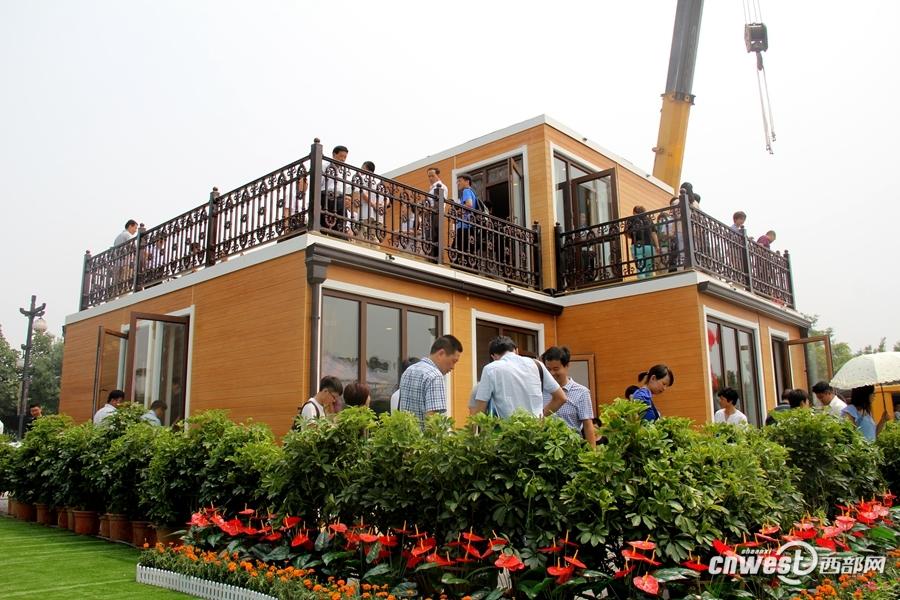
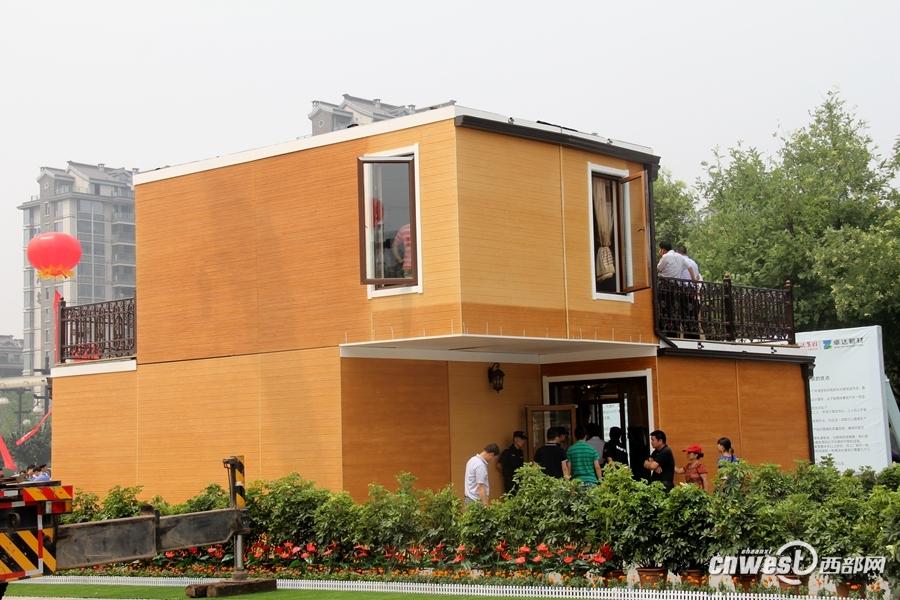
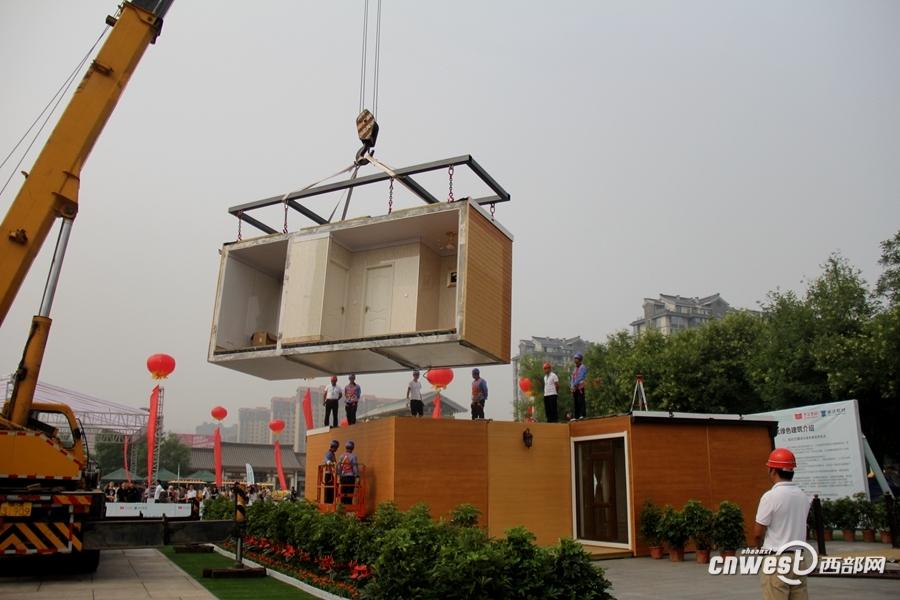
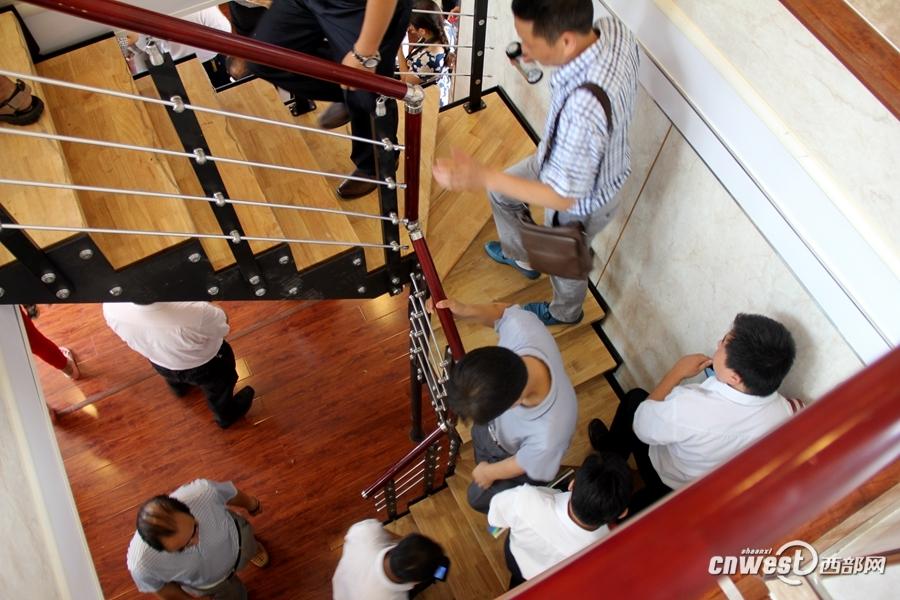
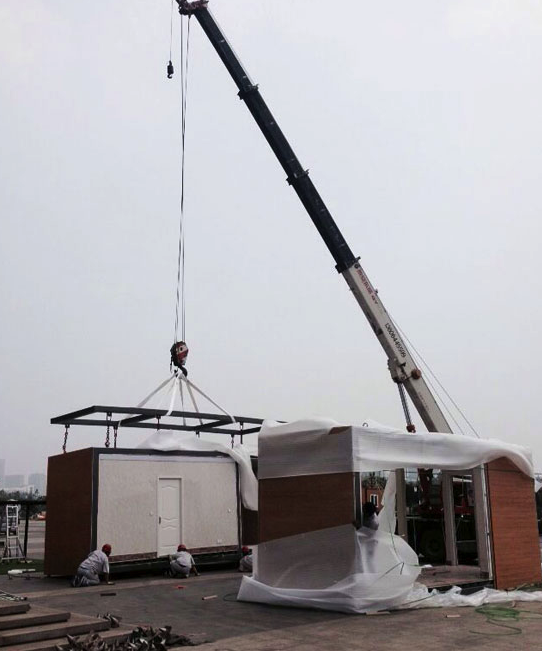
The houses are built from individual 3D printed modules, 90% of which are all fabricated in a factory setting and then transported to the construction site. Because of this, very little information regarding the exact techniques being used for their creation have been revealed. However, this morning in China reporters gathered to witness the construction of a 2-story villa being built with 6 of these 3D printed modules, each weighing approximately 100kg (220 pounds) per square meter. Using cranes, the individual modules, consisting of a living room, bedroom, kitchen, bathroom, and more, were all lifted and stacked on top of each other, resulting in a fully constructed home. The process took just 3 hours to complete, upon which the public and the media were permitted inside.
Testing has shown that these buildings can withstand average wear and tear for at least 150 years in virtually any environment here on earth. The company says that a typical 500 square meter villa could completely be constructed in just 15 days time.
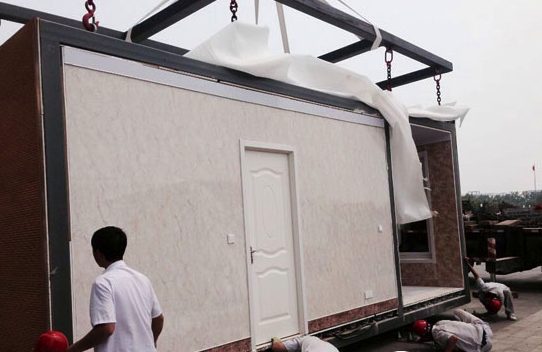
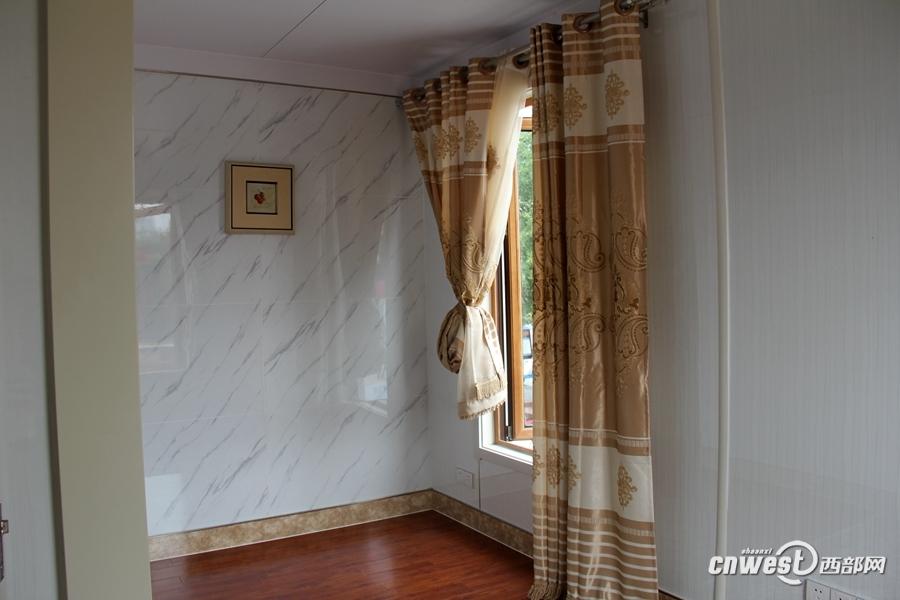
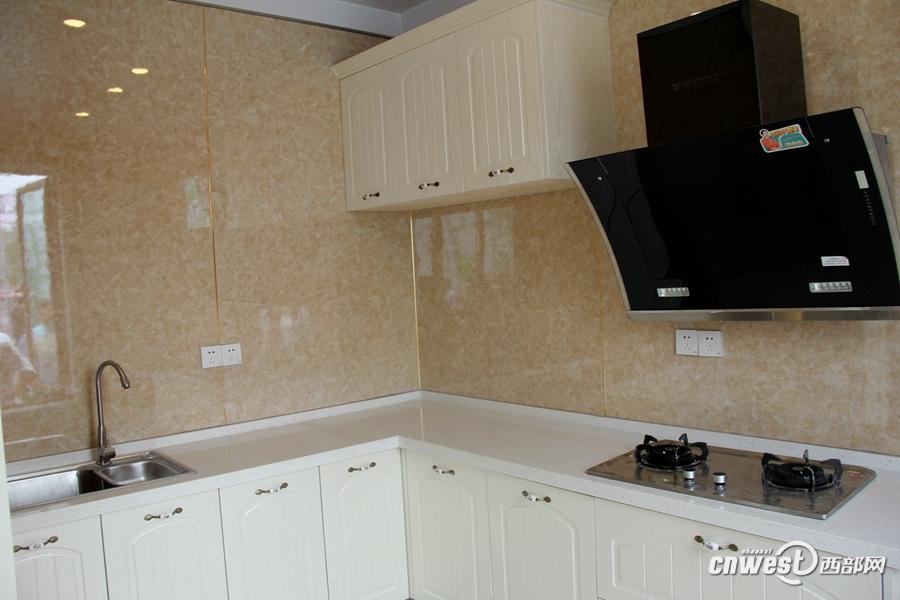
As you can see in the photos, obviously these modules are not entirely 3D printed. Various forms of decor are available, such as wood, marble and jade, to meet the requirements of individual tastes. The technology is able to be used to fabricate both interior and exterior walls, as well as decorative elements within a home.
While very little information was divulged on the process, it should be interesting to follow Zhuoda Group as they continue to construct more of these homes. What do you think about this unique construction method? Discuss in the Mysterious 3D Printed Chinese Homes forum thread on 3DPB.com. Be sure to check out some additional photos below.



Subscribe to Our Email Newsletter
Stay up-to-date on all the latest news from the 3D printing industry and receive information and offers from third party vendors.
Print Services
Upload your 3D Models and get them printed quickly and efficiently.













You May Also Like
3D Printing Financials: $28M in China, U.S. Deals and a Metal AM Comeback
Money continues to go into additive manufacturing (AM). From a $30 million raise for a Chinese metal 3D printing company to new funding for naval AM and a European company...
AmeraLabs Offers New Dental 3D Printing Resins
Lithuania-based AmeraLabs is putting new dental 3D printing resins on the market. Its new Made in Europe resins will include one material for impression trays, one for surgical guides, and...
AM Pulse Asia: Consumer Metal AM, Nuclear Parts and Rockets Push New Ground
The second half of August produced financing milestones, facility openings, and qualification results across Asia-Pacific additive manufacturing. Rongsu Technology closed a CNY 100 million Series A+ and launched a consumer...
3D Printing Financials: New Money Flows Into Medical, Industrial and AI 3D
Money continued to move into 3D printing in the second half of August. Hike Medical raised $22.5 million as it grows its 3D printed custom medical device business. Swiss additive...