3D Printed Glass Molds Brings New Techniques to Ancient Art

As with all basic substances, it is impossible to know exactly how the invention of glass occurred. However, it is speculated that it developed as a result of sand blowing into the kilns used by the Ancient Egyptians to fire faience stoneware. Small glass bottles, cobalt in color, were prized by Cleopatra and since then, the obsession with the transparent substance has followed humanity and driven art and technology to new heights.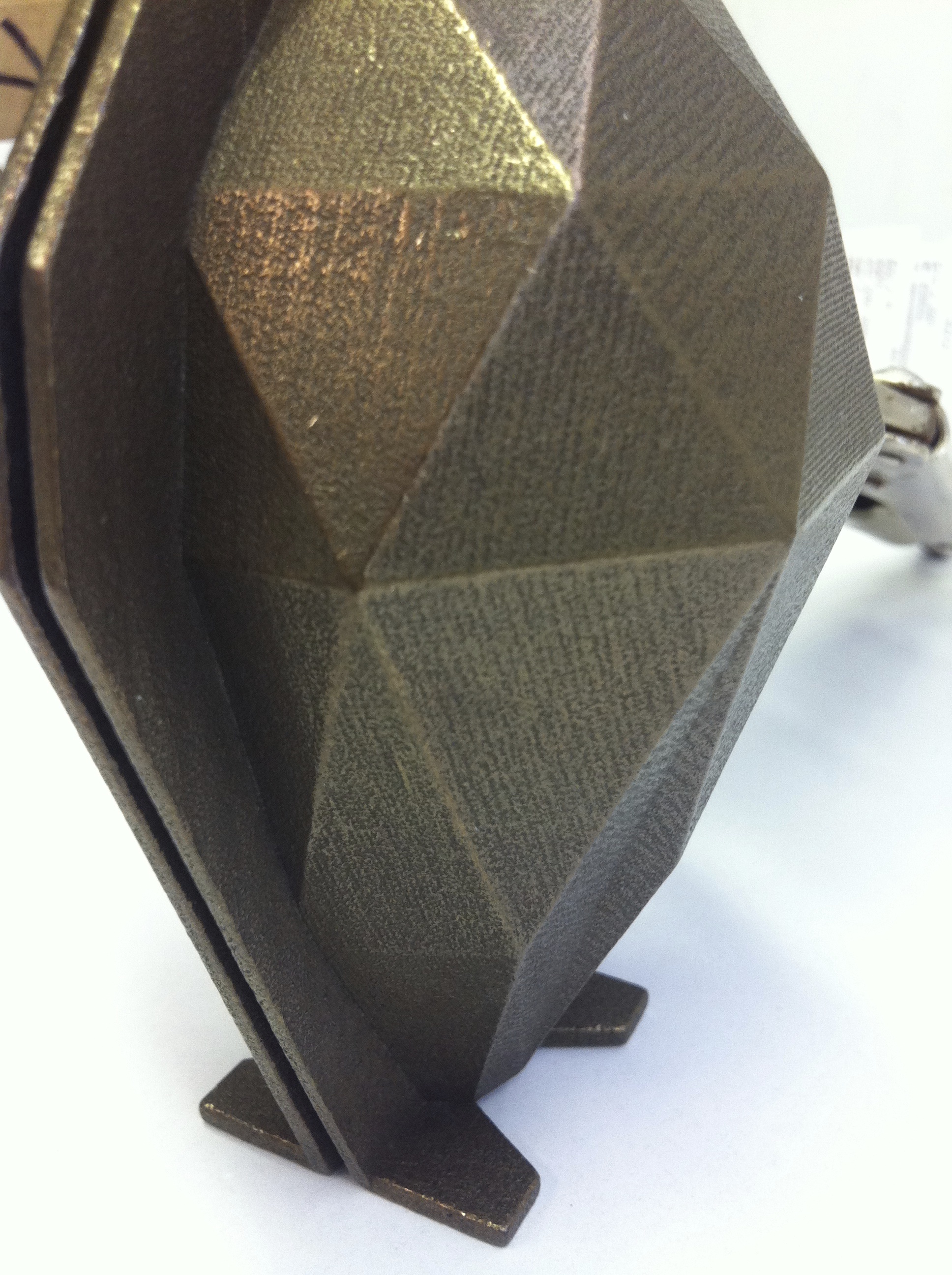
Glass blowing has long fascinated artist Tim Belliveau, graduate of Alberta College Art & Design and together with two of his fellow artists he founded his own glass studio called Bee Kingdom Glass. This year, Belliveau was the recipient of the Hexagram Grant, a program at Concordia University that funds exploration in the plastic arts, and he used his award to investigate the possibilities for glass blowing presented by 3D printing. In conjunction with his assistant Armel Desrues, he designed a digital model for a mold to be used in shaping blown glass. The artist explained the process of working on the mold:
“After some trial and error, I was able to create a 3D printed bronze mold in two parts which is designed for glass blowing. The trick is to keep the mold as thin as possible to limit expense (it is not cheap) but also thick enough to not bend or warp when hot glass is blown into it.”
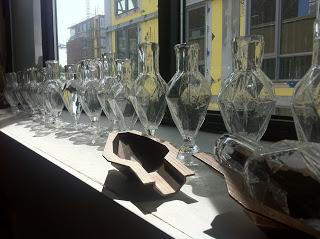 The files were sent to Shapeways for printing, and Belliveau felt like a kid when he received the final printed piece:
“Shape ways sent my completed 3D print in th email. It’s kind of like Christmas to open up something like this, that I’ve never touched – only worked on for hours in 3D software.”
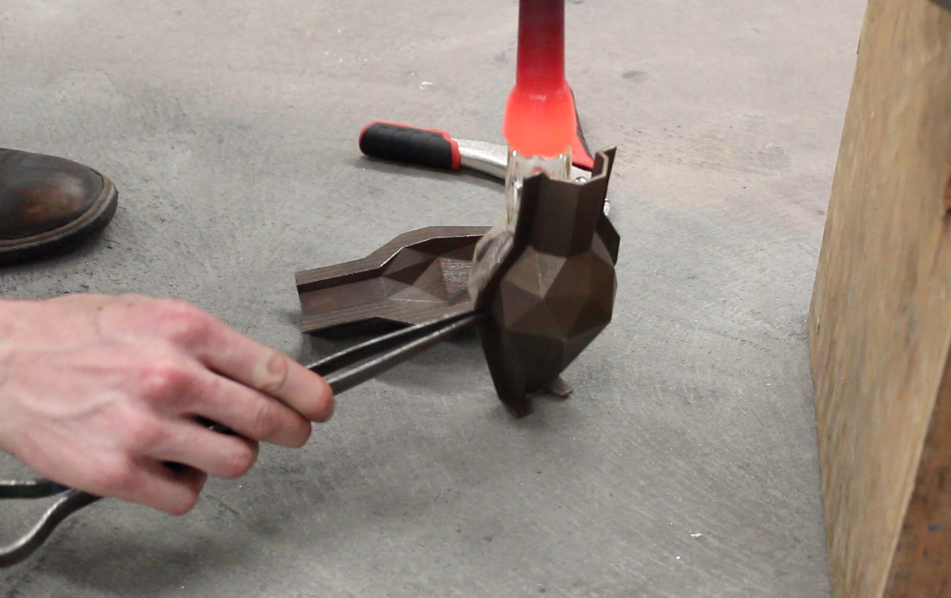
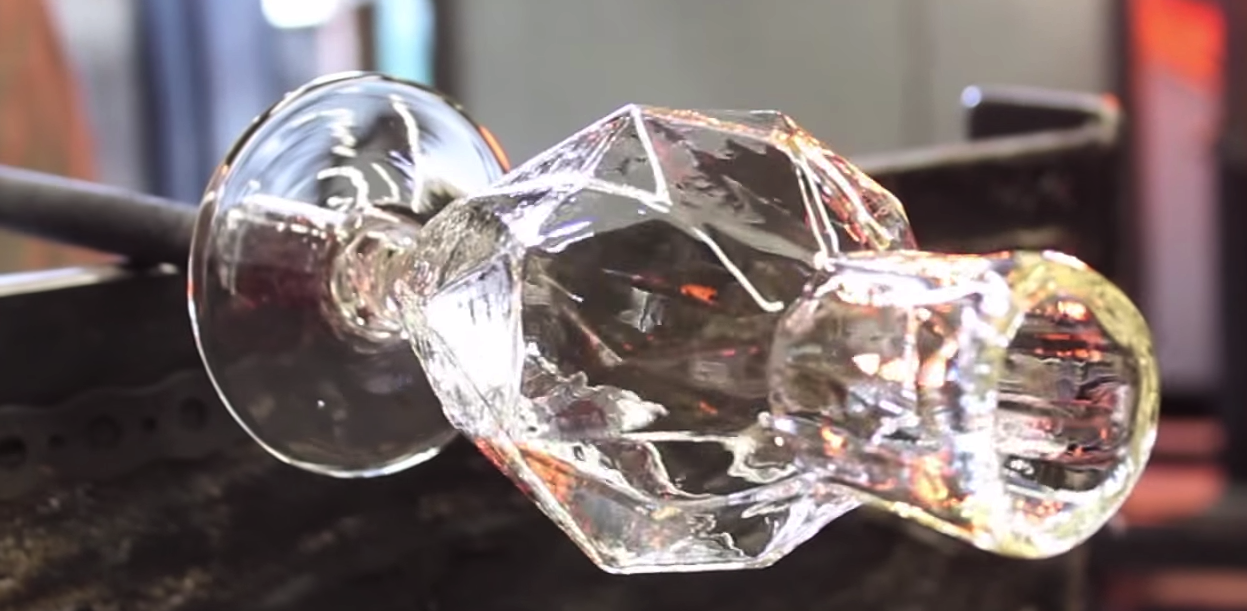
The tools and methods of any particular process leave their own unique impression upon the final product. In this case, it is possible to see the fine layer lines created in the 3D printed mold in the glass itself, leaving a ‘fingerprint’ by which its process of creation could always be detected. Belliveau isn’t the first one to experiment with mass artisanal production:
“The background for this project was my interest in old Roman mold-blown glass which goes back to about 100 CE. One of the first brand-name artists, Ennion, was renowned from making these mold blow pieces in super sharp detail – always with his name pressed into it – which allowed for the pieces to be made very fast and repeatable.”
As further inspiration, he took a trip to New York to view some of his predecessor’s work at the Metropolitan Museum of Art. For more of his work, check out his website and for a chuckle, make sure you read the FAQs.
Subscribe to Our Email Newsletter
Stay up-to-date on all the latest news from the 3D printing industry and receive information and offers from third party vendors.
Print Services
Upload your 3D Models and get them printed quickly and efficiently.











You May Also Like
3D Printing News Briefs, November 6, 2025: Filament Drying, Personalized Medicines, Cricket Arm Guard, & More
In today’s 3D Printing News Briefs, Thought3D has upgraded its filament drying system. Moving on to dental and medical news, LuxCreo received a strategic investment to help develop next-generation 3D...
3D Printing Financials: Another Strong Quarter for Materialise’s Medical Segment — and a New Brussels Listing
See the addendum to this article for an update from October 30, 2025. Materialise (Nasdaq: MTLS) reported its third-quarter 2025 results, remaining profitable with positive cash flow despite weaker performance...
A Circular Way to Print: Turning Tornado Fighter Jets Into 3D Printing Powder
In a lab in Lancashire, engineers are doing something that sounds almost poetic: turning pieces of retired fighter jets into raw material for the next generation of aircraft. British company...
Atlanta VA First in U.S. Veterans Health Care System to Offer 3D Printed Casts & Splints
The potential for additive manufacturing (AM) in the military is by no means limited to applications like propulsion hardware, drones, and explosives. 3D printed medical devices, for instance, have attracted...