3D Printing is About to Get Even More ‘Conductive’ with Graphene 3D Lab Doubling Production Capacity


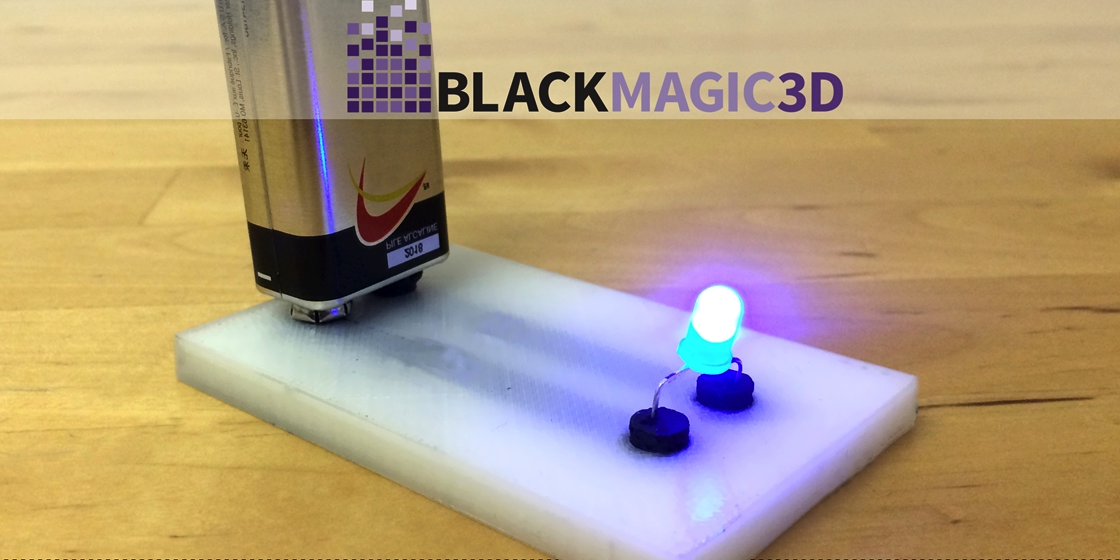 With the 3D printing materials space expanding each and everyday, it’s those companies which are willing to spend capital resources to expand their presence that will ultimately win out in a market that is suddenly becoming quite crowded. When we talk about the various materials available within the desktop FFF/FDM 3D printing space, one company that has stood out recently is Graphene 3D Lab (OTCQB:GPHBF).
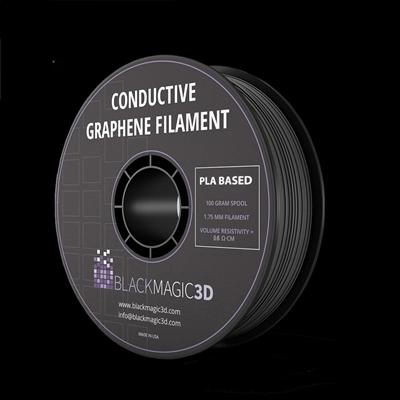 Back in January, the company announced that they would begin industrial scale production of graphene 3D printer filament. The significance of this announcement was the fact that the availability of this material would mean that the desktop 3D printing space would suddenly be presented with a super conductive 3D printable material that would ultimately allow for the 3D printing of electronics. In March, the company officially launched BlackMagic3D filament, which is the official brand name for their graphene 3D printing material.
Apparently things have been going quite well for Graphene 3D Lab, as today they announce that they have received additional extrusion equipment which will allow them to double the potential production capacity of their functional filaments, which include the conductive BlackMagic3D material.
“This new extrusion equipment will help us to meet the increasing demand for our conductive filament,” Dr. Daniel Stolyarov, CEO of Graphene 3D explained. “The extra manufacturing capacity will also allow us to move forward with production of new specialty materials. We anticipate releasing at least three new materials in 2015.”

It will certainly be interesting to follow Graphene 3D in the coming months as they release even more unique material options. BlackMagic3D filament has already allowed for individuals and businesses to 3D print objects which require electrical components, conductive traces and touch sensors, such as those found in trackpads, video game controllers and switches. Undoubtedly 3D printing is headed in a direction that brings the technology closer to allowing individuals to create end-use products that are just as capable as products produced by other more traditional means of manufacturing. It is allowing these individuals to manufacture their own goods, and surely we will only see this idea of self manufacturing continue to increase as time goes by. Graphene 3D Lab will, without a doubt, play a major roll in this evolution, or perhaps we should say, “revolution”.
What do you think about Graphene 3D Lab expanding their manufacturing capabilities? Do you foresee a future where individuals 3D print their own electronics? How soon before we begin seeing a more mainstream adoption of this technology? Discuss in the Graphene 3D Lab forum thread on 3DPB.com.
Subscribe to Our Email Newsletter
Stay up-to-date on all the latest news from the 3D printing industry and receive information and offers from third party vendors.
Print Services
Upload your 3D Models and get them printed quickly and efficiently.













You May Also Like
3D Printing News Briefs, June 18, 2026: Reseller, Relocation, Metal Space Powder, & More
We’ll start with business news in today’s 3D Printing News Briefs, as XJet appointed a value-added reseller in Germany, BIO INX is expanding its presence in the Italian market, and...
Scientists Use BMF to 3D Print Seal Whiskers That Track Prey Long After It’s Gone
Seals use their whiskers to hunt. Not Navy Seals, although they may in some way also, but this article is about lowercase seals. Not Seal the musician either; as far...
Researchers Combine AI and Bioprinting to Create Tiny Blood Vessel Networks
If 2026 has a theme in bioprinting, it may be blood vessels. Researchers can already print incredibly sophisticated tissues. The harder part is keeping those tissues alive. Without a network...
University of Arkansas Researchers Test Metal 3D Printing in a Mars-Like Atmosphere
If humans eventually establish a long-term presence on Mars, they will face a major manufacturing challenge almost immediately. Tools will break. Parts will wear out. Equipment will need repairs. But...