Spyder 3D World & 3DPonics Make a Leap Towards Fresh Produce With 3D Printing

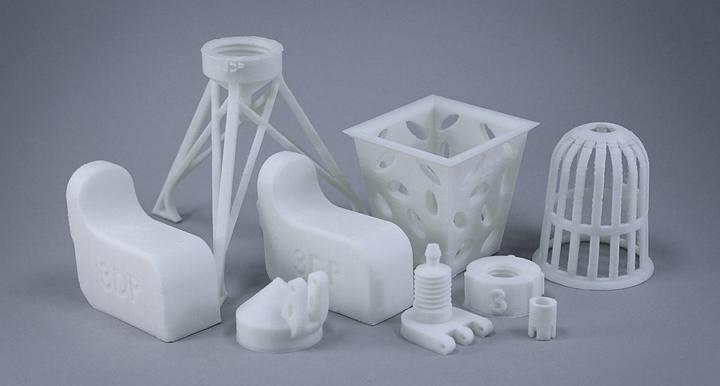 Spyder 3D World and 3DPonics have made what they call a “collaborative leap towards cultivating fresh produce in your home, and perhaps one day (for) space travelers.” The companies say by combining hydroponics and 3D printing, they hope to build a gateway to providing toxic-free agriculture for urban farming.
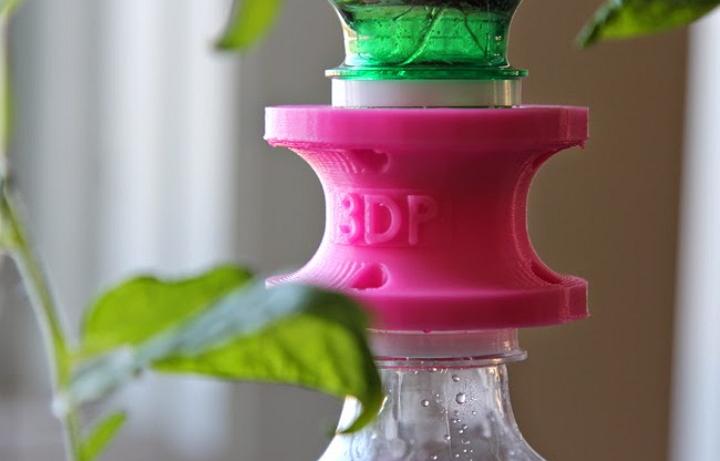
3Dponics, headquartered in Ottawa, Canada, is the developer of three hydroponic systems which can be 3D printed to create what they call an “at-home growing experience” through hydroponics. The system uses nutrient-rich water as a substitute for soil.
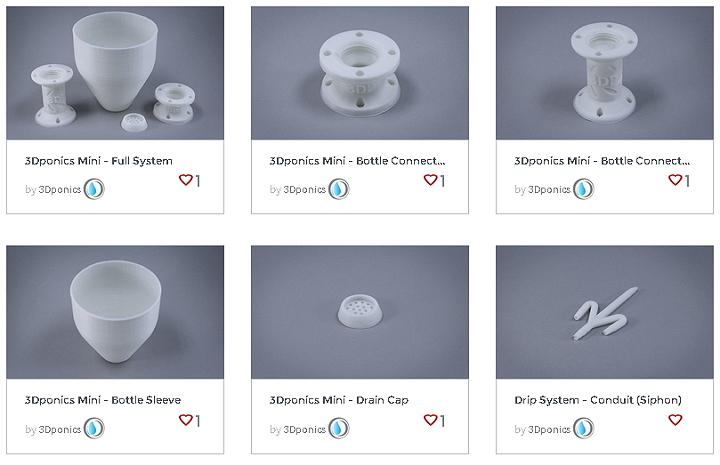
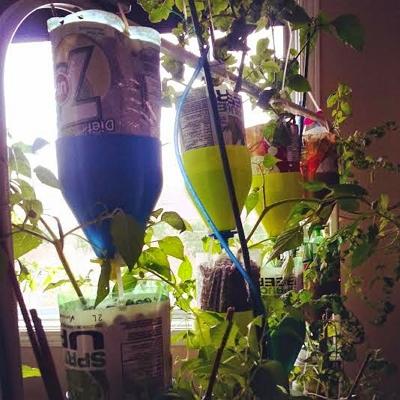 For their part in the project, the design and engineering team at Spyder 3D World remixed 3Dponics’ original designs. These enhancements were aimed at increasing print quality and speed, and they’re available through the Spyder 3D World site. That site is an online hub for home and professional 3D designers and enthusiasts. The new designs are being offered for free.
The CEO of 3DPonics, Michael Golubev, said the system can be no less than a revolution in the way foodstuffs are produced.
“With rising food costs and a desire for sustainability, hydroponics is the answer to numerous issues. By using 3D printing, we can also make these systems affordable,” Golubev says.
The companies say one key factor in their alliance was what they say is the importance and value of a technological revolution through publicly sharing, uploading, and collaborating on projects with those interested in innovation.
”This collaboration with 3Dponics opens a new avenue for individual manufacturing and 3D printing uses that provide people with much needed resources to improve their lives,” says Joe Bloomfield, the CEO of Spyder 3D World. “Small businesses have the power to share ideas – and make things better – by working together. This collaboration with 3Dponics is a perfect example of how 3D printing enthusiasts are making the entire community better.”
Both Spyder 3D and 3Dponics provide education, training courses and how-to lessons online. Using those materials, the companies say students can actively enhance their education using 3D printing.
The new designs, downloads, and instructional videos can be found, and are shared, through the Spyder 3D World community, and the 3Dponics systems can be output from a list of local resources via a directory on the site. Will you take advantage of this initiative to provide 3D printed hydroponic system designs from Spyder 3D World and 3DPonics? Let us know in the Spyder 3D World and 3DPonics forum thread on 3DPB.com.
Subscribe to Our Email Newsletter
Stay up-to-date on all the latest news from the 3D printing industry and receive information and offers from third party vendors.
Print Services
Upload your 3D Models and get them printed quickly and efficiently.












You May Also Like
Havaianas Collaborates with Zellerfeld to Launch 3D Printed Flip-Flops
The shoe of the summer is undoubtedly the flip-flop. Easy on, easy off, your feet won’t get sweaty because there’s not much material, and they’re available in a veritable rainbow...
UCLA Researchers Develop 3D Printed Pen that May Help Detect Parkinson’s Disease
Diagnosing Parkinson’s disease is difficult. Often, early symptoms of the progressive neurological condition may be overlooked, or mistaken for signs of aging. Early diagnosis can help save lives and improve...
Printing Money Episode 30: Q1 2025 Public 3D Printing Earnings Review with Troy Jensen, Cantor Fitzgerald
Printing Money is back with Episode 30, and it’s that quarterly time, so we are happy and thankful to welcome back Troy Jensen (Managing Director, Cantor Fitzgerald) to review the...
Heating Up: 3D Systems’ Scott Green Discusses 3D Printing’s Potential in the Data Center Industry
The relentless rise of NVIDIA, the steadily increasing pledges of major private and public investments in national infrastructure projects around the world, and the general cultural obsession with AI have...