Formfutura Releases New EasyWood Filaments Featuring Authentic Smell & Texture


 While the 3D printer is the mechanism that gets makers where they want to go as the end result of what can sometimes be hours, weeks, or even months of working on a specific design or invention, this machine is a furnace that must be fed. It’s got to have the fuel to produce the rewards of your genius concepts, and that comes by way of filament–which today is an exciting marketplace full of innovation and exciting new products and textiles to peruse.
3D printing with wood is still an area where manufacturers are breaking ground, as 3D printing enthusiasts look on with interest and begin experimenting with the products that allow them to break out of the traditional methods of designing, prototyping, and manufacturing, making items like figurines and products with interlocking pieces. Using wood filament and the technology of 3D printing allows makers to break away from the constraints of traditional woodworking, experiencing a new world of creative freedom.
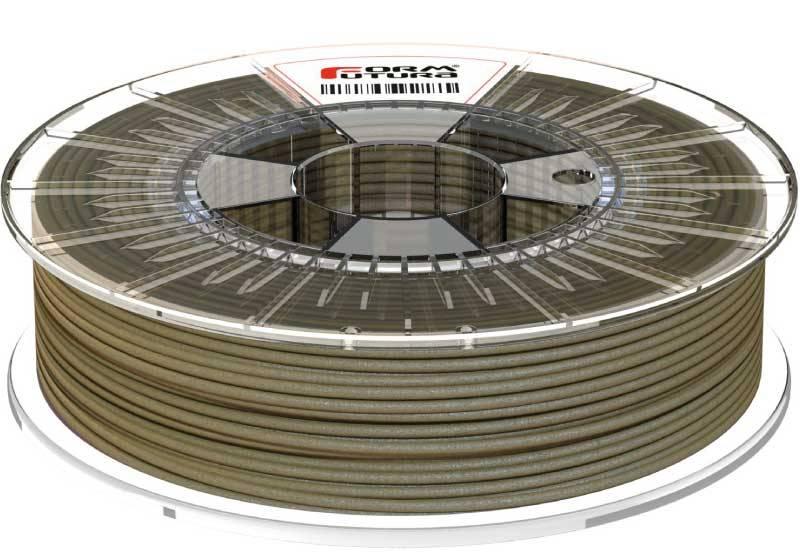
Easywood Olive 3D printing wood filament by Formfutura
Formfutura is promoting that artistic and industrial design freedom on a continual basis with EasyWood, their 3D printing wood filament which even smells like the real thing. Today they are announcing two new materials, which will be added to their lineup of fantastic materials worth trying out if you are into 3D printing with wood. Offering the filament in varied options, EasyWood allows you to choose from:
- Coconut – a ‘dark tropical brown’ wood filament that is exceptionally water- and weather-resistant.
- Ebony – a ‘colonial dark brown’ wood filament which allows users to manufacture 3D printed wooden objects resulting in a complex black/brownish appearance.
- Olive – a ‘brown greenish’ wood filament which allows users to 3D print models that feature a moss-covered appearance.
The real wood smell of this amazing 3D printer filament, as well as the texture, comes from the blend of modified binding polymers and nearly 40% ground wood particles. This specific combination allows for a high quality, along with wood filaments that allow for easy printing and great results. One of the benefits of the wood filament is that it has a low shrinkage factor, which means that users experience virtually no warping and it can be used without the need for a heated print bed. It also offers excellent first- and inter-layer adhesion, as well as easy post-processing using fine grit sandpaper so that you can lighten shades.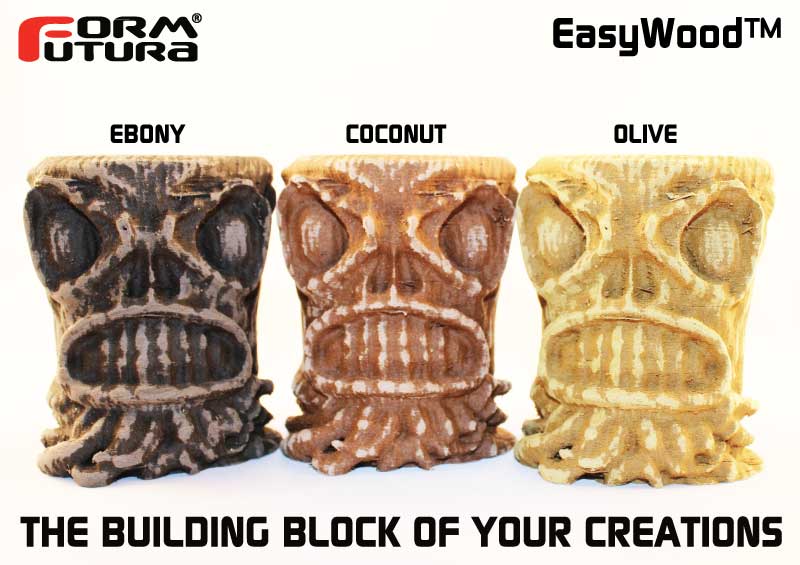
These wood 3D printing filaments will be available for trial at GlobalFSD, a 3D filament ‘sample depot,’ allowing you to try out different materials that are relevant to your making needs. This process allows you to ‘try before you buy,’ meaning you only have to invest a small amount before giving the green light on a project. They offer 5- and 10-meter samples at minimal prices.
Have you been experimenting with 3D printing in wood? If so, do you find that it’s much more enjoyable and beneficial than traditional woodworking, or do you prefer a combination of the two as they complement one another? Discuss in the EasyWood New 3D Printing Wood Filaments forum over at 3DPB.com.
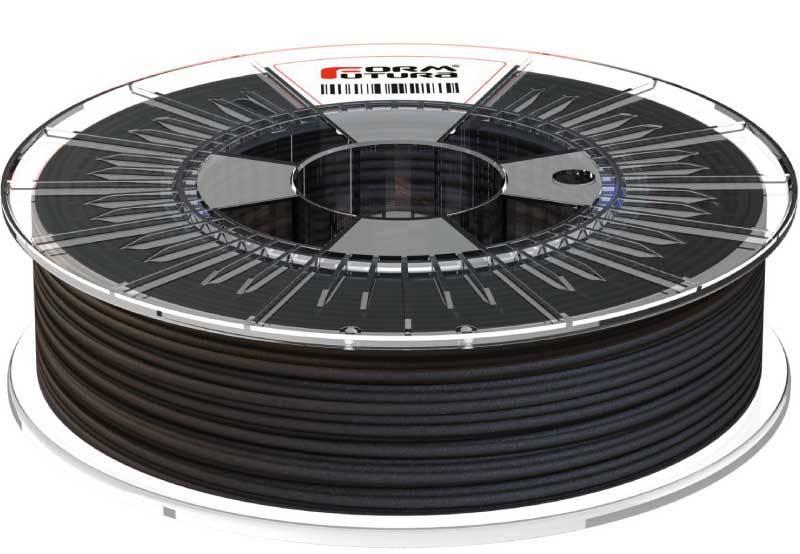
EasyWood Ebony
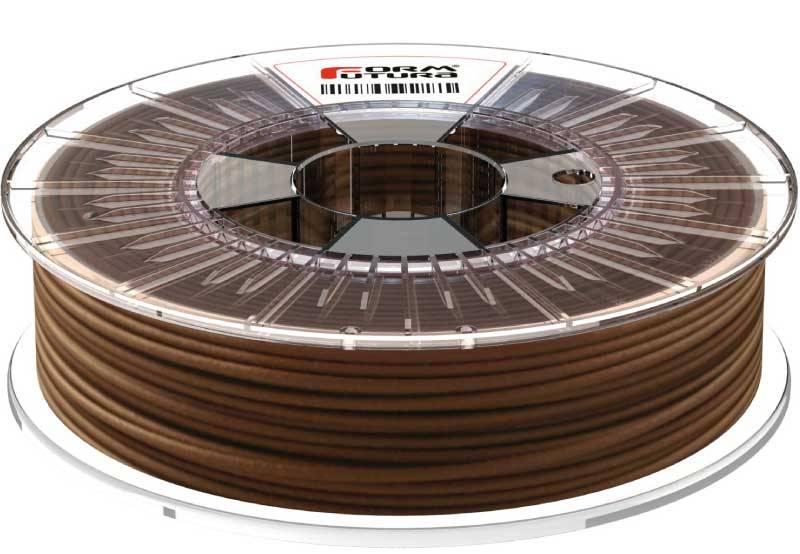
EasyWood Coconut
Subscribe to Our Email Newsletter
Stay up-to-date on all the latest news from the 3D printing industry and receive information and offers from third party vendors.
Print Services
Upload your 3D Models and get them printed quickly and efficiently.













You May Also Like
The Frankenservice Part 1: Print the Rainbow
So far, most service bureaus and manufacturing companies stick to what they know. Not only for OCD reasons, but gleaming lines of identical LPBF machines are also arrayed on impossibly...
Beyond the Machines: What Stood Out at Formnext Shenzhen 2026
Coming away from Formnext Asia Shenzhen 2026, my biggest takeaway wasn’t “how many new printers were unveiled”; after all, quite a few established traditional 3D printing brands didn’t show up....
3D Printing Financials: New Money Flows Into Medical, Industrial and AI 3D
Money continued to move into 3D printing in the second half of August. Hike Medical raised $22.5 million as it grows its 3D printed custom medical device business. Swiss additive...
3D Printing Financials: 6K Additive Sales Rise as Aerospace and Defense Demand Grows
6K Additive (ASX: 6KA) grew rapidly in the first half of 2026 as demand for its metal powders increased, particularly from aerospace and defense customers. The newly public company also...