College Student Creates 3D Printed Violin Bows Which Sound Amazing

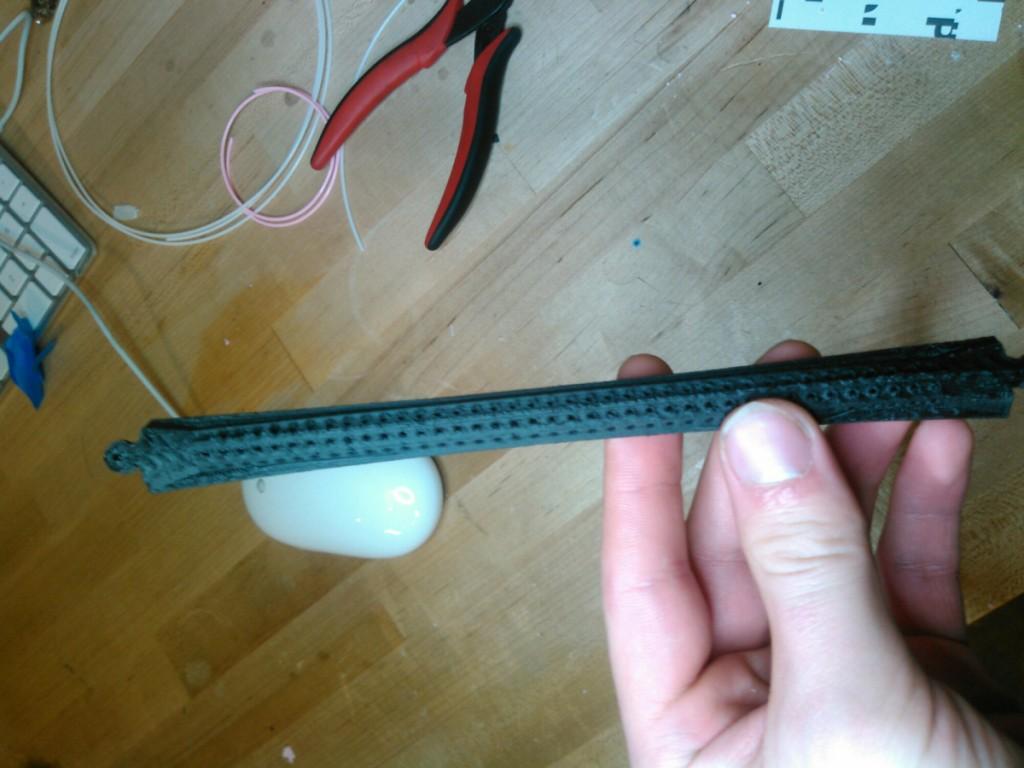
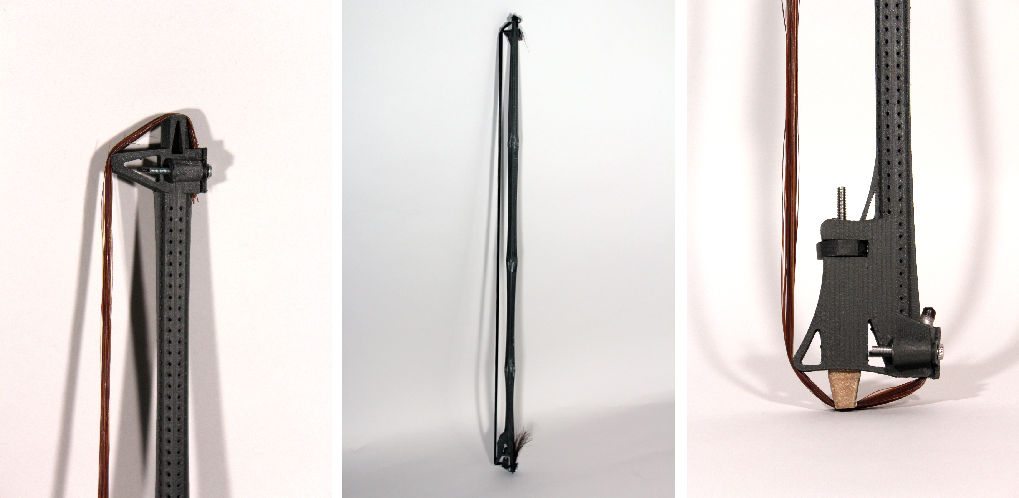
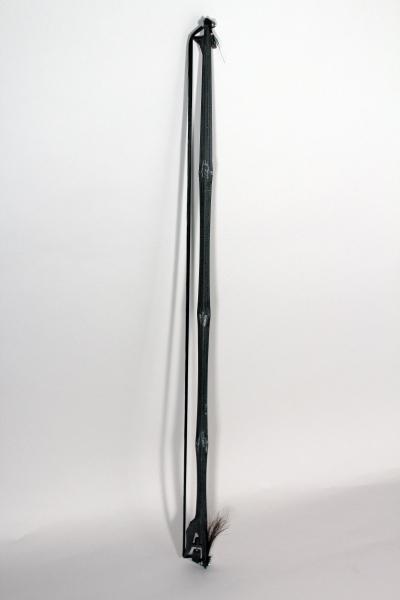 Classical musicians may soon be more involved with 3D printing than many of them had ever imagined. Austin Peppel, a senior in Environmental Design at the Maryland Institute College of Art, began exploring the ways in which the equipment used by classical musicians could be improved upon, or at least replicated, by the use of 3D printing. While others have been working on 3D printing the instruments themselves, such as the 3D printed cello we recently covered, Peppel focused on creating the bow.
The bow is an integral part of the quality of a stringed instrument’s performance. While designs have varied over time, the technique for manufacturing them has remained very much the same. This isn’t just a case of trying to do something in a new way simply for novelty’s sake, however. Peppel was interested in working on creating 3D printed bows for environmental and economic reasons as well.
Bows can be purchased inexpensively–but you get what you pay for. The sound from a $100 bow might cause you to question your devotion to stringed instruments. For a nicer off-the-shelf bow, you’re looking to spend at least $200, and if you want one that is customized you’d be starting at around $5,000. Add that to the price of the instrument, the strings, the rosin, etc. and you’re starting to see a significant amount of your budget disappear.
 Another factor to consider is the environmental impact of the bow. Traditionally, quality bows have been made from pernambuco, more commonly known as Brazilwood. The material is beautiful and works wonderfully, but even if money is no object, there is cause for concern because the species is endangered and there are currently no sustainable harvesting methods available.
The door to customization with a lowered environmental impact and a more affordable price tag is opened through the introduction of the 3D printed bow. As anyone who knows a musician will realize, though, none of that matters if the bow doesn’t live up to its traditionally produced counterpart. Peppel has had his bow tested by several very discerning violinists and it passes with flying colors.
“If it doesn’t sound the same, it’s too close for me to tell the difference,” Peppel says. “It may not be equal to a $5,000 bow yet, but it’s getting there. The real importance of the bow is giving the right amount of flex, and with the addition or removal of material, all of that can be controlled. “
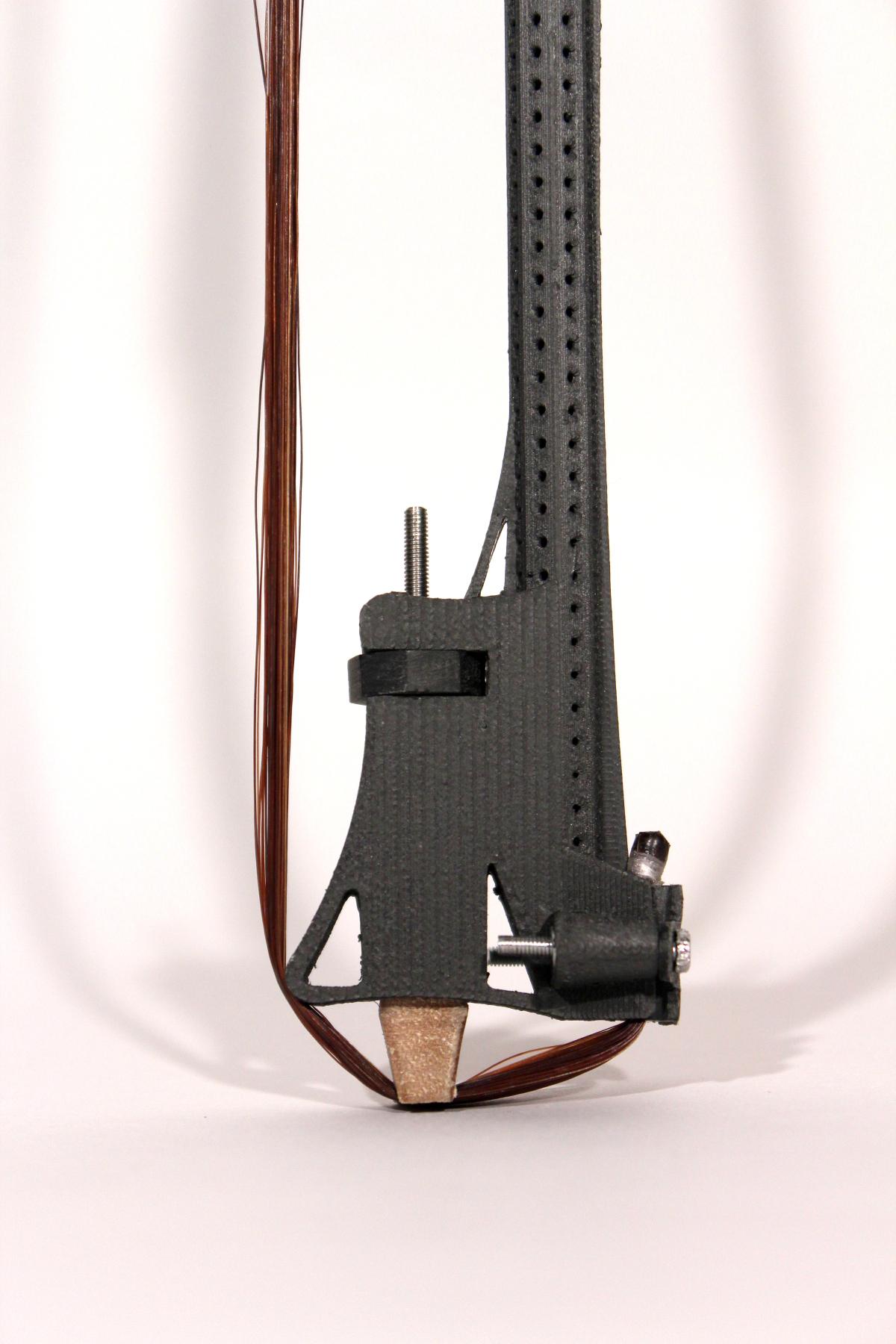
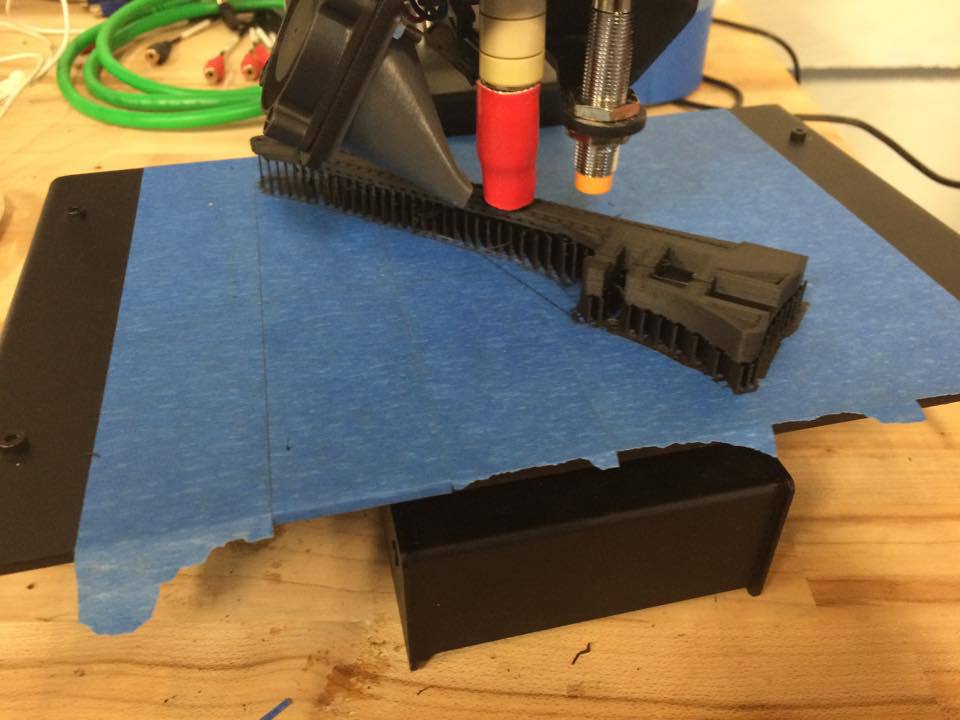
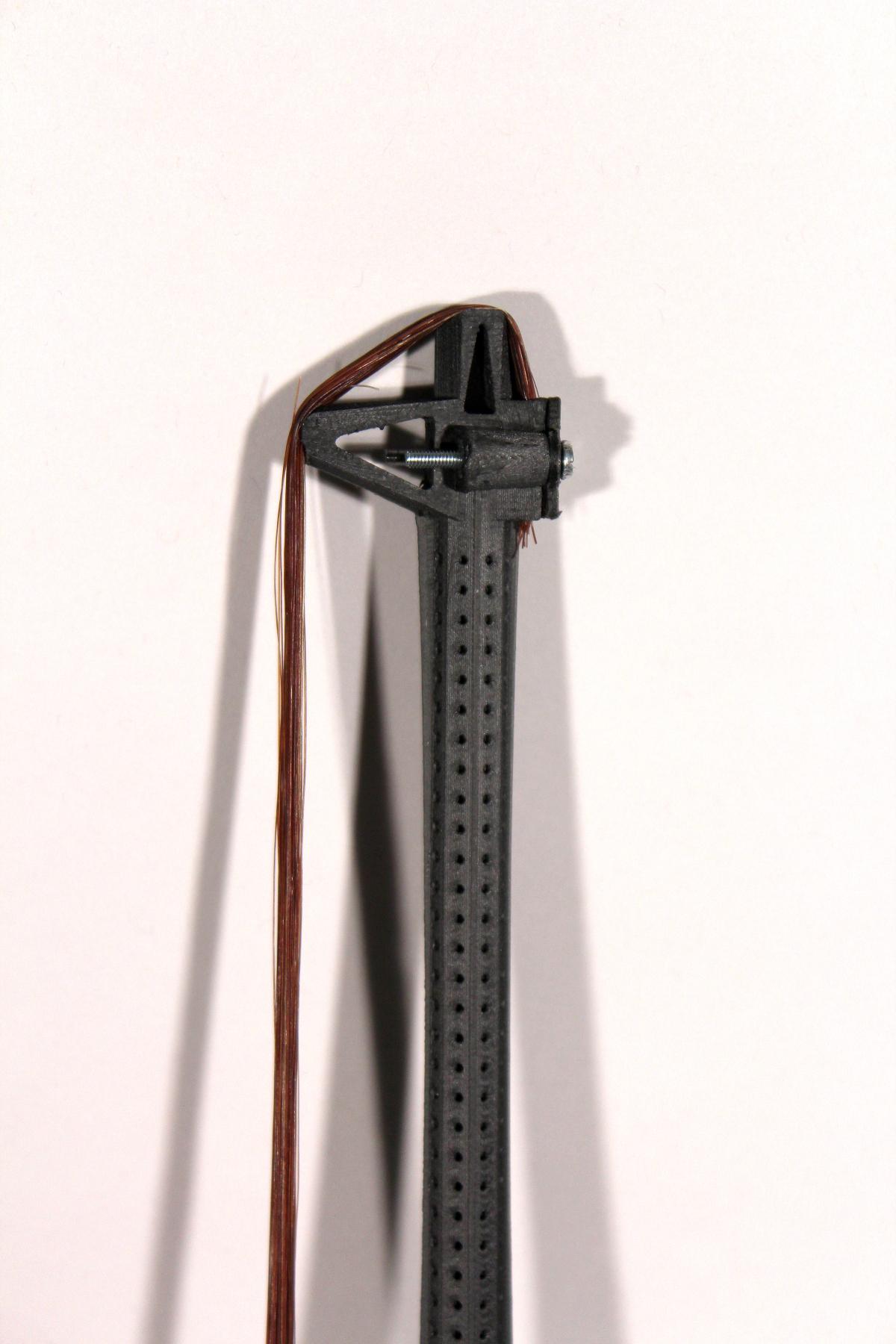 This isn’t his first effort. The bow demonstrated in the video is the result of two dozen iterations, each responding to feedback from actual violinists. Working in Rhino with the Grasshopper plugin as well as Andy Payne’s program, Monolith, he worked to understand the optimal topology. In addition, he was lucky enough to have access to some great minds like Paul Mirel from NASA and faculty members Ryan Hoover and Annete Couwenberg from MICA. He also discussed the idea at length with several luthiers who were helpful but didn’t believe that the project was realistic.
In order to make the shift from traditional assembly to one based on additive manufacturing, Peppel had to explore material, form, and structure as well as work within some practical constraints. Check out more of his bow process in his portfolio.
“I wanted it to be easy to assemble and to fit on the smallest standard bed, 150 x 150mm. That took a lot of trial and error,” he said. “I had to spend a lot of time addressing the issue of warping. If it’s not straight when put together, then when it is tightened, it will wobble all over the place. That’s one of the reasons I ended up with a PLA plastic.”
Listen to the sound in the video and judge for yourself. I think it sounds like the future. Do you agree? Let us know how you think it sounds in the 3D Printed Bow forum thread at 3DPB.com.
Subscribe to Our Email Newsletter
Stay up-to-date on all the latest news from the 3D printing industry and receive information and offers from third party vendors.
Print Services
Upload your 3D Models and get them printed quickly and efficiently.











You May Also Like
The Maritime Industrial Base is on Full Display at Additive Manufacturing Strategies 2026
2025 is the year that the AM ramp-up by the U.S. Maritime Industrial Base Program (MIB) became common knowledge throughout the industry. But everyone who attended AMS 2024 was already...
Metal Powder Works & Austal USA Form Partnership Surrounding US Navy 3D Printing
There are few companies that have been more integral than Austal USA to the U.S. Navy’s ongoing additive manufacturing (AM) buildup. Among other steps that the subsidiary of the Australian...
HII’s NXG 600E Order Shows Why Nikon Dominates Large Defense AM Systems
Huntington Ingalls Industries‘ (HII) Newport News Shipbuilding (NNS) unit has ordered a Nikon SLM Solutions NXG 600E. HII is a $11 billion revenue shipbuilder that builds the Gerald R. Ford-class...
New Materials and Curing Unit at Formlabs
Formlabs is showcasing new SLA materials and a new curing solution. The new Tough 1000 Resin, with a tensile modulus of 1000, a Tough 1500, and an improved Tough 2000...