
Stratasys (NASDAQ:SSYS) Reports Slightly Better Than Expected First Quarter 2015 Earnings

 With a deluge of negative news surrounding the 3D printing space, all eyes are on Eden Prairie, Minnesota-based Stratasys (NASDAQ:SSYS) this morning as they report their first quarter, 2015 earnings. Coming off a market shocker just under two weeks ago, where Stratasys issued preliminary results for the quarter, warning investors that the company will likely miss analysts’ expectations, lowering their full year guidance, and showing an 18% revenue decline for their subsidiary, MakerBot, investors now want to know just how bad this quarter has been.
Last week 3D Systems reported their earnings, which came in at about what analysts had been expecting. With that said the stock continued to fall, hitting new 52-week lows along with Stratasys. So what did this morning’s report offer the market? Pretty much what was expected.
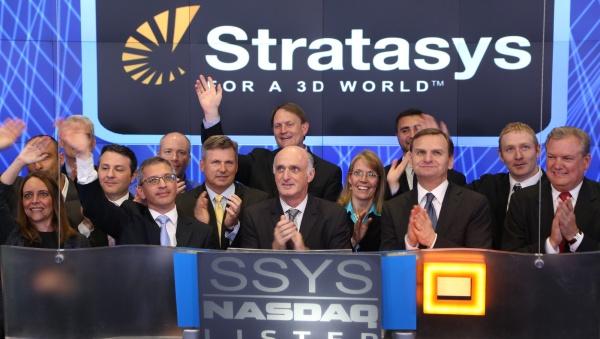
Stratasys reported earnings per share for the first quarter of $0.04, which was slightly better than the $0.03 per share average that analysts had been expecting. The company also slightly beat expectations on revenue, reporting $172.70 million for the quarter. Analysts had been expecting $172.60 million. Gross profit for the quarter ($46 million) fell well shy of last year’s first quarter in which the company reported a profit of $77.7 million.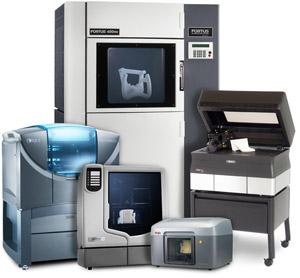
“We continue to see significant long-term opportunity in the 3D printing and additive manufacturing market,” David Reis, chief executive officer of Stratasys stated. “We believe we are offering a transformative alternative to conventional manufacturing, design and engineering processes, and maintain an attractive pipeline of future opportunities. Although we have modified our near-term operating and capital investment plans to align with softness in market conditions, we will remain focused on the future, and continue to execute on a multi-year investment plan designed to drive accelerated adoption of 3D printing solutions and increased sales growth.”
The company reported total sales of 3D printers for the quarter, both from their MakerBot consumer brand as well as their industrial scale line of machines, of 7,536, and has sold a total of 129,197 machines on a pro forma combined basis worldwide as of March 31st of this year.
As for guidance for the full year, 2015, Stratasys is expecting earnings per share to fall somewhere between $1.20 and $1.70. This is slightly above the analyst consensus of $1.40 per share. Additionally, the company is expecting revenues of between $800 and $860 million for the year, once again 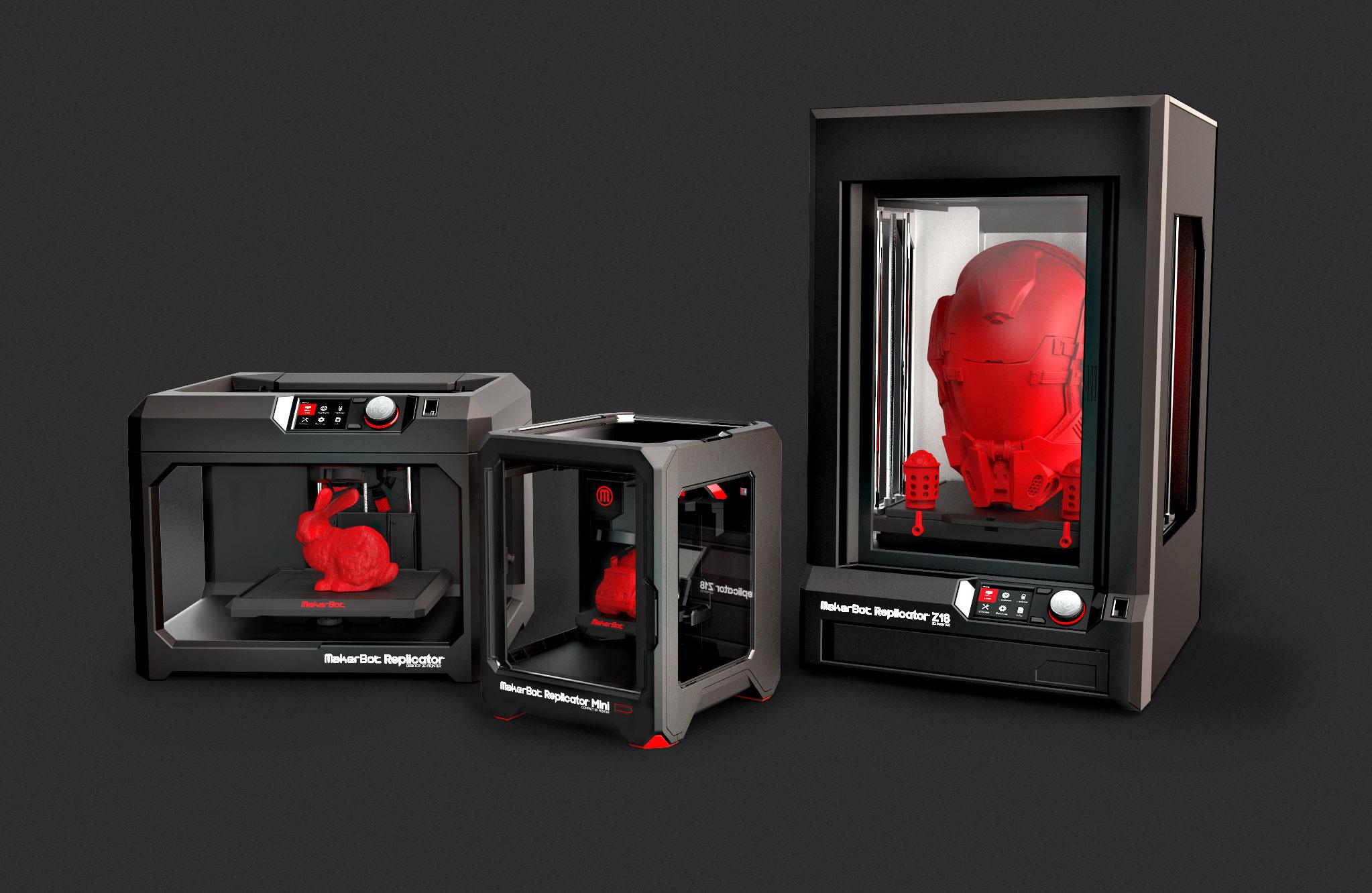 trumping analysts’ estimates of $826.17 million.
In early trading, the market seems to like what they’ve seen in this report. Shares of Stratasys are trading up $0.86 or 2.43% in the pre-market.
The next several quarters will be important to watch, as the company has made significant moves within their consumer targeted MakerBot division, cutting costs and further integrating the subsidiary into their main operations. Let’s hear your thoughts on this latest report in the Stratasys Q1 Earnings forum thread on 3DPB.com.
Subscribe to Our Email Newsletter
Stay up-to-date on all the latest news from the 3D printing industry and receive information and offers from third party vendors.
Print Services
Upload your 3D Models and get them printed quickly and efficiently.













You May Also Like
Kickstarter is Testing the Next Wave of Desktop 3D Printing
3D printers are raising serious money again…on Kickstarter, that is. Over the last few months, a new group of 3D printer campaigns has attracted millions of dollars and thousands of...
Stratasys vs. Bambu Lab: What’s Really Behind the $27.6M Patent Verdict?
Editor’s note: This is Part 1 of a two-part series by Xu Fanglei examining the technology and patent issues behind the Stratasys-Bambu Lab dispute. Part 1 looks at the U.S....
Bambu Lab and SUSAN FANG 3D Print for London Fashion Week
At London Fashion Week, some of the more unusual pieces on the runway came from 3D printers. Chinese fashion designer SUSAN FANG presented her Spring/Summer 2027 Air-Illusion collection at the...
Stratasys Wins $27.6M in Patent Case Against Bambu Lab; Bambu Challenges Verdict
Update, September 21, 2026: This article has been updated with a statement from Bambu Lab responding to the verdict, along with additional information about the company’s ongoing patent challenges against...























































