3D Printing Designer Creates Flexible Meso-Material Out of Rigid Filament

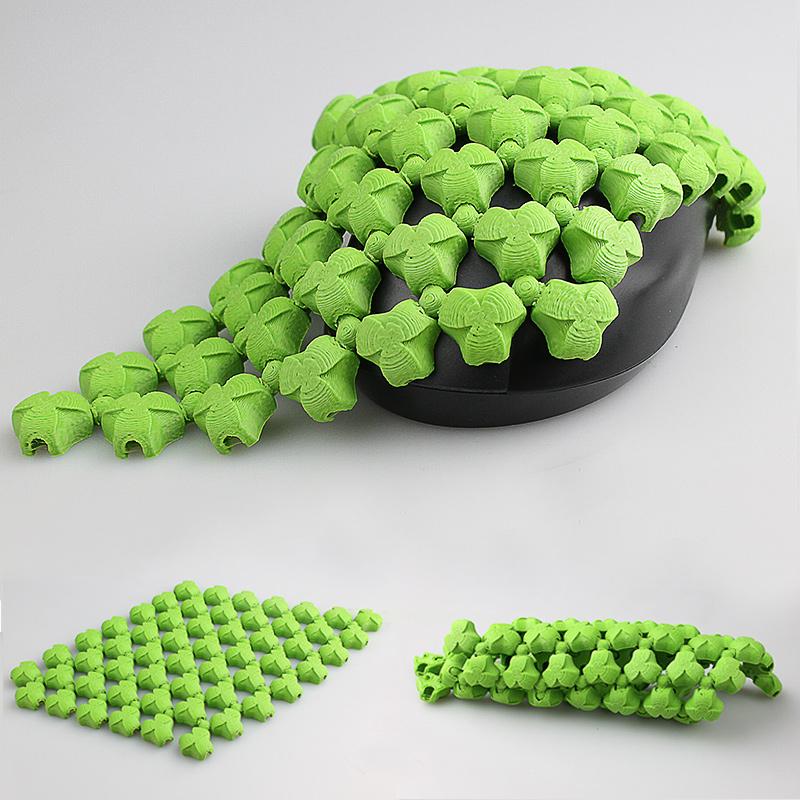
FLEX 2
When it comes to 3D printing, there are many large scale 3D printers capable of printing in a multitude of different materials. These materials range from extremely flexible, to very sturdy and stiff. Even on desktop 3D printers, there are hard plastics and flexible plastics, each providing for different textures, feels and uses.
However, flexible filaments are not always the answer to creating flexible products, especially when the designer is also looking to create a product that is also very strong.
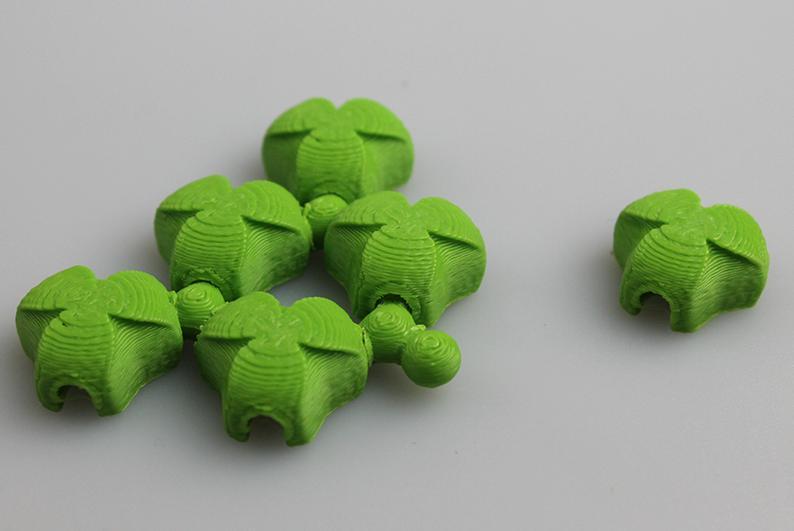
For one designer, named Cemal Çetinkaya (who also designed a part of another MyMiniFactory designer’s product), the options for printing flexible objects simply were not up to par, so he took it upon himself to design a way of making flexible objects out of rigid plastics such as ABS and PLA. In doing so, he came up with two products, which he calls FLEX 1 and FLEX 2. They are 3D printed meso-materials, which can be used to construct objects that must be strong and flexible.
“I am a product designer and I always aim to create innovative and aesthetic products with functionality,” Çetinkaya tells 3DPrint.com. “When I first started working in the 3D printing industry, I thought about how I could make this material strong and flexible at the same time, so that people could use this structure for a fashion or jewelry product. The idea of this product comes out of one basic geometry rule that three points always make a plane in space.”
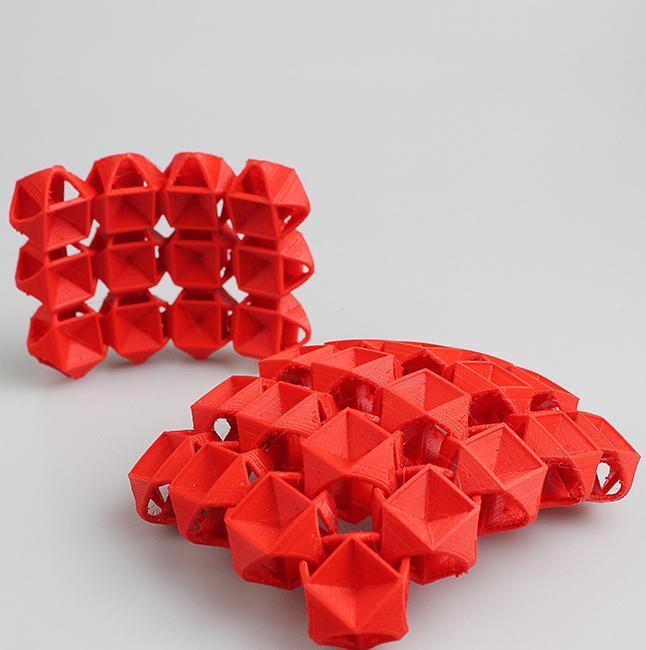
FLEX 1
As you will notice in Çetinkaya’s creations, all of the main parts are connected to each other at three points, in order to provide a strong, flexible plane. He designed both meso-materials (FLEX 1 and FLEX 2) so that they can be 3D printed without any needed support coming. They both are ready to be put to use right off of the print bed.
He hopes that these new creations lead to other designers coming up with different ideas in order to utilize his design.
“I want to inspire people in showing them what they are capable to doing using 3d printing,” Çetinkaya explains. “They can make lots of things and it depends on their imagination and creativity. The question is simple for me; what does this object want to be?”
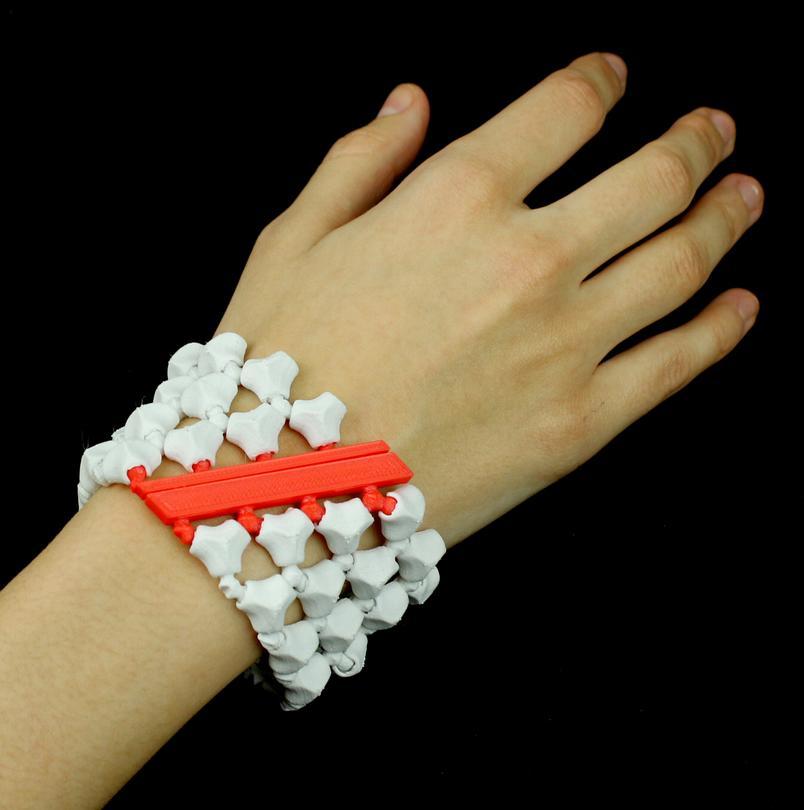 It can ultimately be whatever the designer can conceive, from jewelry pieces to clothing, to toys, games, or artistic designs. So far Çetinkaya has experimented with his flexible meso-material by creating a one-of-a-kind bracelet, which can be customized to fit any person’s wrist.
It is innovations like this that continue to help the 3D printing space progress, and designers like Çetinkaya who are aiding in its continual development.
What do you think about FLEX 1 and FLEX 2? What types of things do you think could be created using this 3D printed meso-material? Discuss in the 3D printed FLEX material forum thread on 3DPB.com.
Subscribe to Our Email Newsletter
Stay up-to-date on all the latest news from the 3D printing industry and receive information and offers from third party vendors.
Print Services
Upload your 3D Models and get them printed quickly and efficiently.













You May Also Like
HG Laser & The Overlooked Sources of China’s Advanced Manufacturing Strength
Chinese state-owned enterprise (SOE) HGTech (Huagong Tech) just reported that it achieved record revenue in H1 2026, amounting to just over $1 billion. The company credited the results to success...
3D Printed Electronics Specialist APES Joins Great Lakes Semiconductor’s First Innovation Funnel Project
Since Great Lakes Semiconductor (GLS) and Advanced Printed Electronic Solutions (APES) announced a strategic partnership earlier this year, I’ve been looking forward to hearing more about the collaboration, which the...
Let the Games Begin! Xi Throws Down the Advanced Manufacturing Gauntlet
Sangmin Lee went to TCT Asia back in March and reported on the event for 3DPrint.com. He wrote two articles arguing that China’s AM industry looks “ready to scale.” This...
TCT Shenzhen 2026 Preview: What 80+ Side Events Reveal About China’s AM Market
Exhibitor lists tell you who is investing in floor space. Conference programs can tell you something different: what the market is ready to talk about. That makes TCT Shenzhen 2026...