3D Printed Drug Delivery System Shows Promise in Countering Transplant Rejection

 There has been rapid progression seen in the technology used to 3D print live human cells. Over the last four to five years alone we have seen the technology go from only a concept to having several valuable applications. In fact Organovo is already selling 3D printed human liver tissue to the pharmaceutical industry for drug toxicity testing, with their ultimate goal being the 3D printing of entire human organs for transplant.
The advent of 3D printed organs would equate to tens of thousands of lives being saved, without relying on organ donors. Although we are still likely a decade or even more away from such procedures, organ transplantation is being attacked on another front as well, which is utilizing 3D printing.
Every year, thousands of individuals pass away or suffer major complications after undergoing a transplant. Whether it’s an organ or another part of the human body that’s being transplanted, the human immune system can oftentimes be a patient’s worst enemy. While a strong immune system protects us from disease, viruses, and bacteria, it also will attack any foreign body within the body, namely transplanted cells. Because of this, those who have received a transplant require immunosuppression therapy, which oftentimes can be extremely rough on the body.
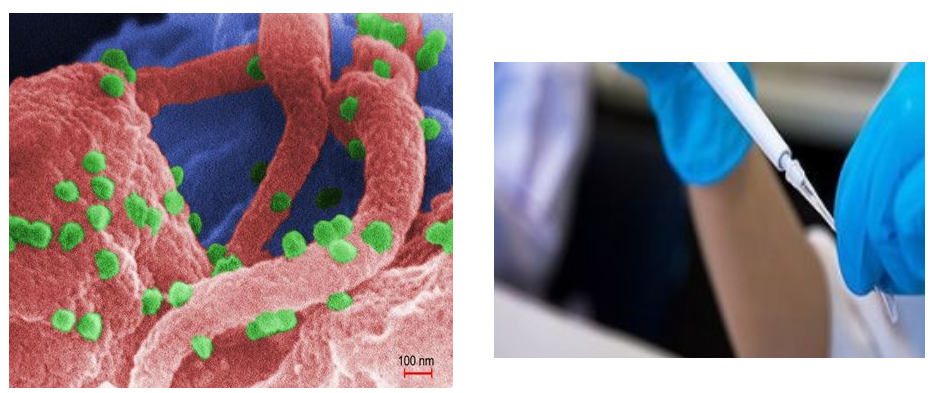
Researchers at Pohang University of Science and Technology (POSTECH) in South Korea believe they may have found a 3D printable solution that could increase the efficiency of immunosuppressive drugs such as cyclosporine A (CsA), while also ensuring that the drugs are delivered locally only, resulting in much fewer side effects.
“Our objective was to show the feasibility of using a subcutaneous 3D printed drug delivery system to achieve local and sustained CsA release and to investigate the local immunosuppressive effects of the CsA after cell transplantation,” said Dong-Woo Cho from POSTECH. “The improved load-bearing capacity of the combined microsphere and hydrogel system, and its ability to maintain its integrity and shape during the implantation period, helped to deliver a sustained CsA release, preventing the acceleration of the secretion of cytokines related to immune rejection.”
Currently the system has performed quite well in tests using animal models, outperforming previous tests for delivering drugs via microspheres (tiny biodegradable drug capsules) or hydrogels. During these tests, the microspheres usually ended up migrating from the local site requiring the medication to surrounding organs, causing potentially harmful damage.
“This research could be a fundamental study for overcoming existing cell transplantation limitations, mainly caused by systemic immuno-suppression,” wrote the researchers. “The benefit of the new 3D printed carrier system is that it provides local rather than systemic drug delivery. The carrier we developed could be a promising solution to treating several diseases that require cell-based therapy, such as muscular dystrophy, degenerative disc disease or myocardial infarction.”
It will be interesting to see how far and how quickly this research progresses, as there is a substantial window of use for such a system, at least prior to 3D printed, stem cell-spawned organs becoming readily available.
Let’s hear your thoughts on this research in the 3D Printed Drug Delivering System forum thread on 3DPB.com.
Subscribe to Our Email Newsletter
Stay up-to-date on all the latest news from the 3D printing industry and receive information and offers from third party vendors.
Print Services
Upload your 3D Models and get them printed quickly and efficiently.











You May Also Like
ASTM International Works with UK MoD on America Makes Project
The UK Ministry of Defense (MoD) will work with ASTM International on a $1.1 million project to let it work in closer concert with the US Department of War (DoW)....
UK Government Funds Research to Develop 3D Printed Metal Alloys for Nuclear Fusion
The UK Atomic Energy Authority (UKAEA), a government-funded research organization, has demonstrated a persistent interest in developing metal additive manufacturing (AM) materials for nuclear fusion applications, including multiple phases of...
Top 10 3DPrint.com Stories of 2025: Kickstarter, Consumer Goods, Bankruptcy, & More
As Vanesa Listek wrote, last year was a major turning point for additive manufacturing (AM), as the industry is working to sort itself out. Customers want proven use cases and...
3D Printing Predictions 2026: Industrial Production & Polymer Additive Manufacturing
Polymer additive manufacturing is seeing less investment, attention, and disruption than metal additive manufacturing currently. Less crucial for defense needs, it has of late had far fewer new entrants. But,...