Japan’s Telecommunications Giant KDDI Launches 3D Printing Design Tool For Smartphone Cases

 What’s likely the number one thing printed by 3D printing enthusiasts when they get their first machine? Probably a smartphone case. They’re easy print, are fabricated in a short amount of time, and if the printing process messes up, you would barely have made a dent in your filament stockpile. With the enthusiasm inherent in the idea of 3D printing our own smartphone cases, it was only a matter of time before a major carrier would jump on board.
That’s just what Japan’s KDDI has done. Today, the telecommunications giant, partially owned by Kyocera and Toyota, with annual revenues eclipsing $40 billion, has announced their ‘3D Print Lab‘. What the lab enables KDDI’s customers to do, is take advantage of the customization capabilities of 3D printing in an affordable and fun way.

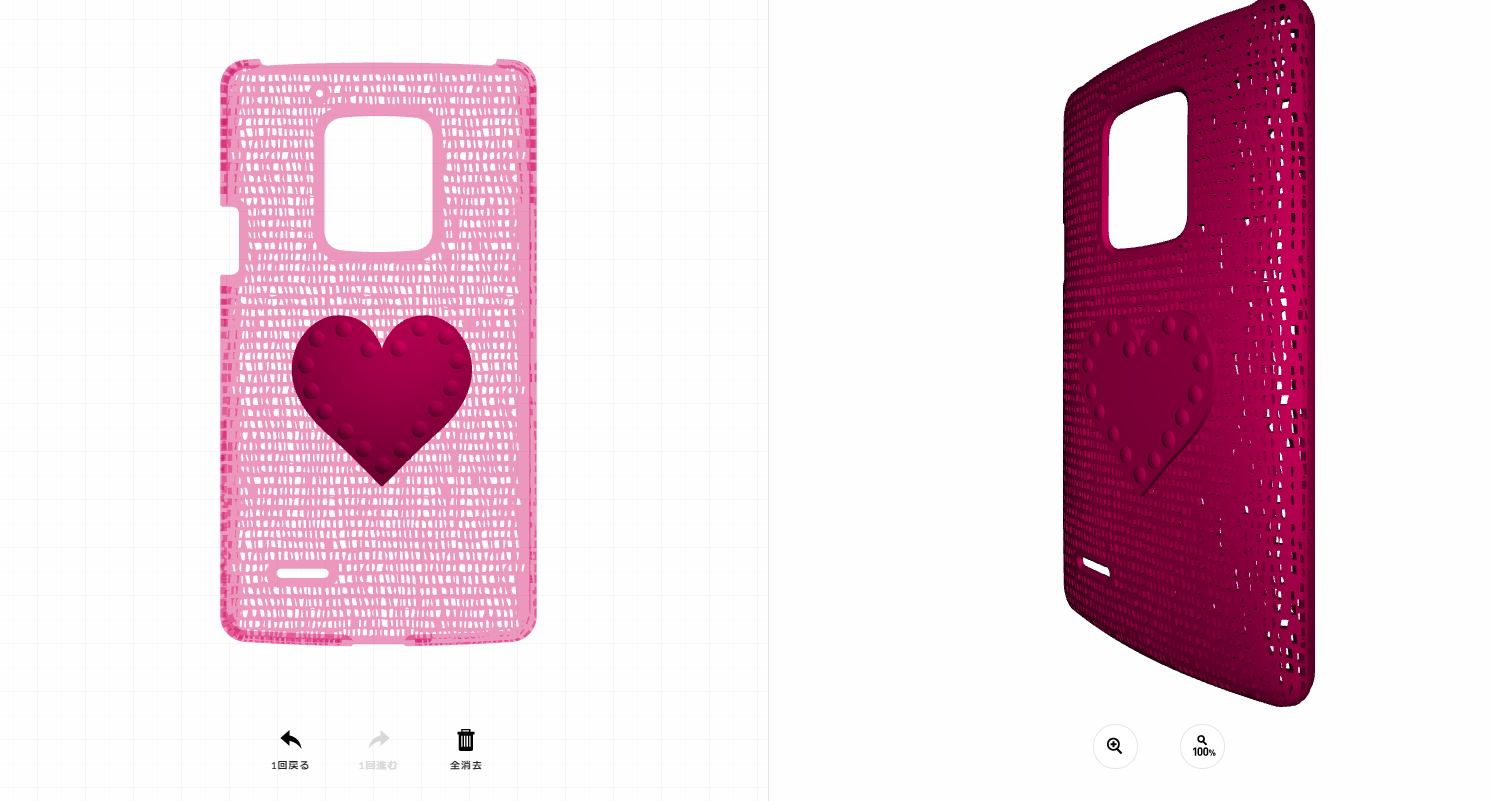
The 3D Print Lab is incredibly easy to use, and requires no 3D modeling skills, whatsoever. Within minutes, a customer can have a smartphone cover created after choosing from 80 different premade designs, in five different colors. If the user prefers to create his/her own custom design, that option is also available to them. The template designs are the creation of well-known designer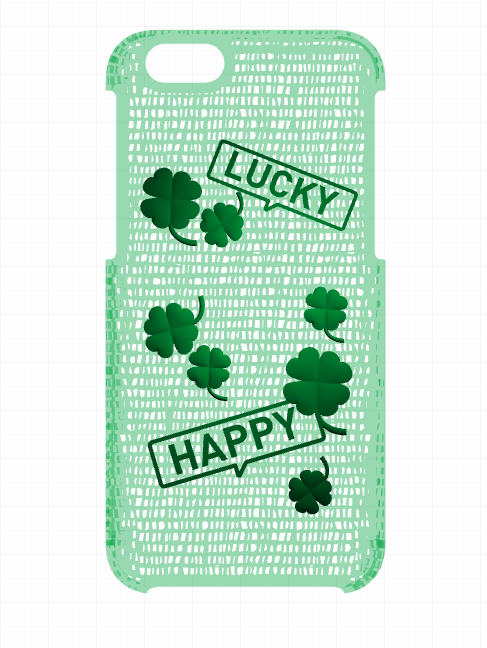 , Keita Suzuk and his team at the Product Design Center, based in Tokyo, Japan. I’ve personally given the web app a try and have to say it’s one of the most intuitive 3D modeling tools I’ve ever used.
Also impressive is the sheer number of phone models which are compatible with this tool. Even owners of some of the most obscure models to have recently hit the market can use this tool to create their own personalized cases. Some of the phone models available include the Xperia Z3 SOL26, Xperia Z1 SOL23, Xperia VL SOL21, HTC J butterfly, iPhone 6, iPhone5s, iPhone5 and iPhone4S.
Once a user chooses the phone they would like to create a case for, they are only a few simple clicks and drags of the mouse away from creating that perfect smartphone case that they can show off to their friends. Once the model is created, customers can pay approximately $34 to have the company 3D print it on a laser sintering machine out of a nylon powder material, and then ship it to their doorstep. Estimated delivery time is two weeks, and a KDDI password is required to order a case.
For those of you outside of the island nation of Japan, you will have to wait and hope that your carrier launches a similar creation tool soon. With this program sure to attract attention, it may only be a matter of time before the larger smartphone carriers throughout the remainder of the world adopt similar offerings. This news should play a major part in the continued mainstream adoption of 3D printing in Asia, as millions of Japanese people have just been introduced to this extraordinary technology.
Have you used the application? What are your thoughts? Discuss in the KDDI 3D Printing forum thread on 3DPB.com
Subscribe to Our Email Newsletter
Stay up-to-date on all the latest news from the 3D printing industry and receive information and offers from third party vendors.
Print Services
Upload your 3D Models and get them printed quickly and efficiently.













You May Also Like
Kickstarter is Testing the Next Wave of Desktop 3D Printing
3D printers are raising serious money again…on Kickstarter, that is. Over the last few months, a new group of 3D printer campaigns has attracted millions of dollars and thousands of...
Stratasys vs. Bambu Lab: What’s Really Behind the $27.6M Patent Verdict?
Editor’s note: This is Part 1 of a two-part series by Xu Fanglei examining the technology and patent issues behind the Stratasys-Bambu Lab dispute. Part 1 looks at the U.S....
Bambu Lab and SUSAN FANG 3D Print for London Fashion Week
At London Fashion Week, some of the more unusual pieces on the runway came from 3D printers. Chinese fashion designer SUSAN FANG presented her Spring/Summer 2027 Air-Illusion collection at the...
Stratasys Wins $27.6M in Patent Case Against Bambu Lab; Bambu Challenges Verdict
Update, September 21, 2026: This article has been updated with a statement from Bambu Lab responding to the verdict, along with additional information about the company’s ongoing patent challenges against...