Shanghai-based WinSun 3D Prints 6-Story Apartment Building and an Incredible Home


Back in April of last year, Shanghai, China-based WinSun Decoration Design Engineering Co. revealed what many believed was a hoax initially; 10 homes which were almost entirely 3D printed with a recycled concrete material. The company seemingly emerged from nowhere and surprised us all.
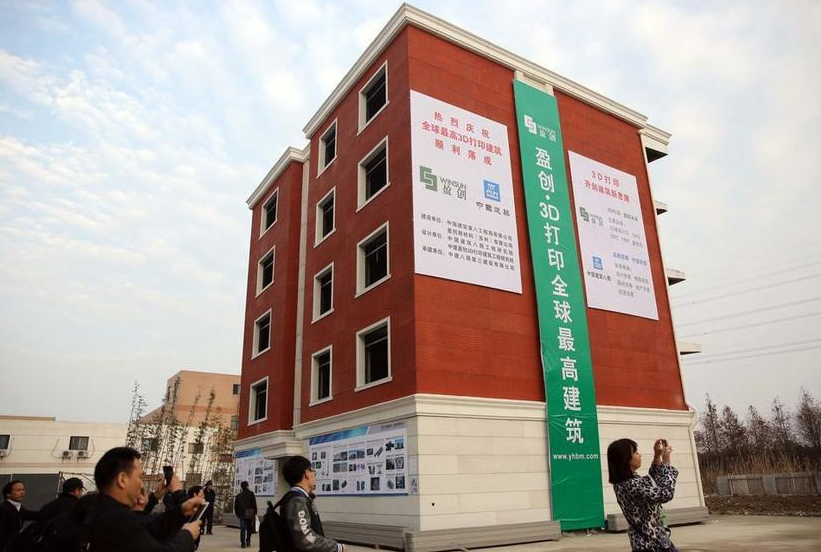
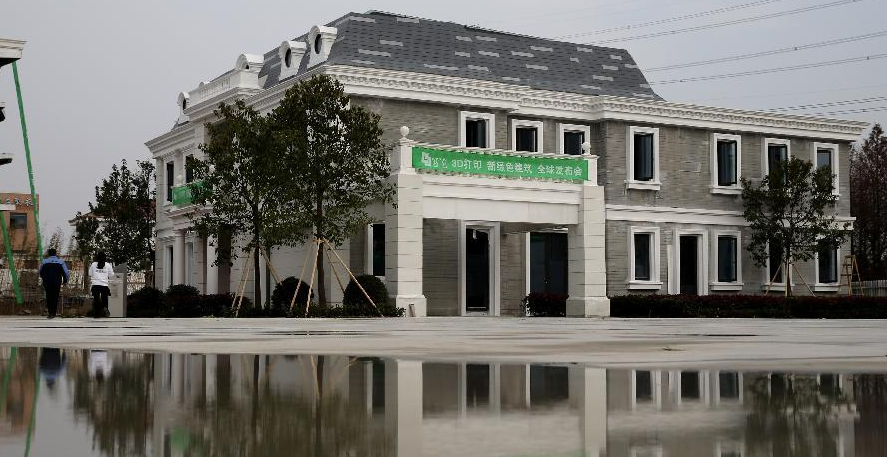
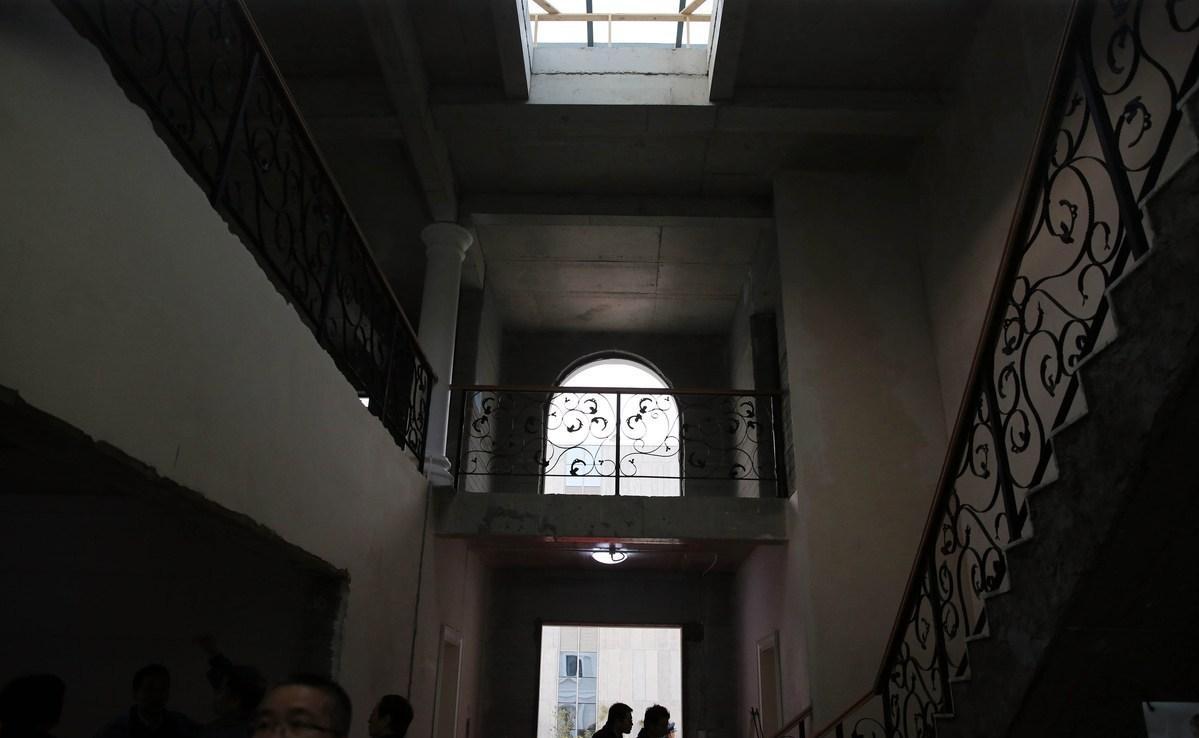
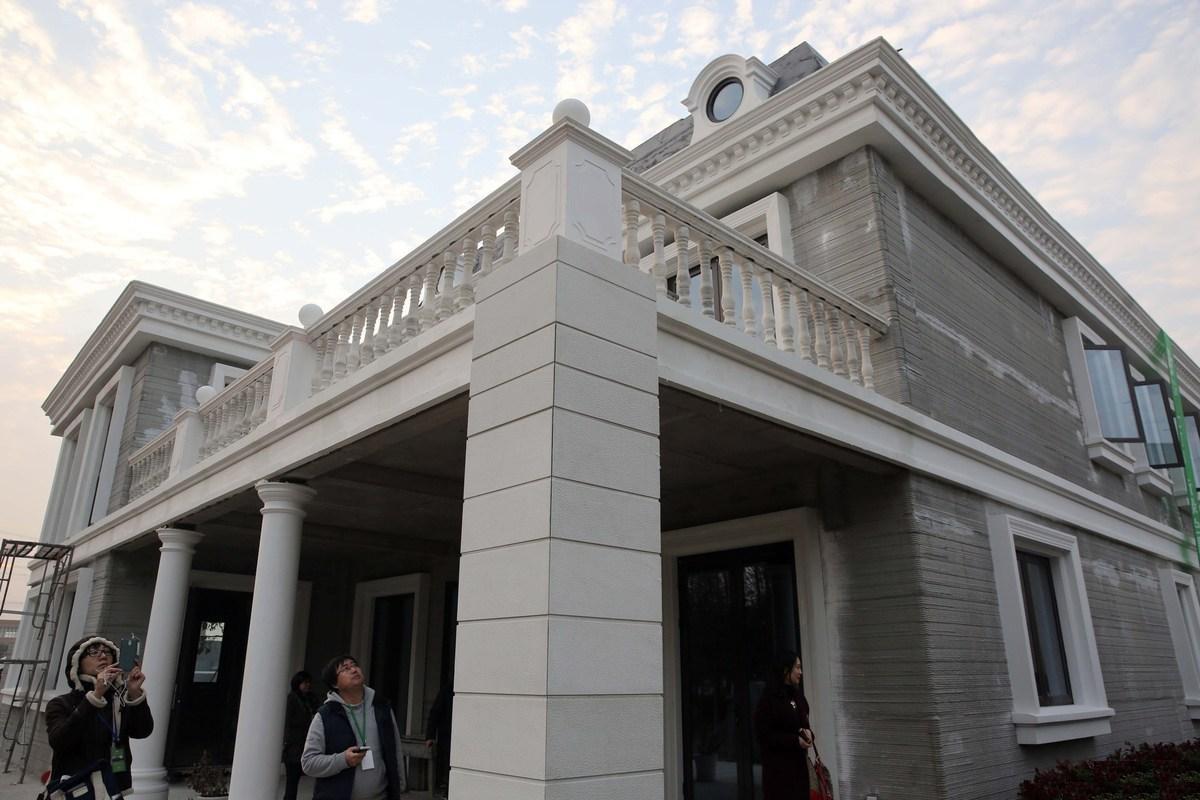
Well, today it was revealed that WinSun has made significant progress in their drive to 3D print livable homes and other structures. They have managed to 3D print an entire apartment building, consisting of 6 stories, as well as an impressive home, which certainly doesn’t appear to be 3D printed by any means. These structures were unveiled at the Suzhou Industrial Park, of east China’s Jiangsu Province, and the apartment building alone features a structure which is approximately 1,100 square meters in size.
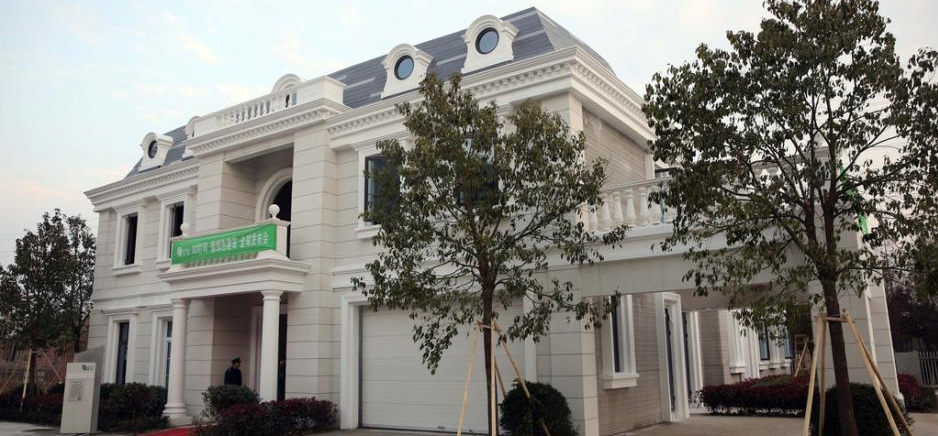
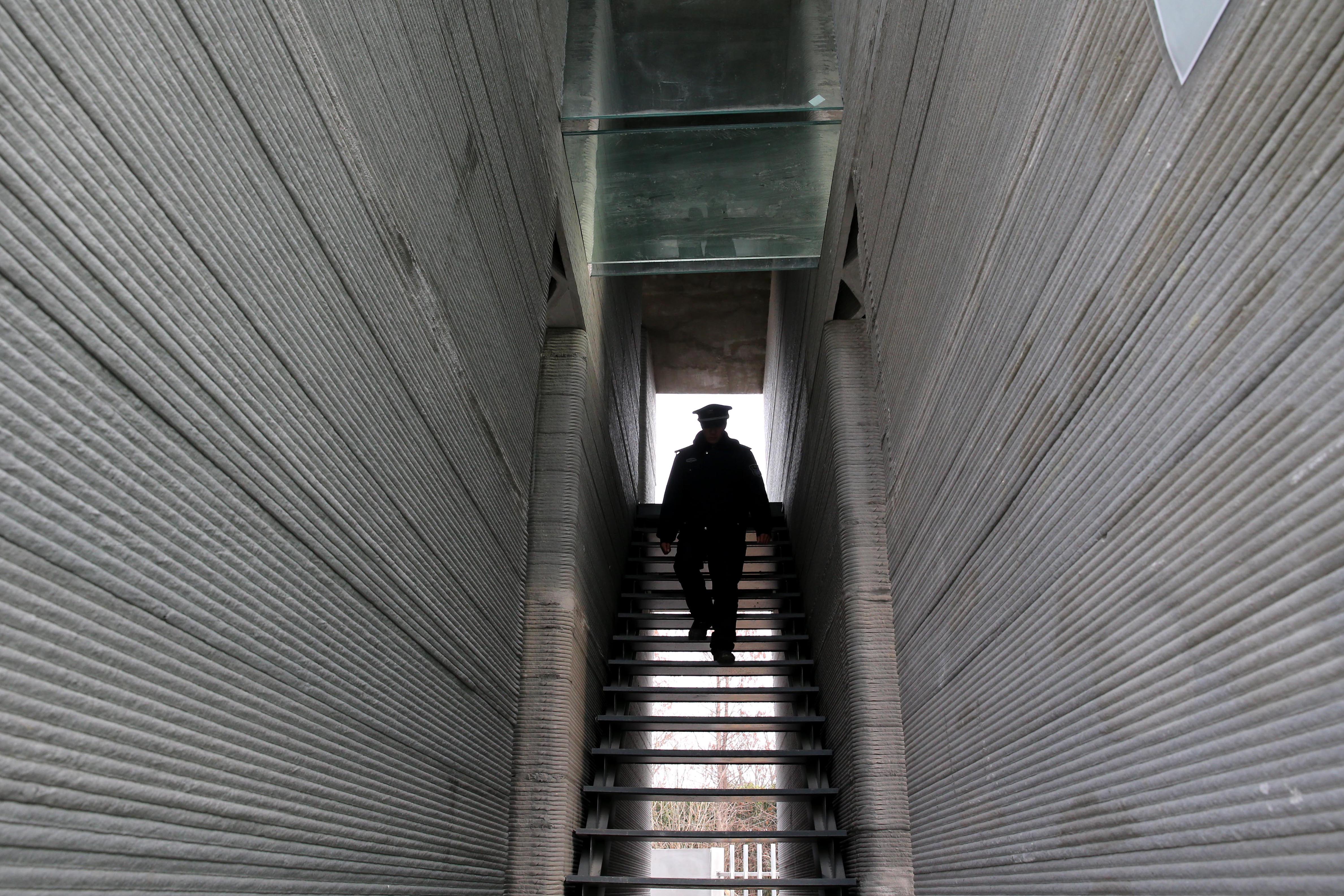
A stand-alone villa, which has been 3D printed
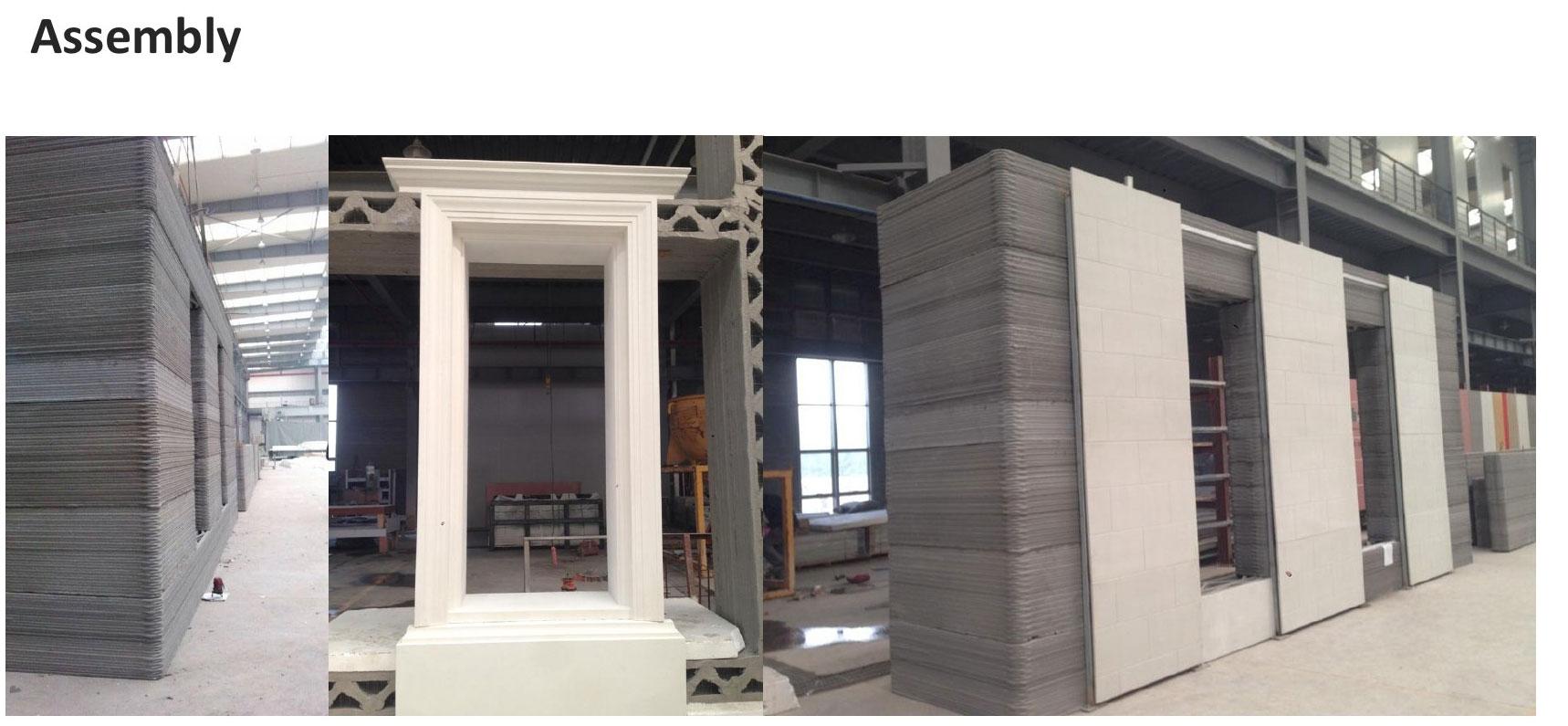
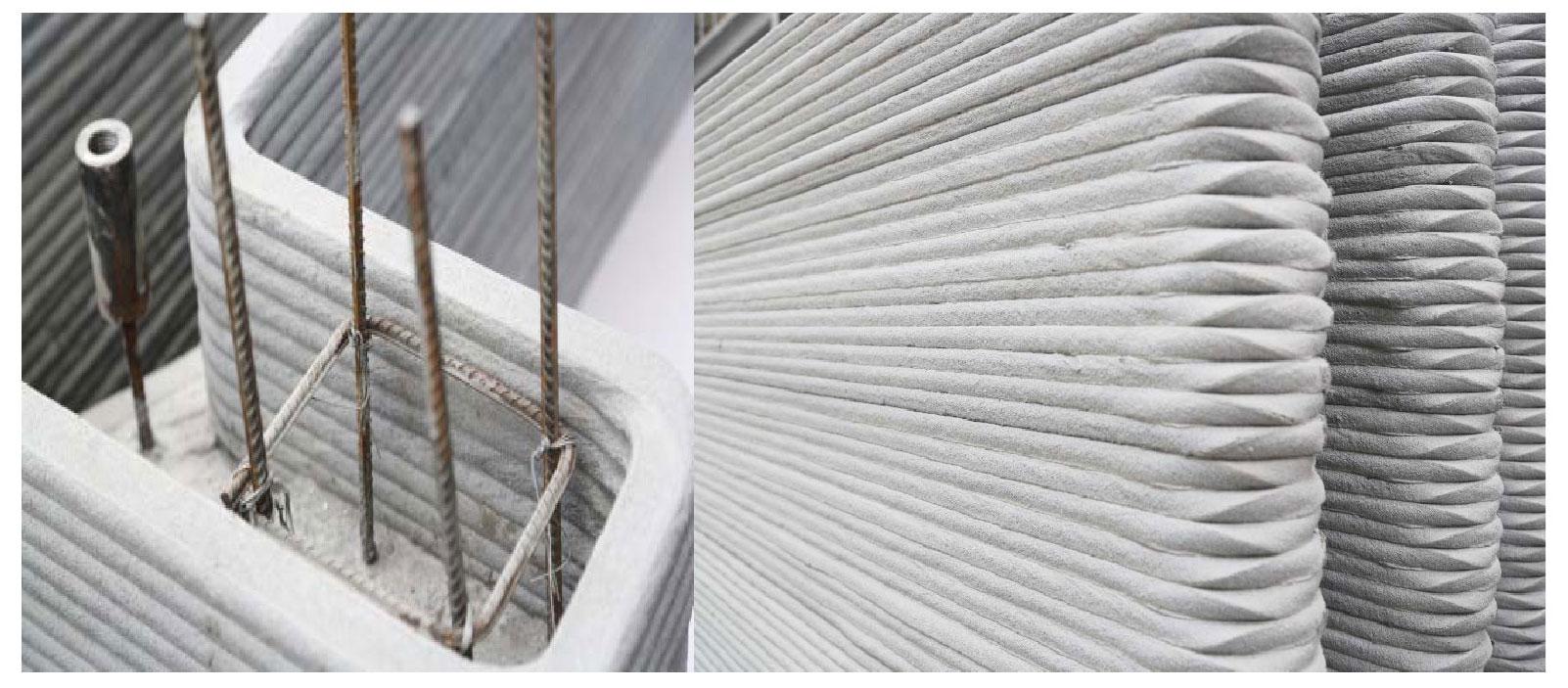
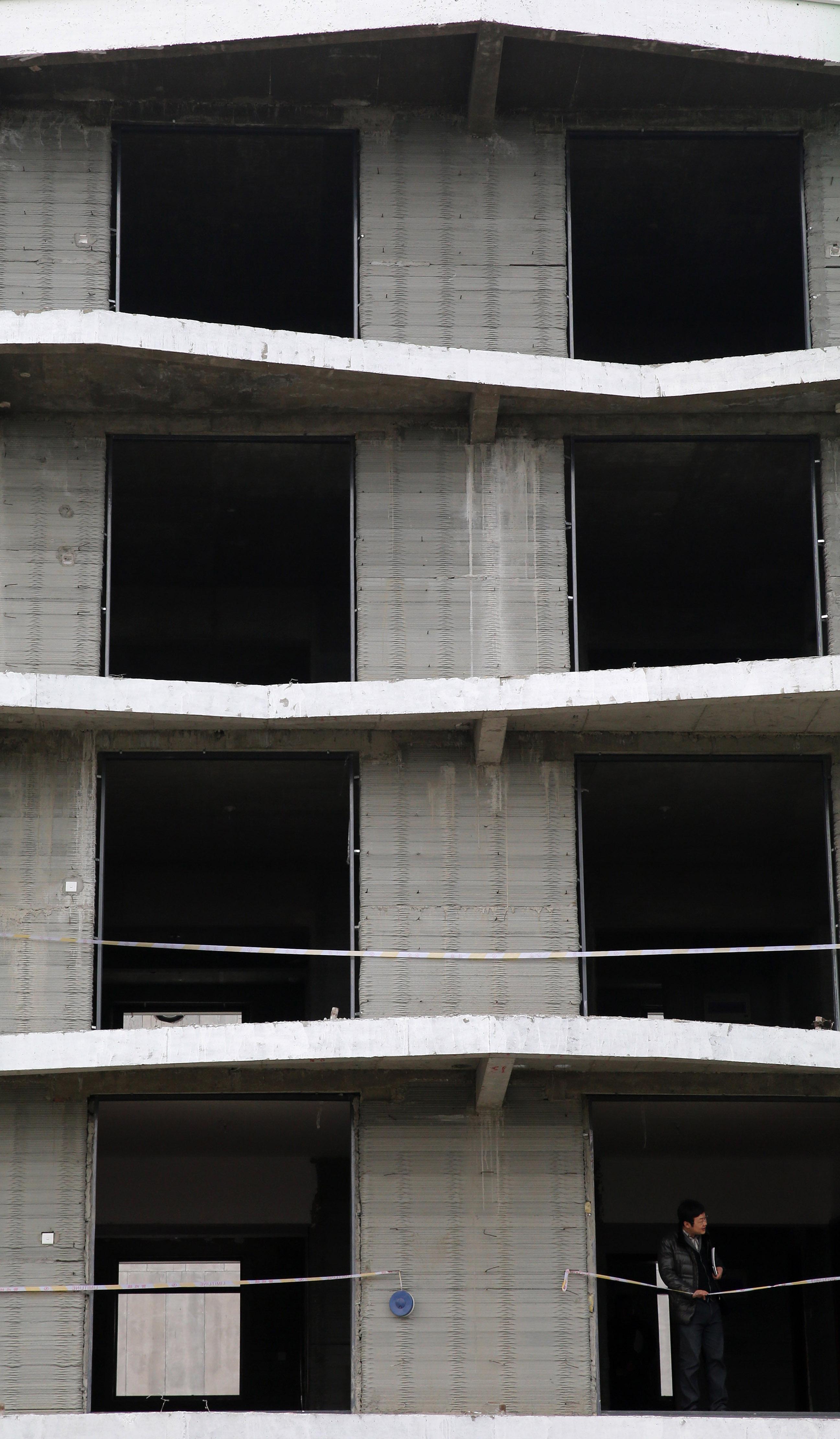
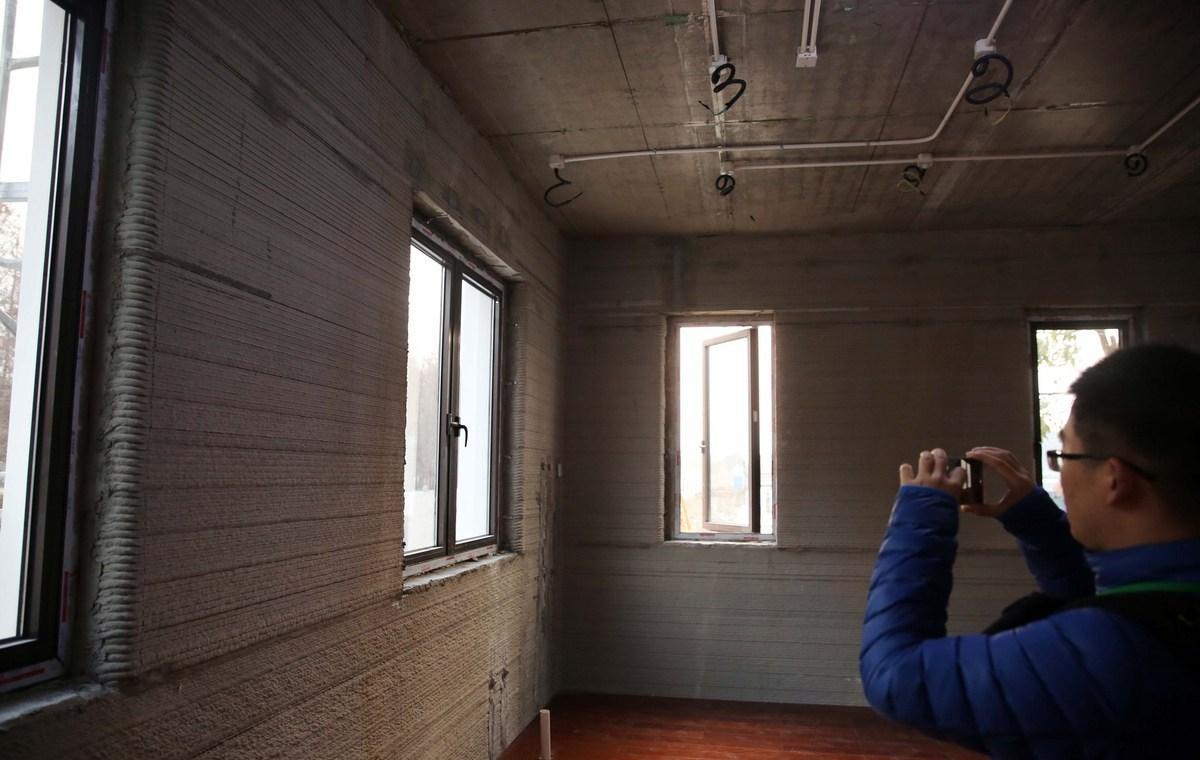
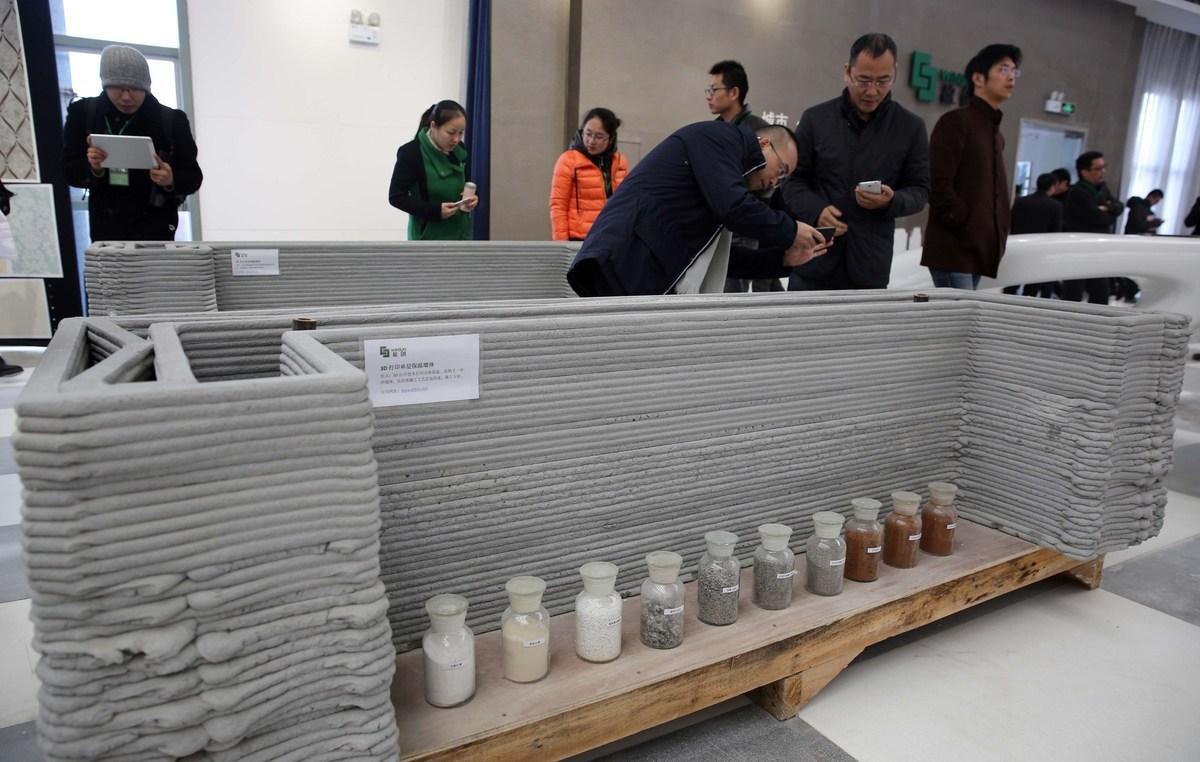
Using a machine which measures a staggering 20 feet tall, 33 feet wide and 132 feet long, the team at WinSun started with a basic CAD drawing which they fed to the massive 3D printer that was able to fabricate the structure piece-by-piece using a specially formulated and patented ‘ink’. The ink, which includes construction waste such as concrete, fiberglass, sand, and a special hardening agent, is an incredible way to recycle general construction materials — not to mention it is flexible, self-insulating, and resistant to strong earthquakes. The walls and other components of the structure were fabricated offsite with a diagonal reinforced print pattern and then shipped in and pieced together. The company then placed beam columns and steel rebar within the walls, along with insulation, reserving space for pipe lines, windows and doors.
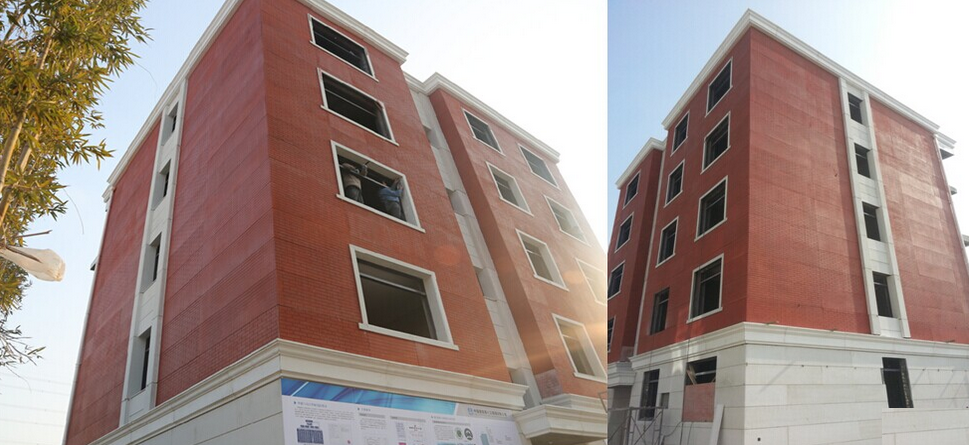
A 6-story tall building which has been 3D printed by Winsun
The construction methods, according to the company, are able to save 60 percent of the materials typically needed to construct a home, and can be printed in a time span which equates to just 30 percent of that of traditional construction. In total, 80 percent less labor is needed, meaning more affordable construction, and less risk of injury to contractors.
Without a doubt, this is probably one of the the most exciting accomplishments within the 3D printing space we have covered. To be able to construct a 6-story building with 3D printed material is certainly a feat that’s guaranteed to garner further attention. WinSun is not done by any means. They will continue to further the technology behind this incredible 3D printer, and hope to eventually construct numerous homes at affordable prices within mainland China. Check out some additional photos below of the construction process and the structures themselves. Let’s hear your thoughts on this incredible accomplishment in the 3D Printed Apartment Building forum thread on 3DPB.com.

Front view of the 3D printed stand-alone villa
Subscribe to Our Email Newsletter
Stay up-to-date on all the latest news from the 3D printing industry and receive information and offers from third party vendors.
Print Services
Upload your 3D Models and get them printed quickly and efficiently.











You May Also Like
DMG Mori Joins $10M Defense 3D Printing Program
To look at the Biden administration and the Trump administration that succeeded it and find areas of policy overlap is obviously a bit of a challenge. But such areas certainly...
Skuld to Work on DARPA’s Rubble to Rockets (R2R) Program
Skuld will work on the Defense Advanced Research Projects Agency’s (DARPA) Rubble to Rockets (R2R) Program, which turns scrap metal into missile components. Skuld will help with alloy design, characterization, and...
ARC & ORNL Form Partnership to Accelerate AI-Enabled Manufacturing for Defense
Last year, Autonomous Resource Corporation (ARC) became the surprising owner of Desktop Metal’s (DM’s) assets following the bankruptcy of the one-time additive manufacturing (AM) unicorn, an acquisition that cost ARC...
ExOne Cuts Costs for U.S. Customers as Printhead Production Moves to Detroit
ExOne Global Holdings, created through the 2025 integration of ExOne and voxeljet, is making changes across its U.S. operations. These include starting printhead manufacturing in the Detroit area and lowering...