Bambu Lab 3D Prints Miniature Playground City for Kids in China

Bambu Lab has partnered with meland to open what they describe as China’s first 3D printing creativity center for children. The new space, officially named “meland x Bambu Lab,” launched on March 12, 2026, inside the MixC World complex in Shenzhen. The idea behind this playground is that instead of just seeing 3D printing as something industrial, children can experience it as part of play. It is also located in one of the city’s largest retail and entertainment complexes, meaning the concept is being introduced in a high-traffic, everyday environment rather than a niche setting.
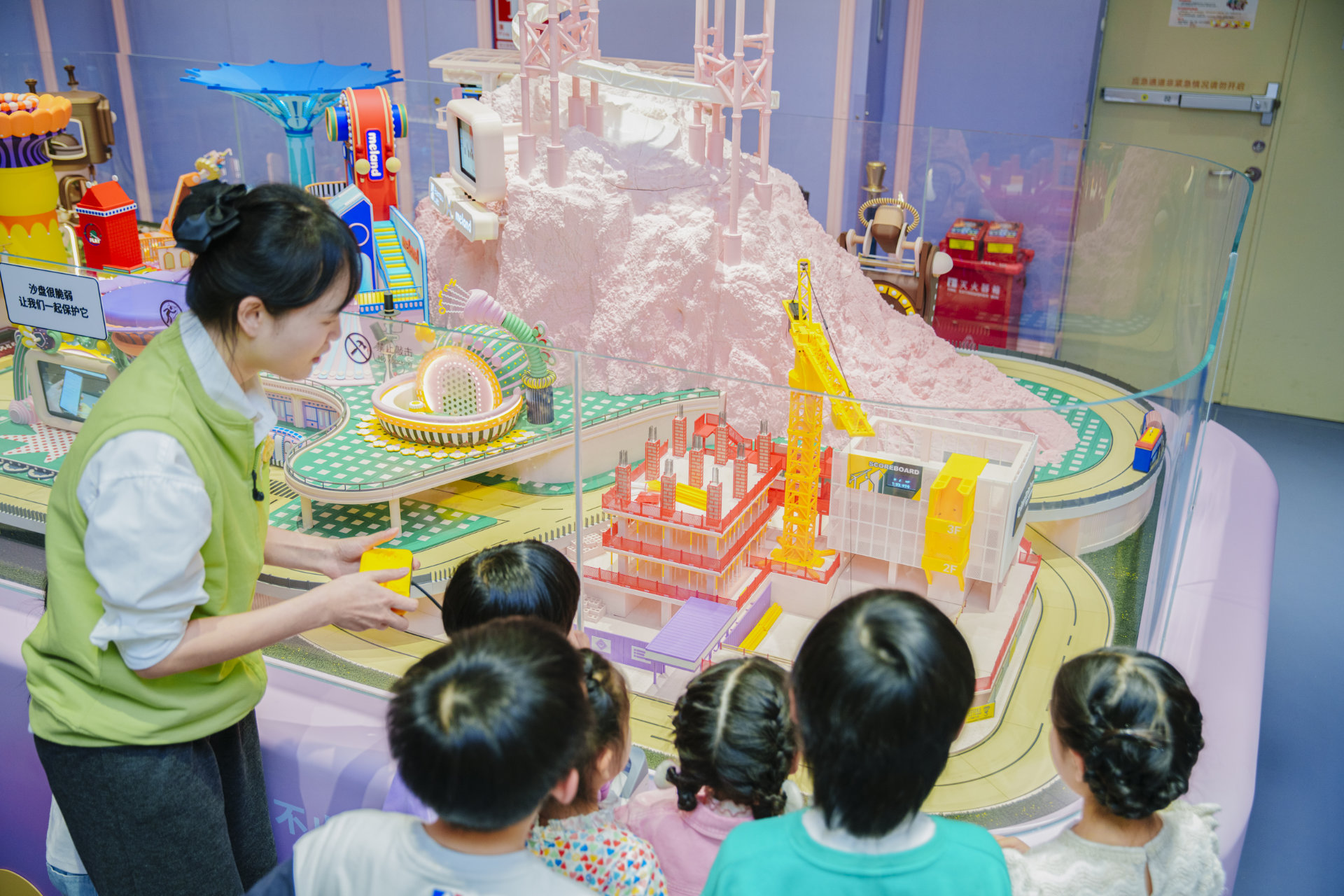
During the introductory classes, children, guided by instructors, learn about Bambu Lab 3D printers, understand the basic principles of the technology, and go through the entire process of producing a print.
To bring that idea to life, the space is built around a central feature called a “CyberBrick city,” a miniature world made using 3D printed parts.
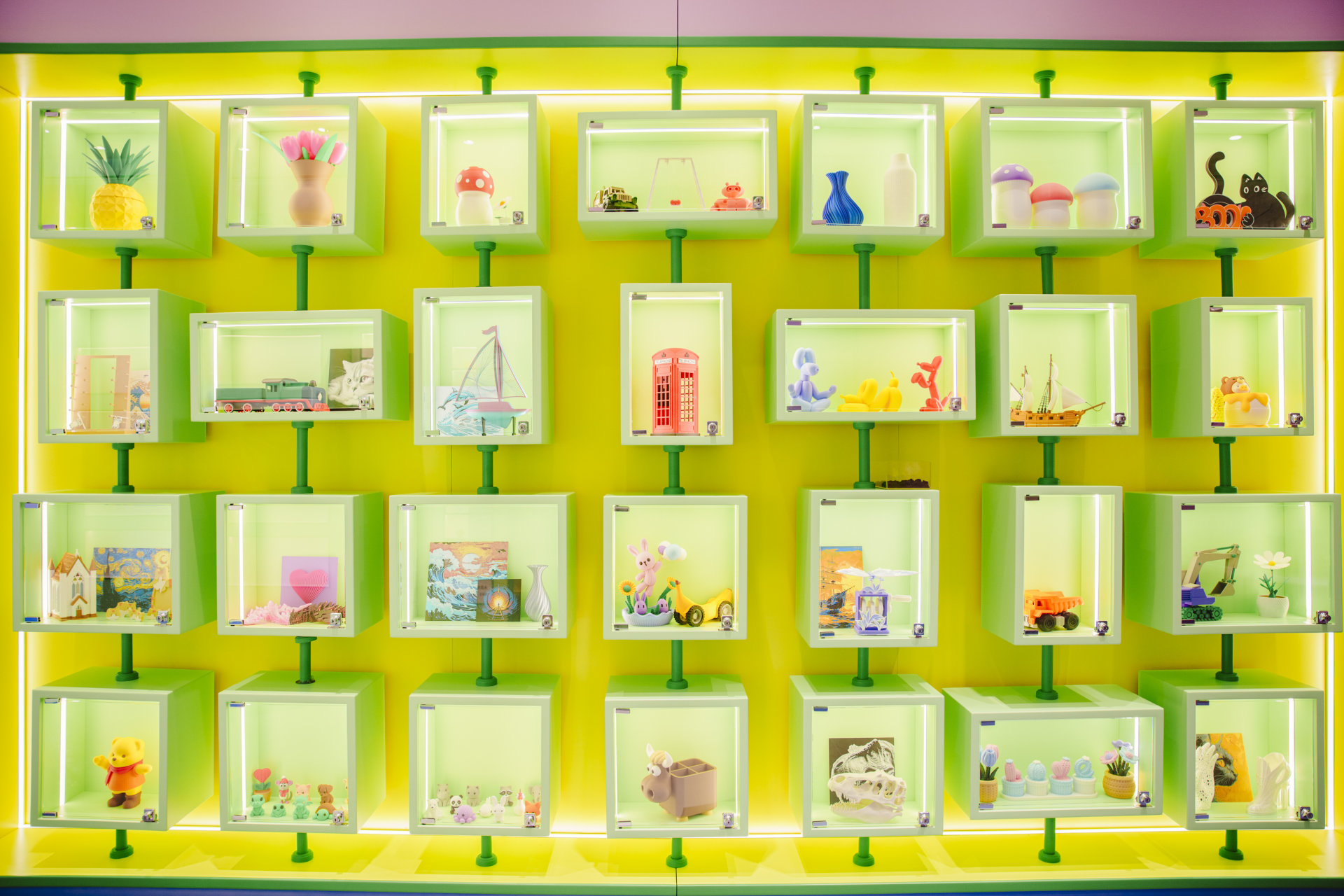
The installation recreates familiar playground environments, but with a twist. Everything is built using 3D printed components, combined with lighting and interactive elements to make it feel alive. Kids can explore it, interact with it, and start to understand how it was made. There’s also a display wall showing Bambu Lab A1 printers in action, so visitors can watch parts being printed in real time before stepping into the learning area.
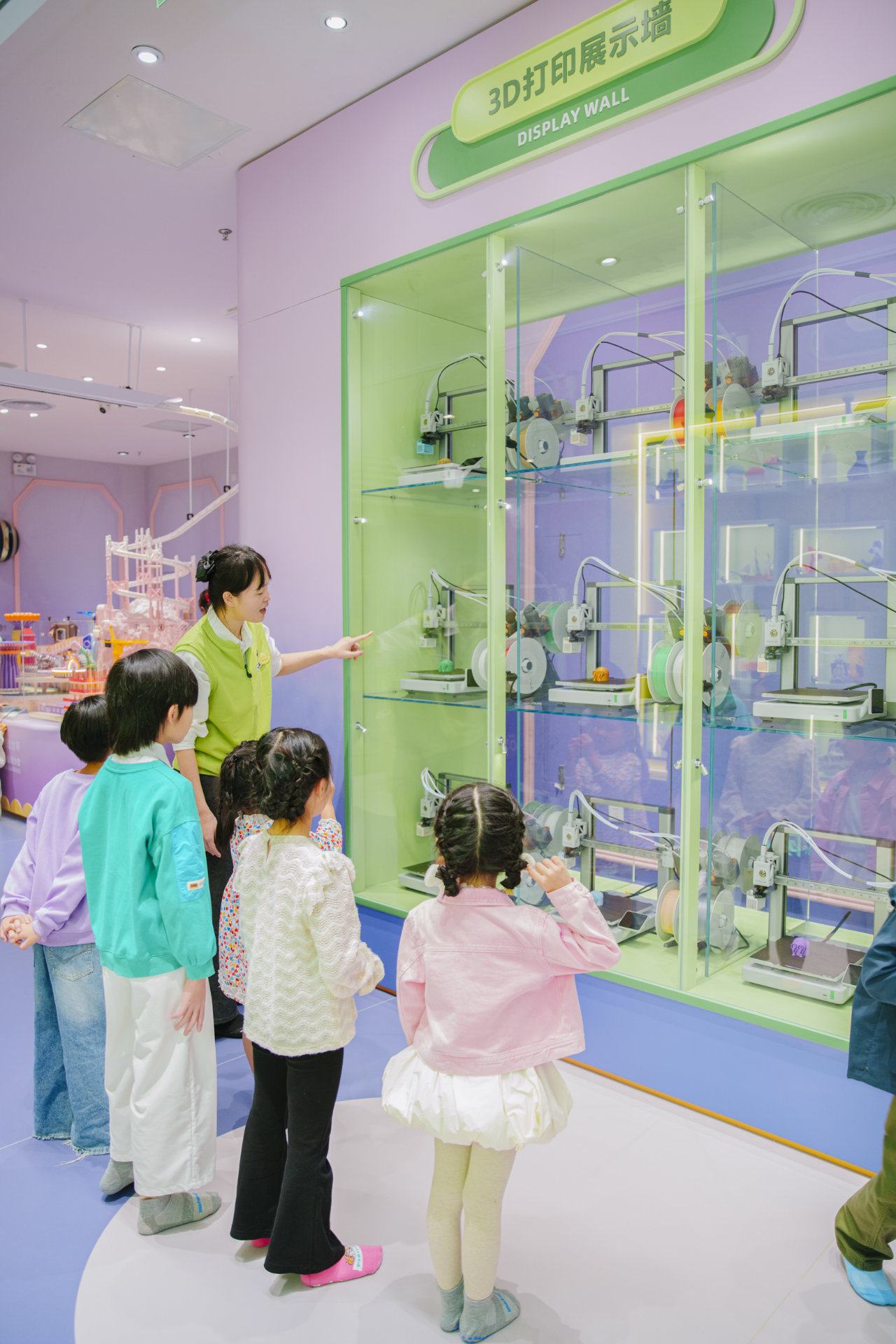
A wall displaying Bambu Lab printers at the creativity center for children in China.
The project goes beyond just showing the technology. It is designed to let kids actually use it.
The space is divided into two main parts. There is an experience zone, where children explore 3D printed environments and a classroom area, where they learn how to design and print. Classes are aimed at kids aged 5 to 12 and are split into two levels.
In beginner sessions, children learn how 3D printers work and follow the full process of making a simple object. In more advanced sessions, they create their own designs and turn them into physical parts they can take home. The goal is to make the process feel natural, where kids think of an idea, design it, print it, and then hold it.
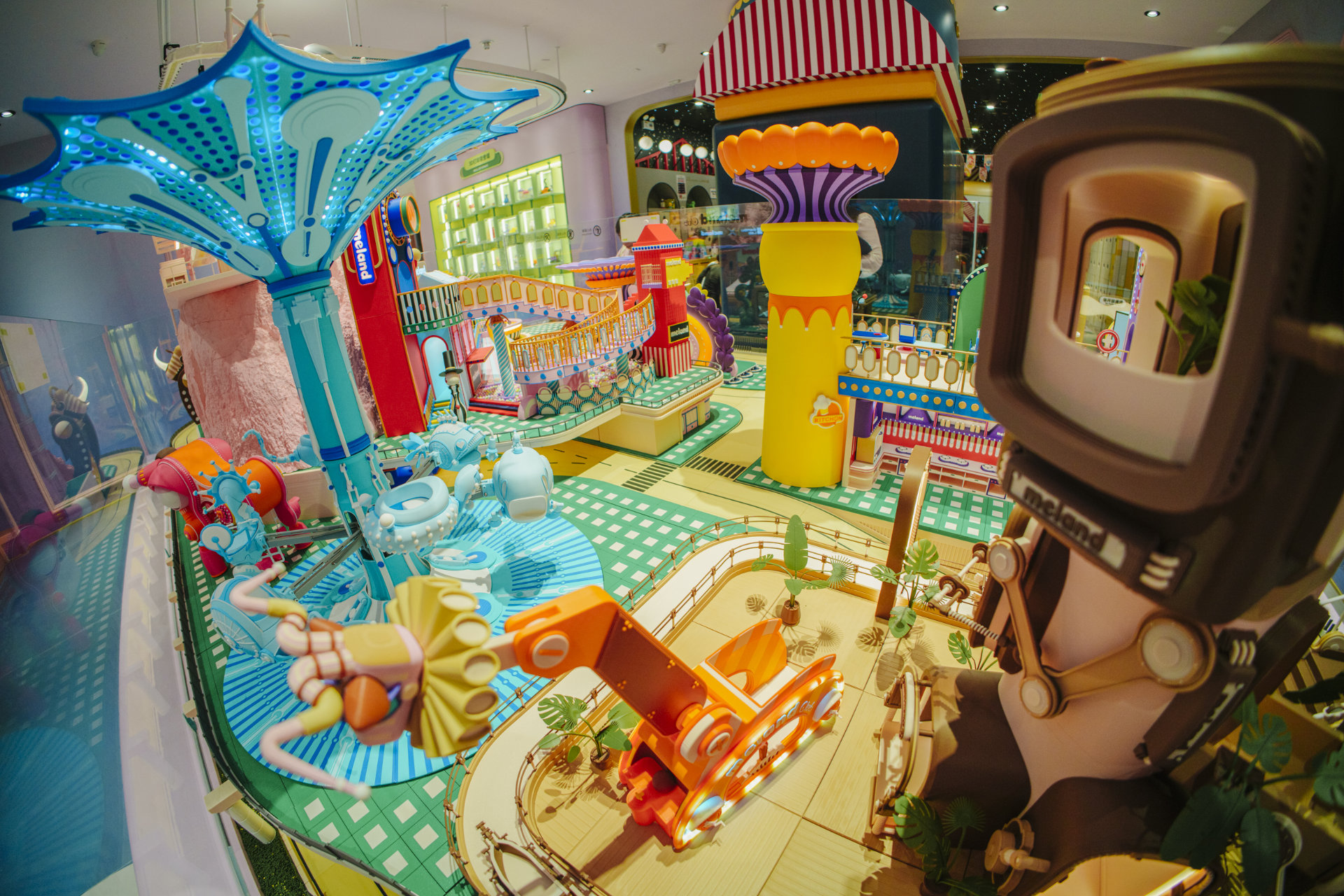
The CyberBrick city, a miniature world made using 3D printed parts, is at the creativity center for children in China.
This full loop, from concept to object, is what makes 3D printing different from most other technologies kids use. And for Bambu Lab, this is more than a one-off installation. It’s the company’s first real attempt to “bring 3D printing into offline, everyday environments for families.”
Meanwhile, for meland, which already operates over 140 indoor playground locations across more than 70 cities in China, it’s a way to expand its “learning through play” model into something more hands-on and technology-driven.
Meland is not a small operator. Its venues are large, highly designed indoor play environments located in major shopping and lifestyle centers, attracting a steady flow of families every day. With a network of this size, new concepts can be introduced at scale, reaching a big audience across the country rather than staying in just one location.
Together, the two companies are testing a bigger idea, whether 3D printing can become part of normal childhood experiences rather than something only seen in schools or labs.
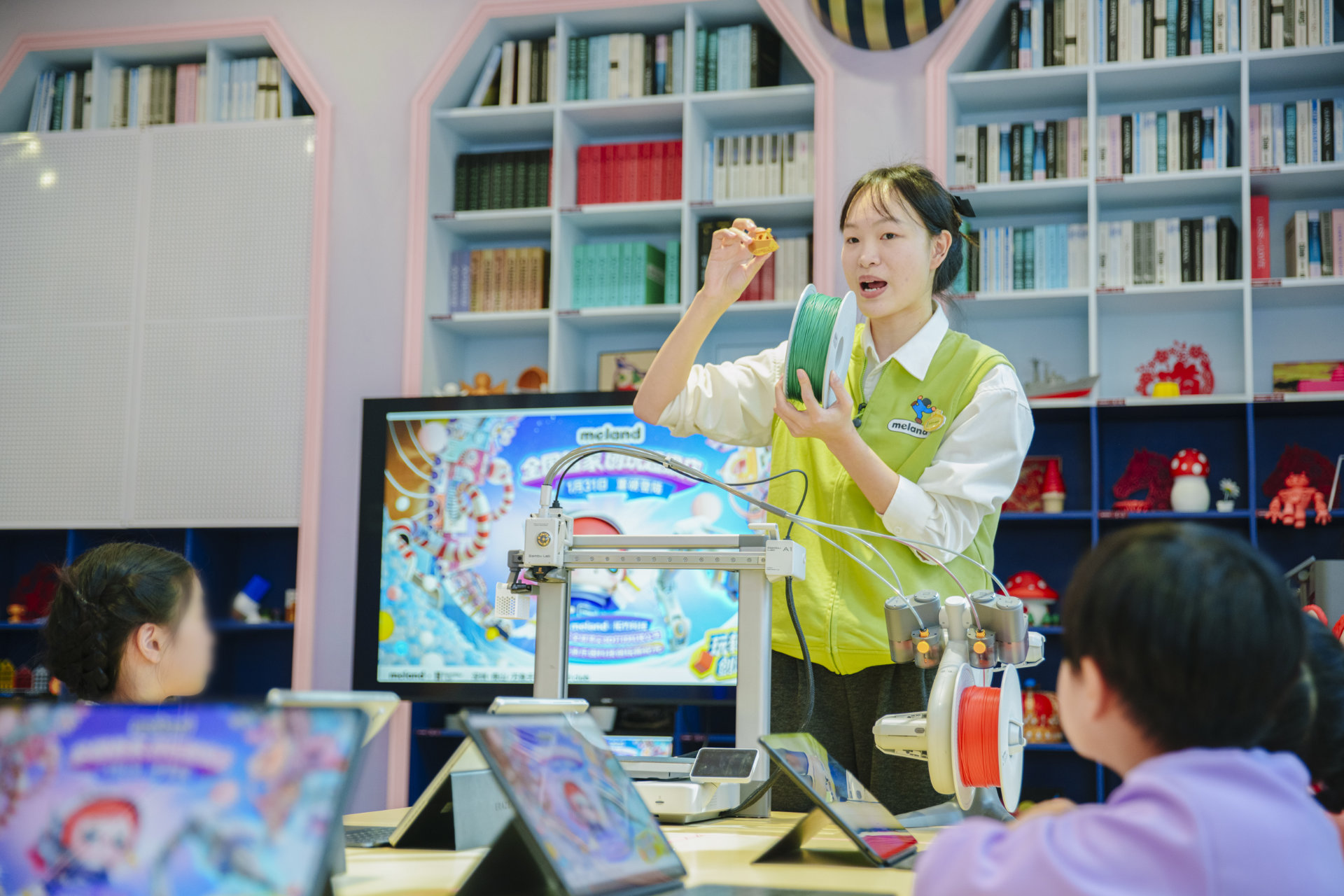
The educational area at the “meland x Bambu Lab” creativity center for children in China.
More and more, 3D printing is showing up in public and interactive spaces, from 3D printed playground structures and furniture to museum exhibits where visitors can design and print objects, as well as STEM labs and maker spaces in schools and libraries.
The “meland x Bambu Lab” creativity center for children in China is aimed at children aged 5 to 12.
But what makes this project different is the level of integration. Instead of adding a printer to an existing space, the entire environment is built around the idea of making. That shift matters because it lets kids experience 3D printing as part of play, not just as a tool they use once in a classroom, turning it into something that becomes part of how they play, learn, and think.
Image courtesy of Bambu Lab
Subscribe to Our Email Newsletter
Stay up-to-date on all the latest news from the 3D printing industry and receive information and offers from third party vendors.
Print Services
Upload your 3D Models and get them printed quickly and efficiently.













You May Also Like
The Money Behind AM: What to Watch at AM Investment Strategies 2026
For years, simply being a 3D printing company could attract attention from investors. New machines, new materials, faster speeds, and the promise of mass production were often enough to get...
Metal AM in a Multipolar World: Resilience, Regional Production and a Changing Market
Technology develops in response to forces driving change. That was the starting point for a keynote I presented with Mikael Schuisky at AM Meetup 2026, held in Karlstad, Sweden, on...
EOS Bets on Mexico’s AM Market with Axiomatek Sales Channel Deal
Mexico is one of the biggest beneficiaries of the push to diversify manufacturing out of China. This development is perhaps inevitable given the current global trade environment, but even with...
3D Printing Market Hits $4.48B After Six Straight Quarters of Growth
The additive manufacturing market continued to grow in the second quarter of 2026, adding another quarter to what is becoming a much more consistent expansion for the industry. Worldwide revenue...