Controlled Powder Production for Advanced Research Applications



Modern physics experiments and high-value industrial applications increasingly depend on custom, high-performance materials. These often require strict constraints such as radiopurity, controlled microstructure, and repeatable powder behavior in metal additive manufacturing. To expand its internal capability from design through production and validation, INFN LNGS developed the HAMMER Hub and integrated additive manufacturing with materials engineering, including lab-scale powder production for selected research needs.
CHALLENGE
INFN typically purchases metal powders from specialized suppliers, but certain activities require capabilities that are difficult to meet with standard commercial materials. This includes atomization from radiopure batches and exploratory alloy research, where rapid iteration on chemistry and powder morphology is essential. For powder bed fusion laser beam (PBF-LB), particle size distribution (PSD) is a key requirement, and the ability to validate powder behavior in-house supports process stability and part quality.
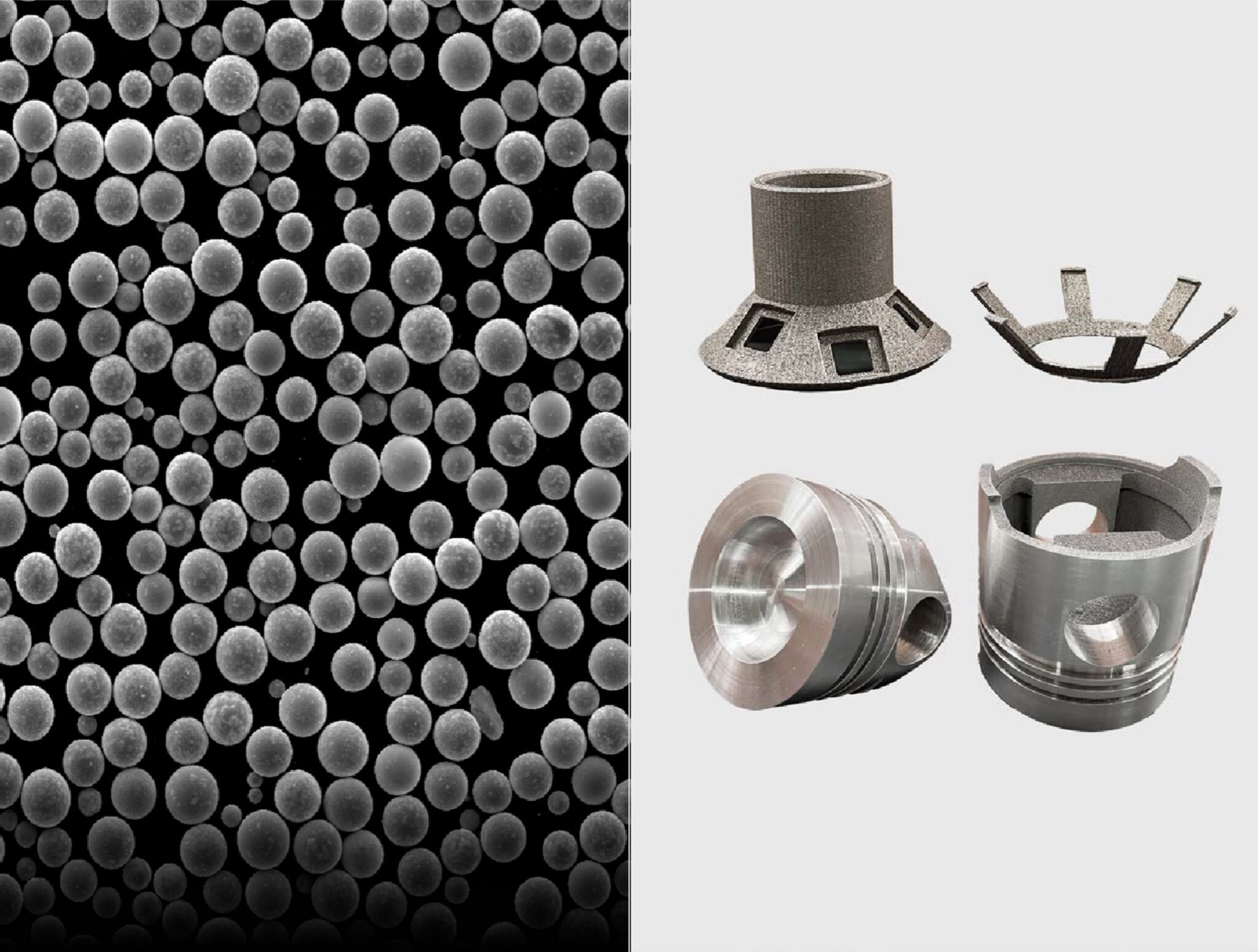
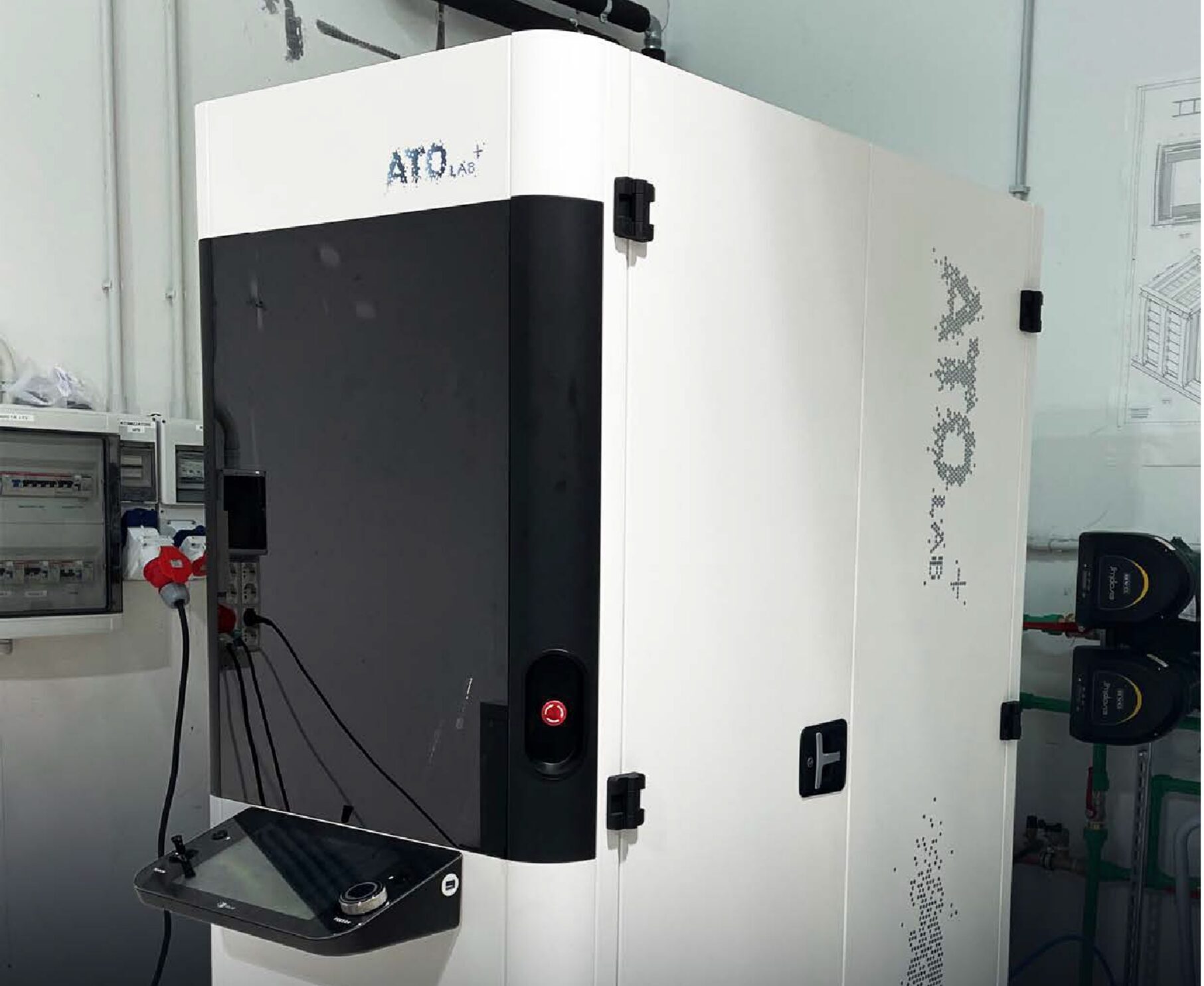
INFN LNGS adopted the ATO Lab ultrasonic atomizer as a dedicated research tool within HAMMER to enable controlled powder production for selected, high-value use cases. The system is used to atomize materials from radiopure batches and to support new materials development by optimizing powder characteristics relevant to additive manufacturing, with a strong focus on PSD for PBF-LB. INFN is also preparing a new ATEX laboratory dedicated to the development of new materials for internal use and for aerospace-oriented research. In addition, an IMS module has been installed in the new area, further strengthening the overall process and materials workflow.
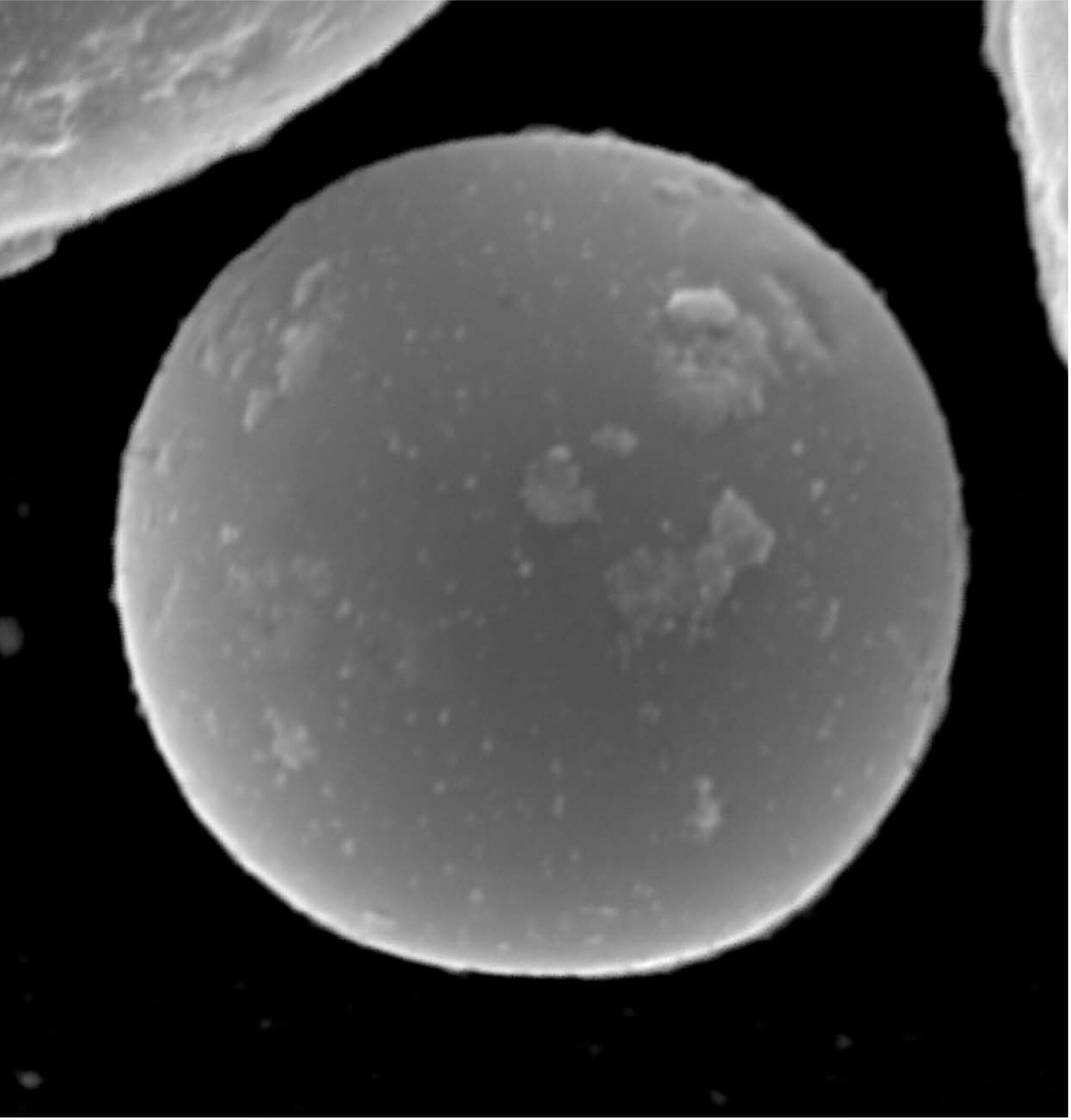
With the ATO Lab in place, INFN strengthened its ability to synthesize and optimize innovative metallic materials for scientific and industrial use while maintaining tighter control over powder characteristics relevant to AM. INFN measured better powder sphericity with ATO Lab compared to commercial powders. The atomizer also expanded freedom to investigate tailored material routes under scientific constraints, with steels processed successfully (details restricted). Overall, the system established a solid foundation for ongoing and future research lines, supported by the ATEX expansion and the IMS module.
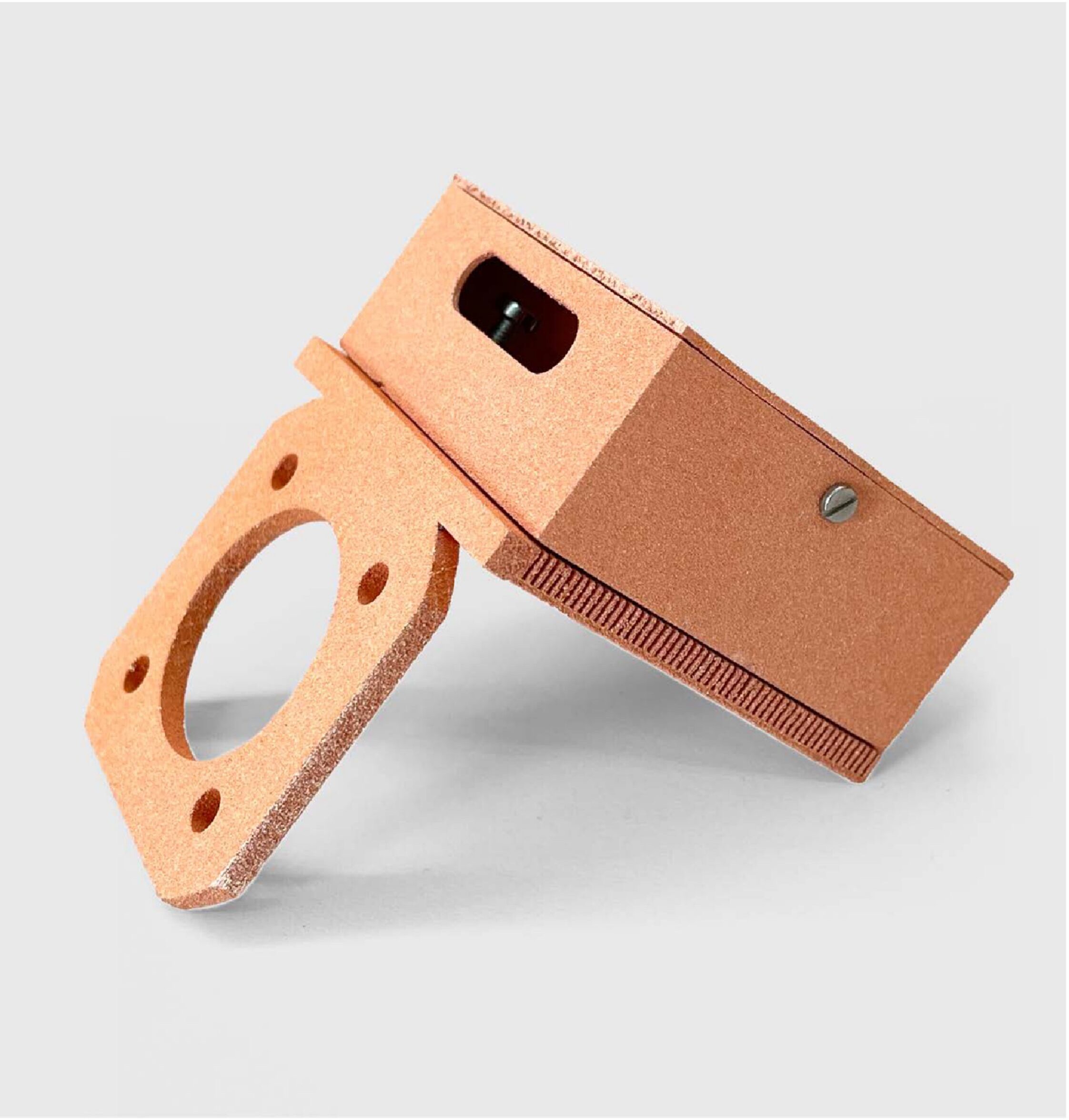
By integrating ATO Lab into the HAMMER ecosystem at LNGS, INFN gained a flexible, research-oriented capability for powder production and alloy exploration, particularly valuable where radiopurity, PSD control, and rapid iteration are critical. The platform supports both internal scientific needs and technology transfer opportunities, with further growth enabled by the new ATEX laboratory and the ATO Induction Melting System (IMS), which expands the range of processable materials.
About the Author:
Arcway is a technology company advancing the integration of additive manufacturing into industrial and commercial production environments. By developing software and automation tools that connect design, engineering, and manufacturing data, Arcway helps organizations unlock the full potential of 3D printing across complex, regulated, and high-value applications. The company’s solutions support real-time decision making, streamlined workflows, and improved quality control for additive processes, making it easier for businesses to adopt and scale 3D printing technologies. Arcway’s platform is used by manufacturers in aerospace, defense, medical, automotive, and other industries where precision, traceability, and performance are critical.
Arcway is a Silver Sponsor of Additive Manufacturing Strategies (AMS) 2026, a three-day industry event taking place February 24–26 in New York City. The conference brings together industry leaders, policymakers, and innovators from across the global AM ecosystem. As a sponsor, Arcway will support discussions focused on scaling additive manufacturing, industrial adoption, and emerging production technologies. Registration is open via the AMS website.
Subscribe to Our Email Newsletter
Stay up-to-date on all the latest news from the 3D printing industry and receive information and offers from third party vendors.
Print Services
Upload your 3D Models and get them printed quickly and efficiently.












You May Also Like
From Vision to Reality: Secure Additive Manufacturing for Brazil’s Energy Sector
In the oil and gas industry, every day of unplanned downtime can translate into significant operational and financial losses. When a critical component is unavailable, operators may wait days or...
3YOURMIND Partners with Phillips Corp. in US Navy’s RIMPAC Distributed Manufacturing Experiment
I recently wrote about the US Navy’s development of the Advanced Integrated Mobile Machine Shop (AIMMS), a containerized unit built around the Phillips Additive Hybrid system, which combines DED and...
Inside Haddy: Jay Rogers Wants 3D Printing to Build Real Products, Not Just Prototypes
A warehouse from the outside, but step inside Haddy and it shifts quickly: finished pieces up front, clean and minimal, furniture you can touch and sit on. Walking through the...
3D Printing & the Autonomous Era: Defense Tech’s Latest Mutation
When we last checked in on the broad defense tech landscape and the role of the additive manufacturing (AM) industry in that environment, it became clear that the connecting thread...