Raiders of the Lost Parts: Jeff Thornburg’s Playbook for Space, Part I

Jeff Thornburg knows what it’s like to get the phone call. In 2011, Elon Musk rang him at home and asked him to come to Hawthorne, California, to help build a new engine program at SpaceX. Years later, Paul Allen, Microsoft co-founder and space entrepreneur, invited him to Seattle for a two-hour meeting that turned into a two-year collaboration. Then Amazon called, recruiting him to lead engineering and manufacturing for its Kuiper satellite program.
Today, Thornburg is CEO and co-founder of Portal Space Systems, a Seattle-based startup building spacecraft designed for one mission and one mission only: maneuverability in orbit.
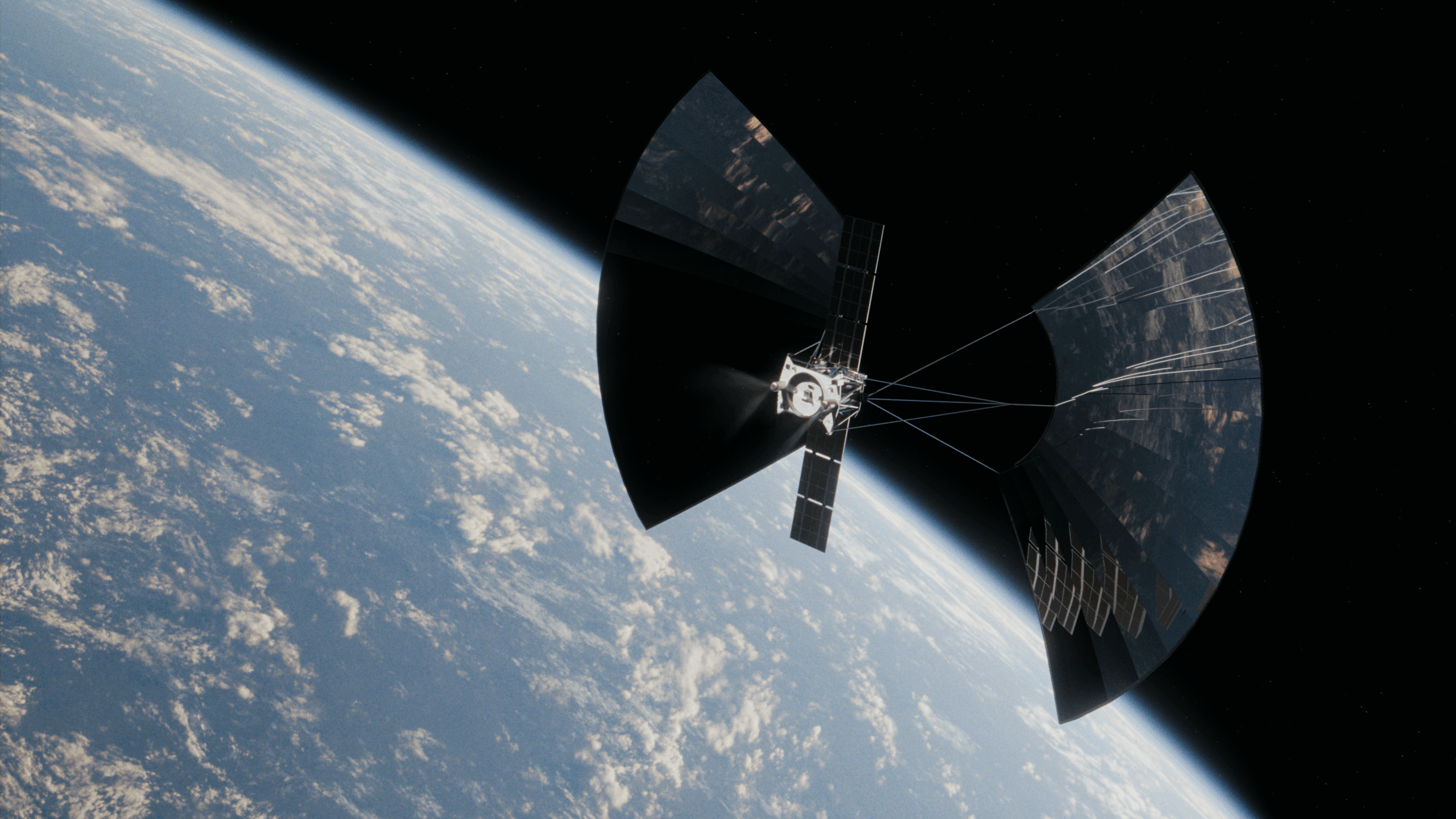
Portal’s Supernova spacecraft.
From Midwest Roots to the SpaceX Front Lines
Thornburg’s path to leading his own company started far from Silicon Valley. He grew up in Missouri and Illinois, studied aerospace engineering, and joined the Air Force Reserve Officers’ Training Corps (ROTC). His early career took him through maintenance on refueling tankers for the KC-135, the Air Force’s aerial refueling aircraft. Then, it was back to graduate school, and eventually into rocket propulsion research at the Air Force Research Lab.
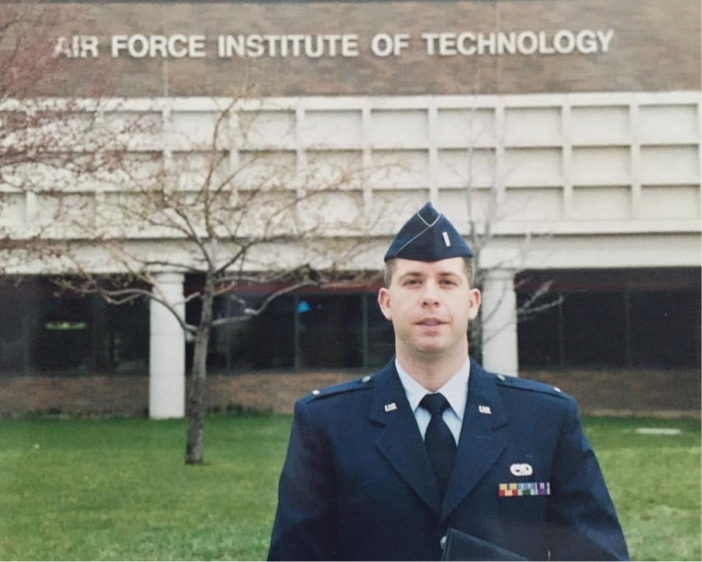
Jeff Thornburg at the Air Force Institute.
“I was living the dream,” Thornburg told 3DPrint.com. “I got to be an Air Force officer who was going full-time to get my master’s degree in aerospace engineering. And then I went to the Air Force Research Lab at Edwards Air Force Base, where I had the opportunity to develop rocket engine technology for both the Air Force and NASA. So that really kick-started my engineering career.”

Jeff Thornburg’s time at the U.S. Air Force.
By 2009, he was helping NASA develop the J-2X engine, a powerful upper-stage engine originally meant for the Constellation program’s Ares rockets. But when that program was canceled, the next big door opened. Musk wanted him to join SpaceX and take on something brand new: the Raptor engine.
At SpaceX, Thornburg didn’t just oversee Raptor. He eventually led propulsion research, helped steer Falcon Heavy, and later ran the entire propulsion department. “You don’t ever lose a job at SpaceX,” he says with a laugh. “You just keep collecting them.”
Raptor was revolutionary for many reasons, but one of the biggest was how it relied on 3D printing. Thornburg had already seen additive manufacturing’s potential on smaller Merlin parts. With Raptor, it became central: complex components could be printed in days instead of taking months through casting.
“It was almost a foregone conclusion we’d leverage additive,” he explains. “Elon wanted an engine in less than five years—and we had one on the stand in four. Additive made that possible.”
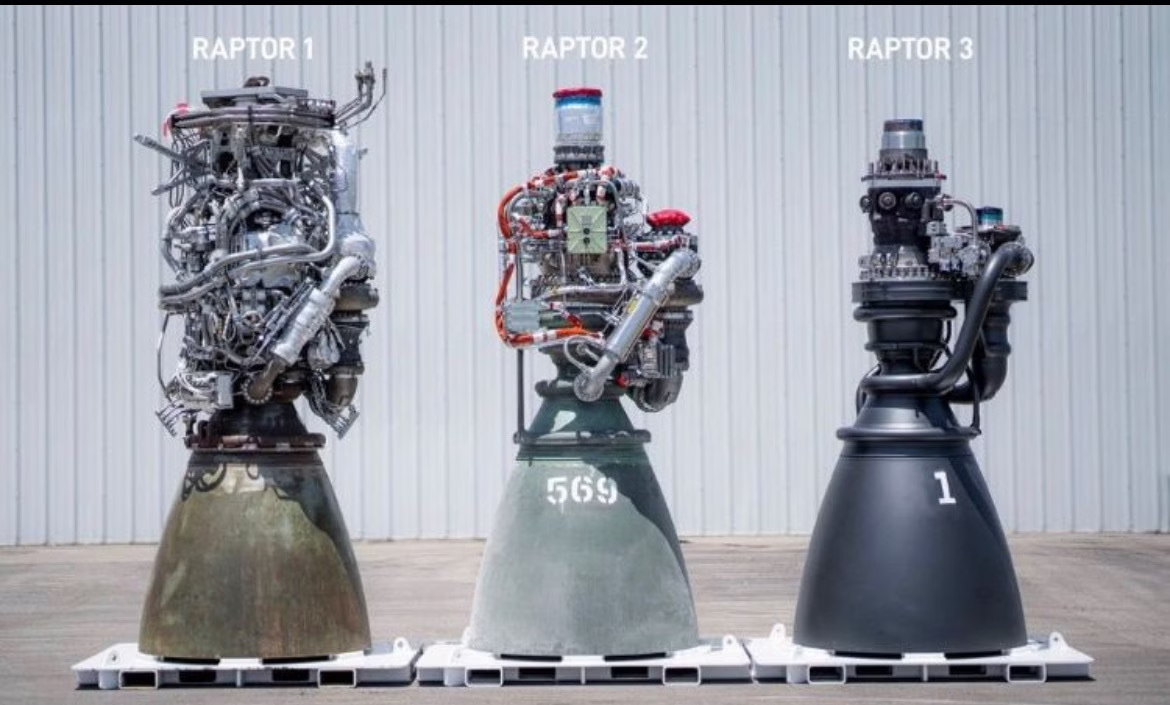
SpaceX’s Raptor engine evolution. Image courtesy of SpaceX.
Raiders of the Lost R&D
One of Thornburg’s favorite metaphors comes from the Indiana Jones movie, Raiders of the Lost Ark. At the end, the Ark of the Covenant is wheeled into a “cavernous-type government warehouse,” locked and hidden among endless crates.
“That’s what happens to a lot of Air Force and NASA R&D,” Thornburg says. “It ends up in a crate next to the ‘Ark of the Covenant,’ just like in the movie. If you didn’t work at the labs, nobody knows what’s been done.”
His career has been about “dusting off those forgotten breakthroughs and bringing them back into use,” he says. At Portal, he’s doing it again, building on government propulsion research from the 1990s and combining it with advances in additive manufacturing to deliver spacecraft that move faster and more flexibly than anything else in orbit.
That approach is already paying off. Just last month, Portal announced it had successfully tested its proprietary HEX thruster, named Flare, in a vacuum chamber, the first commercial demonstration of a solar thermal propulsion system. It was a milestone that showed how Portal’s mix of forgotten research and modern 3D printing can deliver practical, next-generation propulsion.
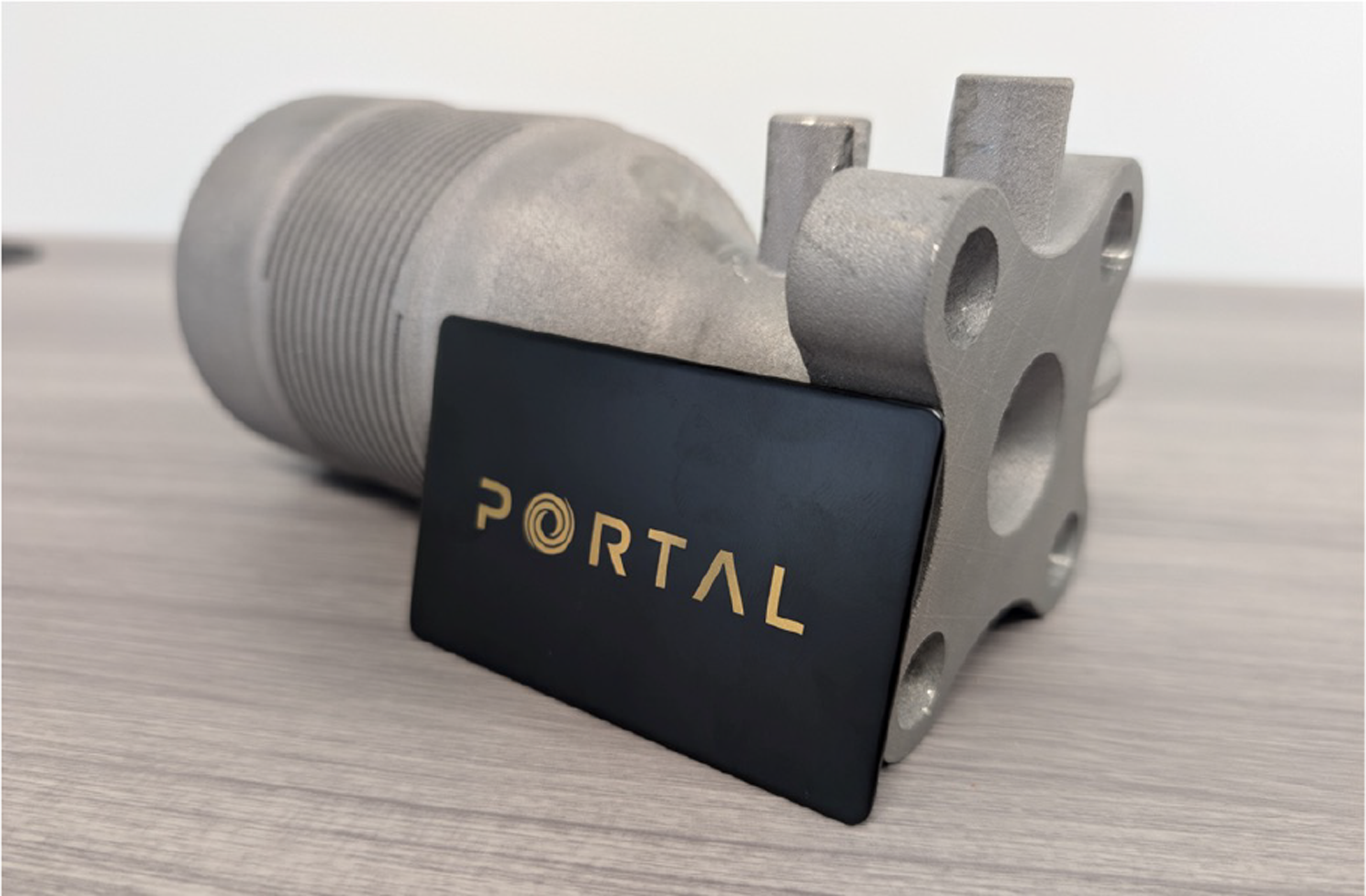
Portal’s HEX thruster.
Why Maneuverability Matters
“The timing is critical. Launch costs have dropped sharply, thanks to reusable rockets. Space is still expensive,” Thornburg admits, “but now venture-backed companies can afford to innovate and get to orbit. That shift makes maneuverability the next big differentiator.”
Portal’s Supernova spacecraft is designed to respond quickly, shift orbits, and provide customers, from defense to commercial operators, with the flexibility they’ve never had before.
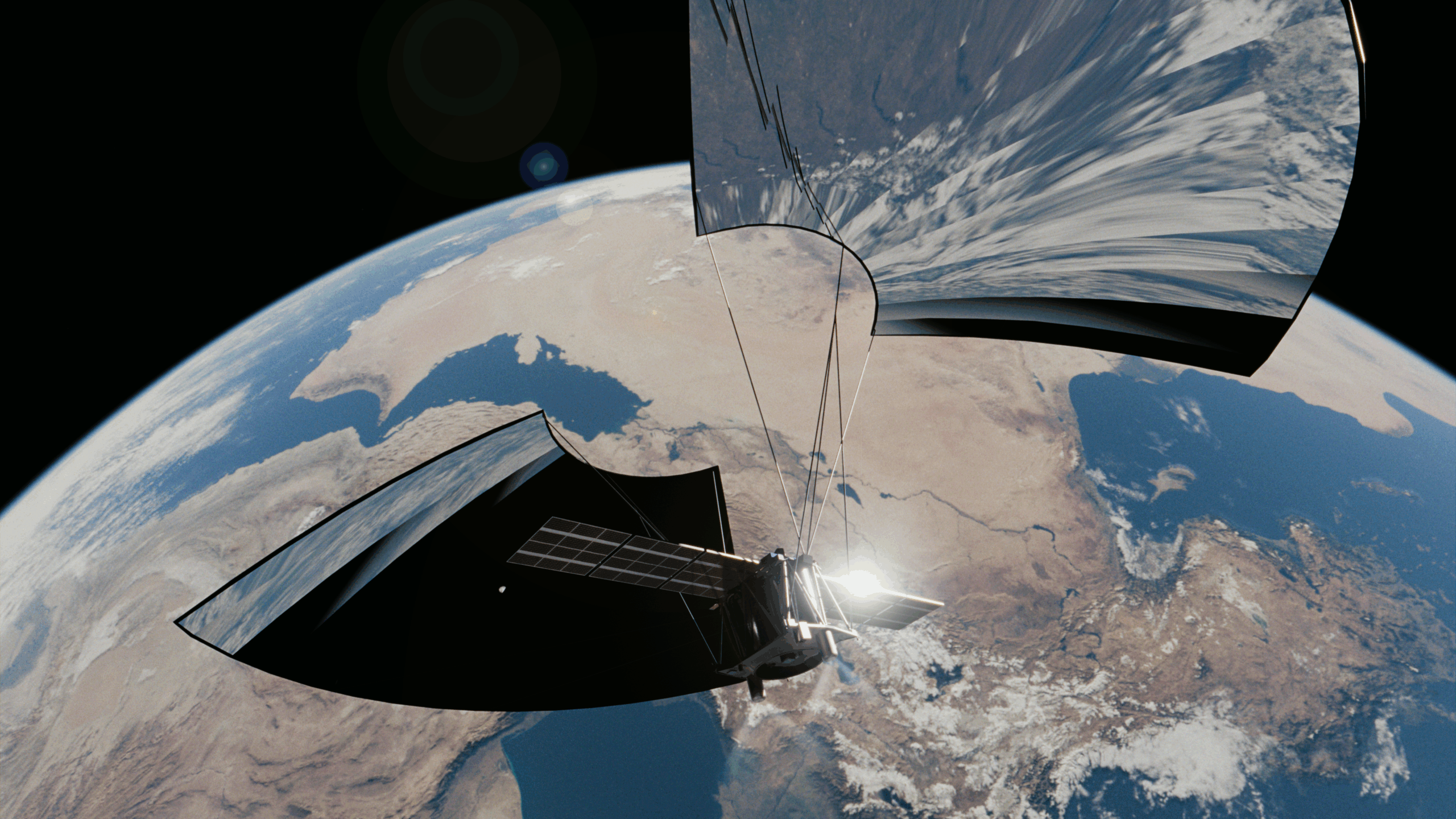
Supernova spacecraft.
Within four years of founding Portal, Thornburg and his 25-person team will have hardware in orbit.
“That was not possible a decade ago,” he says. “Certainly not 15 or 20 years ago. But because launch costs have come down and venture capital now sees the value in space, companies like mine can exist. We’ll launch two spacecraft next year, one in February, one in October. That kind of timeline just wasn’t possible before.”
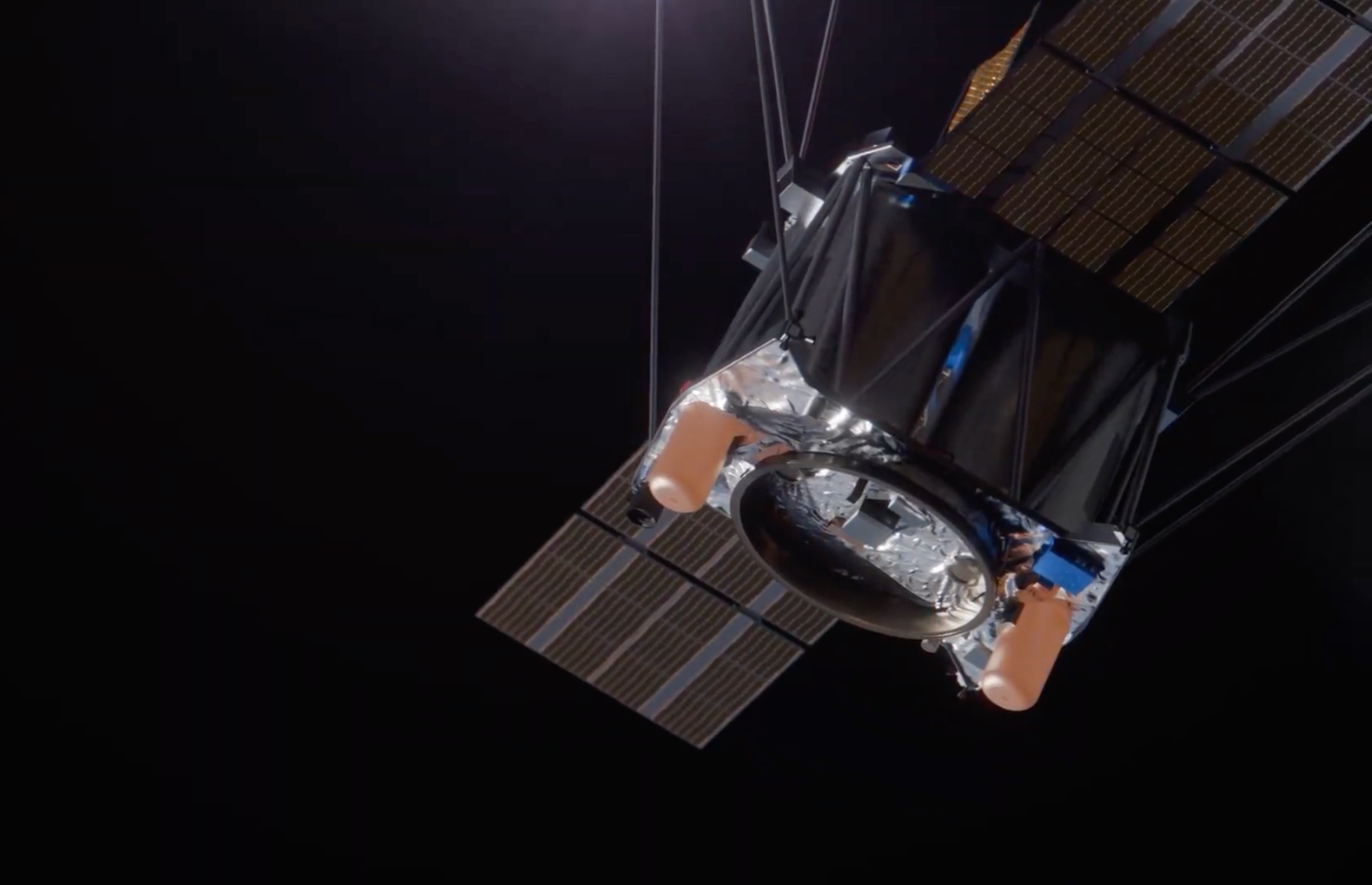
Supernova spacecraft and HEX thruster.
The Bottleneck No One Talks About
“If technology is enabling faster launches and cheaper access, policy and infrastructure are the new brakes. We can now make more rockets than the ranges can support flights,” Thornburg warns.
The U.S. depends heavily on two government ranges, one in Florida’s Eastern Range and the other in California’s Western Range. They’re reaching capacity. “Why limit ourselves when competitors aren’t going to?” he asks.
So, while regulatory hurdles limit how often rockets can launch today, Thornburg is already looking further out. The real question, he argues, is how humanity extends its reach once launch bottlenecks are solved.
“Rockets will get us to orbit, but AI and robotics will take us farther.”
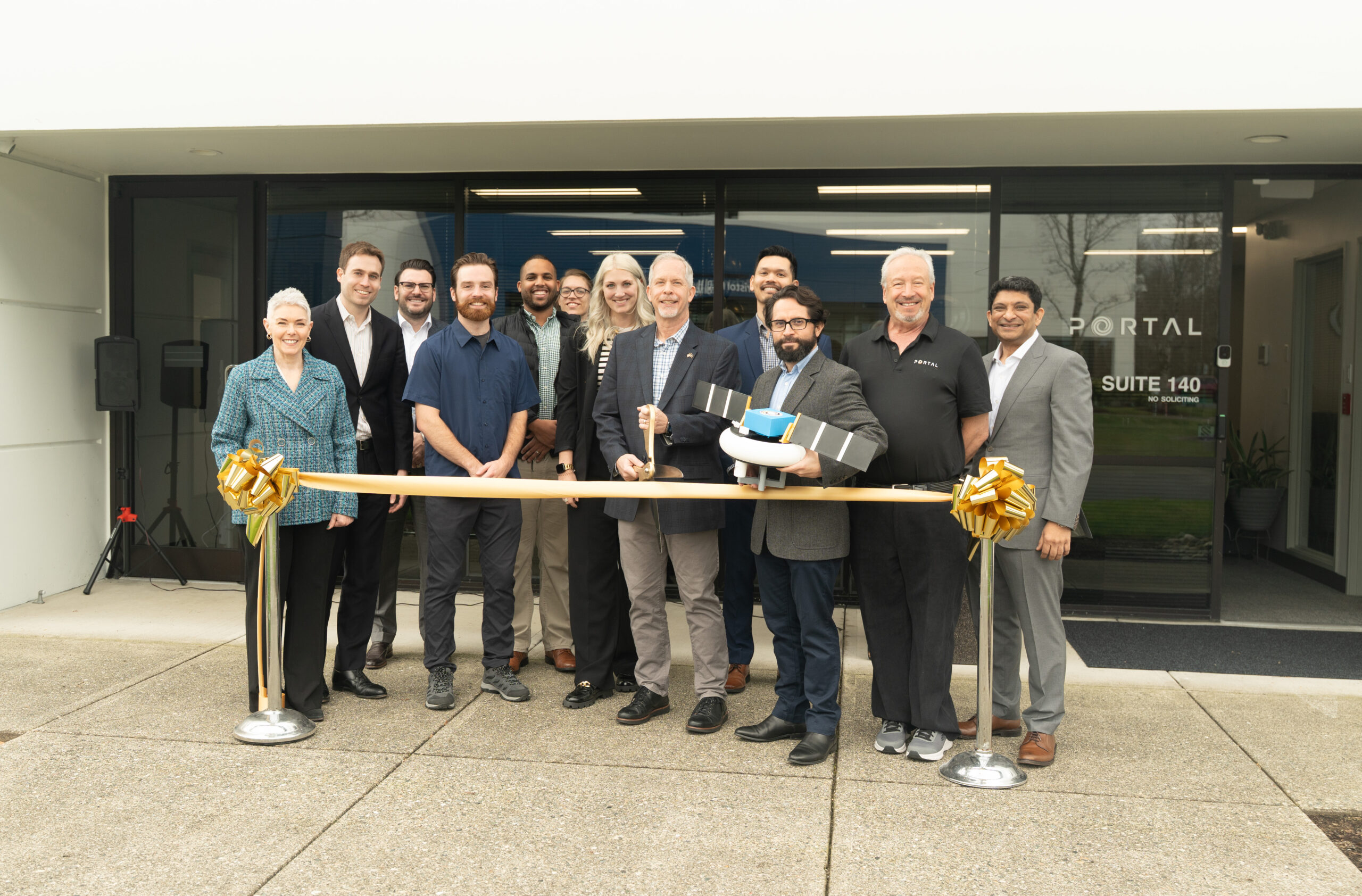
Portal’s official ribbon-cutting.
For Thornburg, the next leap in exploration won’t come just from rockets, but from AI and robotics:
“A faster path to exploration is to leverage AI and robotics out ahead of humans. They don’t need food, air, or environmental controls. They’ll pave the way for people to follow.”
He still hopes to fly someday, ideally a multi-day Dragon-class mission. But for now, he’s focused on building the spacecraft that will set the stage.
“The future frontier really is space,” he says. “It’s not a cliché. All of our critical infrastructure runs through space. And it’s something we have to protect.”
Images courtesy of Portal Space Systems unless otherwise noted
Subscribe to Our Email Newsletter
Stay up-to-date on all the latest news from the 3D printing industry and receive information and offers from third party vendors.
Print Services
Upload your 3D Models and get them printed quickly and efficiently.













You May Also Like
UniFormation S10 Heads to Kickstarter with an Integrated Resin Printing and Post-Processing System
UniFormation will launch its S10 desktop resin 3D printer on Kickstarter on October 22, 2026, with pledges starting at $999. The S10 integrates printing, washing, and drying, allowing a print...
Creality Goes Pro with Sermoon P1S 3D Scanner
From making millions of value-engineered Prusa clones, Creality really has aggressively pivoted to more complex machines. The company has made strides forward in software, and the Ender’s of yore is...
Stratasys Showcases 3D Printed Automotive Applications & New Printer at IMTS 2026
Just ahead of last week’s International Manufacturing Technology Show (IMTS) in Chicago, Stratasys launched the F870, a new large-format, production-grade FDM 3D printing platform designed to drive industrial manufacturing at...
Creality Launches SPARKX i8 on Indiegogo, Bringing Fastest, No-Purge-Waste Printing
Creality announces the launch of the multi-color 3D printer SPARKX i8 on Indiegogo, at an early-bird price of $309 (MSRP $399) starting from Sept. 21. Designed for ultimate user experience,...