HBD’s New Plant Adds to China’s 3D Printing Growth


As China strengthens its position in the global 3D printing market, metal additive manufacturing company HBD Additive Manufacturing has opened a new facility in Guangdong. The site expands HBD’s production and research capabilities at a time when Chinese vendors are shipping more metal 3D printers than their Western competitors, a trend that helped push China’s 3D printing market toward an expected $8 billion in hardware sales by 2032.
The factory is part of a shift in China’s industrial landscape. By combining 3D printing with smart factory tools like automation and AI, HBD hopes to supply high-performance metal components to sectors like aerospace, automotive, energy, and healthcare. All this while supporting China’s efforts to lead in advanced manufacturing technologies.
HBD designs and manufactures its own industrial metal 3D printers using laser powder bed fusion (L-PBF). This method is ideal for complex, high-performance applications. The company offers a range of machines, including the HBD 150, HBD 350, and the large-format HBD 1000Pro, each designed for different production needs and sectors.
The company already has an installation base rapidly growing across 37 countries, totaling over 850 units. However, the new facility is expected to have an even stronger impact across several major industries. In aerospace, where there’s a steady push for lighter and more durable parts, HBD’s metal 3D printing technology makes it possible to produce intricate components that meet high-performance standards. This kind of precision manufacturing could help improve aircraft design and efficiency.
Meanwhile, in automotive, speed and flexibility are key. HBD’s setup in Guangdong supports the fast production of complex, customized parts. That means shorter development cycles and more room for new ideas, something automakers need to stay competitive.
Healthcare is another area where this technology could make a difference. With 3D printing, creating implants and prosthetics tailored to each patient is faster and cheaper. This helps with patient comfort and fit.
Even the energy sector will benefit. From turbines to custom cooling systems, HBD’s ability to design and print strong, high-performance parts opens up new possibilities. It also supports the industry’s move toward more sustainable, efficient systems.
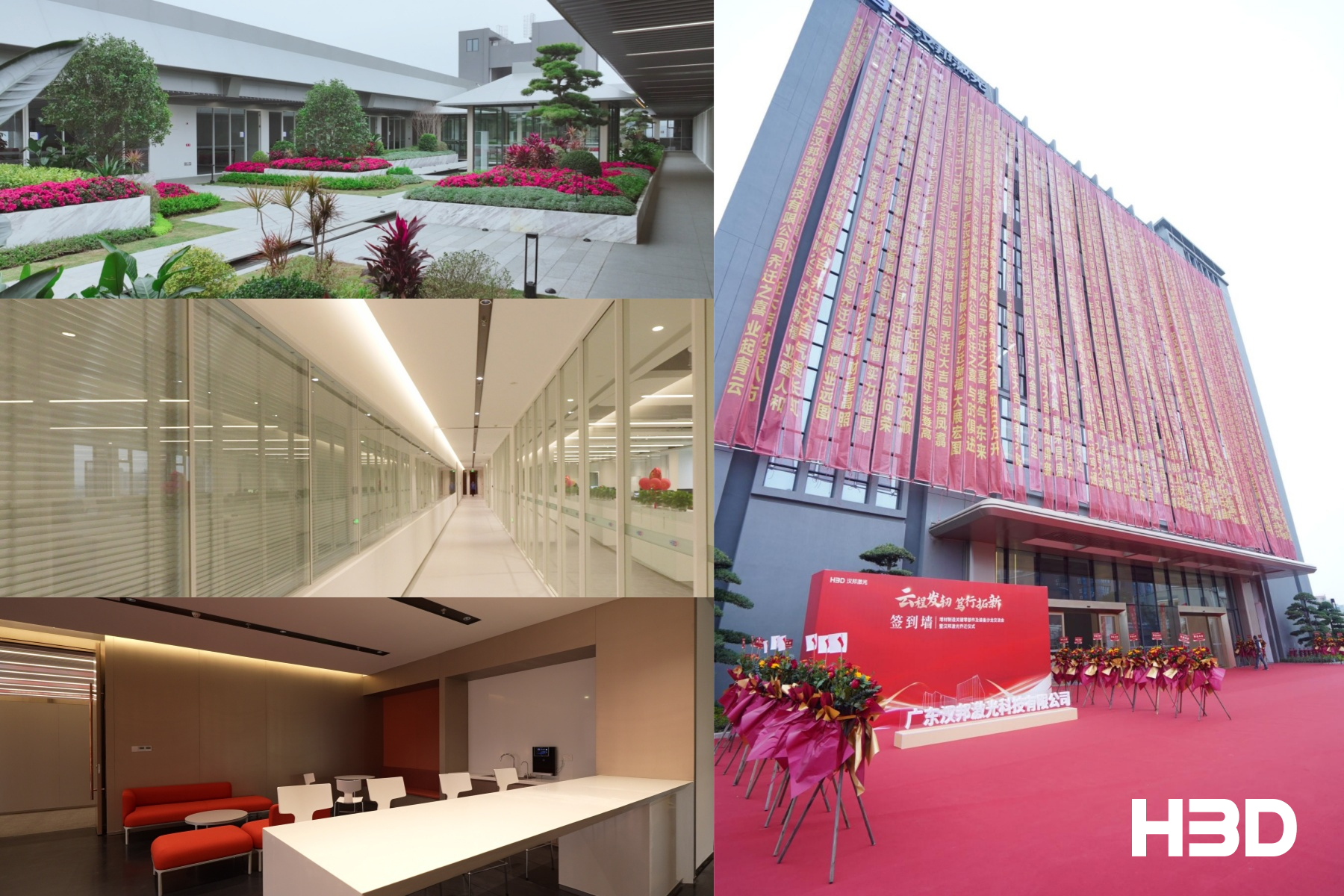
HBD’s new facility in Guangdong, China.
The company sees the new site as a place to collaborate with industry and research partners to improve manufacturing technologies. By partnering with academic institutions, industry leaders, and clients, the facility hopes to foster a collaborative environment, ensuring solutions are tailored to real-world applications.
What’s more, HBD’s facility includes low-carbon technologies and uses eco-friendly production processes. By reducing waste and optimizing resource use, the company aligns itself with global efforts to promote greener manufacturing practices.
HBD’s expansion comes when China’s additive manufacturing (AM) industry is gaining serious momentum. According to a new Market Opportunity Brief by Additive Manufacturing (AM) Research—the sister company of 3DPrint.com—China’s 3D printing sector could reach $8 billion a year in hardware sales by 2032.
The report, titled The State of Chinese Additive Manufacturing: Market Opportunity Brief, was authored by analyst and 3DPrint.com editor-in-chief Michael Molitch-Hou and outlines how domestic manufacturers are beginning to outpace Western competitors in key areas like metal 3D printing.
As companies like HBD grow their capabilities, this trend points to China’s ambition to become a global leader in advanced manufacturing technologies.
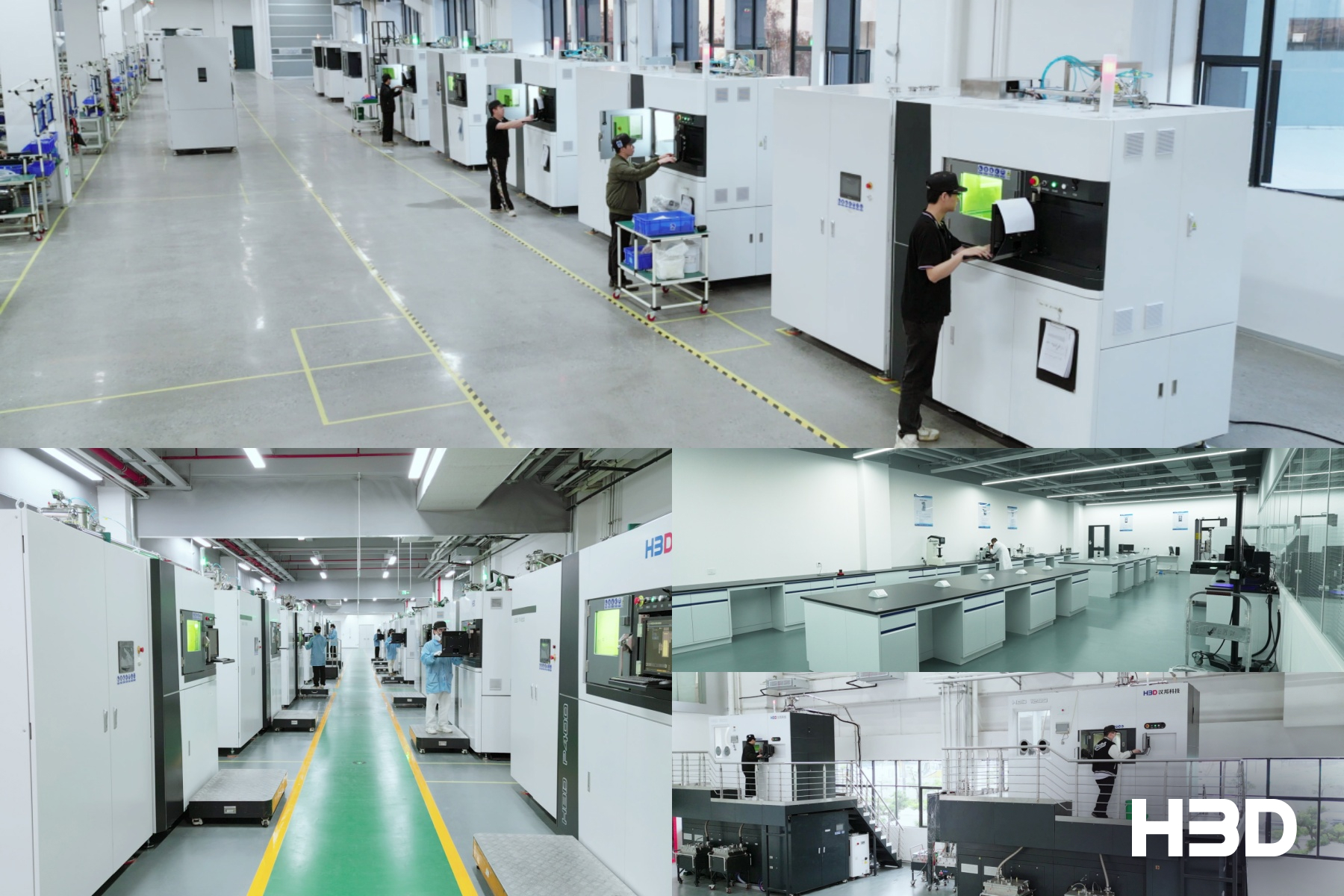
HBD’s new facility in Guangdong, China.
Chinese companies now sell more metal 3D printers than many of their international competitors. In the first quarter of 2024, Chinese vendors of industrial metal PBF systems saw a 45% increase in shipments compared to the same period the year before, while Western vendors experienced a 4% decline, according to market intelligence firm CONTEXT. Four of the quarter’s top five vendors by shipment volume were based in China. This growth points to China’s rising influence in the AM market and its expanding production capabilities.
HBD’s new facility in Guangdong adds to the province’s growing importance as a 3D printing hub. Guangdong, a province in southern China, is home to many AM companies, including Kings 3D Printing, Zhuhai Sailner 3D Technology, Guangdong Fenghua Zhuoli Technology, and Star Rapid. This growing group of businesses shows that the region is becoming an important center for 3D printing in China.
All images courtesy of HBD.
Subscribe to Our Email Newsletter
Stay up-to-date on all the latest news from the 3D printing industry and receive information and offers from third party vendors.
Print Services
Upload your 3D Models and get them printed quickly and efficiently.













You May Also Like
HeyGears Reflex RS Turbo Sets a New Standard for Resin 3D Printing
When creating highly detailed resin prints, speed only matters if the finished result still captures the details that made the model worth printing in the first place. The HeyGears Reflex...
IFA 2026 Shows Where Multicolor 3D Printing Is Headed
Innovation For All (IFA) is best known for televisions, appliances, and consumer electronics. But this year’s show in Berlin also gave 3D printing companies plenty of room to show where...
3D Printing News Briefs, September 12, 2026: Rebranding, Cybersecurity, Project Call, & More
We’ve got a lot of business news from ATLIX to start off this weekend’s 3D Printing News Briefs, with a new identify for its additive manufacturing (AM) portfolio and some...
Quickparts Builds a Four-Country 3D Printing Network for Space and Defense
For manufacturers trying to win more space and defense work, adding 3D printers is only part of the challenge. They also need to make the same parts to the same...