FormAlloy Adds Scanning and Tool Path Automation to DED Metal 3D Printing


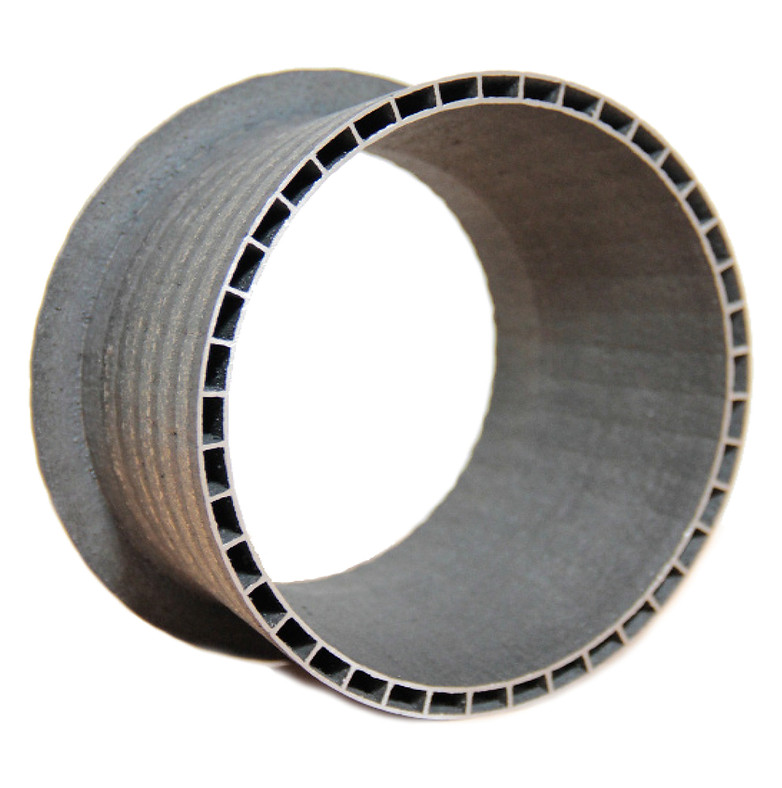
Directed energy deposition (DED) firm FormAlloy has enhanced its offerings by incorporating automated scanning and tool path generation. This update enables customers to seamlessly use FormAlloy equipment for cell-based part repair and rejuvenation applications. Currently, tens of thousands of turbine blades are being repaired this way, with additional applications in mold rejuvenation and hard-wearing surface repair on the horizon. For these applications, a worn or damaged part is scanned, a tool path is generated to guide the DED machine in depositing material precisely where needed, allowing for some excess material, which is then removed using a CNC tool.
Cell-based DED solutions have been in use for over a decade but also represent a frontier in the industrialization of 3D printing. Brake calipers, turbines of all sizes, batteries, antennas, large sensors, and spar-type parts could all benefit from this technology. FormAlloy’s new capabilities can be integrated into existing cell solutions or used to develop new ones. The company claims its process reduces errors and improves efficiency. With increased precision, the firm believes its solution could gain wider adoption in defense, aerospace, capital goods, and heavy industry.
“Our latest innovation represents a significant step forward in automating the DED process. By combining scanning with automated tool path development, we’re providing manufacturers with a powerful tool to enhance precision, reduce downtime, and increase the overall efficiency of their operations,” said FormAlloy CTO Jeff Riemann.
DED has always been treated as the unwanted stepchild—left in a corner, toiling away in obscurity. Meanwhile, the flashy laser powder bed fusion (LPBF) prima donnas get all the attention, basking in the spotlight at the grand ball while DED remains behind in rags. The most exciting parts and innovations have centered around finer, higher-definition powder bed fusion components, particularly in aerospace and orthopedics. Industry enthusiasm, major investments, and much of the conversation have also been dominated by LPBF. Somehow, this segment has captured the imagination of government leaders and investors alike. Even the upstart binder jetting has managed to steal the limelight more effectively than poor old DED.
I attribute these differences to the psychological effects that different parts have on different people. LPBF parts appeal to silversmiths—do you love intricate, watch-like components with fine details and enticing surfaces? Then you’ll be captivated by the precise titanium creations of LPBF. The laser dancing across the powder bed, the order it brings, the mesmerizing patterns—it’s a thing of beauty, perfectly suited for those who value craftsmanship and precision.
Meanwhile, LPBF’s limitations restrict it to softball-sized parts, making it unsuitable for anything human-sized. To survive, it must create “unobtainium”—parts no other technology can produce. These must be high-value and precise, which happens to be exactly what investors are drawn to. LPBF’s ability to manufacture the impossible ensures its adoption, as it justifies the massive investment barriers required. But these same barriers, along with the enormous CapEx demands, exist precisely because LPBF is so intricate.
LPBF is, in essence, the Swiss watch industry—”Look at our intricate, expensive pieces, so rare and fine. Buy them to show how much you care about yourself.”
Meanwhile, in some abandoned garage or remote industrial site, people are working on DED—big, thick layers being deposited. This is 3D printing with all the safety features turned off. Welding in the open air, using metal wire or the simplest of powders. Parts are built quickly, with kilos of material deposited per hour.
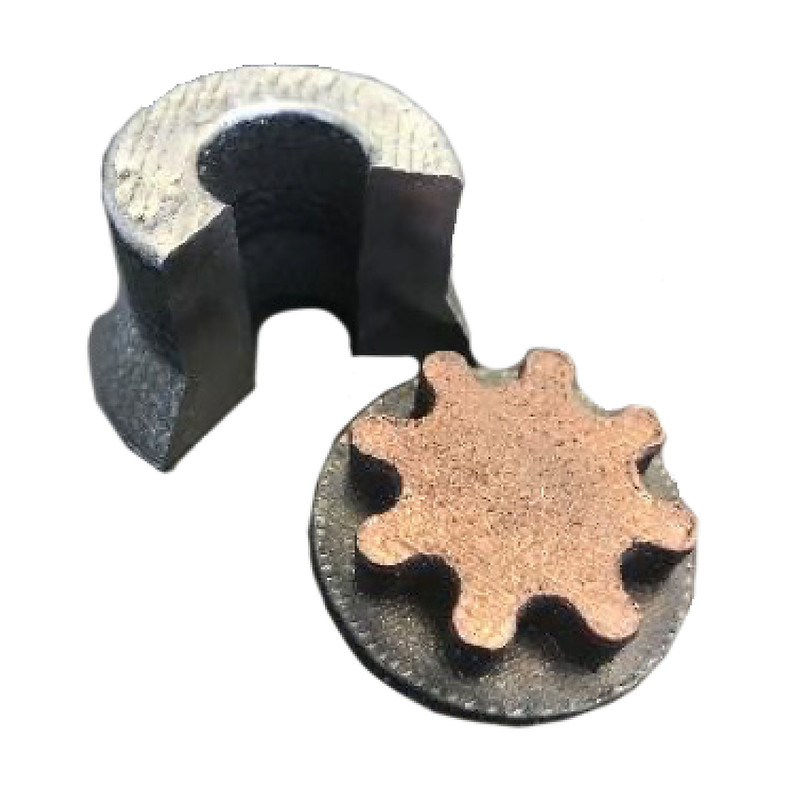
The people dedicated to this are not silversmiths in smocks—oh no, they’re blacksmiths. They want big, heavy things that work. They’ll bang at something before looking for the manual. Their parts are rugged, versatile, and used across countless industries. And when companies start producing tens of thousands of parts with DED, they usually prefer to keep it quiet.
It’s time we cherish this stepchild. DED is ready for prime time, and we need to take another look at it. This is a low-cost technology capable of marrying dissimilar metals and working with the hardest materials available. With high throughput and affordability, DED can produce large parts faster than any other 3D printing process. It’s time we celebrate DED.
Subscribe to Our Email Newsletter
Stay up-to-date on all the latest news from the 3D printing industry and receive information and offers from third party vendors.
Print Services
Upload your 3D Models and get them printed quickly and efficiently.













You May Also Like
50,000 Orders and Counting: EPlus3D & Chinese AM Services Provider Are Scaling Liquid Cooling Solutions for AI Servers
An under-appreciated story driving the additive manufacturing (AM) industry this year has been the divergence between what’s driving the market in China and what’s driving it everywhere else. Let’s start...
Additive Manufacturing Has a Major Growth Opportunity; Trust Will Decide Who Captures It
After years of overpromising, the next phase of AM growth will be won by companies that consistently deliver what they say. When I entered additive manufacturing in 2014, after 15...
Seven Trends Reveal What’s Next for 3D Printing at TCT Shenzhen 2026
TCT Shenzhen 2026 opened on October 14 in Hall 15 of the Shenzhen World Exhibition & Convention Center in Bao’an, and ran through October 16. The event brought together equipment...
AM Investment Strategies 2026 Sets the Stage for AMS 2027
AM Investment Strategies 2026 Nov. 5 · 12 p.m. ET · Free online event RESERVE YOUR SPOT ↗ A one-hour online discussion featuring some of the biggest names in 3D...