ProtoCycler Launches Indiegogo Campaign to Raise Funds for Desktop Filament Recycling Machine

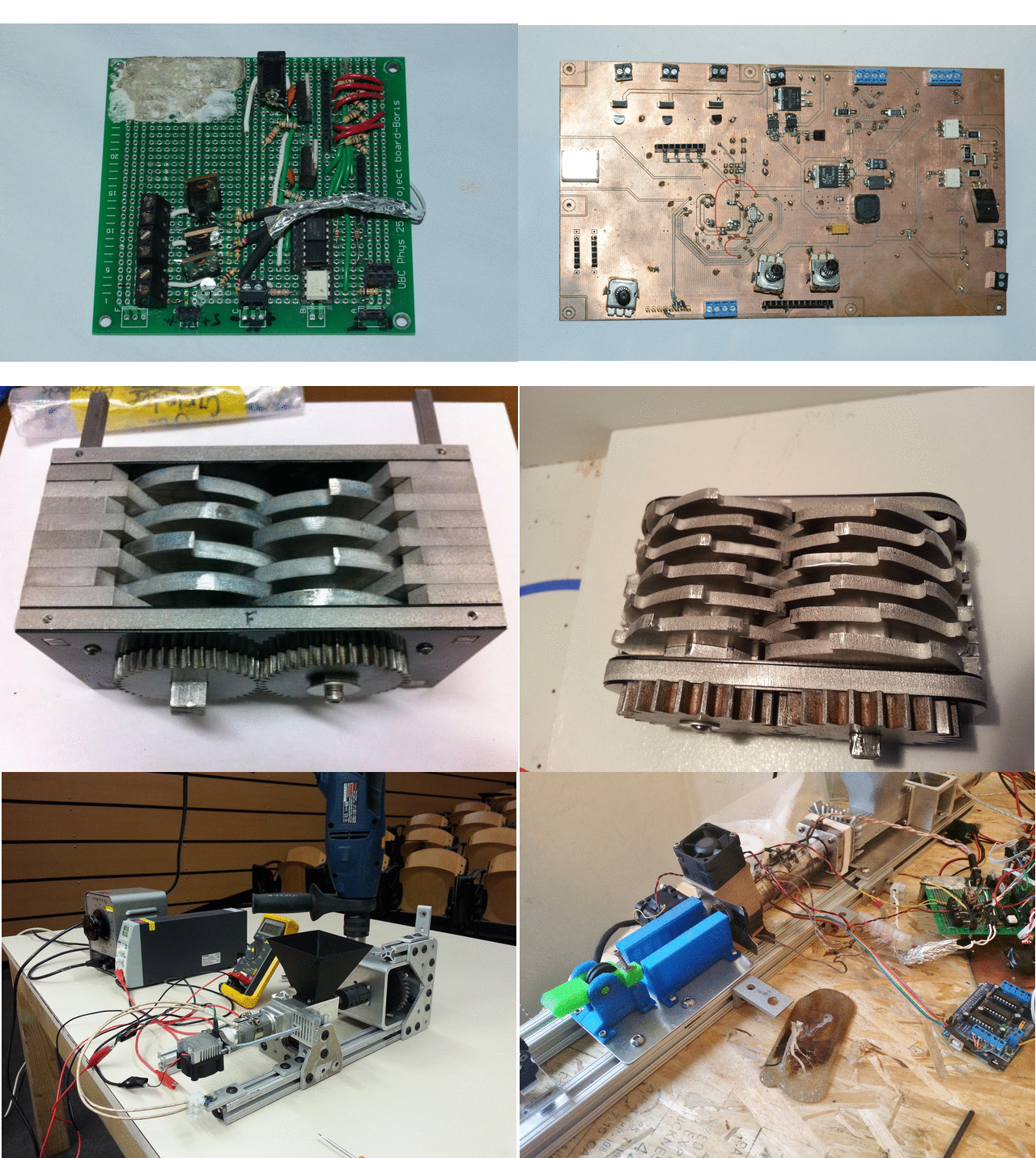 In hearing so much about 3D printers as the wave of the future in manufacturing, we have come to expect the technology to be paired up with terms such as sustainability, environmentally friendliness, and you also hear ‘less waste’ quite often. Many 3D printing enthusiasts quickly find though that while they feel like the sky is the limit with 3D printing, that can be hampered somewhat by the costs involved with purchasing filament. The plastic waste also has the potential to pile up in your work area if you are busy working on many projects and prototypes.
The ProtoCycler has come along to let you enjoy all the benefits of 3D printing, while removing the expense and waste—offering users their own ‘revolution’ – in creativity. Whether you actually need to make filament or not, it looks like a lot of fun cranking out your own free materials right at home.
Featuring open-source software, it’s promised that ‘if your 3D printer can print with it, ProtoCycler can make it.’
After two years of developing their product, the ProtoCycler team has launched an Indiegogo campaign with the goal of reaching $70,000. They are making good progress so far, and if you are interested in purchasing the ProtoCycler, making a substantial pledge is a great way to obtain one of these machines at a discounted early bird price of $599.
Reaching their goal will allow the ProtoCycler team to finish the design and begin work on manufacturing, as well as fulfillment.
While 3D printing can create wasteful filament with limitations in color, as well as being expensive to indulge in when you are busy creating prototypes like mad, ProtoCycler allows a broad use of color with the use of small, affordable pellets—or recycled waste. It’s a new technology allowing extrusion rates of 10 feet per minute with exponentially more efficiency, and materials that work with any 3D printer. The ProtoCycler is extremely user friendly, requiring the user to push just a couple of buttons before producing and recycling filament. For 3D printing enthusiasts and recycling enthusiasts, this is a win win.
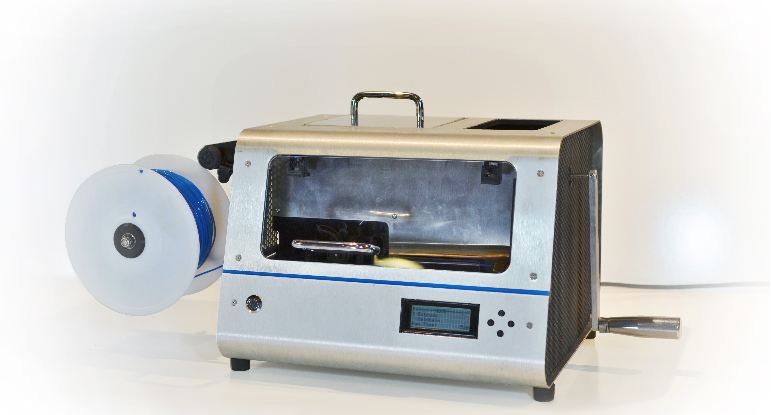
The ProtoCycler comes with its own grinder so that with recycling you are actually making your own valuable filament, saving tons of money and inconvenience. It’s estimated that you can produce a spool of filament for $5 with raw pellets, or at no cost if you are recycling. The recycling filament maker also allows you the independence of controlling and experimenting with your own settings and materials. Consistency is promised, guaranteed by ProtoCycler’s use of MixFlow technology.
Are you using any filament recycling technology currently? Will you be contributing to the ProtoCycler campaign? Tell us about it in the ProtoCycler forum at 3DPB.com.
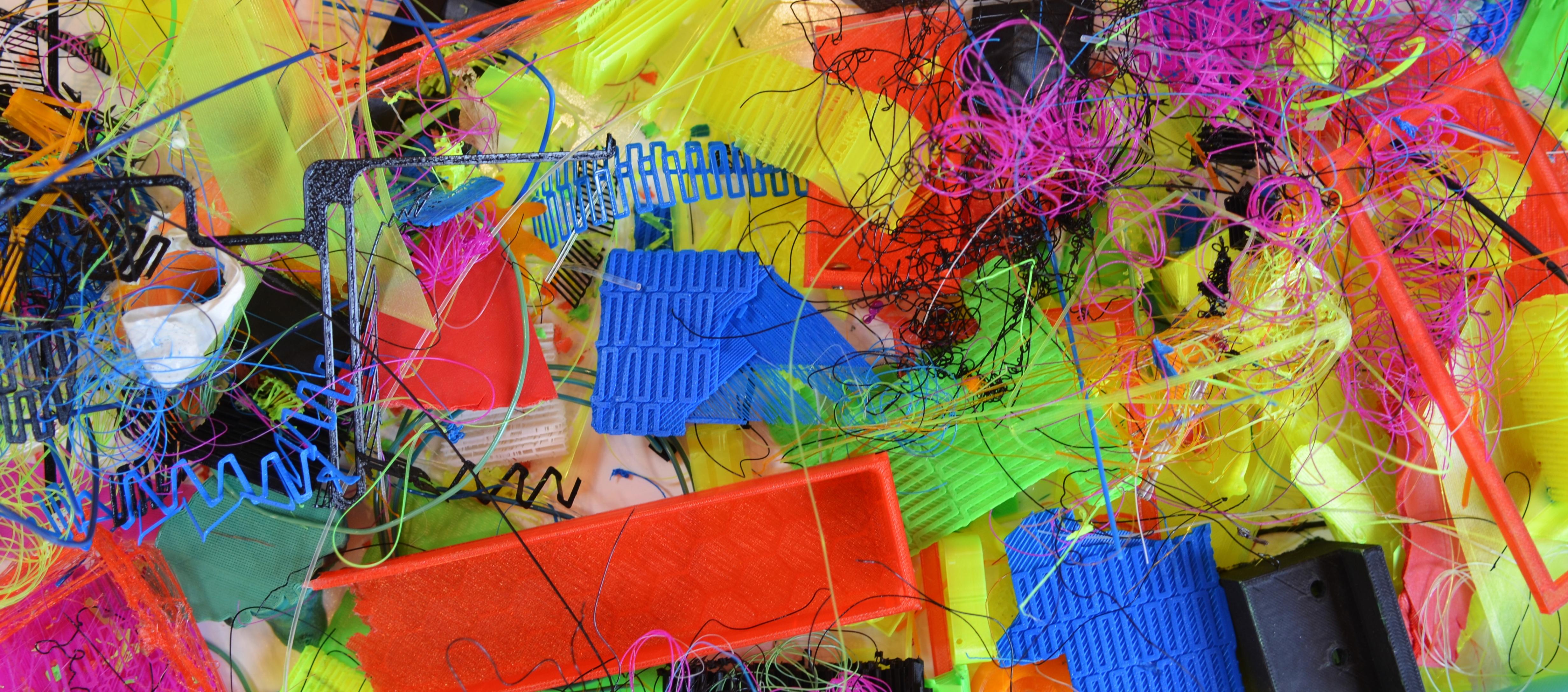
Go from this…
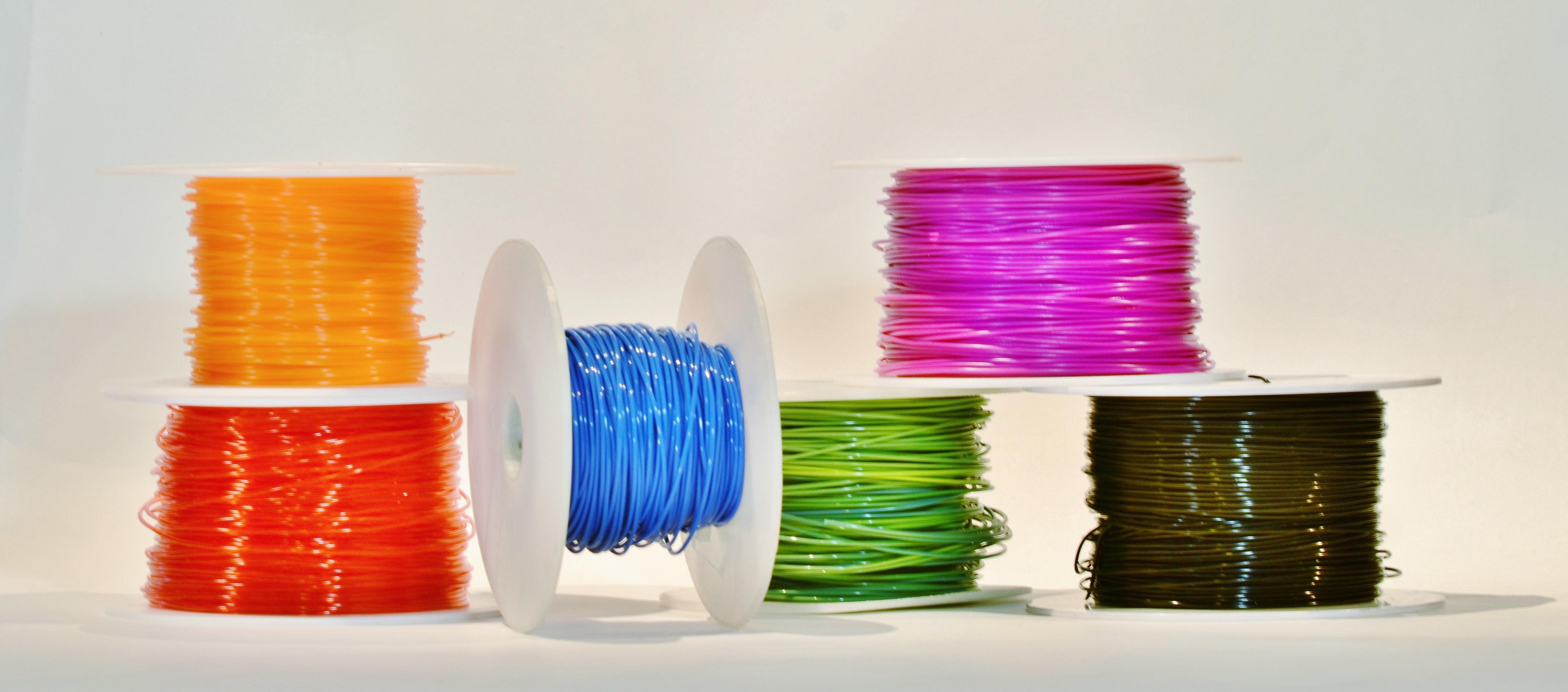
To beautifully recycled filament.
Subscribe to Our Email Newsletter
Stay up-to-date on all the latest news from the 3D printing industry and receive information and offers from third party vendors.
Print Services
Upload your 3D Models and get them printed quickly and efficiently.













You May Also Like
3DPOD 316: Beehive’s Gordie Follin on 3D Printed Engines and More
Gordie Folin had deep experience in engineering at Pratt & Whitney, GE, and GE Aviation before becoming the Chief Product Officer at Beehive Industries. Among his achievements, he served as the...
3DPOD 315: Dirk Simon, from BASF to Farsoon to FKM, and now Square New Business
Dirk Simon had already spent years in the chemicals industry before joining and pioneering BASF‘s 3D printing effort. We get to hear how that firm looked at 3D printing and...
Printing Money Episode 42: Q2 2026 Public Markets 3D Printing Earnings Analysis with Troy Jensen, Cantor
Welcome to Printing Money Episode 42. Troy Jensen (Managing Director, Cantor) returns, joining Danny Piper (Managing Partner, NewCap) to review Q2 2026 publicly traded 3DP/AM company earnings reports. Troy’s quarterly...
3DPOD 314: Debinding, Sintering, and Metal Binder Jetting with Stefan Joens, Elnik Systems and DSH Technologies
Stefan Joens of Elnik Systems sells ovens. Their debind and sintering equipment powers a lot of high-volume binder jet and MIM production. We learn about Elnik and its origins. But...