HP Unveils Metal Jet Production Service, New 3D Printing Offerings at RAPID + TCT 2024

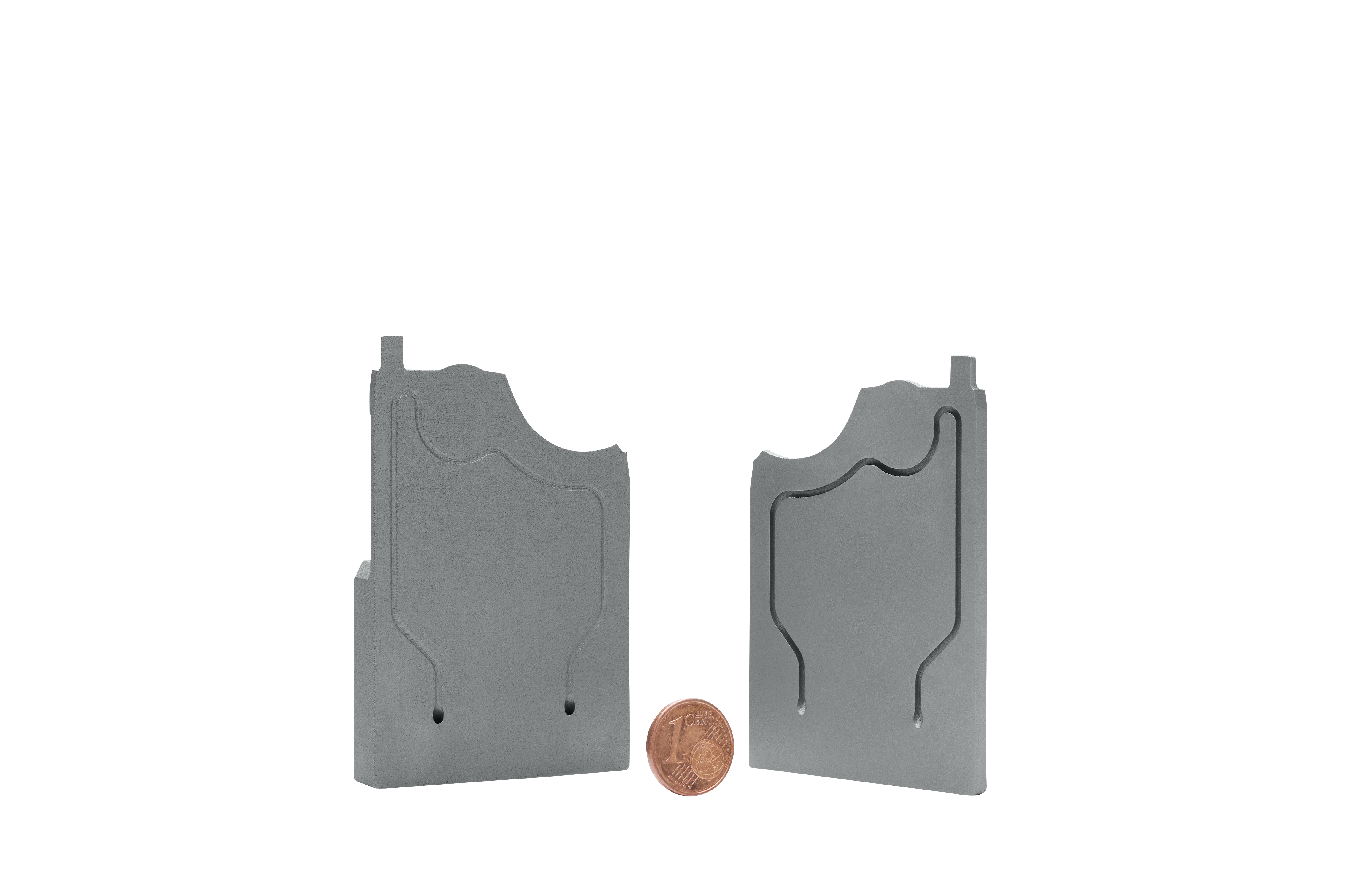
HP, maker of the Jet Fusion and Metal Jet S100 additive manufacturing (AM) ecosystems, has made some big announcements at RAPID + TCT 2024 in Los Angeles (June 25-27), where attendees can learn more about the company’s latest updates at booth #2839. Most excitingly, perhaps, are the announcements surrounding the S100 metal binder jetting (MBJ) printer, which entail the launch of HP Metal Jet Production Service and the establishment of a Metal Jet Adoption Center, located in Corvallis, Oregon.
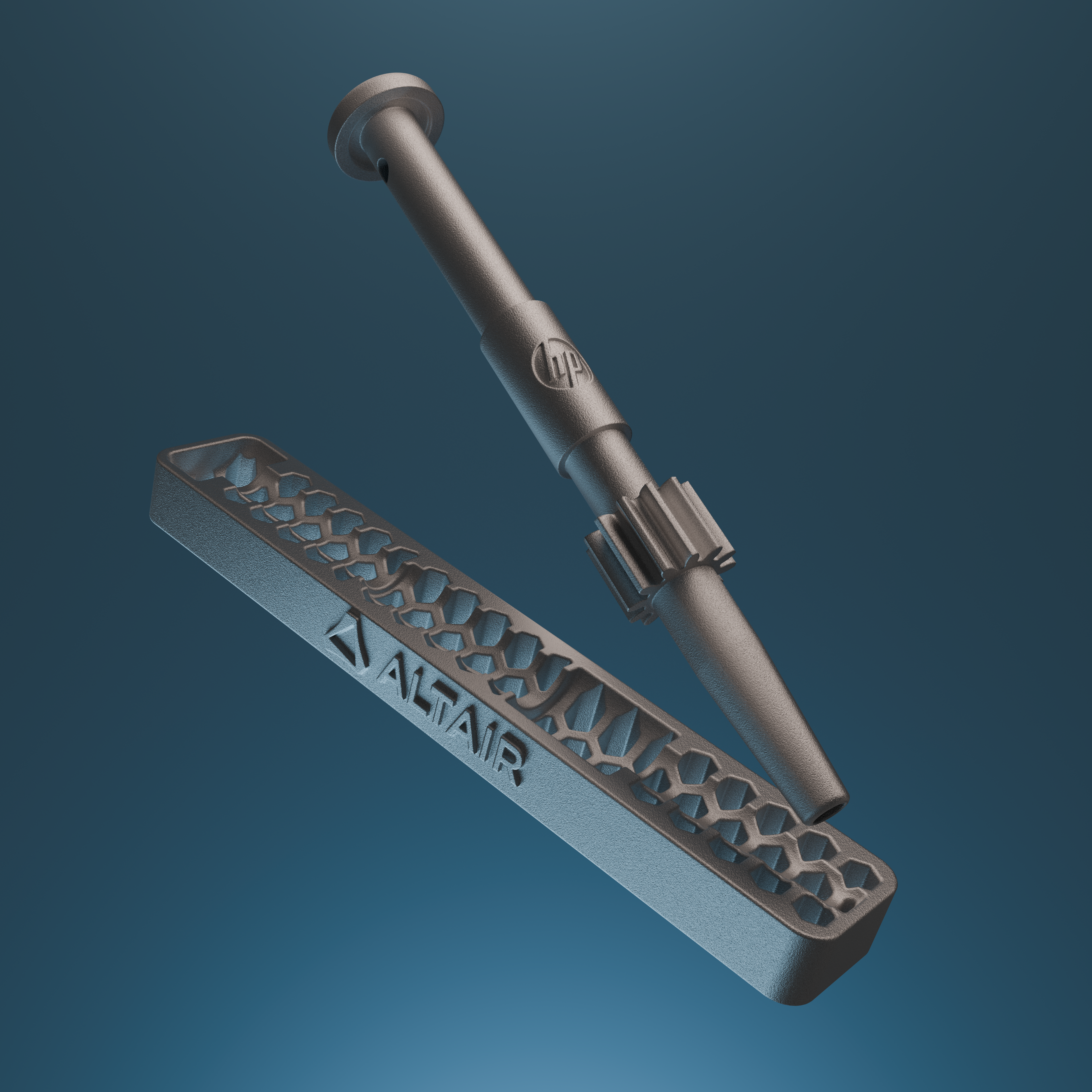
HP also announced that it has enhanced its partnership with Autodesk, while also forging collaborations with Altair, CoreTechnologie, and Dyndrite, all of which aim to improve the user’s design and print preparation process. In addition, the company partnered with 3D and XR software provider Leopoly to create the HP 3D Texture Visualizer, which enables users “to apply and visualize digital 3D textures on their CAD geometry in real time”.
Finally, HP announced a host of continued improvements to its Jet Fusion polymer ecosystem, including Electrostatic Discharge (ESD) print mode, especially important for customers printing parts for electronics products.
In a press release about HP’s multifaceted updates to both its metal and polymer AM ecosystems, Savi Baveja, President of HP Personalization & 3D Printing, said, “HP is deeply committed to driving the [AM] industry forward with persistent and new enhancements to our existing portfolio. Our innovations in both metal and polymer 3D printing technologies are testament to our dedication to advancing the capabilities and applications of 3D printing, empowering our customers to turn their ideas into reality with unprecedented efficiency and quality.”
Yeshwant Mummaneni, Altair’s Chief Engineer of Data Management and Analytics, said, “We are excited to help our customers better design parts for HP Metal Jet and HP Jet Fusion 3D Printing Solutions by giving them access to HP material information. Through this collaboration with HP, we are creating a bridge across the often-siloed functions of design and production of additive parts so that even more exciting applications can be realized.”
As detailed in an AM Research white paper about bridge production, sponsored by HP Digital Manufacturing Network partner Endeavor 3D, HP’s strengths lie just as much in its dedication to building partnerships with a global network of manufacturers, as it does in constantly improving the company’s underlying technologies. These announcements serve to do both at once, and the establishment of the Metal Jet Production Service and Adoption Center illustrate that HP remains as committed to this approach in MBJ as it is on the polymer side.
Further, for the AM industry as a whole, the announcements signal optimism regarding the potential of the MBJ market, particularly concerning demand for MBJ parts in the US. Heightened interest in MBJ should be a positive sign for everyone in the metal powders space, given the realistic possibility that accelerated growth in MBJ could bring new metal AM users into the fold at a faster pace than powder bed fusion (PBF) traditionally has, in turn lowering the overall cost of metal powders.
Images courtesy of HP
Subscribe to Our Email Newsletter
Stay up-to-date on all the latest news from the 3D printing industry and receive information and offers from third party vendors.
Print Services
Upload your 3D Models and get them printed quickly and efficiently.













You May Also Like
3D Printing News Briefs, October 10, 2026: Drones, WAAM, Ceramics, & More
We have a packed 3D Printing News Briefs for you this weekend! First, America Makes celebrated the recent National Manufacturing Day with 3D printed drones, and then it’s on to...
10 Years of Multi Jet Fusion: Onsite at HP’s Vancouver, Washington Facility
At this year’s RAPID event in Boston, HP Additive Manufacturing Solutions celebrated ten years in the additive manufacturing (AM) market. The company ushered in the milestone with several innovations, including...
PharmaTher Plans U.S. Network to 3D Print Medicines on Demand
3D printing medicines has often been tied to the idea of personalization, basically making a pill in the right dose, shape, or drug combination for a patient. PharmaTher is now...
3D Printing News Briefs, September 17, 2026: 3D Printed Boat, UAS Development, & More
We’ll start with maritime manufacturing in this week’s 3D Printing News Briefs, and continue on to defense 3D printing. We’ll end with funding for Tripo AI. Read on for all...