Nigerian Oilfield Services Firm Receives Approval for 3D Printed Parts from Roboze

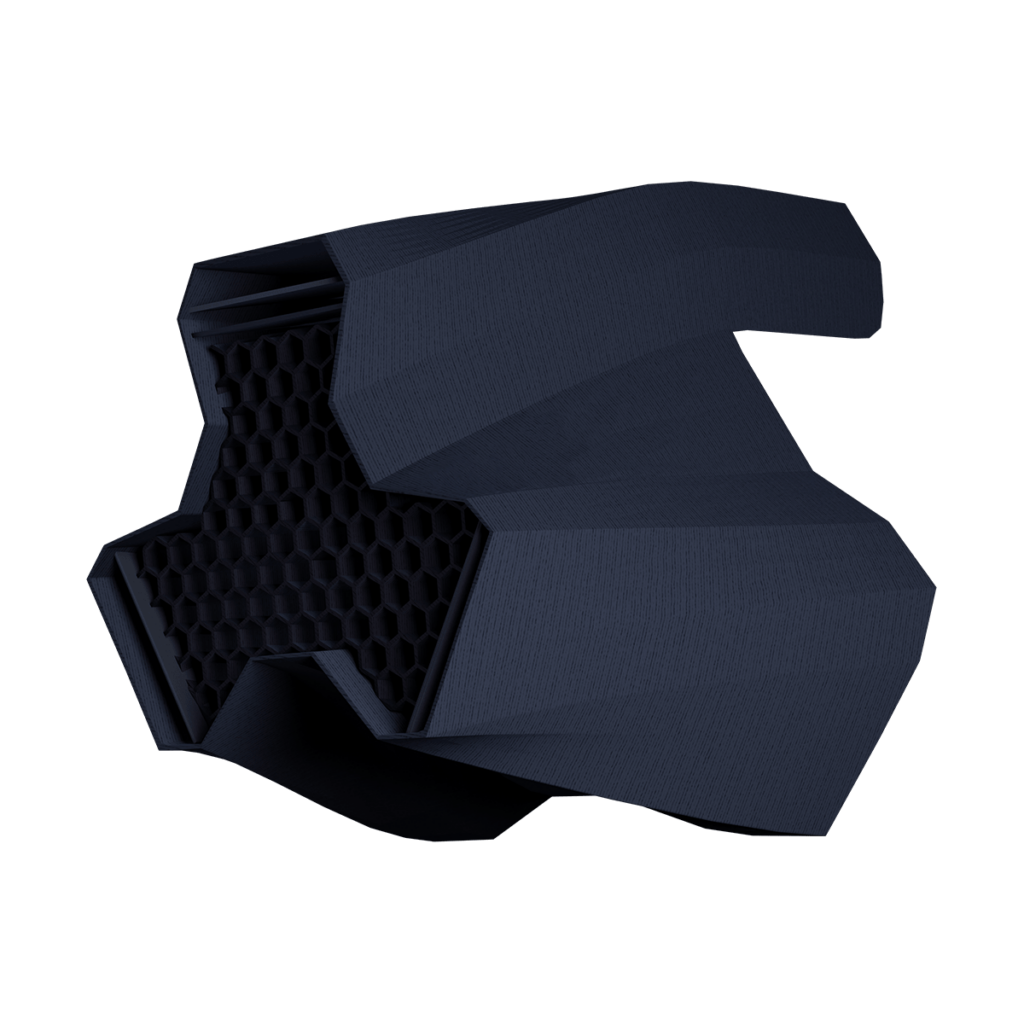
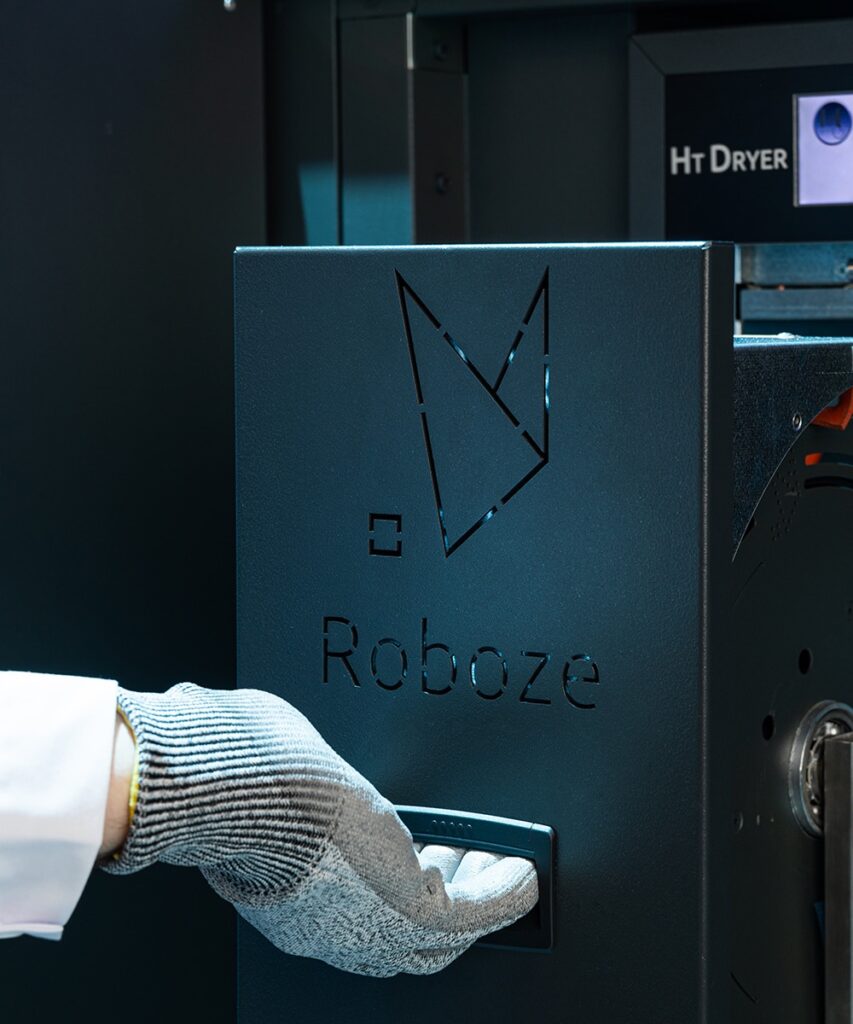
RusselSmith Group, a Nigerian oilfield services provider specializing in digital solutions for upstream activities, has received approval from the Nigerian Upstream Petroleum Regulatory Commission (NUPRC) to use parts 3D printed on the Italian-US original equipment manufacturer (OEM) Roboze’s platform. Roboze’s parts are printed in high-performing polymers and composites like PEEK, enabling performance characteristics comparable to metals.
As such, Roboze has extensive experience in developing polymer additive manufacturing (AM) applications for sectors traditionally dominated by metals, and especially oil & gas. Upstream oil firms — those focused on exploration and production — are a ripe target for these applications, given that their operations are typically far removed from central links in the existing supply chains for metal parts.
That is a crucial advantage for markets like Nigeria, which are remote from major global supply chain nodes, to begin with. Roboze seems to be establishing a niche for itself in this kind of market: early in 2023, logistics specialist Cave Holdings USA joined the Roboze 3D Parts Network to provide the company’s technology in the emerging upstream market of Guyana.
In a press release about the NUPRC’s approval of RusselSmith’s use of Roboze’s 3D printed parts for oil & gas, RusselSmith’s CEO, Kayode Adeleke, said, “This is a new milestone in the Nigerian energy sector, and we are excited to be leading the charge in industrial 3D manufacturing. We are also proud that the NUPRC has, once again, exhibited its role in the industry as not just a regulator, but a facilitator of business in Nigeria. We are building the foundation for a digital supply chain across Africa, and this is just the beginning. With this approval, our non-metallic [AM] solution is now operational and available to service the needs of the Nigerian market.”
The CEO of Roboze, Alessio Lorusso, said “The approval by the NUPRC for the use of this [AM] technology is a significant step forward for Nigeria’s energy sector in embracing digitalization, and we are fully committed to supporting our partner, RusselSmith, with our expertise and global network to ensure the success of this solution.”
Another reason why Nigeria, in particular, could benefit from digitalization in its oil & gas sector is the pervasiveness of illegal refining operations in the country. The illegal refineries are usually made possible simply by locals tapping pipelines and refining the crude themselves in homemade operations, which, in addition to the financial implications, leads to significant loss of life and environmental damage.
Increased digitalization could not only make it easier for legitimate oil operations to track the health of their pipelines, for instance by printing parts with embedded sensors, but could also potentially facilitate the workforce development necessary to allow those working in illegal operations to enter the mainstream labor pool. In this sense, this could turn out to be a good example of how, whatever may be the reason a certain sector turns to digitalization in the first place, once the foundation has been established, all the other potential advantages get put on the table, as well.
Images courtesy of Roboze
Subscribe to Our Email Newsletter
Stay up-to-date on all the latest news from the 3D printing industry and receive information and offers from third party vendors.
Print Services
Upload your 3D Models and get them printed quickly and efficiently.











You May Also Like
AM Research Releases Q3 Market Data & Market Insights Report as 3D Printing Hits First-Ever $4B Quarter
It might not always feel like it, but the additive manufacturing (AM) industry is having a decent year, all things considered. As usual, AM Research (AMR) is busy analyzing and...
Registration Rates for Additive Manufacturing Strategies 2026 Increasing This Week
It may not seem like it, but February is right around the corner, and that means it’s almost time for our 9th annual Additive Manufacturing Strategies event. Returning to New...
Thinking Strategically: AM Industry Consultant Tali Rosman on AM for the Defense Market
By now, more or less everyone in the AM industry seems to grasp the central role in accelerating AM adoption played by the defense sector in general, and the U.S....
AMS Quotes From the Host, Part 2: An Interview with Layered Ltd’s CEO, Peter Rogers
Peter Rogers has held many different titles within the additive manufacturing (AM) industry over the years, with the latest title being CEO of Layered Ltd, the consultancy Peter founded, headquartered...