3D Printing News Unpeeled: Novineer, Desktop Engraving for Circuits and the US Air Force

A US Air Force maintenance unit shows a pragmatic approach to implementing 3D printing for MRO and tooling in the military. The 809th Maintenance Support Squadron´s RAPID, or Reverse Engineering, Advanced Manufacturing, Prototyping, Innovation, and Design unit has saved millions with its 20 3D printers including FDM, Powder Bed and metal machines.
Novineer by Embry-Riddle Aeronautical University Professor Ali Tamijani promises to revolutionize design for 3D printing by integrating simulation, DOE and design.
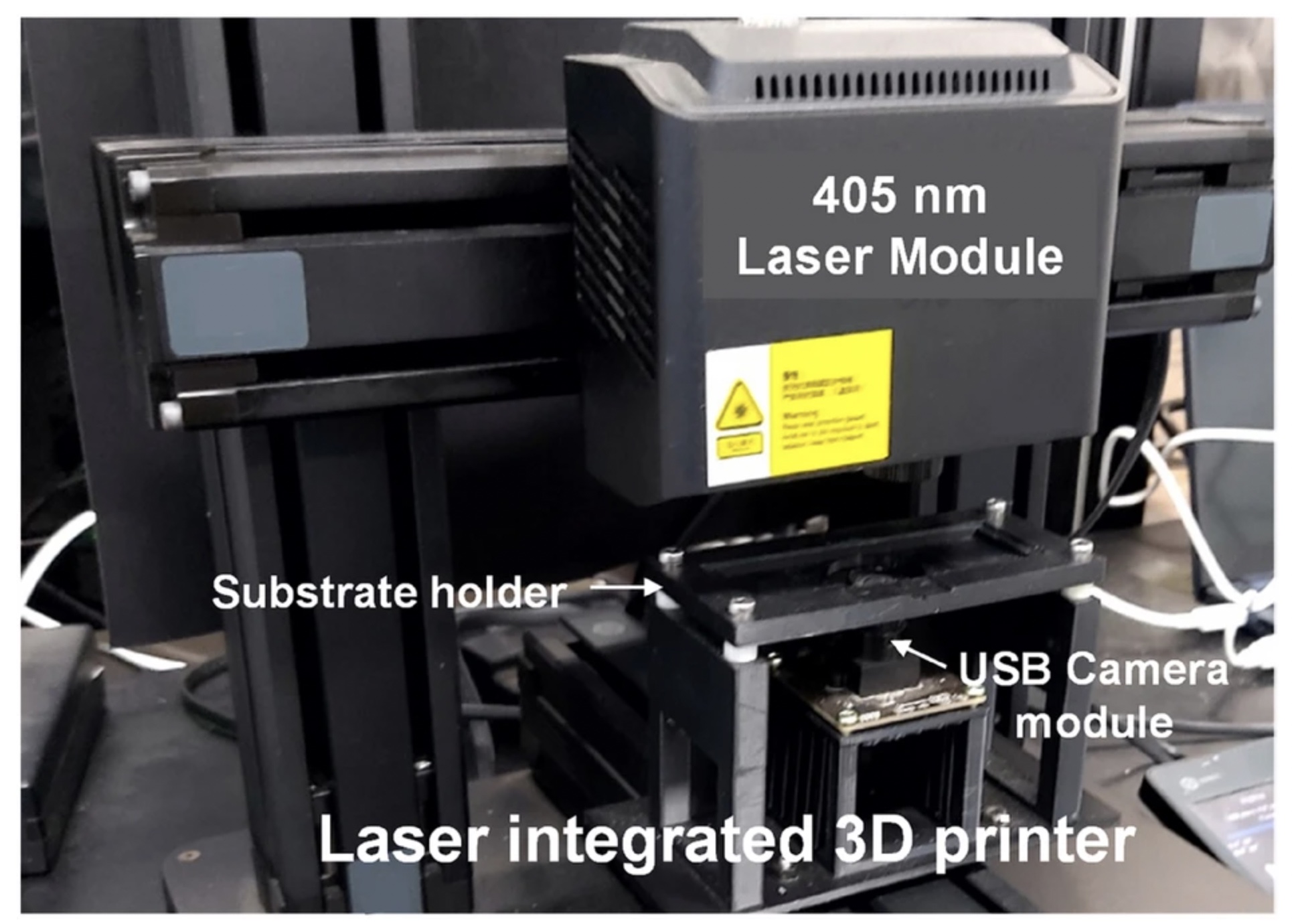
A team at Pusan National University show us how to use an all in one desktop 3D printer costing less than $1000 to make flexible circuits on PI substrates. With the Sub $1000 Dobot Mooz2 they manage to show circuits that could work on the body.
Subscribe to Our Email Newsletter
Stay up-to-date on all the latest news from the 3D printing industry and receive information and offers from third party vendors.
You May Also Like
3D Printing Financials: Steakholder Foods Balances Losses and 3D Printed Tech Advances in 2023
A pioneer in the field of 3D printed meat and fish, Steakholder Foods (Nasdaq: STKH) disclosed its 2023 financial results, a year highlighted by technological progress but overshadowed by financial...
3D Printing Financials: Protolabs’ Q1 3D Printing Revenue is Flat, Company Advances in Technology Push
Protolabs (NYSE: PRLB) has kicked off 2024 with a mild boost in revenue, revealing how the Minnesota-based company manages to adapt and thrive even in uncertain market conditions. While the...
Supply Chain Management and the Role of 3D Printing Digital Inventories
As the additive manufacturing (AM) industry grows beyond its humble roots as a rapid prototyping technology, it has been adopted by some of the world’s leading companies to produce not...
3D Printing Financials: Materialise’s Profitability Amid Revenue Dip in Q1 2024
Materialise (Nasdaq: MTLS) has released its first-quarter earnings for 2024, highlighting a challenging quarter with some key advances despite a dip in revenue. While navigating a mixed performance across its...