JEOL Unveils New Electron Beam Metal 3D Printer

The metal 3D printing industry is experiencing serious waves. If it isn’t new entrants introducing unprecedented quality, then it’s stalwarts unveiling unprecedented numbers of lasers, while bound metal printing begins to pick up speed. One area that had, until recently, been relatively stable had been electron beam powder bed fusion (E-PBF).
However, even that segment is undergoing a shift thanks to companies like JEOL Ltd. (TYO: 6951), which has announced the release of its Electron Beam Metal AM Machine JAM-5200EBM. The Tokyo-based firm claims that its machine relies on “the world’s highest level performance electron microscope and electron beam lithography system for semiconductor manufacturing” to create an E-PBF machine with “higher power, higher density and higher speed”.
JEOL also boasts the quality of its cathode, which it calls the “World’s Longest Life Cathode” for its ability to operate for 1,500 hours or more, in turn reducing downtime between cathode replacement. The machine does not require the use of helium gas, which is meant to maintain print quality over time and reduce costs.
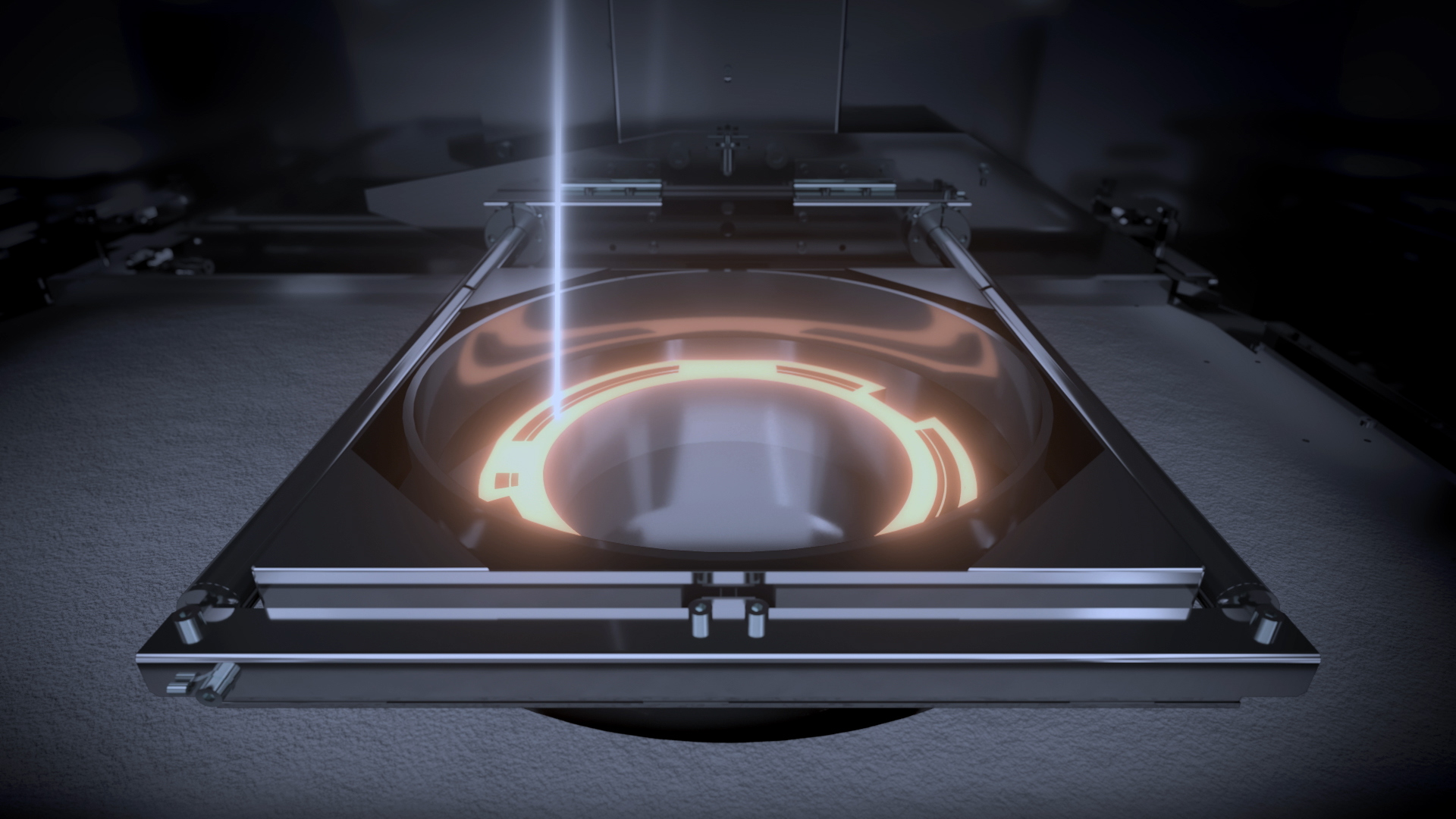
JEOL’s e-Shield system prevents scattering, improving quality, repeatablity, and the longevity of the cathode. Image courtesy of JEOL.
Instead of helium, JEOL relies on its “e-Shield” system to prevent the scattering of powder during printing. In turn, the machine can also operate in a clean space, but the cathode is less susceptible to damage, according to the company. Additionally, the focus of the electron beam can be focused automatically to ensure high quality and repeatability. Finally, the JAM-5200EBM can be monitored remotely.
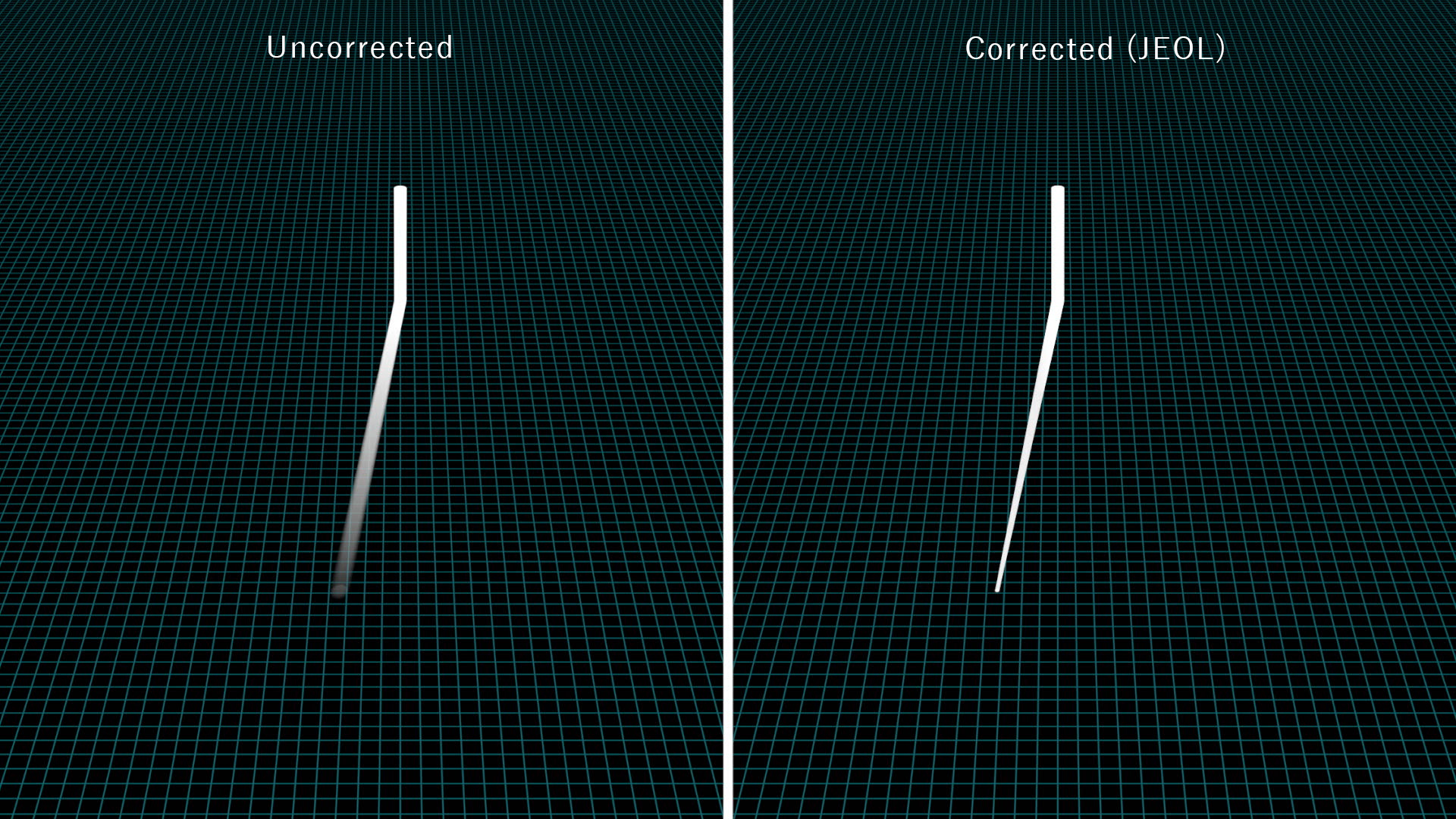
JEOL’s background in semiconductors has allowed for greater quality control over the electron beam. Image courtesy of JEOL.
E-PBF is a new product segment for JEOL, which brought in about ¥107.3 billion (US$ 952 million) in revenues in 2015 for its electron microscopes and other scientific, industrial and medical equipment. Now is a great time for it to move into additive, however, as there are very few competitors in the E-PBF space.
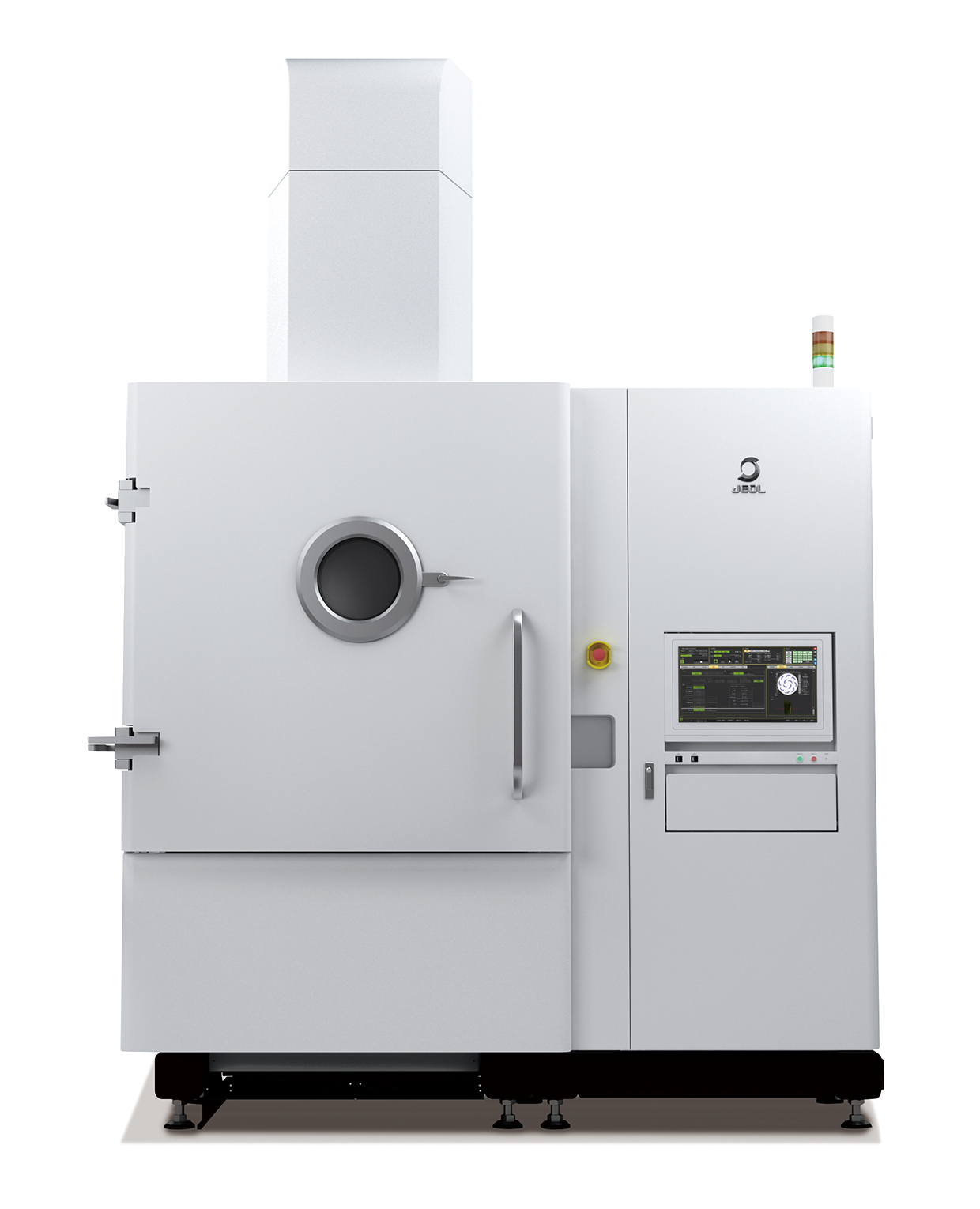
The JAM-5200EBM from JEOL. Image courtesy of JEOL.
Arcam (owned by GE) has for a significant period of time been the loan provider of E-PBF machines. More recently, FreeMelt has also emerged with an open E-PBF machine. There is also a Chinese company called Xi’an Sailong Metals with an electron beam system. JEOL’s closest competitor, however, may be Wayland Additive, as the company claims to overcome some of the same issues and has a similar background in semiconductors. It’s difficult to know how Wayland’s Calibur3 and JEOL’s JAM-5200EBM compare; however, Wayland claims, in addition to a lack of need for inert gases, that the Calibur3 produces parts that do not experience residual stress.
Regardless of the exact comparisons between the two machines, it is exciting to see another manufacturer produce E-PBF machines. JEOL aims to sell 10 units annually at a price of ¥180,000,000 (about USD$1.6 million). As a large manufacturer, it already has direct service locations in over 30 countries, and after-sales service for over 130 countries. So, it may have the existing infrastructure to really take the metal 3D printing industry by storm.
Subscribe to Our Email Newsletter
Stay up-to-date on all the latest news from the 3D printing industry and receive information and offers from third party vendors.
Print Services
Upload your 3D Models and get them printed quickly and efficiently.











You May Also Like
From Material Maturity to Fleet Execution: What Comes Next for Additive Manufacturing in the U.S. Navy
Additive manufacturing is steadily moving from experimental use toward routine application in U.S. Navy shipbuilding, sustainment, and much more. In recent years, the Navy, working through its Maritime Industrial Base...
Industrial Additive Manufacturing Reaches Its Most Important Inflection Point
Additive manufacturing is entering the most consequential period in its evolution. After years of experimentation and uneven adoption, the industry is showing renewed momentum, shaped by supply-chain pressures, and a...
Scaling Beyond 10 Printers: When Support Becomes a Bottleneck
The leap to industrial-scale 3D printing is a support problem, not a hardware problem. A 3D print farm is a centralized facility that uses a large number of 3D printers...
Reshoring Requires Rules of Engagement
Reshoring manufacturing in the U.S. is a stated national priority. Policymakers, industry leaders, and defense planners agree that domestic production capacity is essential for economic resilience, national security, and long-term...