ASTM and UL to Publish ISO-ASTM Standard for Additive Manufacturing

Nonprofit standards development organization ASTM International, which develops and publishes technical standards for a range of industries, materials, products, services, and systems around the globe, has signed a memorandum of understanding (MoU) with Underwriters Laboratories (UL), another nonprofit which works to advance its mission of public safety through discovery and application of scientific knowledge. The agreement will set up a framework for a cooperation between the two to create an international, dual-logo ASTM and International Standardization Organization (ISO) standard.
“We are announcing a collaboration agreement with ASTM International that will result in an ISO-ASTM standard for additive manufacturing facility safety management,” Patrick Wilmot, Communications Manager for UL Standards, told 3DPrint.com. “This is an exciting partnership for our organizations and we believe it will be of great use to the AM industry.”

While ASTM signed an MoU with German testing and certification organization TÜV°SÜD at formnext 2019, and created the Additive Manufacturing Standards Development Structure with ISO back in 2016, this new MoU is the first international collaboration agreement of its kind with fellow standards development organization UL.
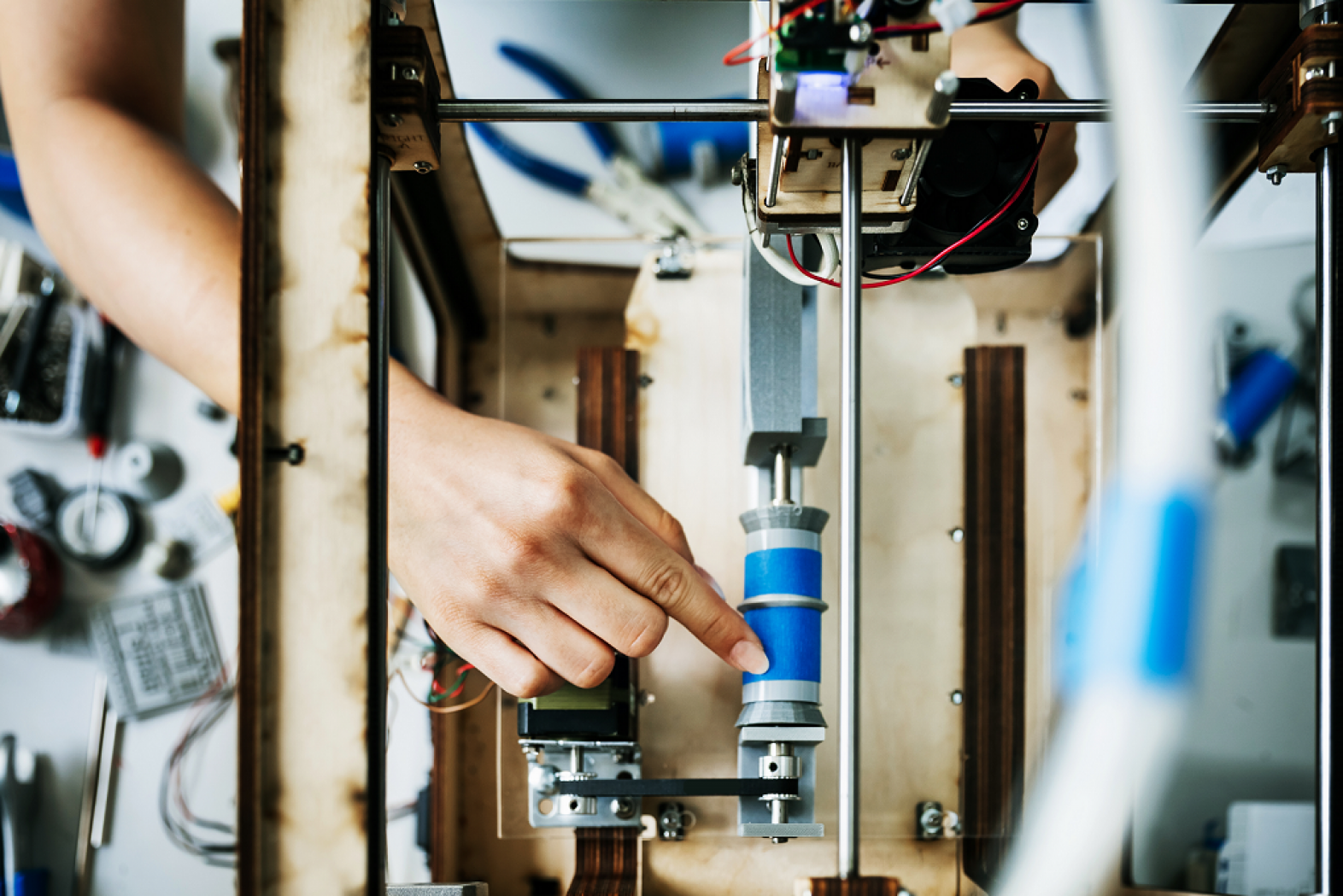
(Image: Underwriters Laboratories)
“This partnership brings together both organizations’ expertise and shared desire to drive global safety. It leverages ASTM’s technical committee and relationship with ISO with our document and research to drive impact and positively influence the international standards landscape,” said UL Standards Vice President Global Standards Phil Piqueira.
The terms of this new MoU state that ASTM will act as the standards developing organization (SDO) for the agreement, which includes responsibilities such as managing all activities and administrative support. In addition, it will convene the organization’s F42 additive manufacturing technical committee, first formed over a decade ago, in order to review and advance the UL document, the basis of which is its 3400 Outline of Investigation for Additive Manufacturing Facility Safety Management. Once the document, developed with UL research, is complete, ASTM will publish the standard.
 ASTM has an existing agreement with ISO to publish its standards documents as ASTM-ISO standards, which means that UL Standards will transfer its copyright of the material in the UL 3400 document over to ASTM so that it can officially be published as an ISO-ASTM standard. The complete, published standard will also be attributed to UL Standards, due to its content and technical expertise.
“The collaborative nature of global standardization creates many opportunities for partnership with other SDOs. We appreciate these opportunities to share knowledge with partners like Underwriters Laboratories to help advance public safety in this fast-evolving field,” stated Brian Meincke, ASTM International’s Vice President of Finance, Business Development and Innovation.
What do you think about this news? Let us know! Discuss this story and other 3D printing topics at 3DPrintBoard.com or share your thoughts in the Facebook comments below.
Subscribe to Our Email Newsletter
Stay up-to-date on all the latest news from the 3D printing industry and receive information and offers from third party vendors.
Print Services
Upload your 3D Models and get them printed quickly and efficiently.













You May Also Like
Why the AM Industry Should Pay Attention to Schneider Electric’s $22.6B PTC Acquisition
By late 2024, there was already enough signaling of the additive manufacturing (AM) industry opportunity in the data center infrastructure market for AM Research to write a report on the...
How Does Nike’s 3D Printing Approach Fit Into Its Restructuring Plan?
Shares of Nike stock hit all-time highs in late 2021 but have cratered in the years following, with the company losing nearly 80 percent of its market cap since peaking....
3D Printing News Briefs, October 1, 2026: Defense, Enclosures, & More
In today’s 3D Printing News Briefs, we’re starting with defense news, first from Massivit and then from AML3D. Then we’ll move on to U.S. manufacturing of a new large-format LPBF...
South Korea’s Lincsolution Lands Hanwha Defense Deal as Hanwha Invests Billions in US
I recently wrote about how the South Korean additive manufacturing (AM) firm Lincsolution is building an aerospace and defense hub, part of the company’s construction of “the largest AM facility in...