Interview with John Barnes of The Barnes Group Advisors 3D Printing Consulting

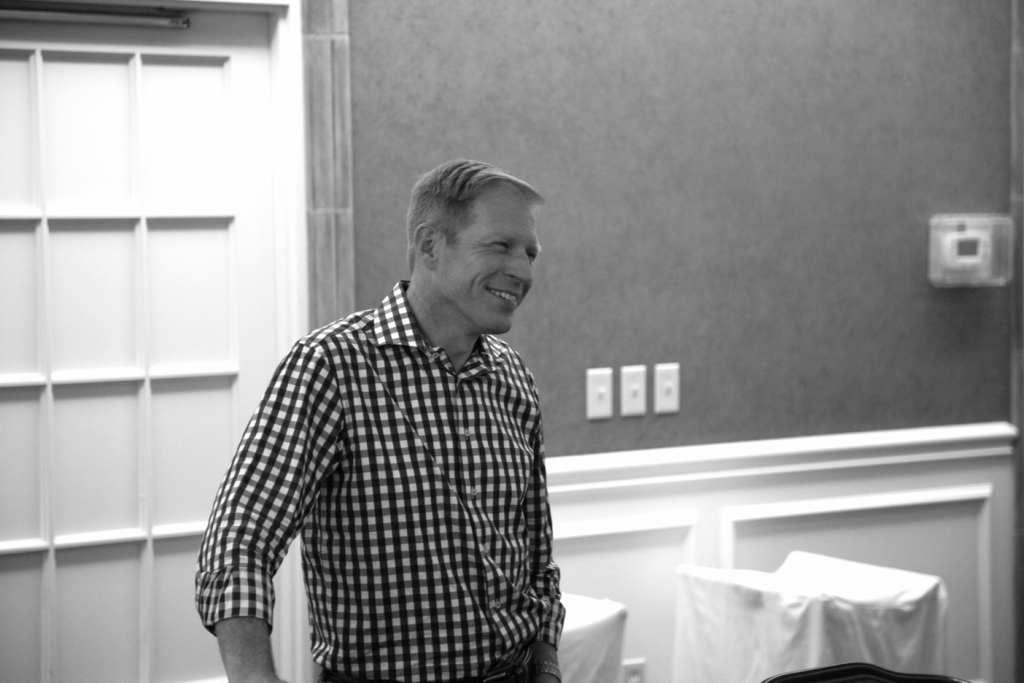
We had an opportunity to aks John Barnes of The Barnes Group Advisors some questions about 3D printing and 3D printing adoption. John has been working in 3D printing since the nineties, was a senior manager at Lockheed Martin’s Skunk Works and helped bring metal 3D printed parts to a number of experimental military aircraft as well as working on implementing the technology on the F-22, F-35, and other programs. He later ran Australian research institute CSIRO‘s metal printing activities before working as a Vice President of metal production giant Arconic. He now is an Adjunct Professor, Royal Melbourne Institute of Technology, Adjunct Professor, Carnegie Mellon University, Adjunct Senior Research Fellow, Monash University and heads up the Barnes Group. This consulting team helps companies industrialize 3D printing. John is essentially someone who while racking up the frequent flyer miles is a one person ecosystem for industrializing metal 3D printing.
How did you get started in 3D printing?
My journey in additive started in the 90’s. As a young engineer at Honeywell Engines, I joined a CRADA with Sandia National Labs and nine other companies to help nurture a Directed Energy Deposition system, which later became the Optomec LENS process. I consider myself lucky to have joined the industry so early.
How difficult was it to implement 3D printing in aerospace?
It takes a lot of work to get the first of any new technology on board a flight vehicle. All parties really have to work well together to combine multiple disciplines and departments. Managing expectations is also critically important. The customer has demanding commercial and technical requirements which can be at odds with supplier’s needs and expectations, so communication is a critical element of keeping management aware and on board. The technology is also highly interdisciplinary and requires juggling many technical issues at once. Having excellent relationships with partners both up and down the supply chain is crucial. It is difficult, but not necessarily more difficult than implementing any new technology, it is also incredibly rewarding.
What are some of the roadblocks to 3D printing adoption?
Training to me is the number one issue. Cost is important, but training engineers on how to design for the process is highly important in being able to meet the cost goals.
What is some advice you can give for a large industrial company wanting to use 3D printing?
Get some advice first. Don’t buy a machine and try to figure it out after. Given the diversity of the technology available, there are many solutions to choose from, and there is likely a service bureau that can help you to start your journey. We utilize a proprietary AM Maturity Model to describe the need and the benefit of starting with prototypes, then tools and fixtures, before moving to direct parts. The requirements increase as you move up in product complexity, as does the learning required. You have to match your organization’s learning to be able to hit the higher product requirements.
There’s a lot of excitement now about PEAK, PEI and these types of materials how do you see them fit into the manufacturing space?
I think there is still huge opportunity with the advanced polymers in AM. They have similar value propositions to metals like Titanium because they are costly. I believe that we will see innovative uses of high-end polymers where we traditionally saw metals because they can match the mechanical performance of metals like Aluminium, but with superior corrosion resistance. One of the exciting things about AM is the process cost dynamic enable engineers to explore materials that were previously considered to be too expensive.
What kind of customers do you work for?
We work with all types of organizations across the AM supply chain, as well as start-ups and investment companies. We have a diverse customer base. As I like to say, we’re just here to help.
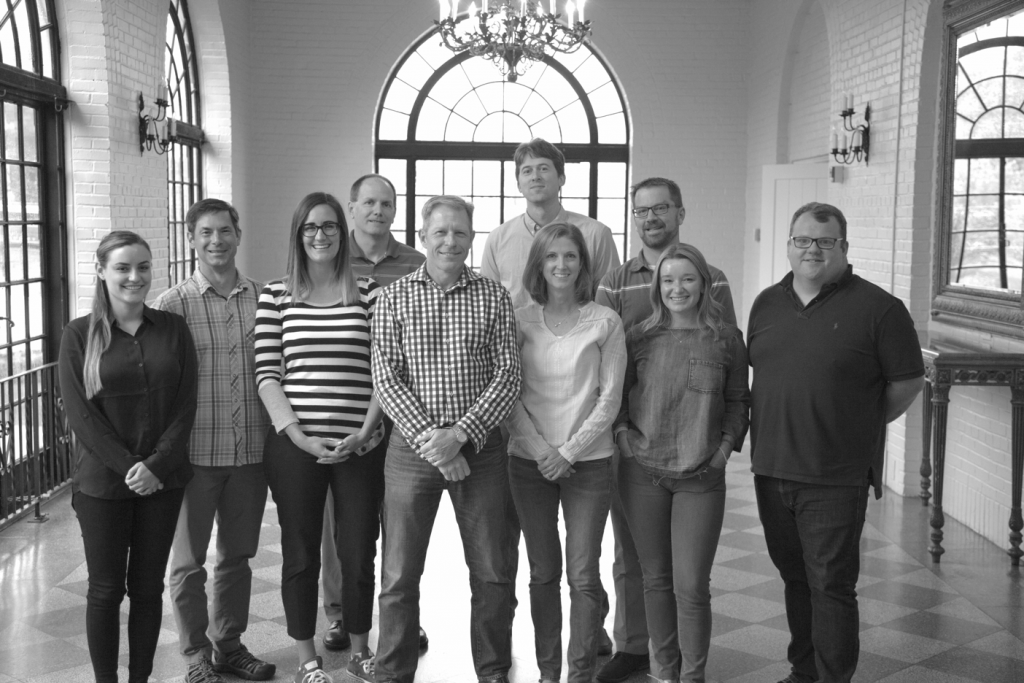
Why should I work with you?
For our team. I believe our team is the best in the business under one roof. We partner continuously with other like-minded firms to provide the best possible outcome for our clients. Our team and our network is unparalleled in the industry. We can cover all 7 ASTM AM methods from materials through to design and product qualification, and train your organization on how to get the most out of AM quickly and safely.
Subscribe to Our Email Newsletter
Stay up-to-date on all the latest news from the 3D printing industry and receive information and offers from third party vendors.
Print Services
Upload your 3D Models and get them printed quickly and efficiently.











You May Also Like
3D Printing News Briefs: February 19, 2026: Market Data, Africa, Metal Parts for Defense, & More
We’re starting with some business news for you in today’s 3D Printing News Briefs! The Wohlers Report 2026 is now available, Carbon announced its new Chief Technology Officer, and Farsoon...
“A More Complete End-to-End Solution”: Stratasys Launches Post-Processing Partnership Program
I think it’s safe to say that post-processing is no longer considered the “dirty little secret” of 3D printing that it once was, with users realizing that finishing is just...
Why SiC-Dedicated Additive Manufacturing Is Gaining Industrial Relevance
Silicon carbide is not a material problem—it’s a manufacturing one. Silicon carbide (SiC) has become a critical material across semiconductors, aerospace, energy, and defense. Its exceptional thermal stability, chemical resistance,...
3D Printing News Briefs, February 5, 2026: Advisory Board, Virtual Twins, & More
We’re starting with business in today’s 3D Printing News Briefs, including a new website launched by Metamorphic AM. Massivit appointed two senior leaders to its advisory board, and Dassault Systèmes...