Allegorithmic Offers Photorealistic 3D Print Previews with Substance Source

 While the 3D model on your screen certainly provides insight into what your product will look like once it is fabricated, it doesn’t actually provide you with all the information you might need to make decisions about your print. For example, different materials and 3D printing processes leave different surface textures that will be visible on your final product but aren’t shown in the smooth rendering provided by your print previews. The team at Allegorithmic would like to change all of that and remove some of the anxiety of the unknown from the print process. As Product Manager of Substance Source and CMF Designer at Allegorithmic Nicolas Paulhac explained:
“Product previews for 3D printing have been almost nonexistent until now. With this new collection, we wanted to offer designers the ability to experiment with a new sense of tactility through photorealistic renderings, so they can almost feel the object in their hands before they print it.”

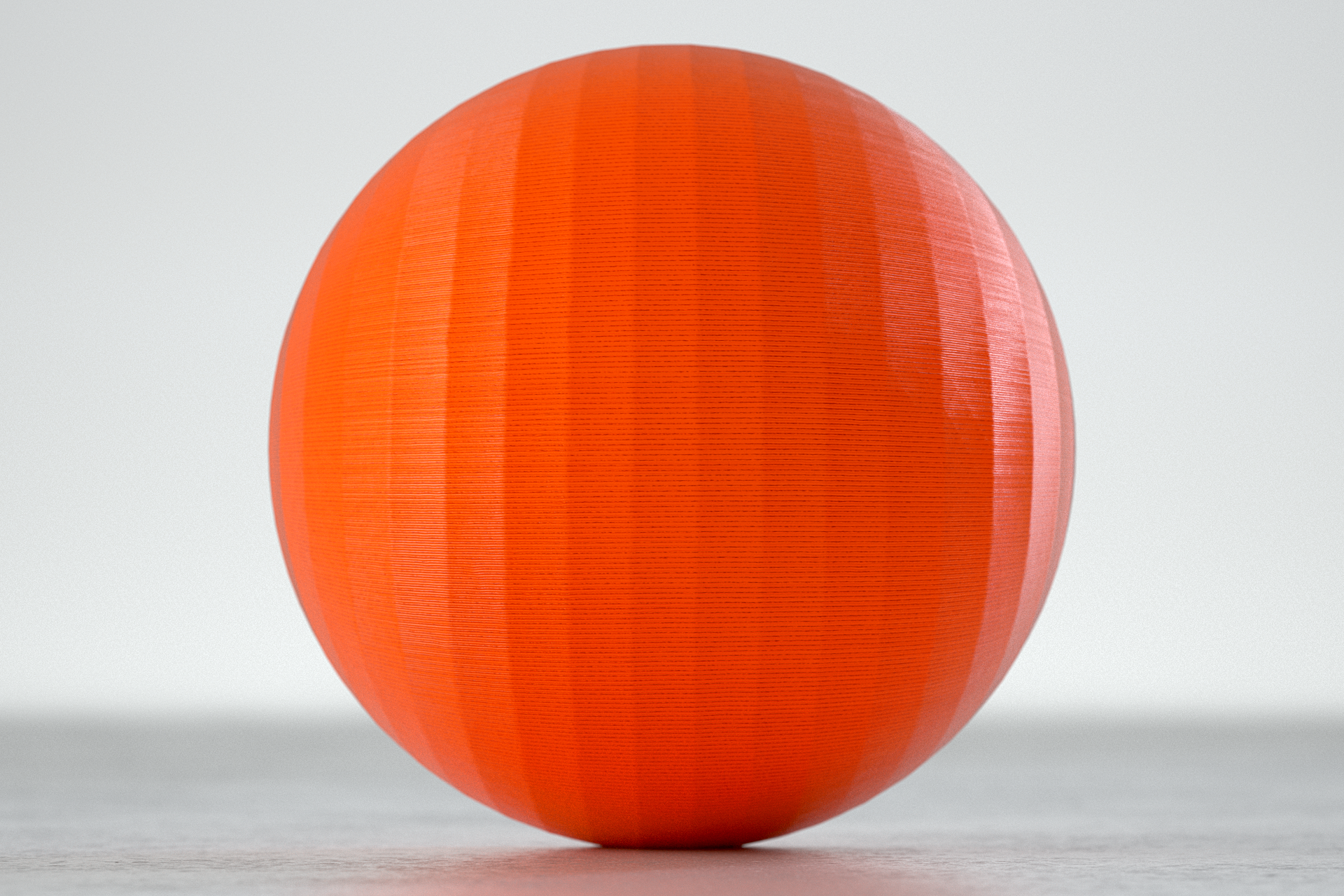
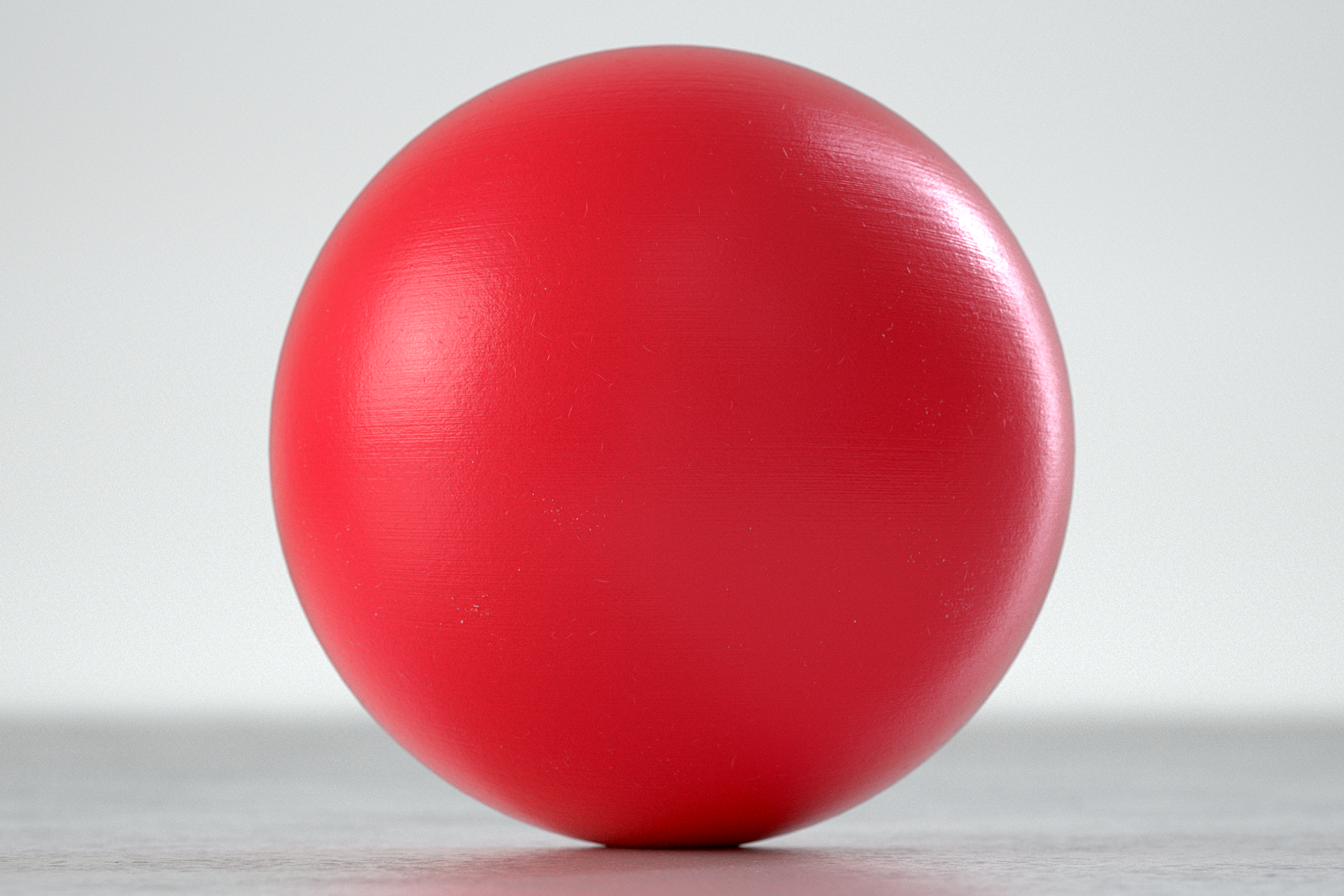
The French company spent months investigating and documenting the ways in which different materials express the qualities of the 3D printer. They did this in order to create an algorithm that would allow users to input their 3D model and select the material whose final appearance they would like to be able to see. As every material works a bit differently, their time was spent determining how to best portray the color, roughness, slice shape, regularity, and other attributes associated with each. In addition, they also examined the differences among printer heads in order to be able to provide that parameter to their imagery as well.
 As a result of this careful study, they are now ready to release the 3D print collection Substance Source which offers approximately 1,300 materials for digital experimentation. They are offering this service on a monthly subscription basis ranging from an Indie plan ($19.90) to a Pro plan ($99.90); annual subscriptions are also available, as is the possibility of setting up an account that gives access to the entire library. As Paulhac described:
“From experiments by creative hobbyists to the aerospace industry, going through character artists, game or VFX exploring new creative universes, additive manufacturing is leaving its (3D) print on our conception of modern product design as the fundamental brick to the industry 4.0.
This winter, Substance Source expands with more than 50 tweakable materials dedicated to 3D printing.
We have mimicked the visual characteristics of 10 additive manufacturing technologies to help artists previsualize the results of 3D printing in photorealistic ways.
Like any process of material transformation, the tools used for 3D printing leave a mark on the surface of the material. We believe that materials incorporating these effects are more necessary than ever – both for creating exciting previews, and from a purely tactile, aesthetic point of view.
With these materials, we want to give designers and artists the opportunity to create new tactile experiences using these ‘process-driven’ textures.
Each material is built with a specific set of modifiable parameters that vary the visual attributes. The possible variations range from color and roughness to slice shape and regularity, as well as random printer nozzle micro-spills of material amount and distribution.”

There is little reason to doubt their claims as Allegorithmic is a rising star in the 3D print world; since their beginning in 2001 they have been regularly recognized for their innovation and high-quality work. Their product Substance Designer launched in 2010 and has continued to improve and expand, as have their operations which have gone from a single location in France to offices in North America and Asia. By 2015, they had become the world standard for game textures. In 2016, the company joined the BPI Excellence investment fund, an initiative of the French government that acts to support companies that demonstrate great potential and swift growth.
-
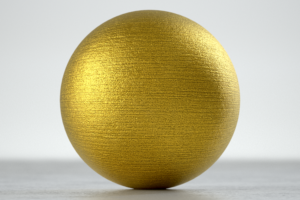
- Material previews through Substance Source: DMLS

-
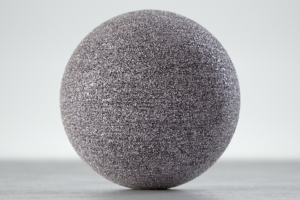
- EBM

-
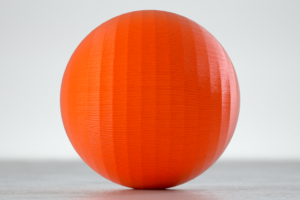
- FDM
-
- SLA
What do you think of this news? Let us know your thoughts; join the discussion of this and other 3D printing topics at 3DPrintBoard.com or share your thoughts below.
[Images: Allegorithmic]
Subscribe to Our Email Newsletter
Stay up-to-date on all the latest news from the 3D printing industry and receive information and offers from third party vendors.
Print Services
Upload your 3D Models and get them printed quickly and efficiently.











You May Also Like
The Future of Metal Parts for Aerospace and Defense
Aerospace and defense manufacturing is entering a pivotal era. The demands placed on metal parts have never been higher, driven by rising performance expectations, increasing system complexity, and an operating...
6K Additive Goes Public on ASX
After years of negative investor sentiment in public markets, the additive manufacturing (AM) industry has seen a modest resurgence in Initial Public Offering (IPO) interest in 2025. Back in August,...
New Frontier Aerospace Wields Mjölnir, a 3D Printed Engine for Hypersonic Flight
In less than five years, startup New Frontier Aerospace (NFA) has successfully tested a new kind of rocket engine that could make spaceflight cleaner, faster, and more reusable. In June...