Torn, Crumpled, Folded: Nendo Uses 3D Printing to Display the True Elegance and Power of Paper


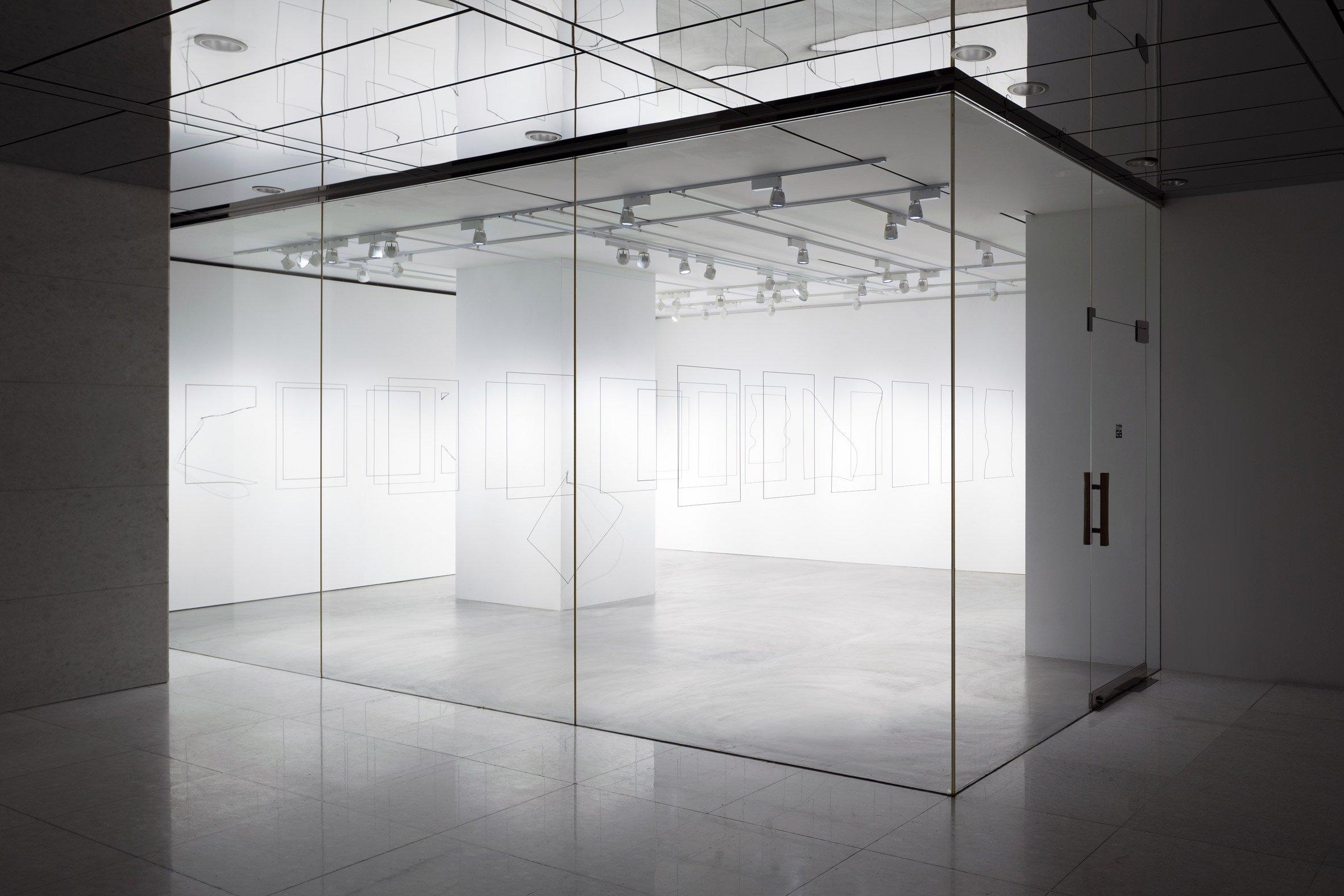
 We’ve seen a lot in 3D printing, but hands down, the 3D printed paper exhibit at Tokyo Creation Gallery G8, being shown from October 12 to November 17, is truly spectacular—in all of its splendor with understated lines. There’s not much to a piece of paper, or a stack of them, but Nendo has elevated what usually begins as wood pulp to elegant form, sometimes similar to a wire caricature. One must wonder if they would understand what the forms are without being told ahead of time, but once that secret is out, the forms are fascinating in their simple beauty.
The exhibit is formally called ‘un-printed material,’ and works in an area Nendo already has experience with: making 3D pieces that look like sketches. In keeping with the gallery’s focus on visual communication, Nendo worked to create a relevant theme. Obviously, paper is a perfect choice—although not something many of us would have thought to re-create in such form, via both 3D printing and manual creation.
“Graphic designers use paper as a medium to express their ideas. Similarly, we wanted to work with paper but approach it from a different angle,” states Nendo.
“By zeroing in on the finer details and carefully representing them in the outlines, we attempted to capture that unique essence of paper that we have all felt at one time or another.”
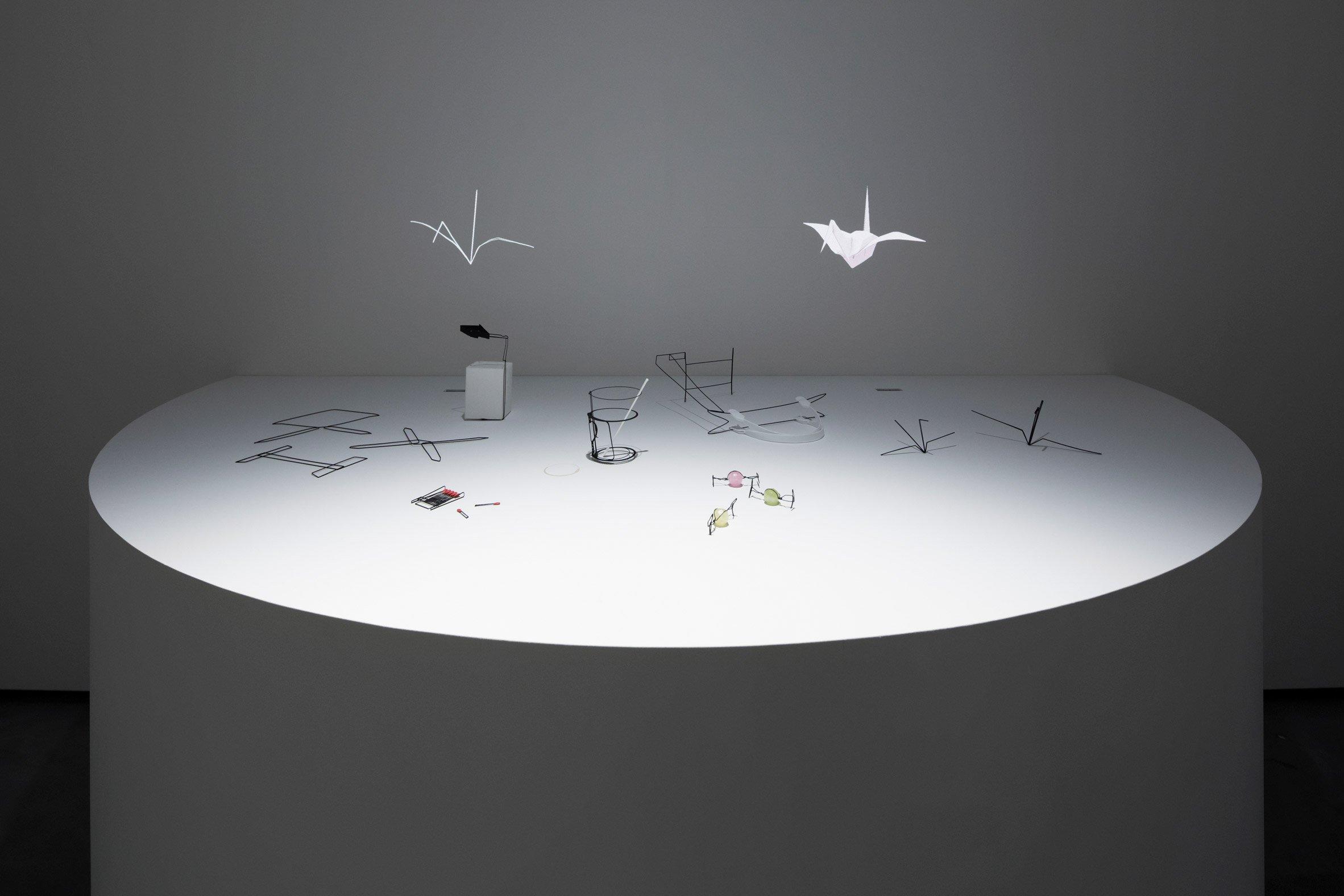
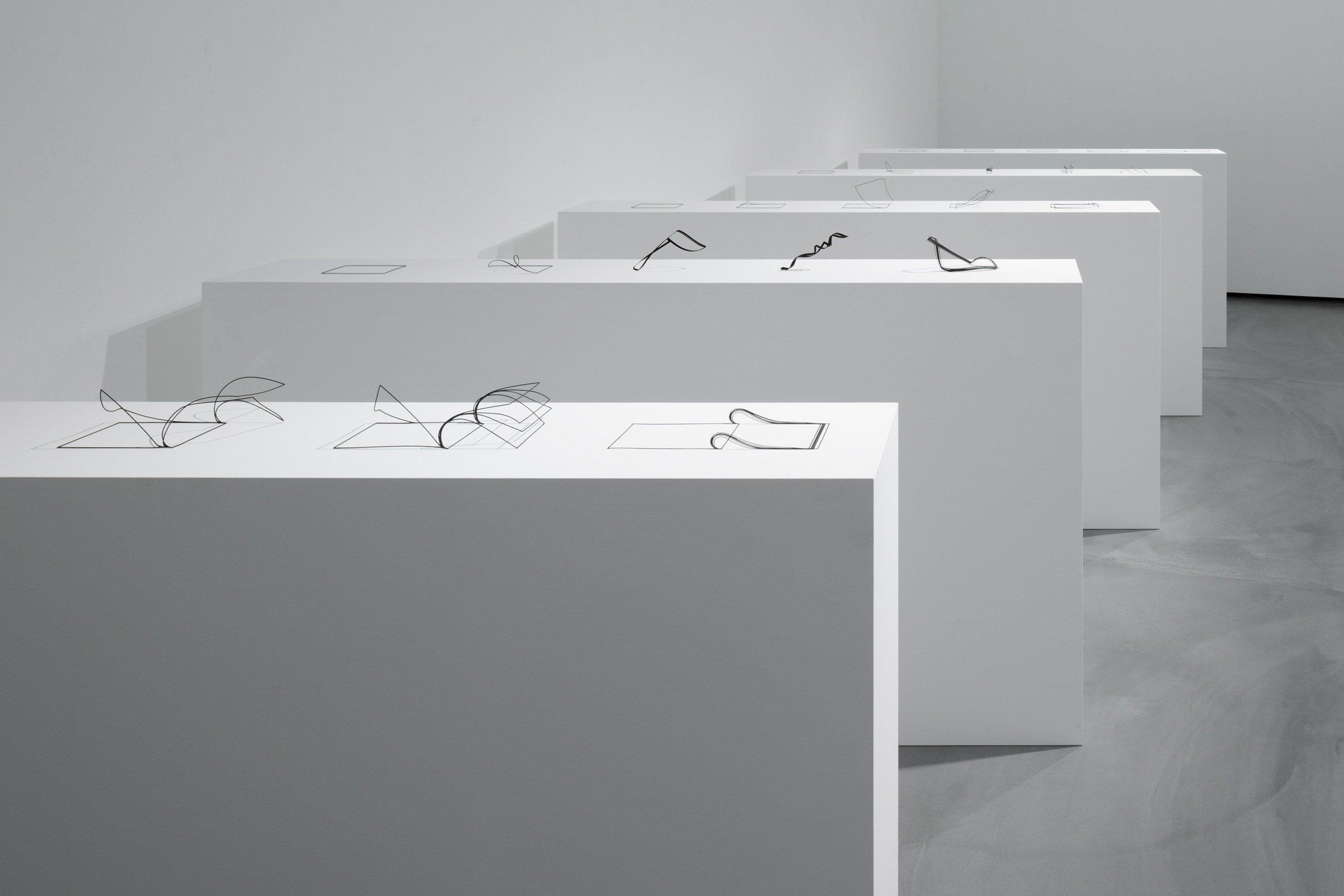
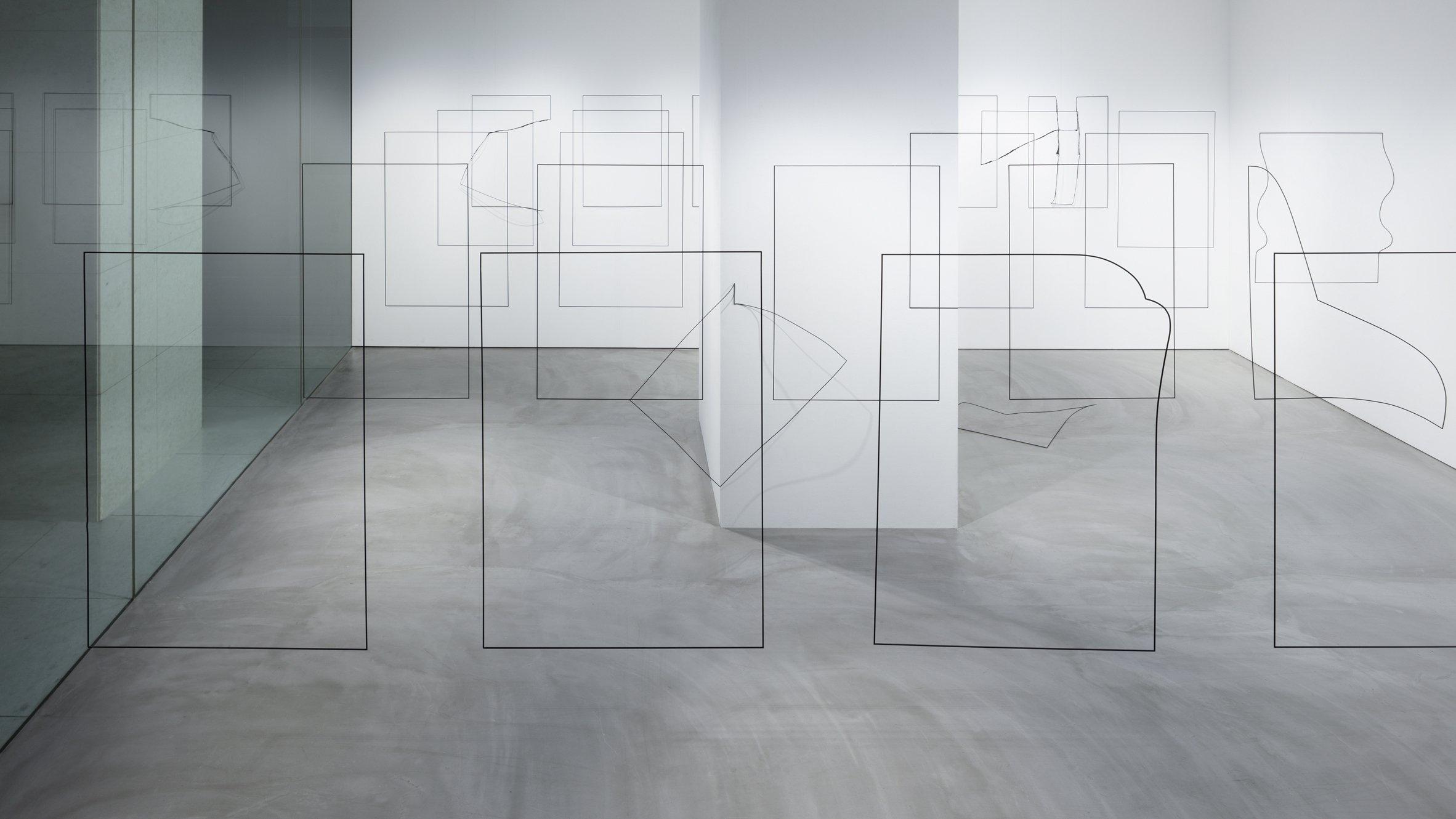
The forms represent outlines of paper, those with folded edges as well as pieces that are torn. They are displayed in three different rooms. The first room is a display of 30 posterboards hanging from an austere white and concrete space. In the second, we see numerous pieces of paper the size of postcards in various forms, from being wrinkled and crumpled to folded up. In the last, those viewing the exhibit see shapes such as cartons, cups, origami, and paper bags.
“The title of the exhibition – un-printed material – is a play on the term ‘printed material’ that alludes to the concept of the designs,” states Nendo.
This elegant exhibition is a continuation of their work with lines and illusions, following an exhibit that was shown in 2015 in Tokyo with furniture that appeared to have been sketched onto a variety of different areas. While appearing quite simple, the geometries were perfectly measured and tailored, offering a solid foundation for moving on to the ‘un-printed material’ exhibit now.
Nendo is comprised of a large team of designers. Founded in 2005, the innovative company has offices in both Milan and Tokyo. Led by Oki Sato, the head designer, the team has worked on projects in many different forms from installations and exhibitions to that of interior design, furniture, and lighting. For more information on previous works, see Nendo’s website. Discuss in the Nendo forum at 3DPB.com.
[Sources: dezeen; Nendo / Photos: Takumi Ota for Nendo]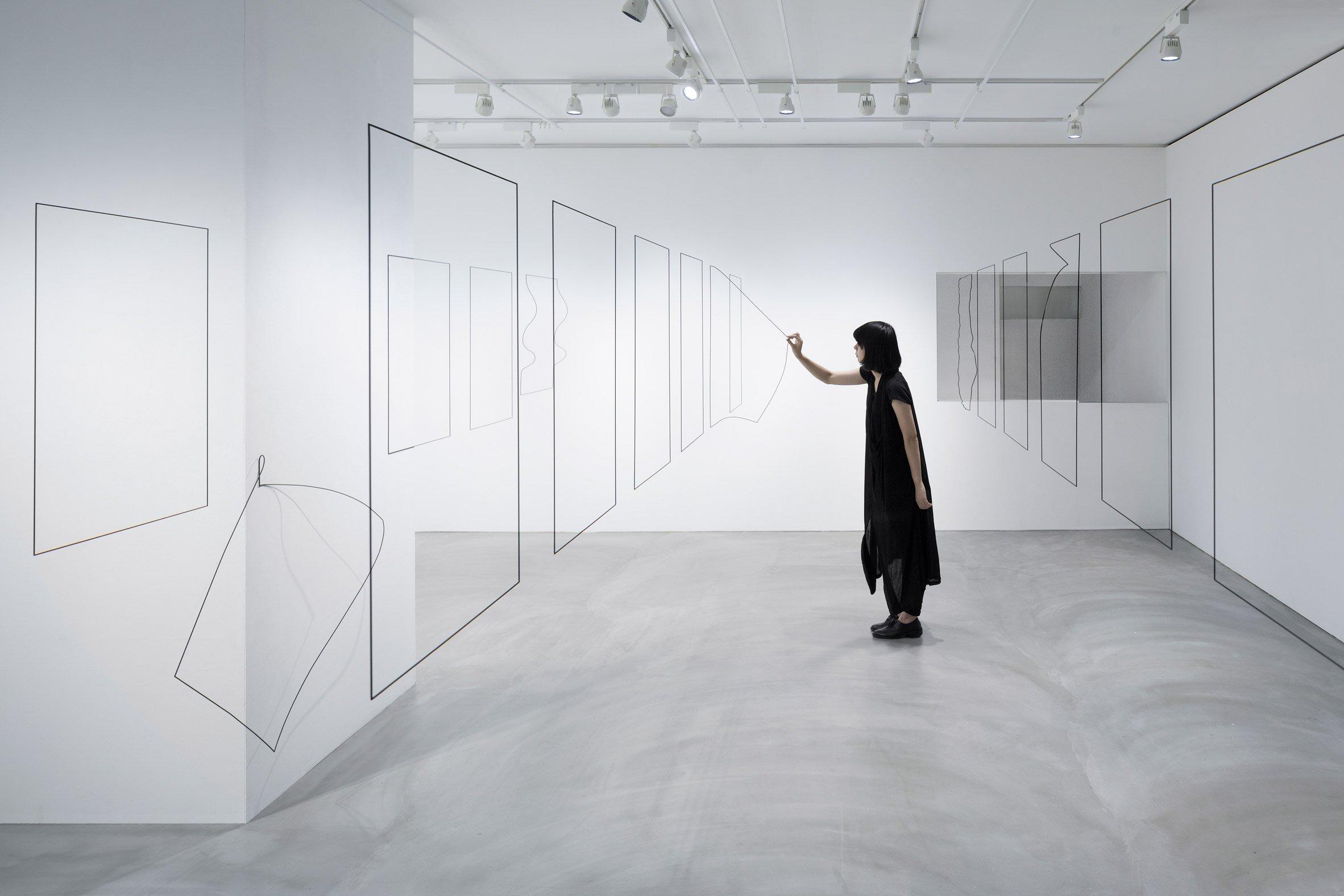
Subscribe to Our Email Newsletter
Stay up-to-date on all the latest news from the 3D printing industry and receive information and offers from third party vendors.
Print Services
Upload your 3D Models and get them printed quickly and efficiently.













You May Also Like
Achieving Customer Excellence in AM, Part I: Why AM Strategies Have to Change
Additive manufacturing suppliers have competed on technology for most of the past two decades. Laser count, build volume, build rate, and process monitoring defined the pitch, and for a long...
3D Printing Financials: Tekna Turns Profitable as AM Powder Demand Grows
Metal powder supplier Tekna (FRA: 8VB) reported stronger financial results in the second quarter, as growing aerospace and defense demand helped its Materials business and more additive manufacturing (AM) customers...
Can Metal Recycling Help Scale Additive Manufacturing? Continuum and AM Research White Paper Takes a Look
Metal additive manufacturing (AM) is growing, but making more parts also means using more metal powder. That raises a simple question: where will all that material come from? A new...
3D Printing Financials: Stratasys Sees Defense Growth, Record Consumables Sales in Q2
Stratasys (Nasdaq: SSYS) reported second-quarter results showing strong demand in aerospace and defense, record consumables sales, and further progress in its shift toward manufacturing. Overall sales were pretty much unchanged...