Lehrmitt Design Studios Introduces a New Dimension to 3D Printed Product Design Surface Skins

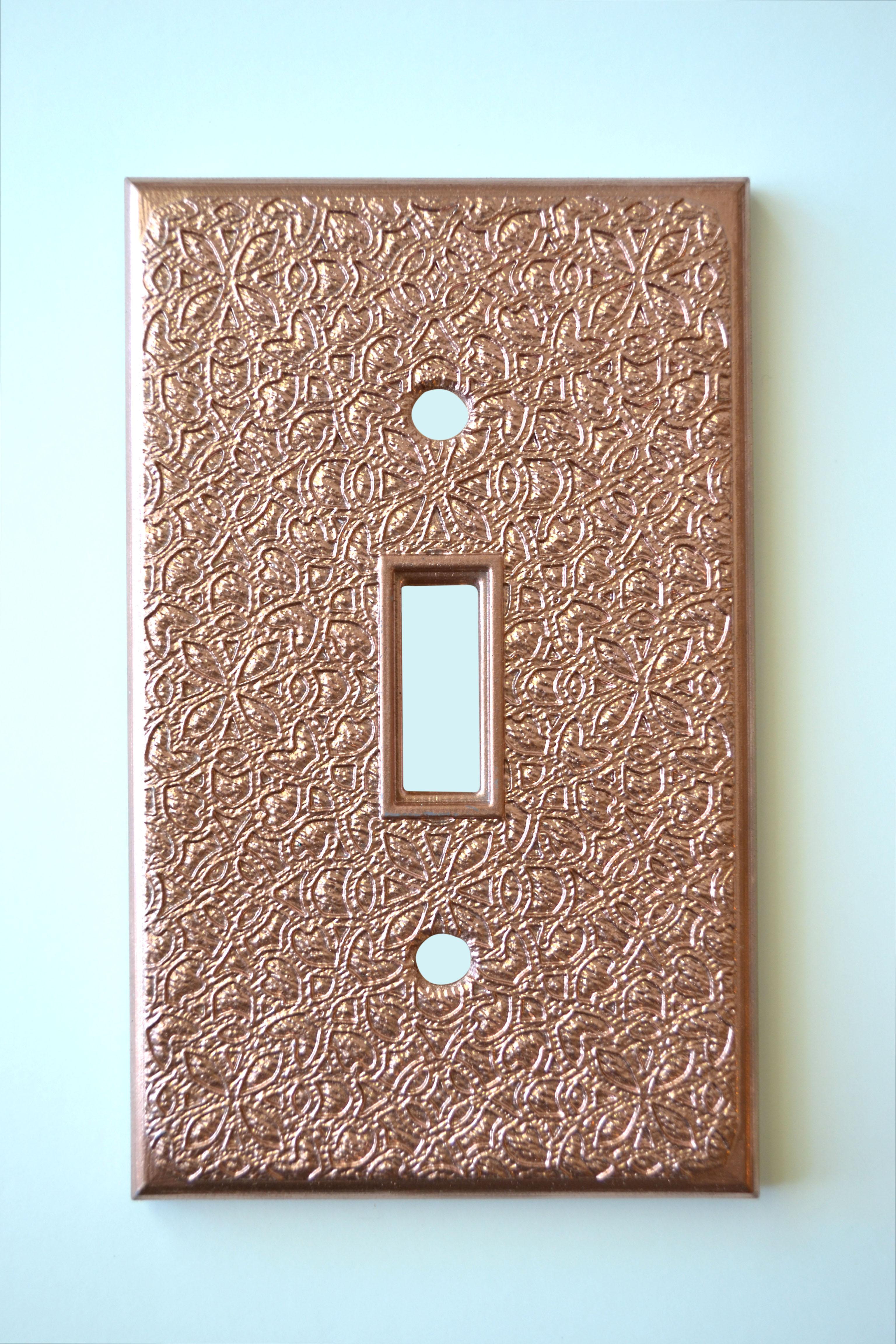 This year, design company Lehrmitt Design Studios celebrates their 20th anniversary – and they certainly have a lot to celebrate. The Austin, Texas-based company has been in the business of creating unusual, funky-looking wall coverings for years, but recently they’ve branched out with a whole new product line that will enable them to reach new markets – and likely lots of them.
The artistic minds at Lehrmitt recognize the importance of appealing to multiple senses, and their new Surface Skins line beautifully combines the visual and the tactile. They’ve created an easy way for product designers and manufacturers to add striking textures to their 3D printed products, adding a new and attractive dimension to items.
It’s not the first time the company has ventured into 3D printing; they discovered the technology a while ago when looking for a way to create better samples of their wall coverings to show clients. With Surface Skins, Lehrmitt Design Studios is extending their 3D printing expertise to others – not for samples or prototypes, but for final products.
“Our design team has been deploying leading technologies in product design, manufacturing and packaging for over twenty years,” says Bob Lehrmitt, president and owner of Lehrmitt Design Studios. “We have a deep experience in surface design. For the prototype or hobbyist who is looking to add artisan textures to their 3D-printed objects, we have over 100 artisan designs to choose from.”
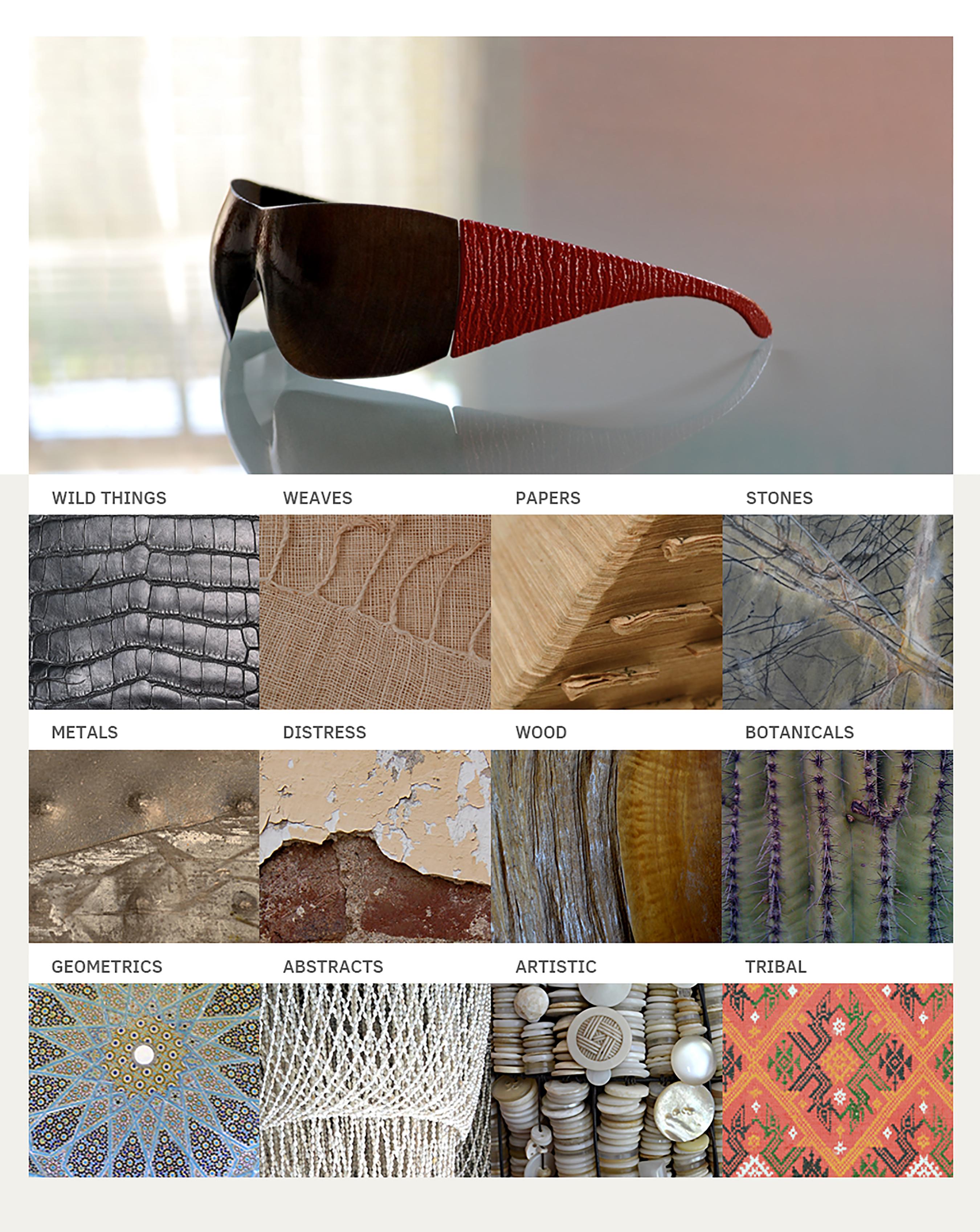
How it works: interested clients choose the design they want from the company’s large catalog, which includes textures inspired by botanicals, tribal or abstract designs, stone surfaces and more. The client then sends a CAD file of their product to Lehrmitt Design, which then “wraps” the file in the surface texture file. A textured prototype is printed out and sent to the client for approval; once approved, Lehrmitt Design creates the final product mold, and the client is ready to go.
“Currently, the options for applying mold textures to products molds are limited,” the company points out. “Manufacturers typically invest in a few ‘stock’ designs (brushed, pebbled, etc.) and use the same limited number of designs on the entire product line.”
Hence the appeal of Surface Skins, which make it easy to create the look of metal, wood or even paper and textile with plastic. A “wild things” category offers the texture of lizard or crocodile skin, giving an additional dimension to those crocodile-print sunglasses. A “weaves” category offers the look and texture of cheesecloth, linen, and more. The “wood” collection gives clients the ability to give their plastic products the feel of rough wood or cork. Custom designs can also be created.
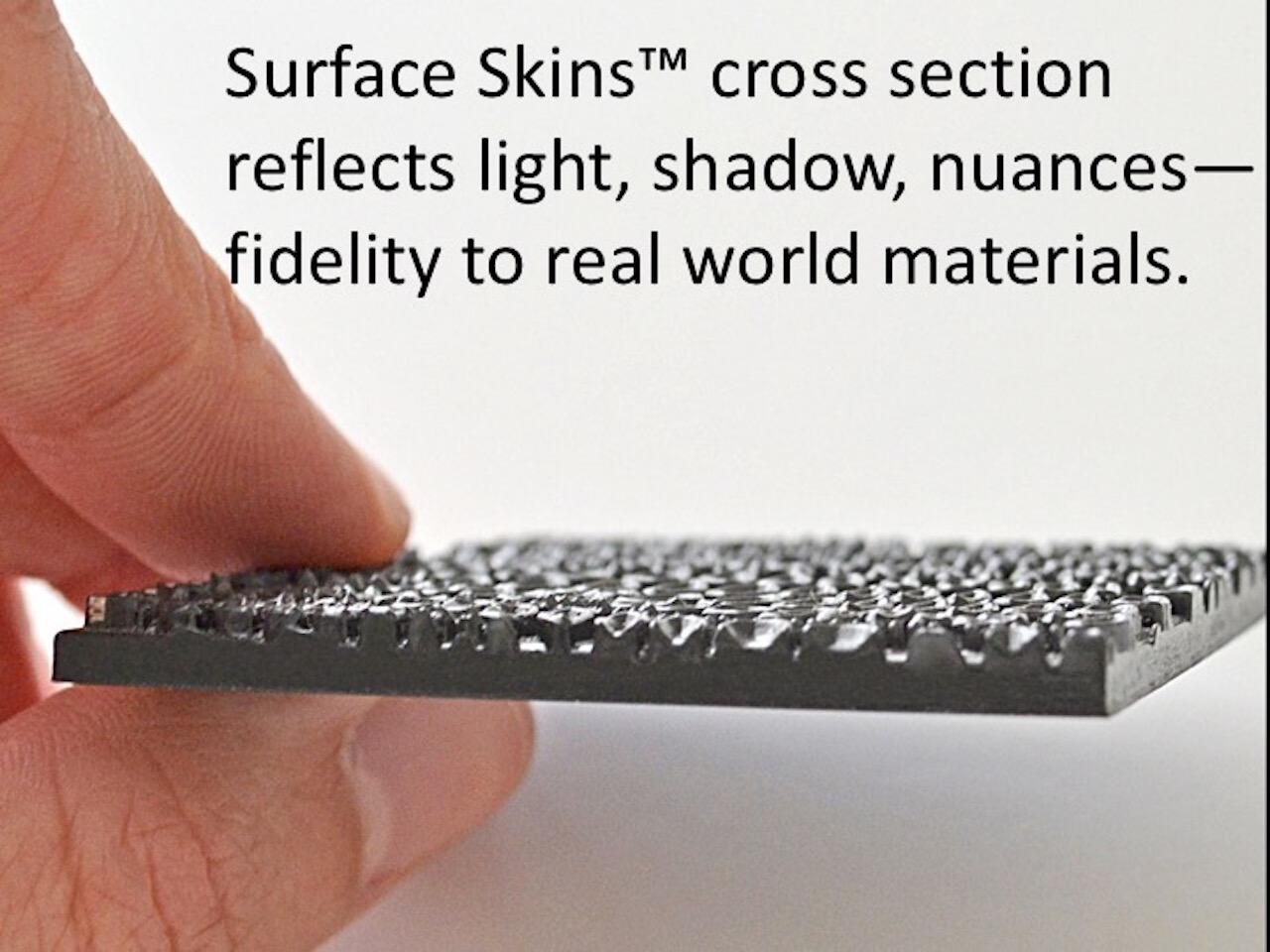
Surface Skins are an expansion of a successful idea introduced by Lehrmitt Design Studios last year. Taking advantage of the growing popularity of artisan chocolate that’s almost too beautiful to eat, the company offered a mold-making service to chocolatiers. The service, which is still available, gives clients a couple of options. Clients can create their own designs in Illustrator or Photoshop and send the files to Lehrmitt, which will convert the 2D files to 3D and print the mold, or they can present Lehrmitt with their design ideas, and Lehrmitt will create an artistic design based on the client’s vision.
Based on the success of their chocolate texturing service, it only made sense to expand it to a much broader array of clients and products. Personally, if I’m shopping for a stylish pair of sunglasses or a light switch plate, I’m much more drawn to a product that has a tactile, textured surface rather than just a 2D printed design. It’s more interesting, looks classier, and sets it apart from the mass of other products on display – I expect Surface Skins will quickly generate a lot of interest among product designers from diverse industries.
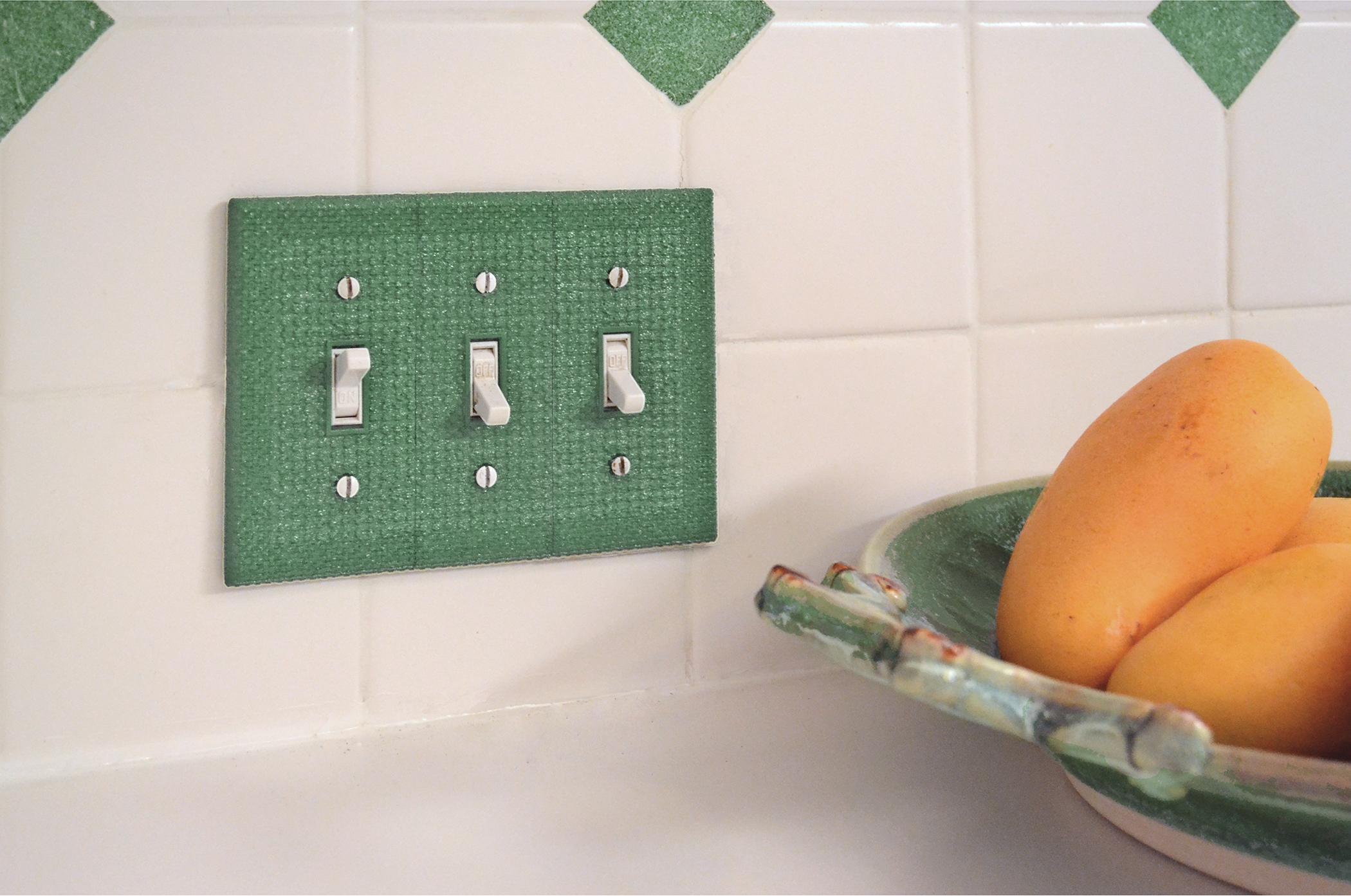
Pricing is not specified, but Lehrmitt Design Studios states that Surface Skins – of both the plastic and chocolate nature – are very budget-friendly. For more information, you can contact the company here. Discuss further in the 3D Printed Surfaces forum over at 3DPB.com.
Subscribe to Our Email Newsletter
Stay up-to-date on all the latest news from the 3D printing industry and receive information and offers from third party vendors.
Print Services
Upload your 3D Models and get them printed quickly and efficiently.













You May Also Like
Foundation Alloy Raises $22M in Series A for Solid State Molybdenum
Foundation Alloy has just raised $22 million in Series A financing. The alloy company is trying to create a platform that will enable the solid state manufacturing of alloys. In...
Aerospace Giant IHI Bets on Freemelt E-Beam 3D Printing for Next-Gen Turbine Alloys
IHI Europe has purchased a Freemelt electron-beam powder-bed fusion (E-PBF) system. Previously, parent IHI bought two Freemelt systems, bringing the total to three. IHI is a Japanese engineering conglomerate. The...
Goldilocks’ Flywheel: Refractory Complex Concentrated Alloys (RCCAs) & The Race for the Future
Recently, Metalysis, Skyrora, and Thermo-Calc Solutions started to try to commercialize Tanbium. This alloy has been created for use in combustion chambers and rocket nozzles. Tanbium is a Refractory Complex...
3DPOD 236: AM Materials Science & Applications with Nick Sonnentag, Sunnyday Technologies & Oshkosh Corporation
Nick Sonnentag is a Senior Principal Engineer at Oshkosh, where he contributes to the development of some of the world’s toughest vehicles using additive manufacturing (AM). Drawing on experience from...