
Red-Crowned Crane Receives 3D Printed Beak

 With the exception of the infamous cock-fighting rings, bird fights aren’t normally those associated with guts and gore in the animal kingdom. However, I’ve come to believe that this is only because most of us haven’t spent a great deal of time observing avian behavior as these creatures can be just as vicious, albeit in some ridiculous looking ways, towards each other as the fiercest big cat or toothiest piranha. Sometimes these aggressive tactics are used to drive away outsiders from the flock and other times they occur between creatures struggling for dominance over territory and, of course, over females.
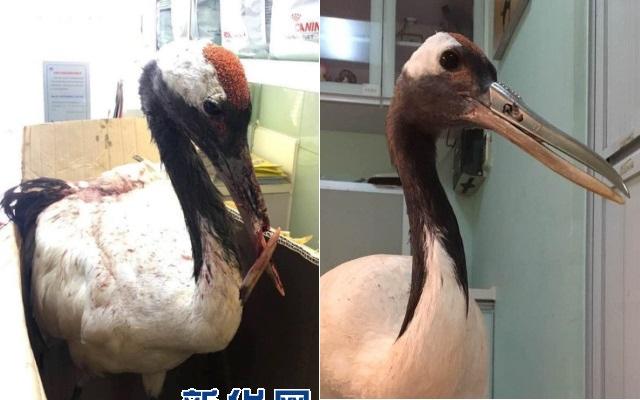
Any doubt over the grave nature of these conflicts can be laid to rest by examining the wounds and injuries that the animals often sustain during a real battle. Sometimes the offending party is driven away just by the pre-fight posturing of the other bird, but when things get serious, the loser can fly away seriously hurt. This is what happened when Lili, a red crowned crane living in the zoo in Guangzhou, China, got into an altercation with another one of her zoo mates.
As if it weren’t bad enough that Lili lost the fight, she also lost part of her beak and the damage was so extensive that she was unable to feed herself. In the wild, this type of injury would have been a sentence of certain death, but on the watch of the caretakers at Guangzhou Zoo, no such thing could be allowed to happen. Instead of giving her up, the zookeepers called in a 3D printing expert to help create a new beak for Lili so she could get back to happily fishing for her own meals.
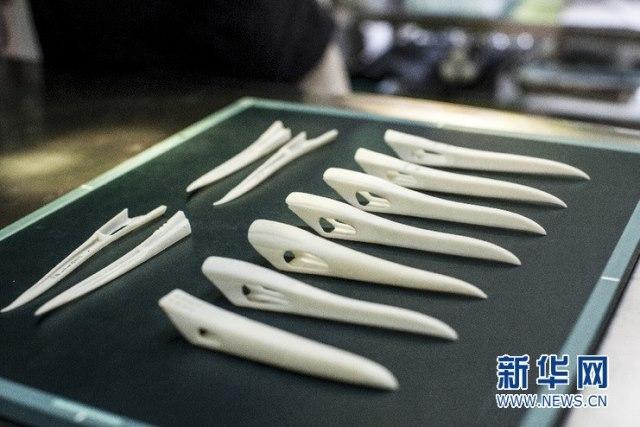 To start with careful measurements of the fragment were taken, along with data that was gathered from other healthy bird beaks among the zoo’s collection of red-crowned cranes. A number of models were printed in plastic in order to ensure good fit and function. Once the design was finalized, a version was printed in titanium to be attached to the remaining portion of Lili’s upper beak. Titanium was the material of choice because of its strength and resistance to corrosion, an important factor as the cranes spend a great deal of time with their beaks in the water looking for fish and other tidbits. Lili could have as much as 50 years of life ahead of her and so a beak that could stand the test of time was of the utmost importance.
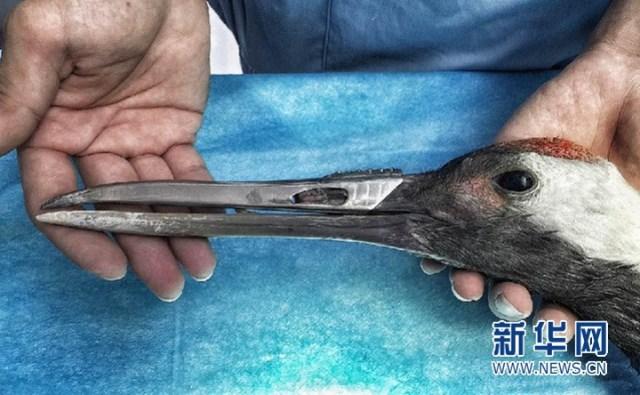 This isn’t the first time that an injured bird has been helped through 3D printing and it won’t be the last; this versatile manufacturing method makes it ideal for customized interventions such as this one. A cockatoo in Nanjing Zoo received a 3D printed prosthetic beak earlier this year after other bird bullying, as well. Of course, now that Lili is the only bird in her flock equipped with a titanium beak, let’s just hope that she uses her new found strength for good. Otherwise, the keepers at the Guangzhou Zoo might see themselves needing to produce a great deal more of these in the future. Discuss this story over in the 3D Printed Crane Beak forum at 3DPB.com.
Subscribe to Our Email Newsletter
Stay up-to-date on all the latest news from the 3D printing industry and receive information and offers from third party vendors.
Print Services
Upload your 3D Models and get them printed quickly and efficiently.













You May Also Like
Metal 3D Printers for the Desktop Are Finally Starting to Feel Like Desktop Products
FDM 3D printing is becoming increasingly accessible, yet metal 3D printers designed for everyday desktop use remain rare on an ordinary workbench. The real challenge is not making a metal...
3D Printing Financials: 6K Additive Sales Rise as Aerospace and Defense Demand Grows
6K Additive (ASX: 6KA) grew rapidly in the first half of 2026 as demand for its metal powders increased, particularly from aerospace and defense customers. The newly public company also...
When Data Becomes the Differentiator: Qualified Material Data is Changing the Future of Structural Additive Manufacturing
For years, additive manufacturing has promised engineers greater design freedom. The challenge wasn’t printing the part—it was proving the part belonged on an aircraft. Designing a lightweight bracket or consolidating...
Amaero Builds U.S. Metal Powder Capacity for Additive Manufacturing
For metal additive manufacturing (AM) to grow in the United States, companies need more than printers. They also need a reliable supply of the powders that go into those machines....























































