Additive Manufacturing — The Year Ahead



Neil Burns
When Neil Burns founded Croft Filters with his brother Mark, 3D printing, or additive manufacturing (AM), was still the stuff of science fiction. Fast forward 28 years and not only have the pair established a sister company solely dedicated to AM, but the industry is bigger than ever.
With this in mind, Neil reflects on how far the technology has come and answers the question: what does the next 12 months hold for an industry that is reportedly set to exceed £13bn in worldwide revenue by the year 2020?
Initially a technology that was primarily used for prototyping, in recent years AM has seen its use increase within a number of markets. With the price tags on machines coming down and capabilities improving, it’s safe to say that the innovative manufacturing method is growing at a much more rapid pace than it once was.
Subtractive vs additive
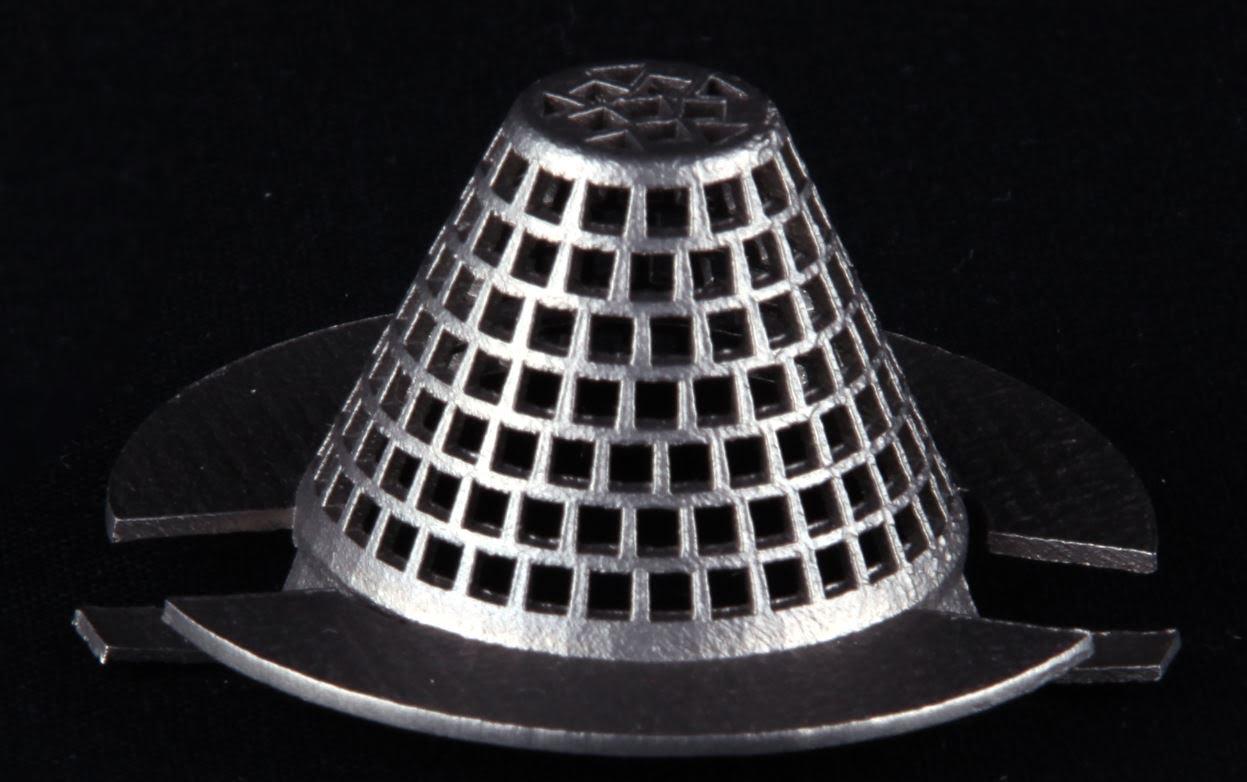
So, what exactly is AM, and how does it differ from subtractive manufacturing? In contrast with traditional methods, which work by removing unwanted materials through cutting or drilling, AM prints multiple layers of metal powder to create a bespoke product with improved performance characteristics, including waste reduction, ease of use, reliability and repeatability.
In addition to these practical benefits presented to customers, AM also reduces the need for tooling and frees up time to be spent on other areas of the business, such as research and development.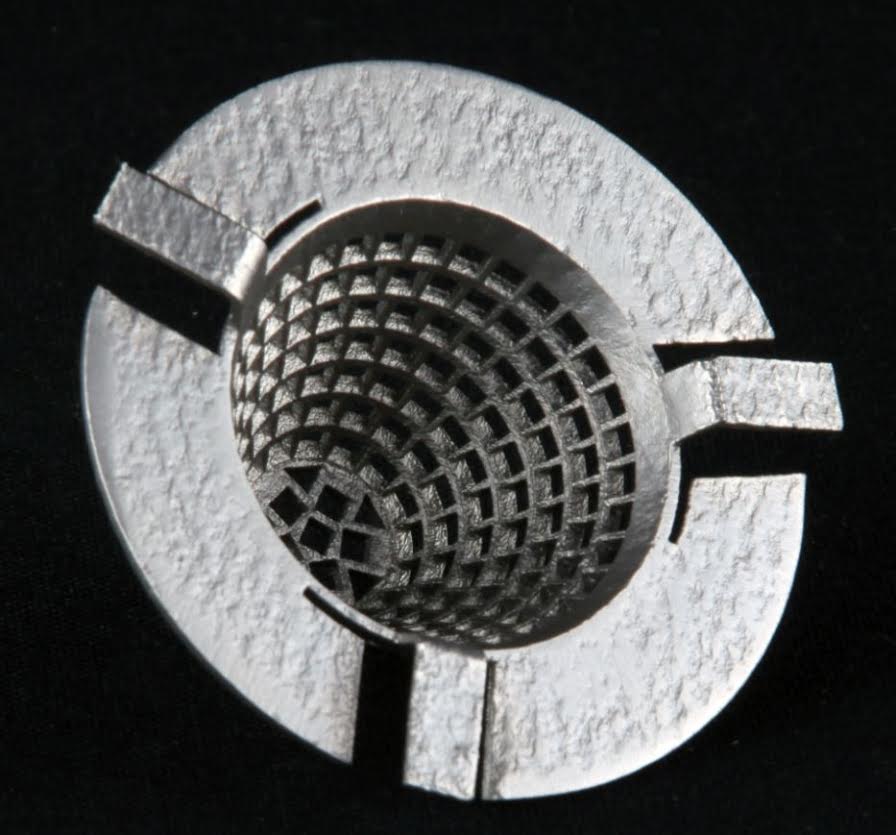
Considerations
While AM is undeniably a viable and cost-effective alternative to traditional manufacturing methods, a number of factors must be taken into account when considering adoption.
The price of the machine, for instance, can be an initial drawback for smaller companies. Decision-makers should be asking whether the positives, such as quicker prototype development and the creation of bespoke products, can outweigh the high investment costs.
Looking ahead
In 2016, I think AM will begin to transform many areas of the industry. Here are my top predictions to look out for:
- Standardisation – AM will not replace traditional manufacturing completely; it simply provides companies with another tool to improve their methods and help them continue to innovate. With that in mind, we must not get in the habit of using the technology for the sake of it – we should be using it to create products that are otherwise unattainable using existing methods. To reach this point, we need standardisation in the industry – something that currently doesn’t exist. Organisations, such as British Standards Institute (BSI), are planning to provide a framework of standards in 2016, which should streamline the process for those working with AM.
- Skills shortage – The skills gap in STEM sectors has been well documented over the past year and the demand will only increase as AM develops further. Therefore we have a job on our hands to train the next generation to design and manufacture the printers, the raw materials they need to operate, and also core skills in innovation and creativity to get the most out of the technology
- Is all publicity good publicity? – It’s fair to say that some headlines, such as 3D printed houses, cars and even brains, are giving the industry a false impression of AM and making some far-stretched possibilities appear much more accessible than they really are – at least for now. That’s not to say the technology isn’t transforming the industry – but the majority of these cases, 3D printing is only a small part of the solution
- Innovation, innovation, innovation – As new AM systems and materials become more popular and widely adopted, we can expect to see new, designs that previously have been very difficult or too expensive to manufacture. Technology drives innovation, so we have to ensure we’re continuing to make the most of it and transform the industry daily.
 In a nutshell
It’s important for business leaders to remember that it’s not all about replacing the old with the new – AM is about offering customers an additional service that can’t be achieved using conventional design and production techniques.
There are certain occasions, such as small batch production, where the use of AM can not only match the production costs of conventional methods, but also offer a stronger, more aesthetically pleasing product.
However, while we need to take all of this into consideration, we mustn’t lose the creative license that naturally comes with the technology. After all, the golden years of AM are most definitely still to come.
Subscribe to Our Email Newsletter
Stay up-to-date on all the latest news from the 3D printing industry and receive information and offers from third party vendors.
Print Services
Upload your 3D Models and get them printed quickly and efficiently.













You May Also Like
Printing Money Episode 42: Q2 2026 Public Markets 3D Printing Earnings Analysis with Troy Jensen, Cantor
Welcome to Printing Money Episode 42. Troy Jensen (Managing Director, Cantor) returns, joining Danny Piper (Managing Partner, NewCap) to review Q2 2026 publicly traded 3DP/AM company earnings reports. Troy’s quarterly...
3DPOD 314: Debinding, Sintering, and Metal Binder Jetting with Stefan Joens, Elnik Systems and DSH Technologies
Stefan Joens of Elnik Systems sells ovens. Their debind and sintering equipment powers a lot of high-volume binder jet and MIM production. We learn about Elnik and its origins. But...
The Frankenservice Part 1: Print the Rainbow
So far, most service bureaus and manufacturing companies stick to what they know. Not only for OCD reasons, but gleaming lines of identical LPBF machines are also arrayed on impossibly...
3DPOD 313: Patient-Specific 3D Printing with Ruben Wauthle, Amnovis
Ruben Wauthle studied at Leuven University at a very serendipitous time. Through working with pioneering additive professors and surgeons, he entered into a specialty that was emerging. He joined pioneering...