New Online 3D Printing Platform Syncky Allows Designers Complete Control Over Their Work


 3D printing has unleashed a whole new art form, one that allows for a practically infinite amount of creativity. It’s a medium that artists have used to create some incredible works, but like any art form, the real challenge comes when it’s time to sell those works. Online 3D printing platforms have made it very easy for designers to market their designs, but there are drawbacks. If you’ve ever used an online platform, you’re familiar with the process: designers display their creations, and consumers purchase them either as a physical object printed by the platform, or as a file to print themselves. This can leave artists feeling at a bit of a loss, as once the design is finished, it’s given to someone else to physically create.
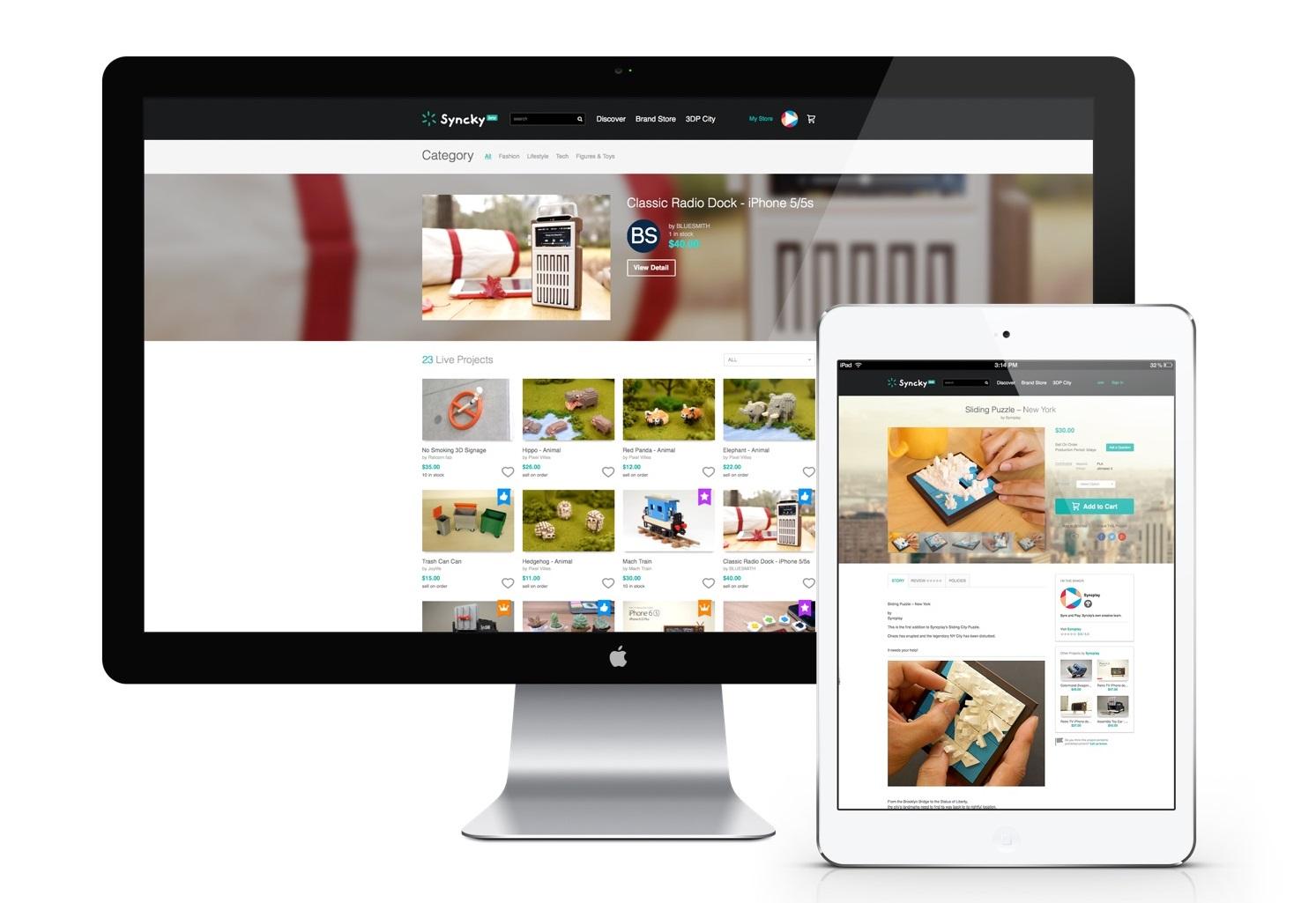
New platform Syncky works a little bit differently. No files are on offer, and the platform does not print anything itself; all products are printed by the designers and makers who created them. It essentially eliminates the middleman and allows designers and makers to have complete control over the full process of creation.
“As a maker myself, I couldn’t find a marketplace platform that focused only on products. Products always seemed like a sidekick to 3D files or printing services on existing platforms,” says Syncky’s founder Jin E. Kim. “There are so many amazing 3D printed products out there that need to be recognized for their value. Makers are shadowed by all the focus on technology.”
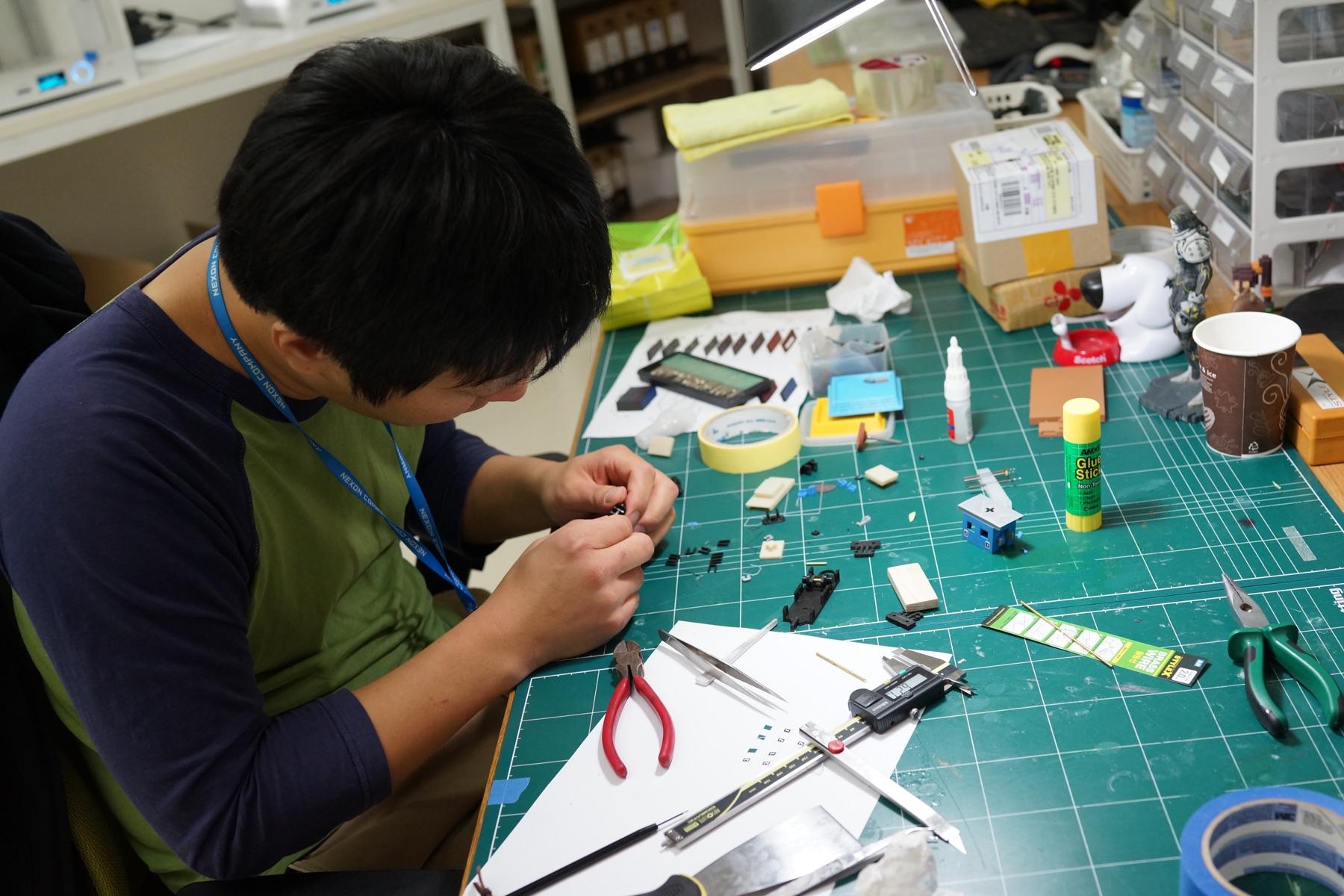 If you’re an artist in any media, you know the feeling of satisfaction that comes from the physical process of creation. Finishing a canvas or glazing a pot with your own hands is part of the joy of art, a joy that can be lost when you’re simply submitting a file. With Syncky, designers are responsible for their work from start to finish. Choosing materials, printing, sanding and finishing allow designers the satisfaction of physical creation and give them more of a feeling of control. They get to hold their work in their hands and see its quality for themselves before shipping it off to customers.
Syncky’s website is currently in open beta, having first launched at Inside 3D Printing Seoul and more recently launching the platform service, and the company is inviting all designers and makers to offer their work through the site. There’s no charge for opening a shop, and Syncky takes a 10% commission for all sales. Any type of product is welcome, as long as it was created with a 3D printer. Makers can choose to ship their products globally, or limit orders to certain countries. The site also includes a community forum where designers can network and share tips and advice. So far, only a few shops have been opened on the site, but Syncky hopes to attract a wide range of talent from all over the world.
Subscribe to Our Email Newsletter
Stay up-to-date on all the latest news from the 3D printing industry and receive information and offers from third party vendors.
Print Services
Upload your 3D Models and get them printed quickly and efficiently.













You May Also Like
Mastrex 3D Printers: Made in the USA?
Mastrex has launched a line of six metal LPBF printers starting at $39,000. Recently, the firm partnered with Continuum Powders to validate its metal powders on Mastrex machines. But the...
The Formlabs Shuffle
For the latest development on 8/31/26, please see an update at the end of this article. Formlabs is doing a management shuffle, pointing the firm even more surely towards an...
3D Printing News Briefs, August 20, 2026: Metal Powders, Patent Infringement, Scanners, & More
We’re starting with metal 3D printing business news in today’s 3D Printing News Briefs, as SBO is expanding its capacity in the US and the UK, and Continuum Powders is...
Additive Economics 101, Part 1: Betwixt Rolex and Ryanair
Let’s look at what matters when we make things that matter. What considerations are there, what is important, what affects cost? Look at the levers in laser powder bed fusion,...