Ready for Blast Off? SpaceX 3D Printed SuperDraco Thrusters Prove Themselves Further at Texas Rocket Facility


 As most of us are aware by now, upon reading multitudes of headlines and watching a myriad of news clips, Elon Musk is a fan of 3D printing. Not only was his Dragon X supply freighter responsible for delivering the first 3D printer to space last year as it unloaded 5,000 pounds of supplies to the International Space Station, but Musk and the SpaceX team themselves have such complete trust in 3D printing that it will also play a large quotient in the new Dragon spacecraft/Falcon 9 rocket combination, responsible for carrying people to the ISS and perhaps saving their lives should there be trouble on launch or in orbit.
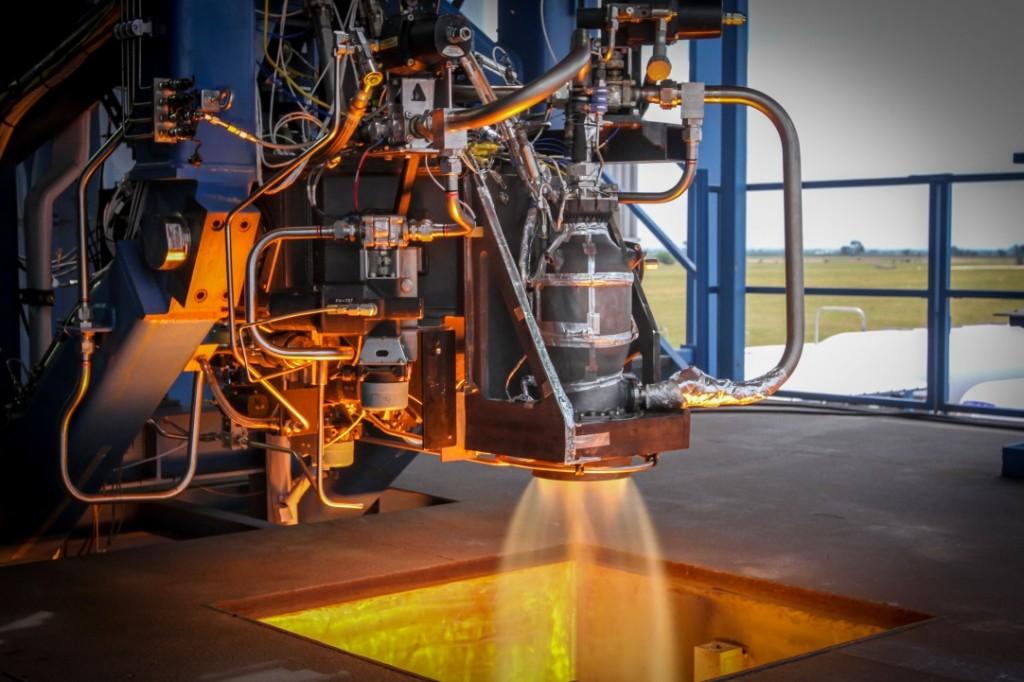 Not only are they beginning to use 3D printing in connection with space travel, SpaceX is learning to rely on it–and for all the same benefits other industries are. With 3D printing, SpaceX is able to create their incredibly powerful SuperDraco thrusters (going from zero to 100 mph in 1.2 seconds), which are the critical component of the Crew Dragon’s launch abort system (LAS). This system allows for an emergency landing, possibly saving the lives of the crew, should an emergency occur in transit.
By using such innovative technology–and trust SpaceX to be the company to do so–they are able to fabricate components like the thrusters with extremely strong and durable 3D printing material–at a fraction of the cost, and in much less time. This means saying goodbye to traditional machining methods, and setting themselves apart from companies like Boeing, as they dream up new ways to protect the crew, eschewing the usual rocket tower design and instead opting for SuperDracos, which are built into the side of the crew’s capsule.
Now, SpaceX has officially finished development testing of the four pairs of SuperDracos, at their McGregor, Texas facility. They report 27 test fires and evaluations with various cycles. Considering this is the system that would be used to save people on board in space, SpaceX–and NASA–are of course taking no chances and have been working on the design and refinements of these components and engines diligently.
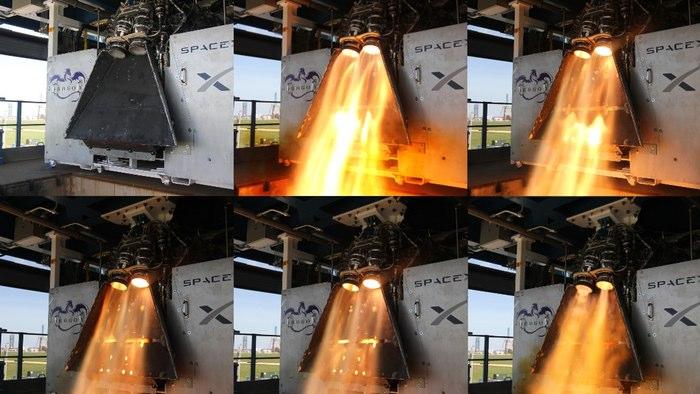
SpaceX’s SuperDraco engine testing in Texas [Photo credit: NASA, SpaceX]
We watched earlier this year as SpaceX sent the Dragon Crew spacecraft up to 5,000 feet during a Pad Abort Test carrying a dummy named Buster and cinder blocks in lieu of other estimated and eventual passenger weight.
Those previous results were successful and confirmed flight capability and readiness as they tested for temperatures, vibration, sound, acceleration–and the capsule separated, deployed parachutes, and landed in the ocean. With the latest round of tests, it would certainly seem that the 3D printed thrusters will be in fine shape for their trip to space, ultimately.
If one wasn’t already impressed by the countless spectacular innovations being created with 3D printing, the SuperDracos, capable of producing over 120,000 pounds of axial thrust, allowing for landing and saving of lives should there be an emergency during launch, should offer some pretty magnificent evidence of exactly how the technology is making some vast contributions–along with those who come up with the concepts to use it in making the leap–or in this case, the launch.
Where will 3D printing take space travel next? Let’s hear your thoughts in the SpaceX 3D Printing forum thread on 3DPB.com.
[Source: NASA]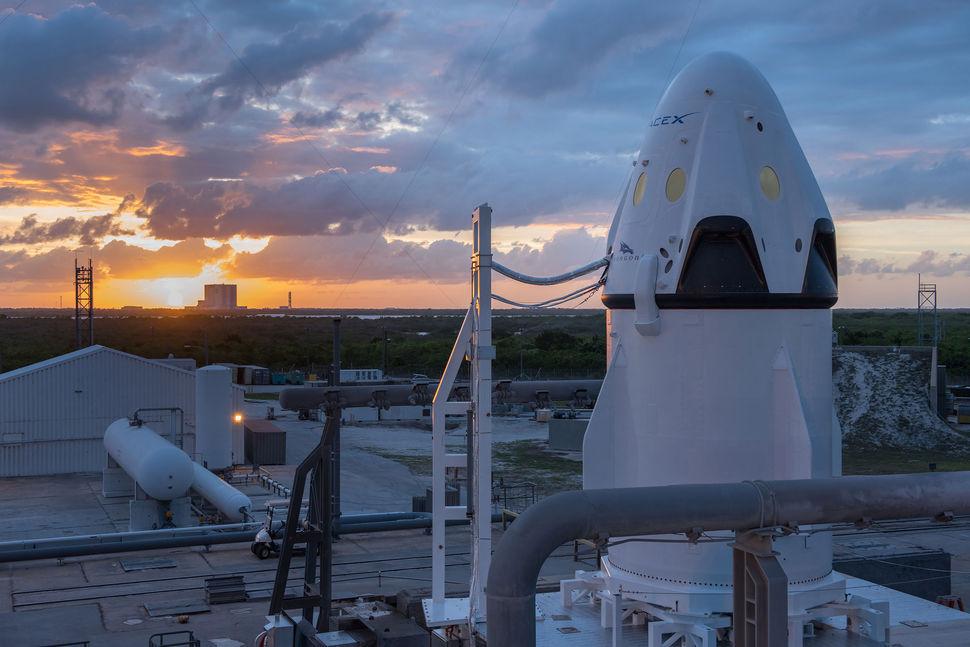
The Crew Dragon Pad Abort Test, earlier this year [photo credit: SpaceX]
Subscribe to Our Email Newsletter
Stay up-to-date on all the latest news from the 3D printing industry and receive information and offers from third party vendors.
Print Services
Upload your 3D Models and get them printed quickly and efficiently.













You May Also Like
The Stories nScrypt Can’t Tell; and Why That Matters
This article is Part 3 of a three-part series based on 3DPrint.com’s visit to nScrypt’s Orlando headquarters and conversations with Ken Church. There’s an interesting dynamic inside nScrypt’s Orlando headquarters. The...
Blue Origin’s New Glenn Explosion Comes During Major Manufacturing Push
Blue Origin‘s orbital New Glenn rocket exploded during a hot-fire test at Launch Complex 36 in Cape Canaveral on May 29, setting back the company’s launch ambitions at a time...
3D Printing News Briefs, May 30, 2026: RIMPAC 2026, Acquisition, Ceramic Implants, & More
We’re kicking things off with materials news in this weekend’s 3D Printing News Briefs. Then it’s on to a hybrid manufacturing system for a maritime exercise, an expansion of industrial...
Inside nScrypt’s “Factory in a Tool”: Space, Defense, and the Future of Additive Electronics
This article is Part 2 of a three-part series based on 3DPrint.com’s visit to nScrypt’s Orlando headquarters and conversations with Ken Church. Walking through nScrypt’s facility in Orlando last summer,...