Nike 3D Prints Seemingly Impossible Ferrofluid Shoe Display

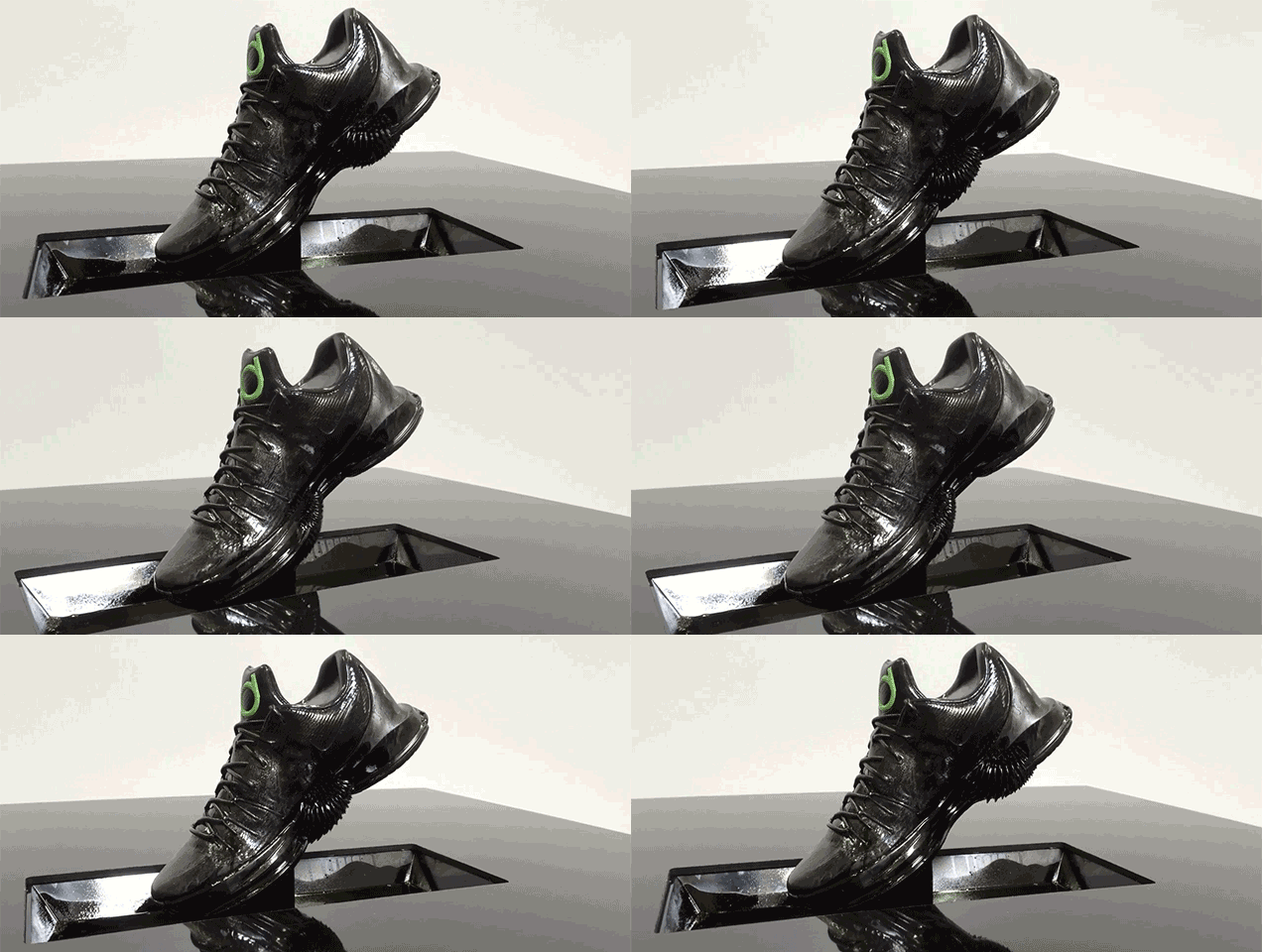
Originally created by NASA to be used in rocket fuel, a ferrofluid is precisely what it sounds like, a liquid with magnetically reactive properties. The intention was for it to be bonded to a fuel source that could be used in a weightless environment. The fuel would be drawn towards the engines with a simple magnetic field rather than complicated pumps or the need for gravity. But these days it is generally used to make those cool GIFs that get shared on social media, allowing that guy that you sort of knew back in highschool to make poorly conceived Terminator jokes. But one of NASA’s weirdest forgotten toys has been resurrected by Nike to help sell the new Kevin Durant line of sneakers in a rather striking promotional display.
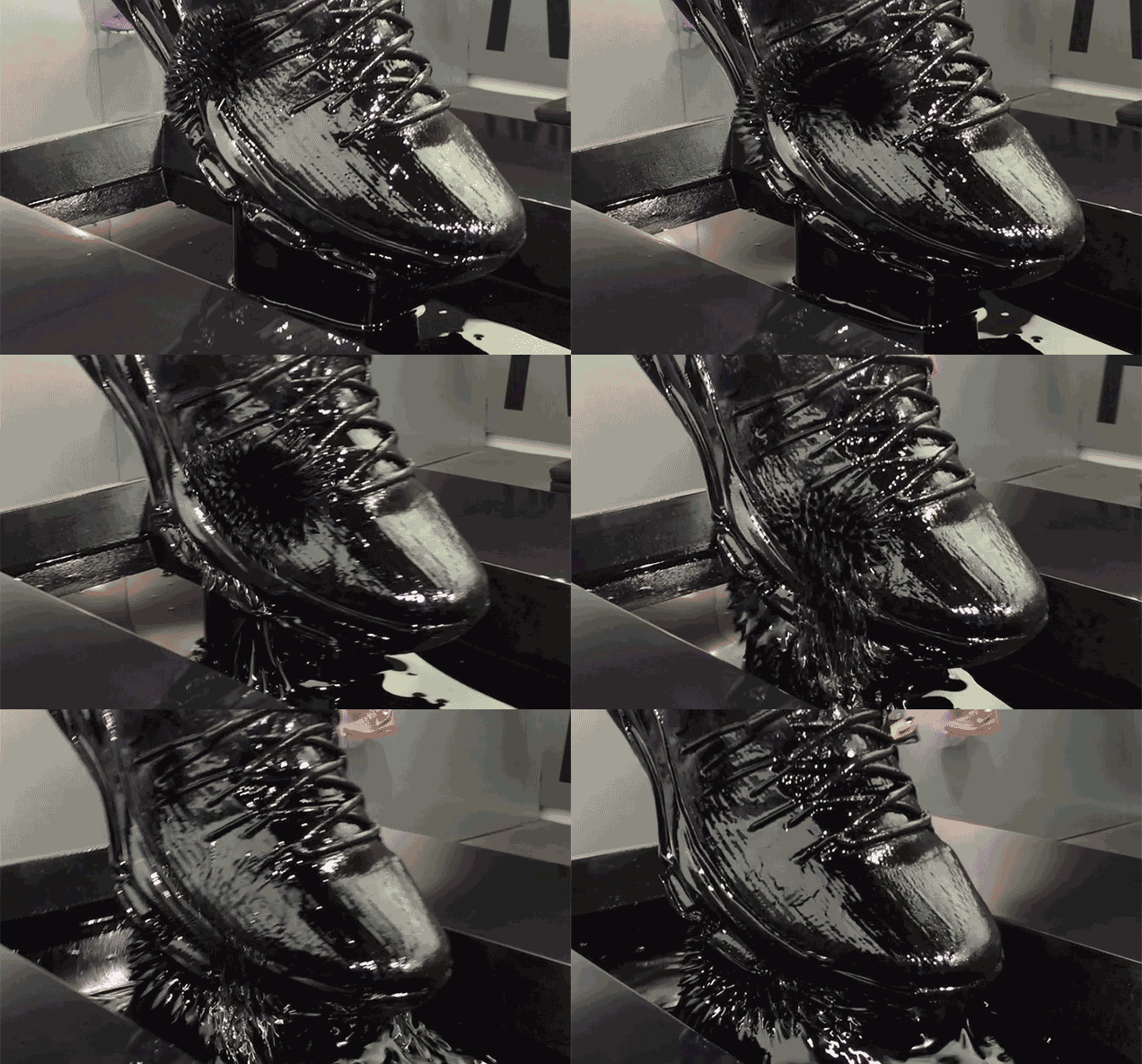
GIF courtesy Gizmodo.
A ferrofluid is made when you combine nanoscopic magnetic materials with a carrier fluid that will suspend them in liquid form. Each individual particle of the magnetic material has been coated with a compound that prevents them from clumping together unless they are specifically exposed to a strong magnetic field. As the material is exposed to magnets, it will pulse, ripple and flow against the pull of gravity, and even follow the magnet wherever it moves. Sadly the effect is only temporary, so as soon as the magnetic field dissipates, the material will revert
to its resting, liquid state.
The Nike display was created by a design studio that calls themselves Guild, which is sort of like an advertising company but all the men have scraggly beards and they call their work experiences. What looks like an unassuming metal display case showing off a simple, jet black shoe is actually a demonstration of how the inky ferrofluid reacts to moving magnets and I must admit it is a pretty cool way to get people talking about over priced sneakers. Watching waves of ferrofluid ripple up and down the surface of the sneaker is pretty mesmerizing and clearly the kind of once in a lifetime sight designed to be shared on social media.
 The Guild folks started by creating a 3D printed replica of one of the new Kevin Durant shoes. The extremely detailed print shows off every lace, stitch and crease on the sneaker, and at first glance you would never know that the shoe inside of the display wasn’t actually real. But for the display to work, the shoe needed to have powerful magnets mounted inside of it to show off the amazing way that the ferrofluid reacts to them. A real shoe simply wouldn’t have been a practical option. Thankfully with top of the line 3D printers, the Guild was able to create an ultra-detailed plastic shoe instead.
The unassuming display features the plastic shoe sitting on a platform suspended above a pool of the black ferrofluid material. Two powerful neodymium magnets are mounted inside of the shoe and move back and forth on tracks hidden inside of the hollow sneaker. The magnets pull the ferrofluid up from the pool and cause some pretty eye popping geometric shapes to form. As the magnets move, the liquid rolls up and down the surface of the shoe in mesmerizing patterns, creating seemingly impossible spikes and gravity defying ripples. It’s pretty amazing to see in action, and it almost feels like you’re watching a living creature trying to digest the shoe.
Gizmodo posted a video of the ferrofluid display up close:
GUILD x NIKE – KD8 Launch from Guild on Vimeo.
Unfortunately ferrofluid doesn’t stick around very long and will eventually evaporate, leaving a messy black stain of magnetic material behind. I’m pretty sure that NASA magnet juice isn’t exactly cheap, so don’t expect Nike to keep their display running for very long. If you want to see it in person, and yes you want to see it in person, you can check it out at Nike’s New York Niketown NYC location where it has been put on display at the front of the store. Just look for the crowd making Terminator jokes.
Subscribe to Our Email Newsletter
Stay up-to-date on all the latest news from the 3D printing industry and receive information and offers from third party vendors.
Print Services
Upload your 3D Models and get them printed quickly and efficiently.













You May Also Like
How Drone Proliferation Is Forcing a Rethink of Defense Manufacturing
The rapid proliferation of low-cost drones is forcing manufacturers to rethink their approach to design, production, quality, and scale. For defense manufacturing teams, the challenge is both how quickly a...
What 3D2GO Says About 3D Printing’s Growth in Southeast Asia
The Philippines offers an interesting case study in how 3D printing can develop in Southeast Asia, and Manila-based 3D2GO helps illustrate it. 3D printing in Southeast Asia doesn’t have to...
3D Printing News Briefs, September 12, 2026: Rebranding, Cybersecurity, Project Call, & More
We’ve got a lot of business news from ATLIX to start off this weekend’s 3D Printing News Briefs, with a new identify for its additive manufacturing (AM) portfolio and some...
Silencer Market Set to Test Metal Additive’s Readiness for Production Prime Time With Enormous Market Expansion
Throughout the history of additive manufacturing (AM) technologies, there are only a couple of really interesting case studies in which we see a market significantly disrupted and revolutionized by AM....