Australia’s 3DLI 3D Prints the Classical Indian Tabla Drum Pair


 I have read and written enough about 3D printed musical instruments in the past year for me to now consider this latest article as part of an ongoing series. I have covered a 3D printed guitar, and two different kinds of violins — one electric and one traditional. Just do an internet search of the topic of 3D printed musical instruments, and you will see what I mean. In fact, the idea of 3D printed musical instruments was getting so old that Sweden has gone ahead and created its first band using only 3D printed musical instruments. Will “The Best Artist Recording Using 3D Printed Musical Instruments” become a new Grammy category someday?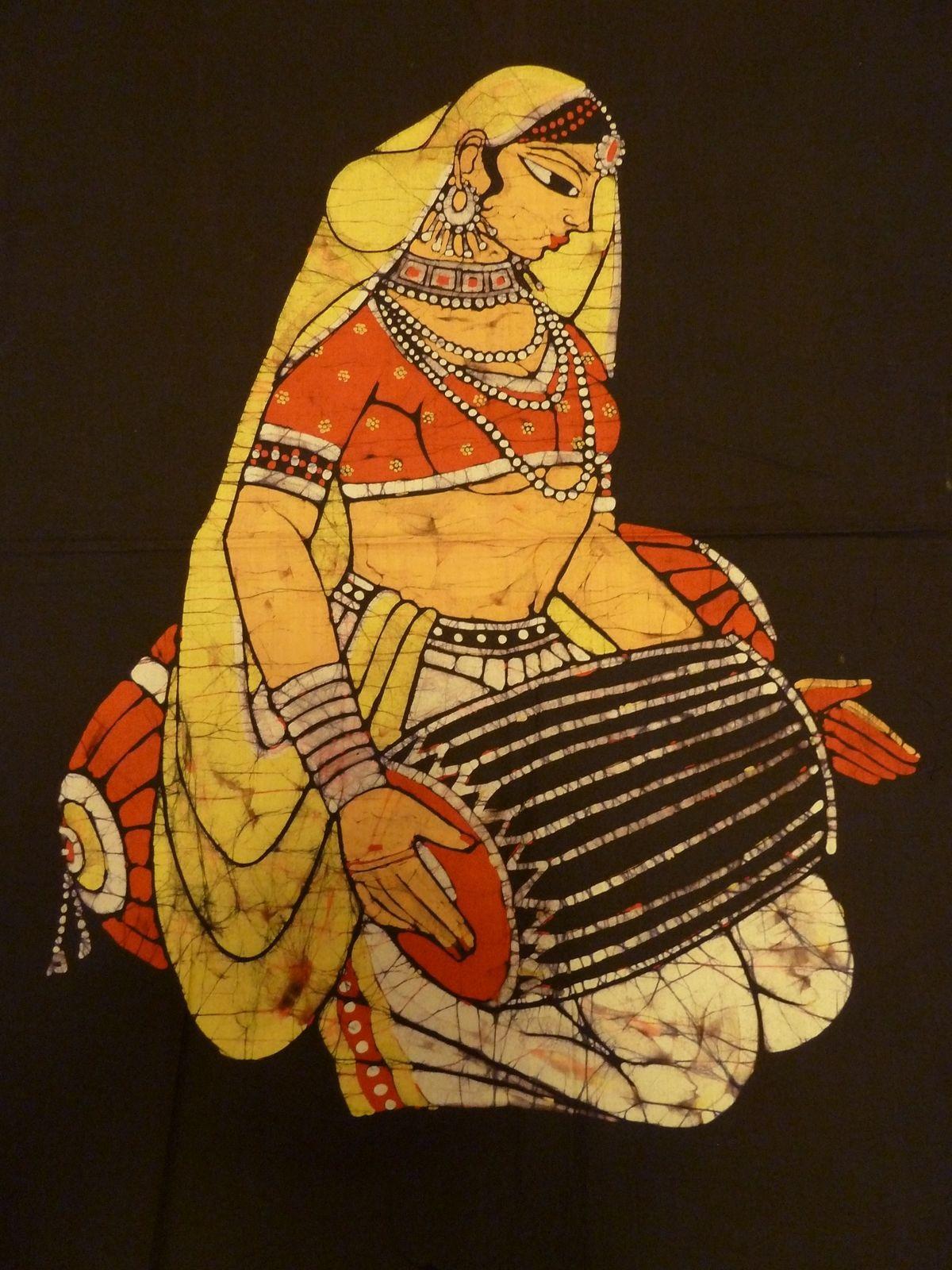
One concern in the 3D printed musical instrument space is that it’s all fine and dandy, and very cool, to merge high technology with music, but do the instruments play the same way? Should that be the goal? How do the 3D printed instruments sound?
That was definitely an issue for Laurent Bernadac who created the world’s first fully playable 3D printed electric violin, which is why it took him years to design it. In his estimate, his violin accurately replicates the sound of the world’s most expensive violin, the Stradivarius. We have also recently covered an almost entirely 3D printed and fully playable drum set using a ZMorph 2.0 S Personal Fabricator.
And now we can add a 3D printed Indian drum pair, the tabla, to our growing list of 3D printed instruments thanks to Australia’s 3DLI.

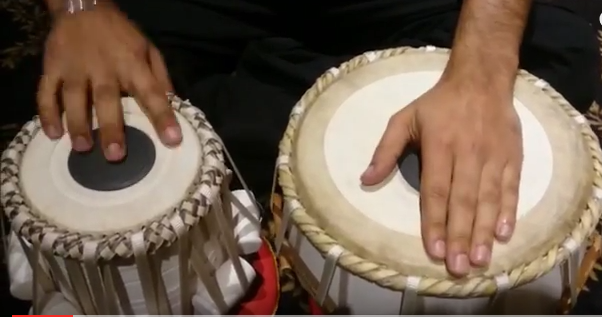
Just how ancient is the tabla drum pair and what does it sound like? If you have ever listened to any Indian music, you will recognize the distinctive sound–almost a low consistent rhythmic echo with different tonations produced by hand and finger playing and motion–of the drumming. This is called tabla, and the sound that the “tabla” is known for is really two drums , with the larger one (called “dayan”) played by one hand and the smaller drum, called “bayan,” played by the other.
The instrument is a fixture of Hindustani classical music, and is used in the music of many countries including Pakistan, India, Sri Lanka, Nepal and Bangladesh. Originating in India, the tabla drum can be dated all the way back to 200 BC from carvings in Bhaja Caves. And there are also Hindu temple carvings of double hand drums that date back to 500 BC That’s a long way for a musical instrument to travel in order to be 3D printed.
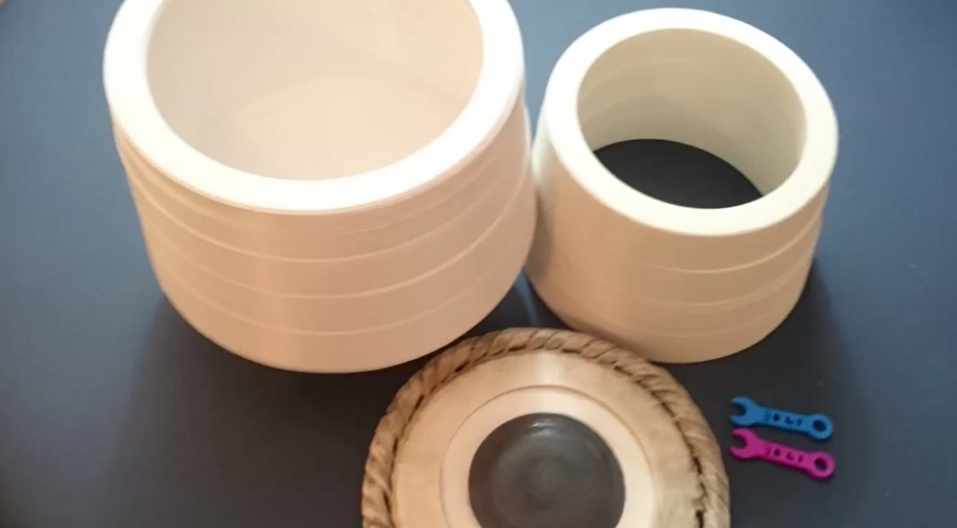
The verdict is still out on how Australia-based 3DLI’s tabla pair compares to the traditional instrument that’s been played for centuries. But from the sounds of it, all is well with this new method for making a very ancient instrument. Go ahead and decide for yourself how it sounds by watching the video below!
Let’s hear your thoughts on these drums in the 3D Printed Indian Classical Drum forum thread on 3DPB.com.
Subscribe to Our Email Newsletter
Stay up-to-date on all the latest news from the 3D printing industry and receive information and offers from third party vendors.
Print Services
Upload your 3D Models and get them printed quickly and efficiently.













You May Also Like
Metal 3D Printers for the Desktop Are Finally Starting to Feel Like Desktop Products
FDM 3D printing is becoming increasingly accessible, yet metal 3D printers designed for everyday desktop use remain rare on an ordinary workbench. The real challenge is not making a metal...
What 3D2GO Says About 3D Printing’s Growth in Southeast Asia
The Philippines offers an interesting case study in how 3D printing can develop in Southeast Asia, and Manila-based 3D2GO helps illustrate it. 3D printing in Southeast Asia doesn’t have to...
The Frankenservice Part 2: Have Your Cake and Eat it Too
This series of articles delves into a thought experiment. What if we let go of using a few machines very optimally, but instead use lots of different machines to meet...
Silencer Market Set to Test Metal Additive’s Readiness for Production Prime Time With Enormous Market Expansion
Throughout the history of additive manufacturing (AM) technologies, there are only a couple of really interesting case studies in which we see a market significantly disrupted and revolutionized by AM....