Fear of Rapid Innovation — Why Earnings Are Down Within the 3D Printing Space


With what seems to be a never-ending stream of negative quarterly reports by some of the larger players within the 3D printing space, one has to wonder what has gone wrong. The technology, which promises to change manufacturing as we know it, as well as the way every other industry operates to some extent, seems to have pulled back on the accelerator, at least from a system sales point of view. While earnings at 3D Systems, Stratasys and a handful of other publicly traded 3D printer manufacturers have almost stagnated, one has to question what may be causing this slowdown in sales growth.
While it’s somewhat typical that businesses ramp up or down their capital expenditures dependent on market conditions, and such expenditures can oftentimes be cyclical, what we are seeing within the 3D printing space is more than just a cyclical lull.
In my opinion there are a couple of reasons why earnings for the larger 3D printer manufacturers have been underwhelming, and none of these reasons point to any sort of catastrophe for the industry in general. Below you will find what are, in my opinion, the two main reasons behind the recent earnings fumbles, particularly by companies like Stratasys (SSYS) and 3D Systems (DDD).
Companies Are Afraid of Timing Innovation Incorrectly:
Have you ever gone out and purchased the latest, greatest smartphone, only to find out two weeks later that a better, more powerful, smarter smartphone had just launched? Buyer’s remorse is a terrible thing, only exacerbated by the increasing speed of innovation within the tech space. Just like you or I may be hesitant in purchasing an iPhone 6 when the 6s is headed to market soon, companies are afraid of purchasing a 3D printer that’s on the market now for fear of bad timing.
“We’ve gone through an early adopter phase where [companies] bought printers to convey innovation,” Brian Drab, an analyst for William Blair & Co. told the WSJ. “We’re going into more mainstream adoption where you’re going to look silly if you make a capital investment in a printer that runs at 5% of the speed that’s coming onto the market. Why not wait?”
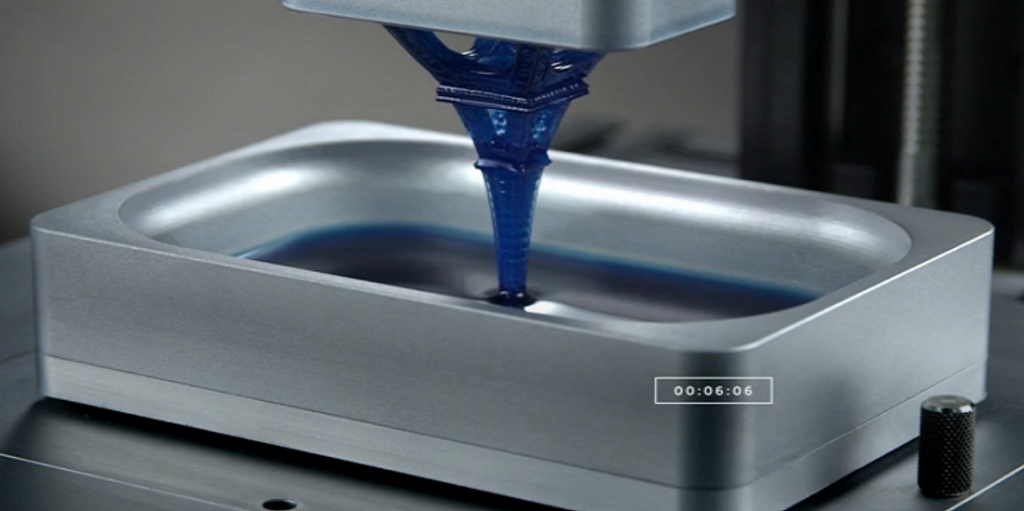
There are several machines in the works that could show marked improvements over what is available today. Companies like HP, Carbon3D and others are working on 3D printers which could drastically improve quality and turnaround times of printed objects. At the same time there is little doubt that the current players within the industry like Stratasys and 3D Systems have their own upgrades on the way as well. Businesses may be waiting a year or two for their next major capital expenditure, reducing overall revenue of 3D printer manufacturers for the time being.
More Competition:
While businesses may be holding off for the next big thing within the 3D printing space, it’s not necessarily true that they will be purchasing their next new machine from any of the major established players within the industry 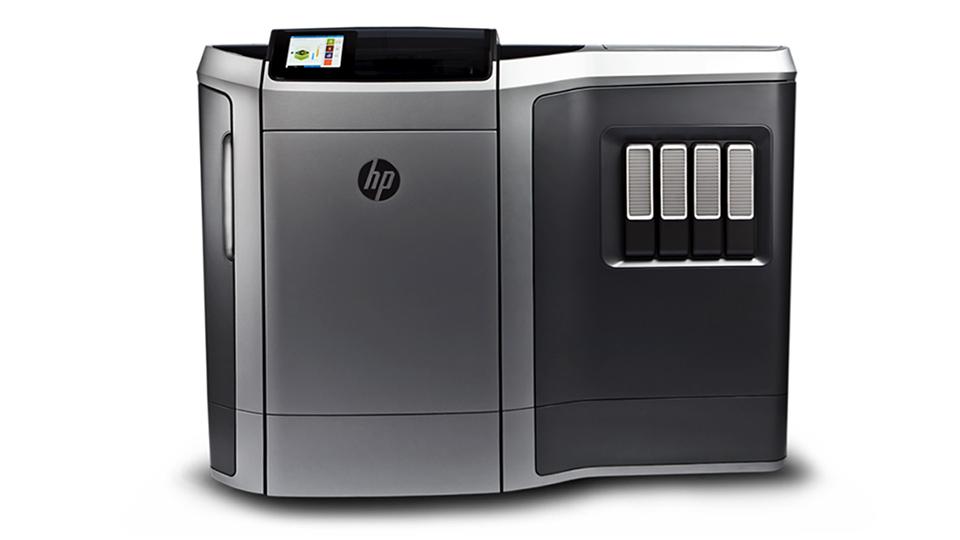 today. They may in fact be purchasing one of HP’s new Multi Jet Fusion 3D printers or Carbon3D’s CLIP 3D printers, or maybe even a machine from a company which has yet to reveal themselves. Point being, not only is the demand for 3D printers expanding, but so too is the supply, as new startups as well as established tech companies enter a space which has traditionally been ruled by only a handful of manufacturers.
As competition heats up, prices will drop, R&D expenses will increase, and margins will shrink. This is to be expected within any growing industry, and is just beginning to take place within the 3D printing space. The established companies will need to leverage their intellectual property and use their experience to outwit, outpace and outperform the competition in order to remain on target with their current guidance.
Certainly times may be tough within the industry currently, especially if you are an investor; however, as the technology improves, becomes more reliable, and prices drop, we will likely see a major increase in the adoption rates of new machines by businesses around the world. Let’s hear your thoughts on the recent earnings reports by some of the industry’s largest players. Discuss in the 3D Printing Downturn forum thread on 3DPB.com.
Subscribe to Our Email Newsletter
Stay up-to-date on all the latest news from the 3D printing industry and receive information and offers from third party vendors.
Print Services
Upload your 3D Models and get them printed quickly and efficiently.













You May Also Like
Russia’s 3D Printed Missiles & Can NATO Get Its Act Together?
For most of US history, however much the two major parties differed on domestic policy (in some cases a lot, overall less than you’d think), there was always essentially a...
3D Printing News Briefs, October 21, 2026: Digital Twins, AI CAD Service, AR Smart Glasses, & More
In today’s 3D Printing News Briefs, America Makes announced the winners of its MIAMI Project Call, and AM Europe released a new report. Artec 3D launched its new Artec Twins...
3D Printing News Briefs, October 10, 2026: Drones, WAAM, Ceramics, & More
We have a packed 3D Printing News Briefs for you this weekend! First, America Makes celebrated the recent National Manufacturing Day with 3D printed drones, and then it’s on to...
The Manufacturing Race Behind the Drone Revolution
We are in the middle of a major manufacturing shift focused on the production speed and payload capacity of uncrewed aerial systems (UAS), or drones. A recent Manufacturing Dive article...