Thingiversity Math Challenge: Design a 3D Printable Beach Mold, Win a MakerBot Replicator

Building sandcastles has developed into quite an art form compared to when most of us were young children using plastic pails and digging out foamy saltwater moats to make rudimentary medieval fortresses in the sand. Every once in a while someone would come along and show some enviable talent, spending hours carving out an intricate scene, but nothing like today’s contemporary sand artists and sculptors who wow the public on beaches in places like Florida and California and are even hired out for weddings, parties, and  events.
Watch out though, pros, you may notice some competition heading down the shoreline due to a group of designers busy making a whole new kind of tool, produced by the more left-brained and technologically savvy set–and coming straight off of 3D printers. That’s right, the Thingiversity Math Challenge, which requires those entering to build a 3D printed sand castle mold, has launched.
 If digital design and 3D printing are your strong suit, or even if you are just learning, this is your chance to make some tools that all those bronzed sculpting superstars on the beach probably don’t possess. The challenge ends at midnight on August 16th, with the winner having their design featured on Thingiverse, as well as walking away with a MakerBot Replicator Desktop 3D printer.
Also, they will have the unique and generous opportunity to choose one of ten MakerBot-selected schools to receive a 3D printer package of its own. Second place will receive receive two spools of MakerBot PLA filament as well as having their design placed on Thingiverse. The last prize, winning in the honorable mention category, will also have a design listed in a Collection of Honorable Mention Designs on Thingiverse as well.
If you are planning to enter and need some inspiration, first of all–loosen up and remember this is supposed to be fun–leading to even more fun at the beach as you show off your unique mold. Remember that the key is to employ mathematics in your design, and be able to explain the concept therein.
Think of a good story and description to go along with your mold, including how many iterations you had–and what caused you to redesign if it was necessary. Include the 3D printing information specific to your model in terms of settings, temperatures, and more. Use good photos, and even consider making a video. The Thingiversity team recommends using a design program like MakerBot Printshop, TinkerCad, 123DCatch, OpenSCAD–or any other program, as long as it results in giving you an .stil file to upload.
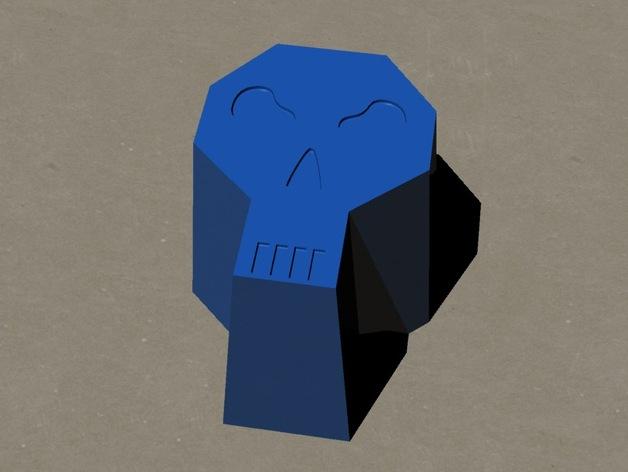
Skull Sand Castle Mold
To enter:
- Design a 3D printed model that fits within the build volume of a MakerBot Replicator Desktop 3D Printer (5th Generation) or MakerBot Replicator 2 Desktop 3D Printer.
- Upload your design to Thingiverse by August 15.
- Include the challenge tag #BuildACastle to make sure your design is considered.
- Explain your design in regards to mathematics. Feel free to upload photos of the molds in use, as well as showing off geometric symbols, patterns, or numbers included in the design.
Winners will be determined on August 22. This challenge is part of the summer STEAM series presented by Thingiverse with the intention of highlighting projects and showing designers how much fun it is to get involved with projects in the science, technology, engineering, art, and mathematics curriculum. Check out the other contests here.
Get your school involved too–if you win first place and they submitted a post on the Our School Needs a 3D Printer page, you can choose them as the school to receive one.
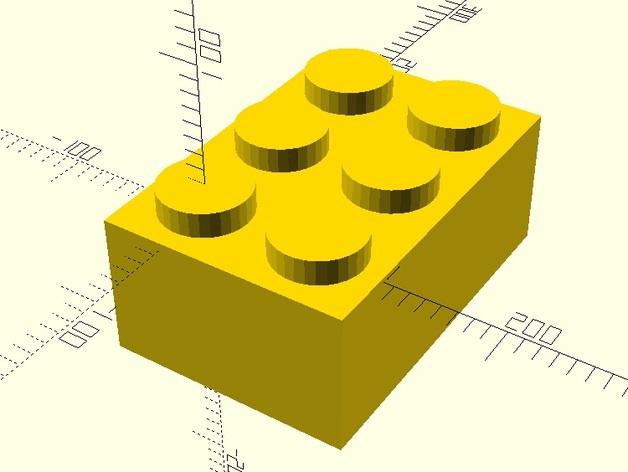
Submitted design for Lego Mold
Subscribe to Our Email Newsletter
Stay up-to-date on all the latest news from the 3D printing industry and receive information and offers from third party vendors.
Print Services
Upload your 3D Models and get them printed quickly and efficiently.













You May Also Like
EOS Joins the MAT‑H2 Consortium
EOS is joining the MAT‑H2 consortium. MAT is an EU-funded group that aims to do research into a hydrogen-led economy. The thinking is that hydrogen will be a clean energy...
Where the Money is Going, Part Two: Why All Roads Lead to AI
In Part One of this article, Vanesa Listek expertly described the major themes driving infrastructure investment so far this decade, illustrating how the same concerns are driving both public and...
DTU 3D Prints New Fuel Cell Design With 5x Power Boost
Technical University of Denmark (DTU) researchers have used Lithoz ceramics 3D printing to make more efficient hydrogen fuel cells. With a part made from Lithoz Yttria Fully Stabilized Zirconia (8YSZ),...
Fraunhofer ILT Tests 3D Printed Titanium Reactors to Generate Hydrogen Onboard Heavy Vehicles
The Aachen-based Fraunhofer Institute for Laser Technology (Fraunhofer ILT) is to research titanium aluminide hydrogen reactors and heat exchangers. The hope is that lightweight, better-performing 3D printed components will make...