Sipatech’s Materia Filaments Include Cement, Brick, Clay and Sandy-like Material Options


 As the hardware within the desktop 3D printing space improves, so too do the creations that designers can print out on their machines. However, it’s not just the hardware that is behind the recent advancements of 3D printed products that we have been seeing over the past 1-2 years. 3D printing material, known as filament on desktop FDM/FFF-based 3D printers, has played an equally large role in expanding the horizons for the technology. It seems as though each and every day we see new material options come to market, enabling designers, hobbyists, engineers and artists to broaden their spectrum when it comes to conceiving ideas for designs.
One company out of Italy, called Sipatech, knows what it takes to manufacture high-quality filament, as they have been doing so for some time now. However, just recently at 3D PrintHub Milan in March, they officially released a new line of filament called Materia. Today, they inform 3DPrint.com that the material is available for purchase at just €38 (approximately $42) for a 0.5Kg spool. So what exactly is Materia, you may ask?
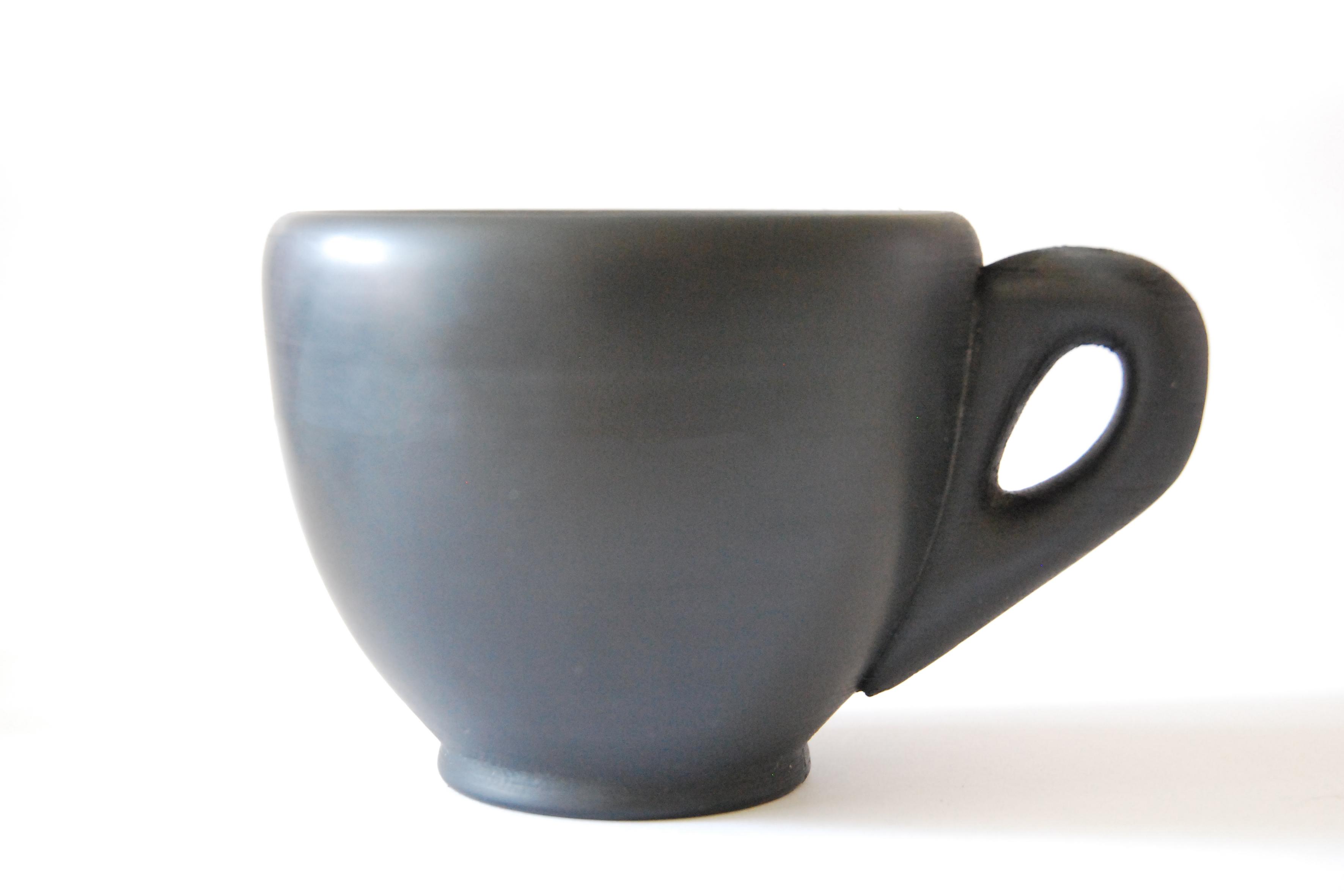
Materia is a line of filament which includes Monumental, Caementum, Heritage Brick, Dark Stone, Sandy, and Clay-like materials.

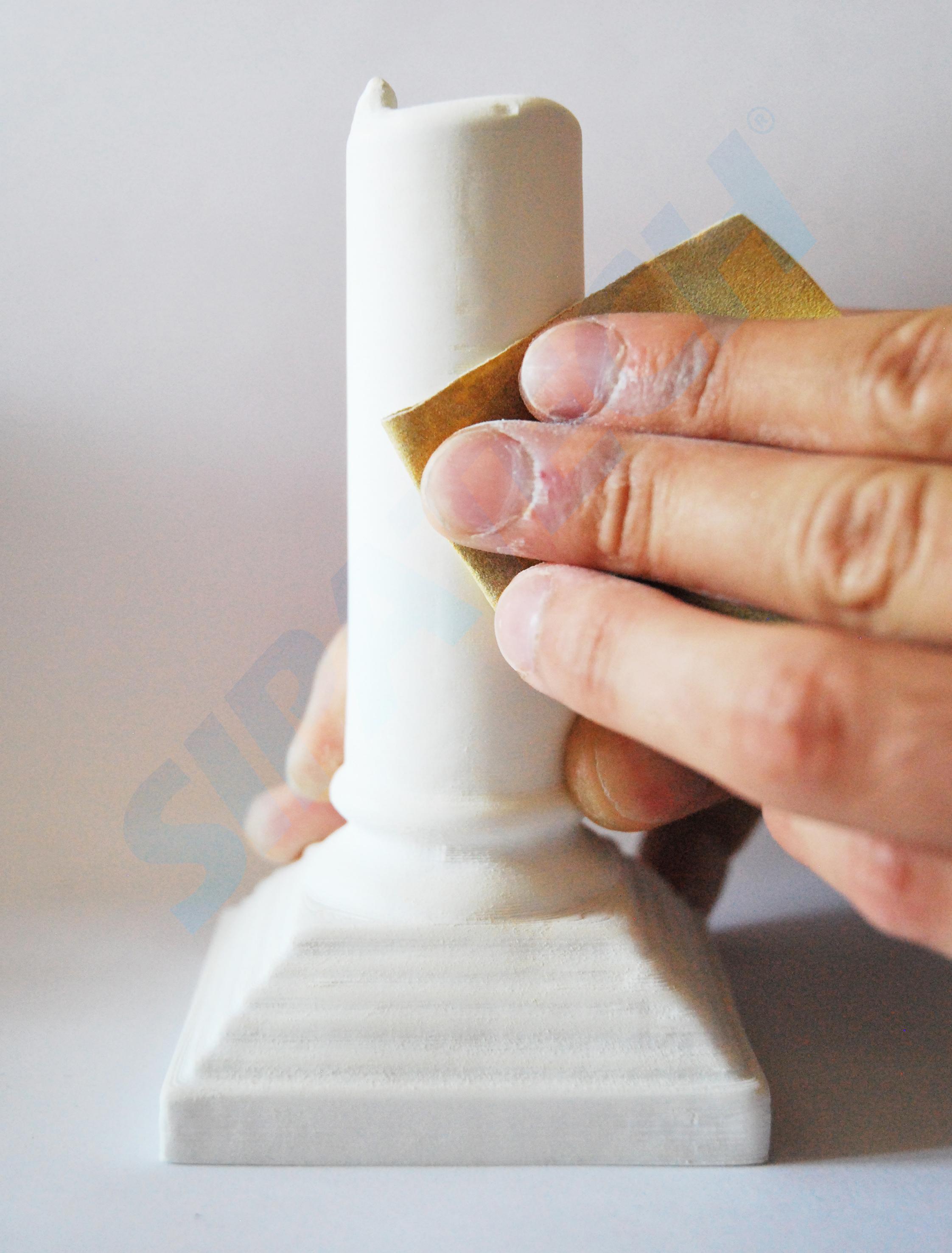
“This mixture of two polymers, loaded with Italian microscopic dust of marble [etc.], makes these filaments unique for 3D printing,” Lorenzo Alaimo of Sipatech tells 3DPrint.com. “With ‘Materia’ we have solved [a major problem within the 3D printing space], creating a filament that can be worked on with sandpaper.”
Monumental is a filament that is designed to 3D print sculpture with, mimicking a look of white sculpted marble, as it features microscopic dust of marble mixed with the printable polymer. Caementum, on the other hand, provides for a look and feel of concrete (not quite as heavy) with real cement blended into the polymer. It is targeted toward architects and designers who wish to create “modern buildings with minimal style”.
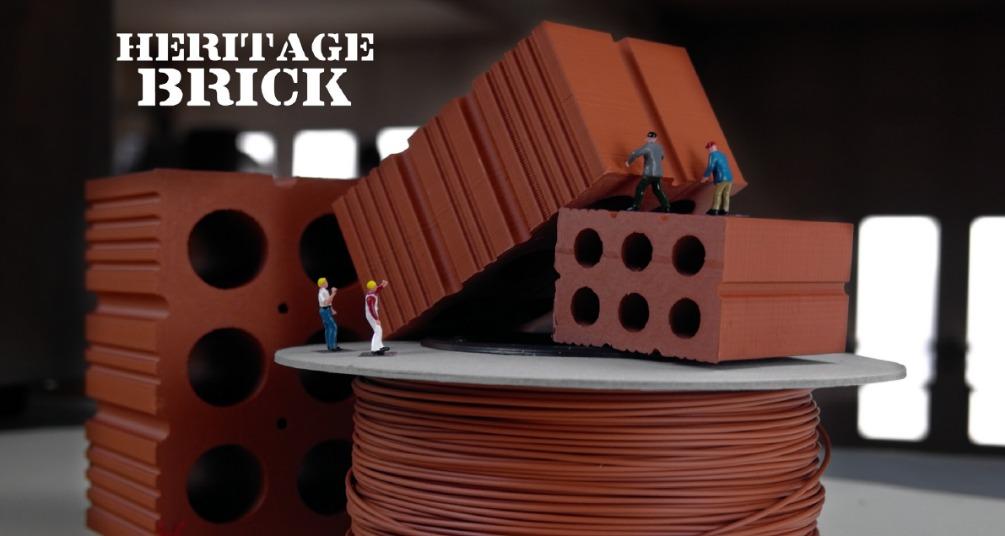
The Heritage Brick and Clay filaments give the effects of objects made out of clay, whether it be the traditional “red brick” look or a more standard clay-like appearance. The Heritage Brick material actually has microscopic brick dust mixed in with the polymer blend, while the Clay does the same with real clay particles.
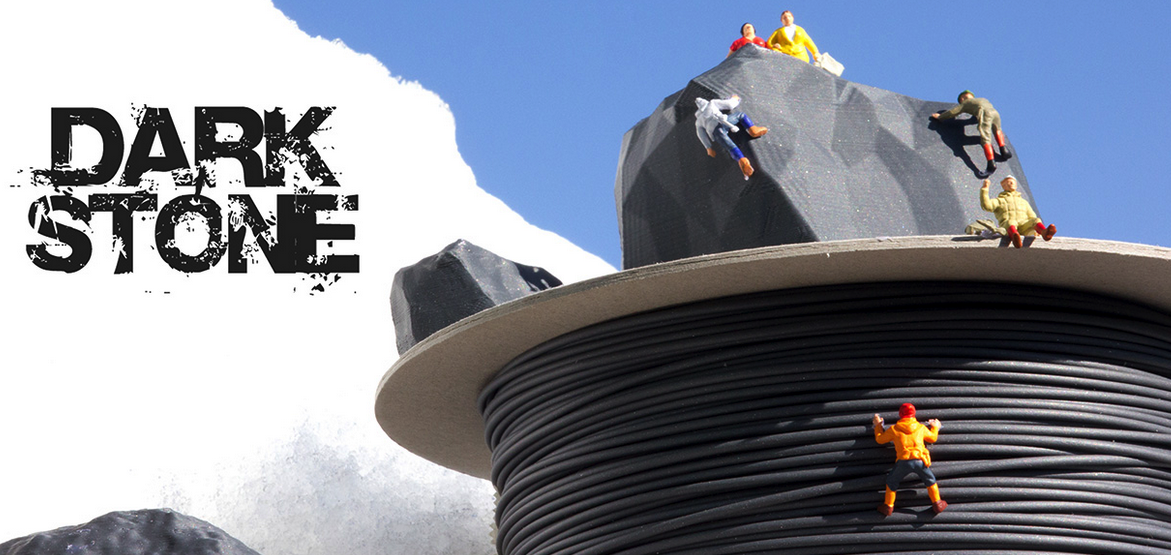
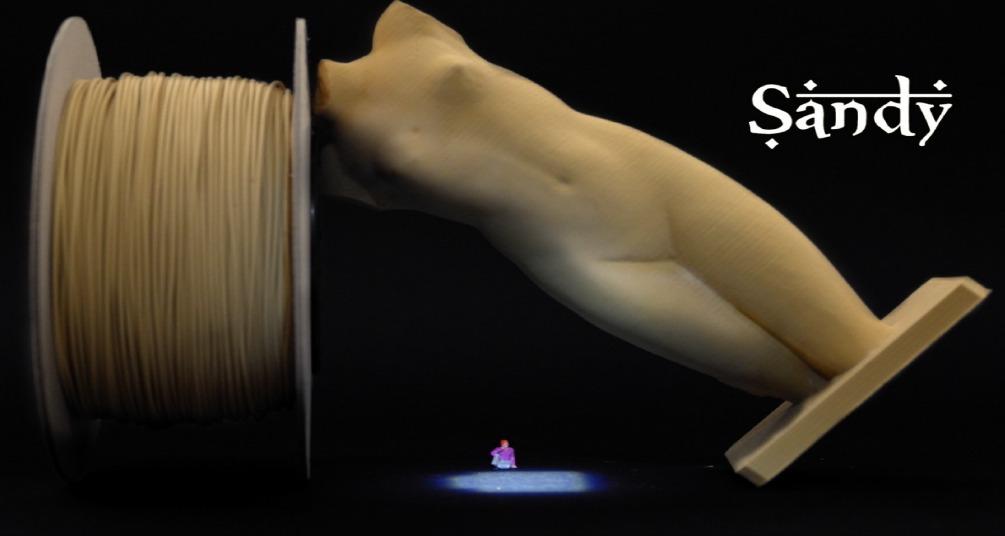
It doesn’t end here though. Sipatech also offers Dark Stone filament which actually incorporates stone powder into the production of the polymer and Sandy filament which is made up of real sand. Both of these materials are targeted toward archaeologists and architects.
Sipatech takes their responsibility toward the environment equally as serious as their objective of bringing the highest quality filaments to market as possible.
“All filaments are produced in Italy with particular attention to ecology, using as much as possible raw materials of vegetable or recycled base, trying to reduce the production chain of CO2 emissions,” Alaimo tells us. “We’d like to highlight that the filament is entirely produced and packaged in Italy. Using some raw materials coming from the United States (PLA Ingeo).”
All of these materials can be 3D printed up to 60mm/s at a temperature of around 220-230 degrees Celsius. They also all feature a low hygroscopic value of 0.8%.
While we have seen a lot of unique filaments come to market recently, it’s nice to see companies like Sipatech thinking a little outside the box with their own unique take on bringing new materials to market. What do you think about this new line of Materia filament? Discuss in the Materia Filament forum thread on 3DPB.com.
Subscribe to Our Email Newsletter
Stay up-to-date on all the latest news from the 3D printing industry and receive information and offers from third party vendors.
Print Services
Upload your 3D Models and get them printed quickly and efficiently.













You May Also Like
The Two Paths to AM Print Services Market Growth
AM Research New market research: AM Research is building its new Additive Manufacturing Services Market 2.0 model. Learn more about the report and preorder here → Things continue to heat...
Additive Manufacturing Has a Major Growth Opportunity; Trust Will Decide Who Captures It
After years of overpromising, the next phase of AM growth will be won by companies that consistently deliver what they say. When I entered additive manufacturing in 2014, after 15...
10 Years of Multi Jet Fusion: Onsite at HP’s Vancouver, Washington Facility
At this year’s RAPID event in Boston, HP Additive Manufacturing Solutions celebrated ten years in the additive manufacturing (AM) market. The company ushered in the milestone with several innovations, including...
ADDMAN to Buy Up to $10.8M in Nickel 718 Powder from 6K Additive Over 30 Months
After years of buildup, we’re finally starting to see what the US metal additive manufacturing (AM) market could look like at scale. To be sure, it’s still not quite there,...