Not Just for Prototyping Anymore: Student 3D Prints a Waterproof Smartphone Case

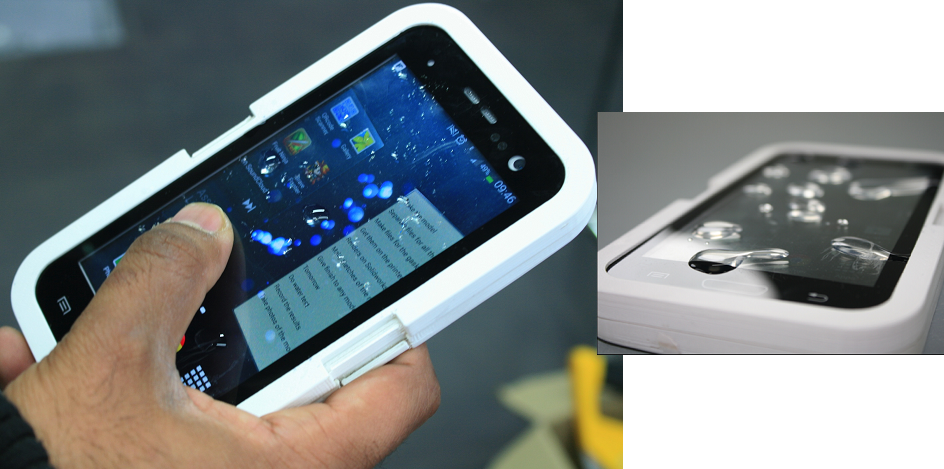 There is really a misconception within the desktop 3D printing space that the technology only has one purpose, and that is for prototyping. While 3D printing does lend itself to being the perfect solution for prototyping products, iterating upon design ideas, and testing to see if a product is actually worth developing further, many people have begun to realize that it is also a solution for creating custom end-use products.
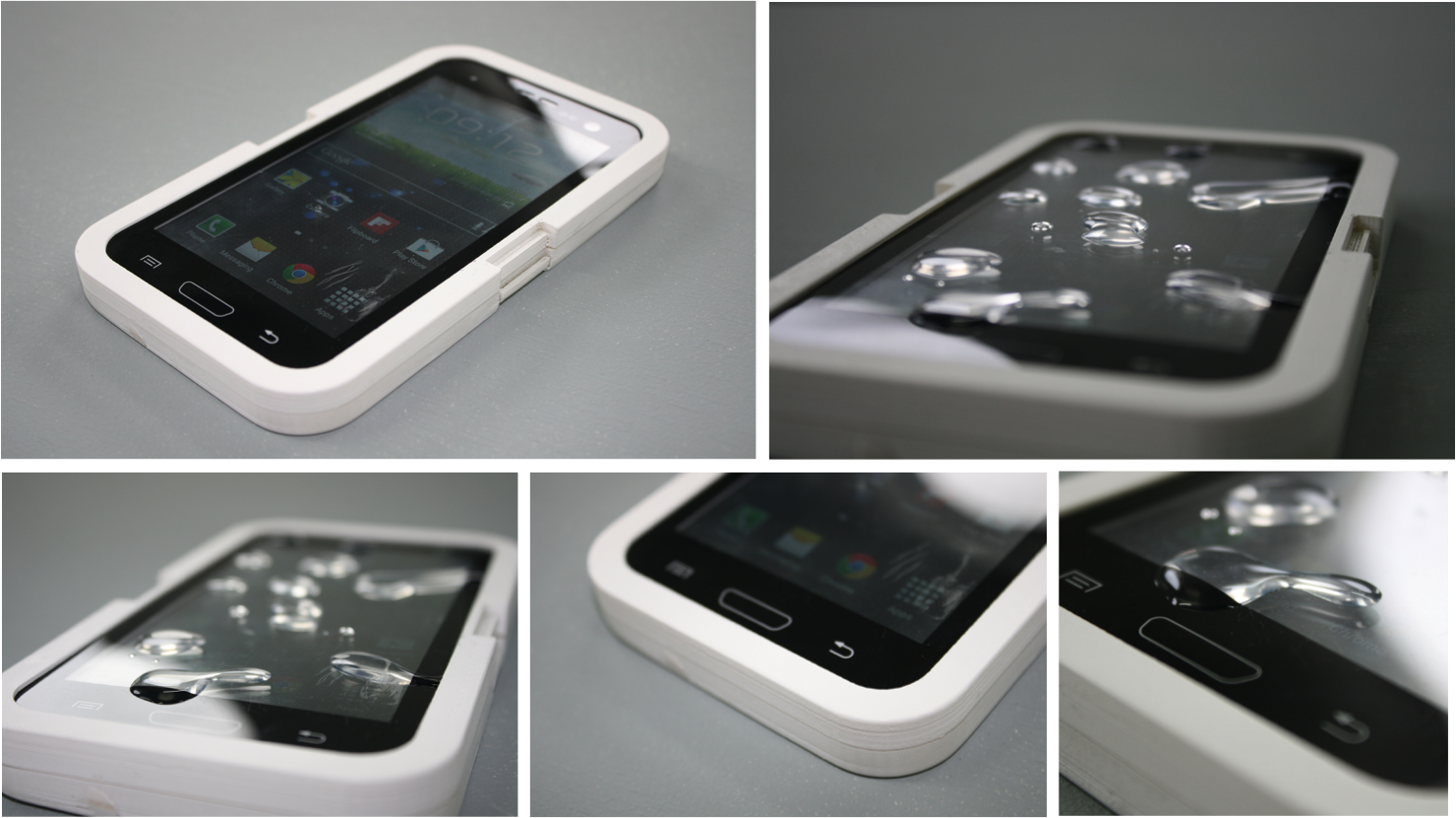
One Indian product design student at Ravensbourne College of Design and Communication in London, named Vishal Patel, has proved that 3D printing can be used in order to create a very useful 3D printed waterproof smartphone case for his Samsung Galaxy S3. He got the idea when he was walking to the train station one day, and it started to rain out while he was on his phone.
“First I purchased a waterproof case and took it apart to see how the components were put together and made,” Patel tells 3DPrint.com. “Understanding the way the case should be made, I created some designs, from which I 3D printed a small-scale prototype of my chosen designs and tested them. The test was successful so I made a 1:1 scale prototype”
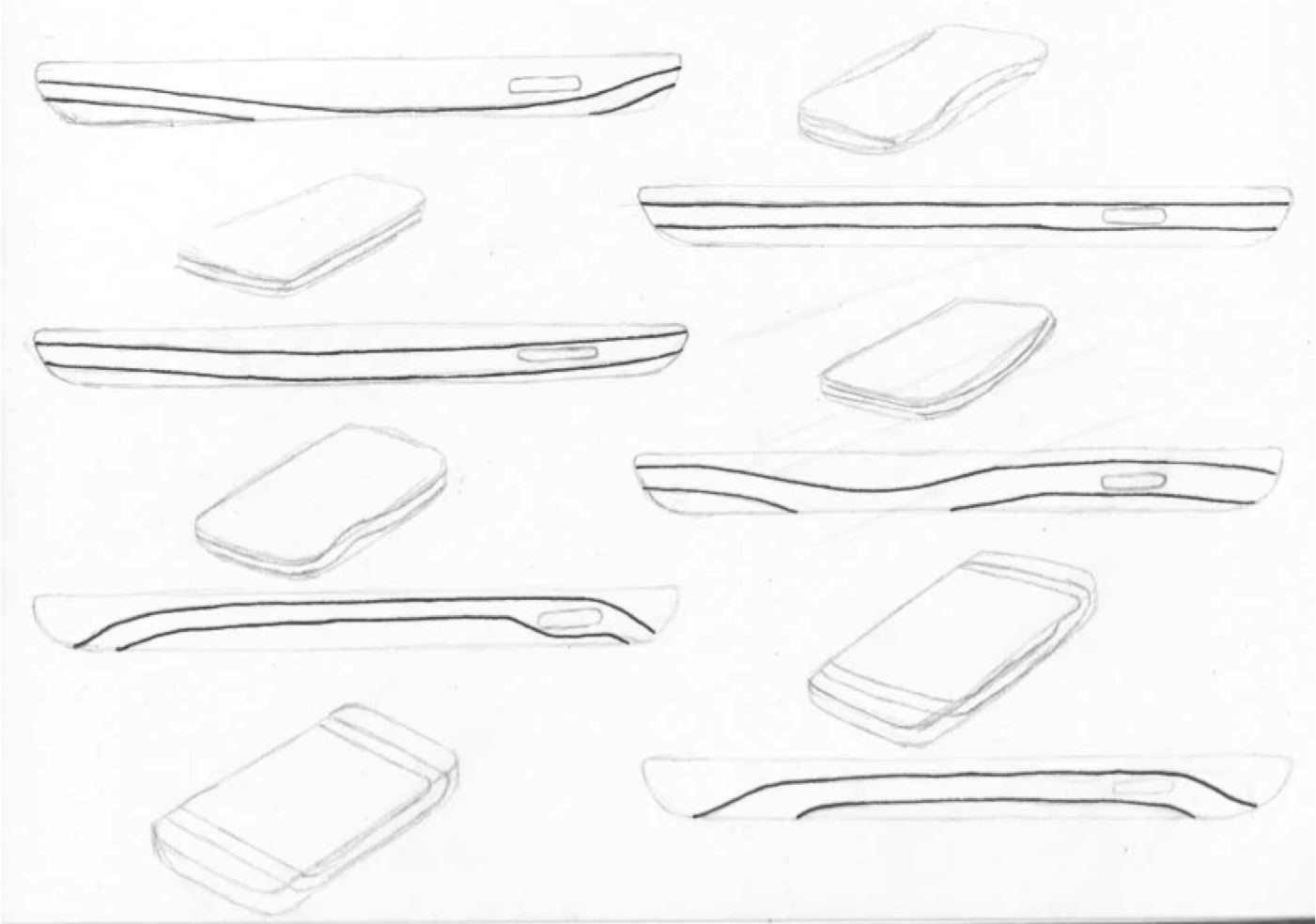 Using SOLIDWORKS and MakerWare to design his case, it required several iterations before he could get it just how he wanted. While the case was initially going to merely be a prototype for a smartphone case that he could have manufactured in a more traditional method such as injection molding, it turns out that his 3D printed case worked perfectly, thus showing that no additional manufacturing was even needed.
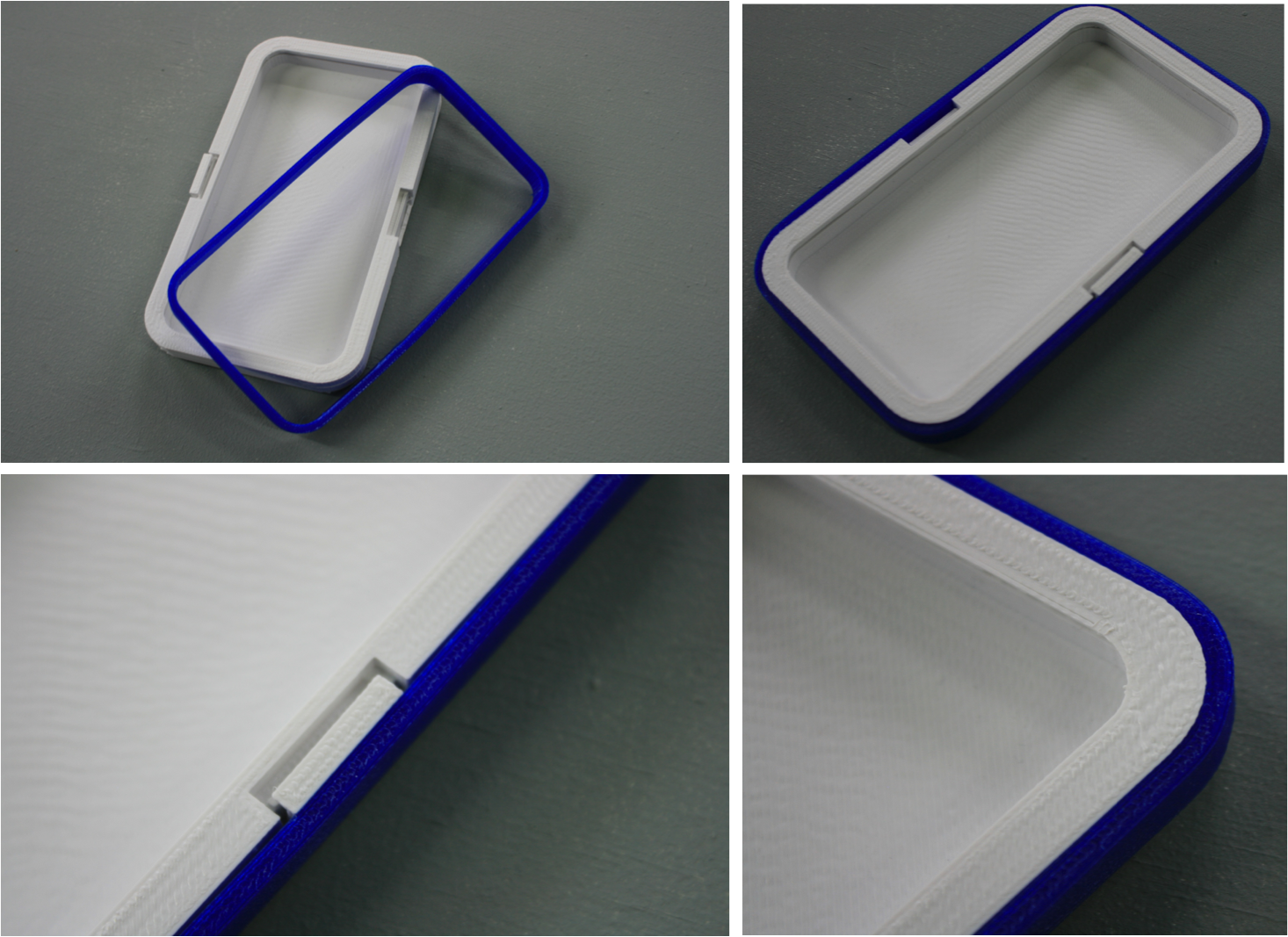
The smartphone case consists of five different element that have been 3D printed. They include the bottom portion, outer gasket, inner gasket, top portion, and a band that goes around the case to keep it protected from any drops of water. The bottom and top cases are printed using PLA filament, while the gaskets are made from NinjaFlex‘s flexible filament. In all, the 3D printing process for the design takes about 5-6 hours to complete, depending on the 3D printer used.
“The gaskets enable the case to be waterproof, but it will not work without the clamps which make the seal waterproof by providing pressure,” Patel tells us. “The case also has a band around it, which creates the first barrier preventing the water from getting to the phone.”
 As far as how well the case works, and how protective it really is when it comes to being submerged in liquid, Patel says that it has “Ingress protection of 67,” and is able to be submerged in between 15 and 80 centimeters of water. For now this remains merely a university project for Patel, but he does have plans on developing and designing the case further in order to make it more user friendly and easier to 3D print. He has not said whether or not he plans to make the 3D printable files free for others to download quite yet.
What do you think about Patel’s 3D printed smartphone case? Would you trust your phone to a 3D printed waterproof case? Discuss in the waterproof smartphone case forum thread on 3DPB.com.
Subscribe to Our Email Newsletter
Stay up-to-date on all the latest news from the 3D printing industry and receive information and offers from third party vendors.
Print Services
Upload your 3D Models and get them printed quickly and efficiently.













You May Also Like
AM & National Competitive Advantage, Part One: the Real Problem with US Manufacturing
The problem with US manufacturing is the productivity growth rate. Depending on the source, US manufacturing productivity has either been flat or slightly declined since 2010. Before going any further...
Advanced Manufacturing at IMTS 2026: 3D Printing and AI and Drones, Oh My!
Last week’s International Manufacturing Technology Snow (IMTS) in Chicago welcomed over 90,000 attendees to the jungle that is McCormick Place. With over 1.17 million square feet of exhibit space, and...
Let the Games Begin! Xi Throws Down the Advanced Manufacturing Gauntlet
Sangmin Lee went to TCT Asia back in March and reported on the event for 3DPrint.com. He wrote two articles arguing that China’s AM industry looks “ready to scale.” This...
What 3D2GO Says About 3D Printing’s Growth in Southeast Asia
The Philippines offers an interesting case study in how 3D printing can develop in Southeast Asia, and Manila-based 3D2GO helps illustrate it. 3D printing in Southeast Asia doesn’t have to...