The First Million’s the Hardest: Carbon’s Achievement with 3D Printed Bike Saddles


Last month I wrote an ode to 3D printed football helmet liners, as well as a brief overview of some of the biggest additive manufacturing (AM) success stories for the sporting goods market. Carbon was featured in both posts, of course, as they’re arguably the best at developing AM applications for anything athletics-related.
The company just demonstrated again why it’s the most obvious contender for that title, with the news that it has officially surpassed one million bike saddles produced with its machines. This is a major accomplishment, and the company’s CEO, Phil DeSimone, accurately framed what Carbon and its partners — leading cycling brands like Specialized, as well as the ecosystem of more than 40 contract manufacturers globally that use Carbon systems — as the creation of “an entirely new category of cycling products.”
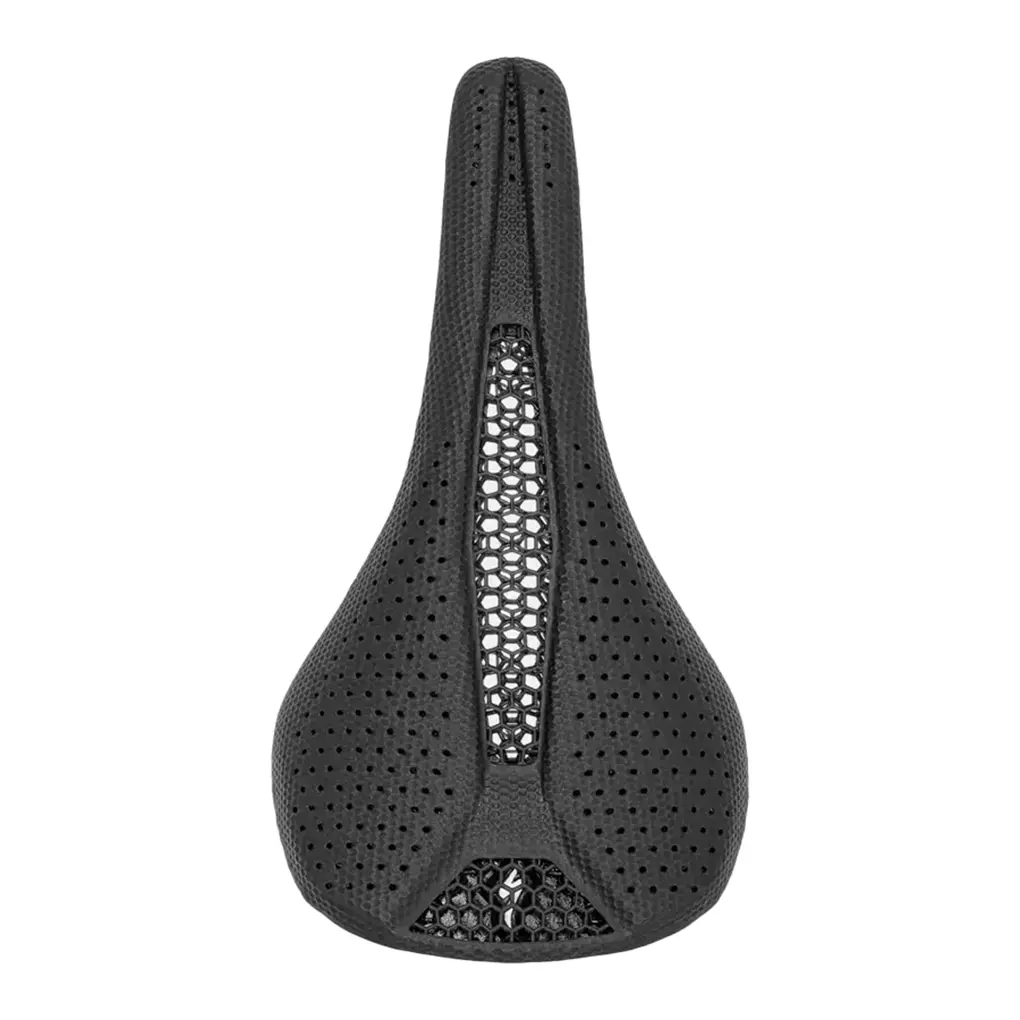
Specialized bike saddle
DeSimone also pointed out that it’s this achievement which is even more important than the numerical milestone, and he’s correct. In an interview I did with DeSimone in March 2025, he explained how Carbon’s whole strategy is based on the core dynamic that has shaped its success with bike saddles: Carbon isn’t selling machines, it’s selling “differentiated product line[s].”
That’s one of the most helpful pieces of advice that any AM company could hear right now, and, even prior to the million bike saddle announcement, Carbon demonstrated how its strategy continues to bring the company positive momentum. Earlier this year, the company shared that it had secured a partnership with Taiwan-based DDK, the world’s largest bike saddle manufacturer, to become Carbon’s first Asian partner dedicated specifically to bike saddle production.
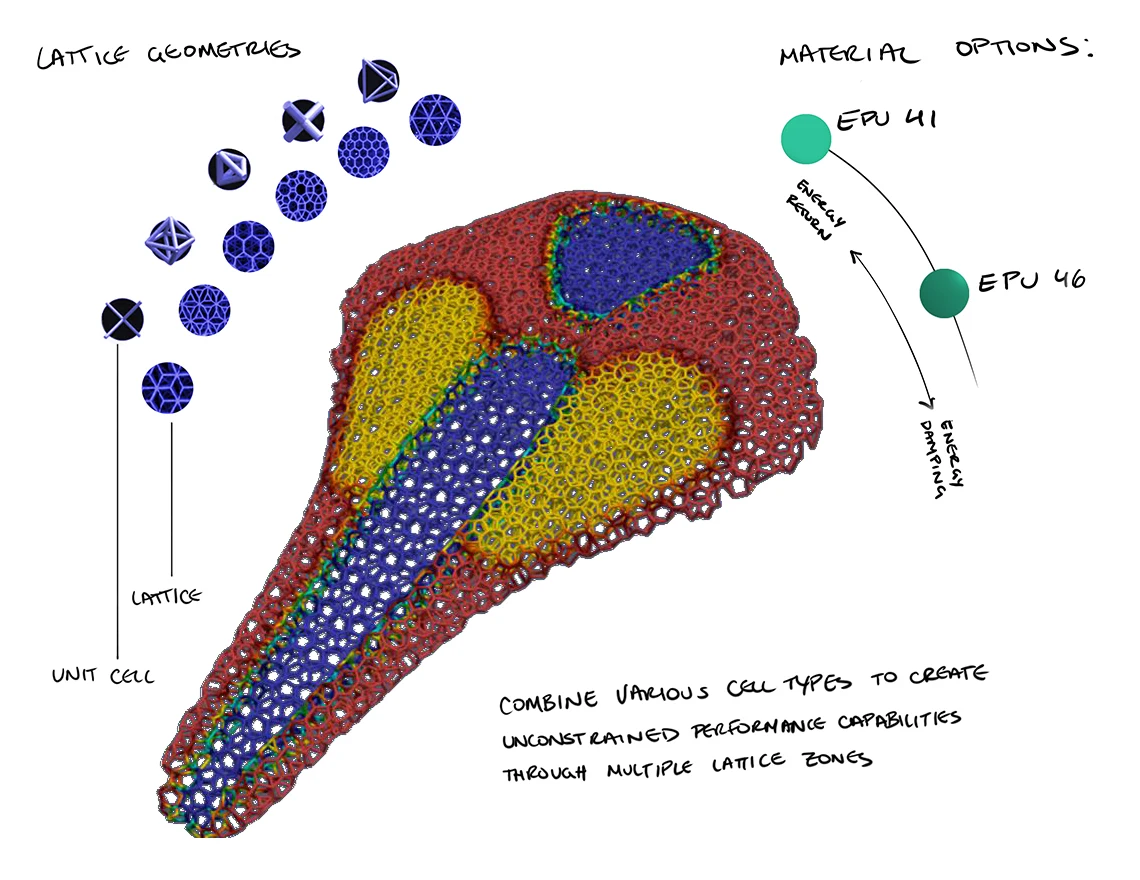
This is really the sort of thing that every AM company should be aiming to achieve in every market it enters: the establishment of a relationship with the leading manufacturer in the relevant field. Far beyond the direct revenue it represents, Carbon has done itself a service from a strategic perspective by getting to that point, because it now has a playbook for doing the same thing in other markets that it has done with bike saddles.
AM companies are still in the position where they have to think in those terms above all else, because they still typically have to sell potential customers on the technology itself, not just on their own company’s capabilities. While that provides a challenge for the AM industry that most of the rest of the manufacturing sector doesn’t have to deal with, at least not quite to the same extent, there’s reason to think that having to address this challenge puts the AM industry in an enviable position.
Going forward, change management is going to be increasingly essential to the business model of pretty much every industry, and manufacturers will be among those most impacted. AI is a big part of this, but AI itself is also part of an even larger context of change that has taken hold over global economic processes. The workforce is in the midst of a drastic generational transformation, inflation is more persistent, geopolitical chaos is the norm, and it’s much harder to predict the direction that consumer preferences are heading in. If your business isn’t set up to let each customer’s specific needs be the determining factor in how you operate, then it’s going to be very difficult to keep up.
I think that’s what’s most instructive about how Carbon operates, and it explains why the important angle involved in its bike saddle business is in no way specific to bike saddles. It’s a good approach precisely because it can be applied to any market in which a given 3D printing method is technically capable of adding value to a manufacturing brand.
Images courtesy of Carbon
Subscribe to Our Email Newsletter
Stay up-to-date on all the latest news from the 3D printing industry and receive information and offers from third party vendors.
Print Services
Upload your 3D Models and get them printed quickly and efficiently.











You May Also Like
AMCRC’s Additive Manufacturing Forum: Australia’s Moment in the Sun?
The Additive Manufacturing CRC (Additive Manufacturing Cooperative Research Centre, or AMCRC) is a cooperative research and implementation organization dedicated to making additive happen in Australia. Headed by Simon Marriott, it...
Divergent Is Building a Factory Around 3D Printing
What started with a hypercar is now taking Divergent Technologies into aerospace and defense manufacturing. By combining software, metal 3D printing and robotic assembly, the California-based manufacturer is working to...
Russia’s 3D Printed Missiles & Can NATO Get Its Act Together?
For most of US history, however much the two major parties differed on domestic policy (in some cases a lot, overall less than you’d think), there was always essentially a...
Deals, Dollars and 3D Printing: What’s Moving in AM
There’s been plenty of business activity in additive manufacturing (AM) lately, with new deals, partnerships and investments in production. One of the bigger moves comes from Sweden, where investment firm...