Asahi Kasei and Aquafil’s New PA6 3D Printing Filament Is Reinforced with Cellulose Nanofibers


Materials firm Asahi Kasei and circular materials firm Aquafil have collaborated to introduce a new filament. The filament is a polyamide PA 6 called ECONYL. This material is chemically recycled and then mixed with cellulose nanofiber (CNF). CNF consists of mechanically broken-down cellulose fibrils, which are arranged to significantly strengthen existing materials. CNF represents a potentially disruptive class of materials, offering strength and versatility by incorporating a naturally derived component. This material could be more easily recycled than alternatives, and it might replace some glass fiber (GF) and carbon fiber (CF) filled materials. These materials are challenging to recycle, and their constituent materials are often produced through hazardous or environmentally harmful processes. Fibrils can achieve a strength of 140–220 GPa and, in the future, could be arranged in specific shapes to tailor properties for different materials.
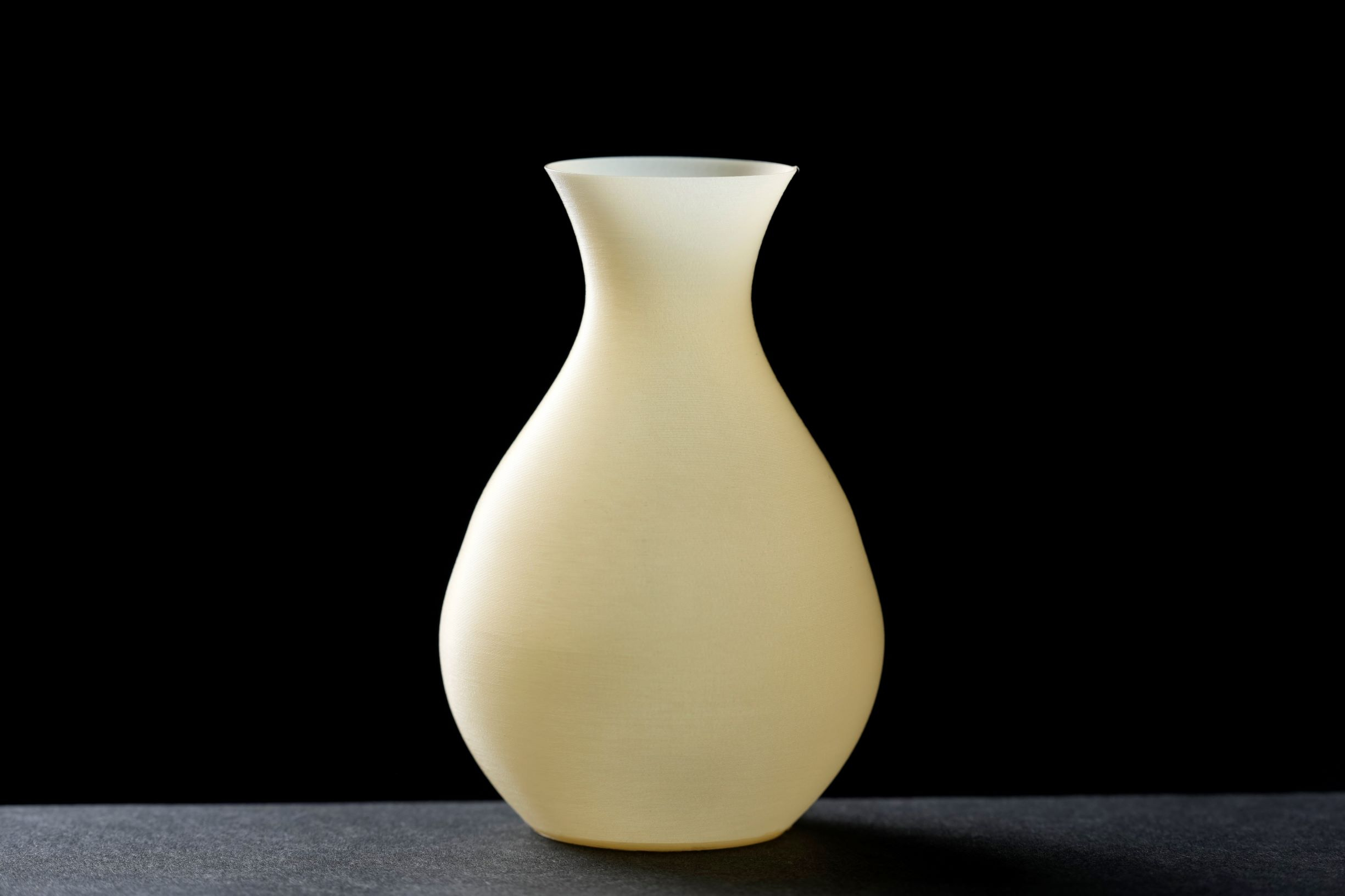
Asahi Kasei and Aquafil have signed a memorandum of understanding (MOU) to develop the material with support from Aquafil owner ITOCHU Corporation. Made from post- and pre-consumer waste, such as carpets, the material is re-polymerized after being broken down, and cotton-liner-based CNF is then added. The companies plan to trial the material in Q3 of 2025. The use of PA 6 is noteworthy, as 3D printing more commonly uses PA 12 and PA 11. PA 6 is typically stronger than PA 11 but less flexible, whereas PA 12 is a versatile material that PA 6 outperforms in more rigid applications due to its toughness and durability. In Material Extrusion 3D printing, PA 6 can be particularly challenging to work with, as it is notoriously difficult to print. Additionally, producing it as filament is complex, with only a few companies, such as 3D4Makers, capable of extruding it into high-quality filament.
Producing this filament and using it effectively will likely pose a challenge, but I’m very excited about this development. PA 6, along with other polyamides like Stanyl, is often in high demand from manufacturing firms, though there haven’t been enough producers to meet that demand. Now, with the addition of CNF, there could be an incredibly strong variant of this material available. Many firms will likely appreciate that this is a post- and pre-consumer recycled material. Recently, especially among large European firms and designers, there has been a surge of interest in using significant volumes of recycled materials.
While CNFs probably still require a lot of energy to produce, they could really enhance this material, making it a viable alternative to traditional grades. I believe that this CNF-enriched material might outperform other polyamides in several applications. Right now, there is a lot of interest in filled grades of PA 11 and PA 12, with people seeking the chemical resistance and strength of polyamides, but typically wanting more rigidity and durability. A reinforced PA 6 grade could very well meet those needs.
As for the cost, it remains uncertain. Hopefully, they can offer this material at a competitive price. If they do, many high-volume users will likely consider it. Often, manufacturers face a trade-off between price, performance, and eco-friendliness, and many would prefer not to have to choose. Many would switch to an eco-friendly alternative if it were cost- and performance-competitive. In this case, we might get a material that is both environmentally friendly (though energy-intensive) and capable of outperforming others in end-use part applications.
While the firms are initially targeting aerospace and automotive, I think it could also attract interest in industrial, machine building, and general manufacturing sectors. It’s too early to predict how successful this material will be, but I’m hopeful that it will deliver outstanding performance and make a strong impact in the market.
Subscribe to Our Email Newsletter
Stay up-to-date on all the latest news from the 3D printing industry and receive information and offers from third party vendors.
Print Services
Upload your 3D Models and get them printed quickly and efficiently.













You May Also Like
3D Printing Financials: 6K Additive Reports Record Quarter as Demand Grows for U.S.-Made Metal Powders
Demand for metal powders made in the United States continues to grow, particularly from aerospace and defense customers. That was one of the biggest takeaways from 6K Additive‘s (ASX: 6KA)...
Binder Jetting’s Next Test: High-Temperature Superalloys, with AmPd Labs and Continuum
Can binder jetting deliver the performance of investment casting while reducing cost, lead times, and manufacturing complexity? That’s the focus of The Future of High-Temperature Superalloys, an upcoming webinar presented...
AMPulse Asia: India’s Orbital Launch Headlines a Busy Second Half of July
The second half of July brought major developments across Asia’s additive manufacturing sector. Highlights included India’s first private orbital launch powered by 3D printed engines, a billion-yuan ownership change at...
Australian OEM AML3D Closes Record Year, Eyes $54M Global Sales Pipeline
The US Department of Defense (DoD) finally seems to be implementing a strategy it has spent years refining, centered on bringing its international allies and partners more into the fold...