taulman3D Introduces New Flexible PCTPE 3D Printing Filament Featuring Incredible Properties

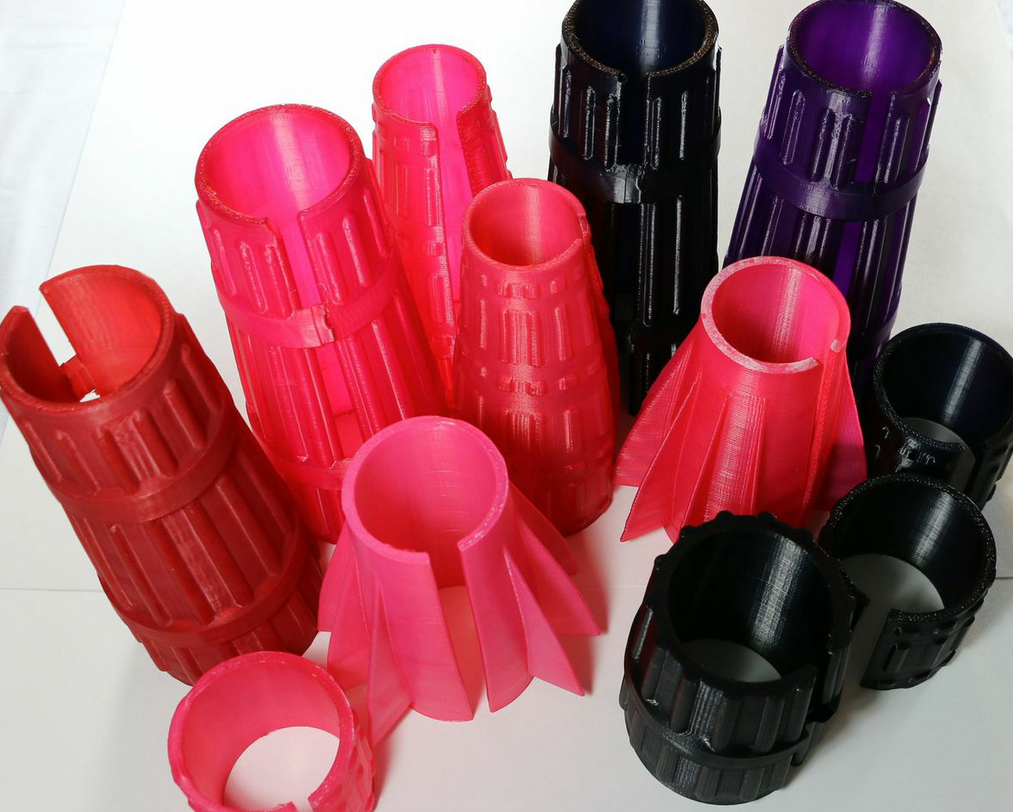 taulman3D has quickly become one of, if not the, most innovative filament manufacturers within the 3D printing space. They are consistently bringing new materials to market which can used in a wide range of 3D printers. Whether it is teaming with Graphene 3D Lab to produce a graphene enhanced nylon material for 3D printing, or creating nylon material for selective laser sintering 3D printers, lately they seem to be one step ahead of everyone else.
Today, taulman3D tells 3DPrint.com that they are introducing yet another new material to market, one that is targeted toward FFF-based desktop 3D printers. The material, called PCTPE, stands for “Plasticized Copolyamid TPE.” It is a chemical co-polymer of highly flexible nylon and thermoplastic elastomer, for those chemical and material engineers out there.
For those of you, like me, who are clueless when it come to fancy chemical names, this material is basically your typical flexible 3D printing filament on steroids. It is designed to work in virtually any FFF-based 3D printer capable of printing with ABS. Unlike many other flexible filaments that have issues printing on extruders that require 1.75mm filament because they are too flexible in their raw material form, PCTPE will not have this problem. This is because of a special “draw” process that taulman3D required their manufacturers to do. Basically it stretches the material during the final manufacturing process. This is a tactic utilized in the manufacturing of large nylon ropes used for large ships when docking, as it increases the ropes’ tensile strength. It also apparently works with filament, increasing its tensile strength as well. In turn the filament will not buckle or fold as much as will other flexible filaments.
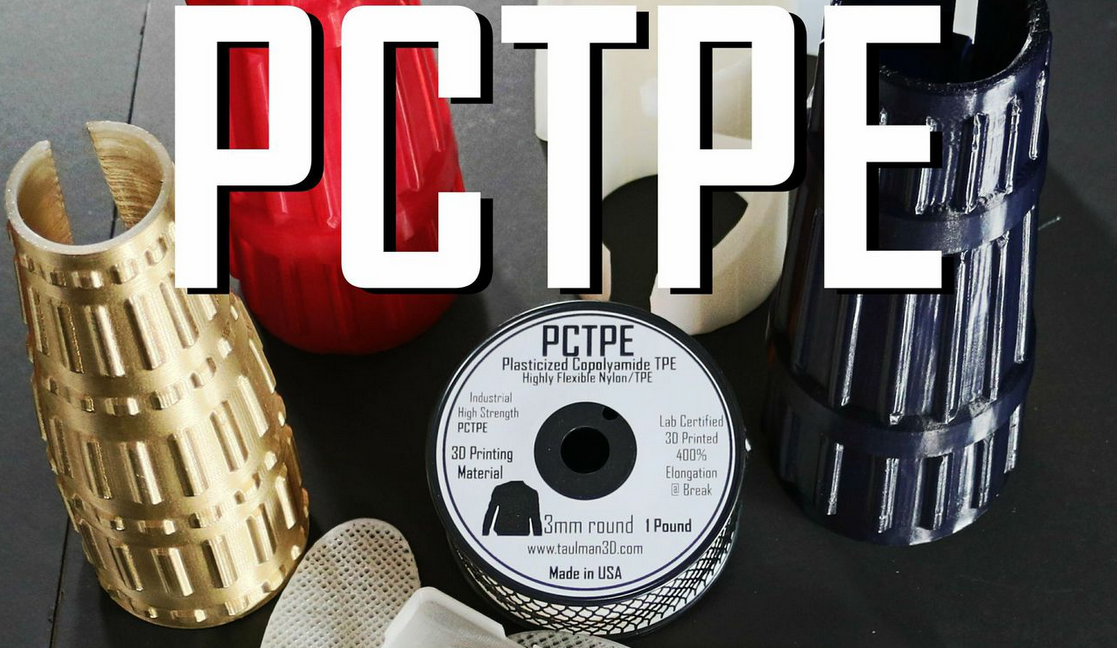
In addition, this also provides users with a greater flexibility of both printing properties and setting options to choose from.
“This additional process allowed us to increase the percentage of TPE resulting in a material that gives the user a wide range of design flexibility based mostly on the nozzle size, number of perimeters and percentage of internal fill used during slicing,” explained the company. “From thin parts that wad up like thin paper to thicker shoe soles with just the right flexibility, PCTPE is an easy-to-print material meeting a long list of requirements from users.”
 PCTPE not only is much easier to print with than other flexible filaments on the market today, but it also provides some really incredible and unique end results once it is extruded. Tested by 183 individuals — including some well known people within the 3D printing space, such as Jeremy Simon of 3DUniverse and e-NABLE and Daniel Noree of the OpenR/C and Open Railway projects — it has been shown to provide for some really great benefits.
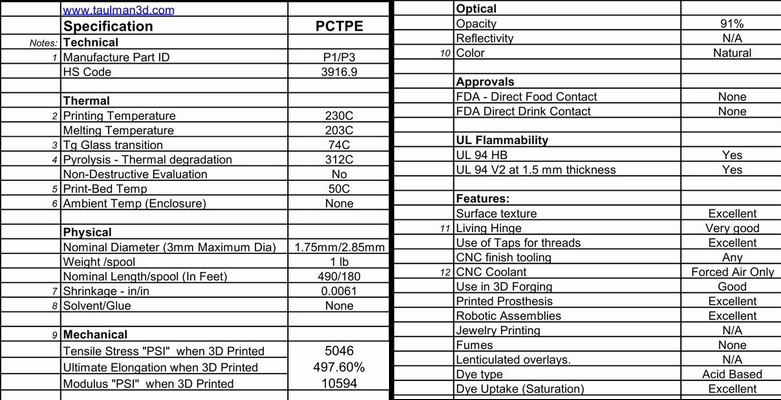
With a tensile PSI of 5,043 and modulus PSI of 10,954, products printed with PCTPE will be not only flexible but they will be super strong. One of PCTPE’s unique features is that it is non-delaminating, meaning you can actually fold it along the printed thread axes without it coming apart. It can be cut, bent, rolled, and pulled on without coming apart or becoming distorted.
taulman3D recommends using PCTPE for cell phone cases, utility parts for robotics, wearables, prostheses, insoles, shoes, cosplay items, and other fashion related items and clothing. The filament can easily be dyed with any acid-based color dye (RITT) in under 5 minutes and can even be coated with acid-based antimicrobial coatings that would be very useful for footwear and/or prostheses. It prints in bright white with a reflective nylon surface, and has very low shrinkage properties. Here are a few more unique facts about this new PCTPE filament:
- Prints on both bowdens and direct drive extruders.
- Prints at 230C, and is compatible with most other ABS print settings.
- Provides super layer to layer bonding which allows for single perimeter walls to be folded along thread axes without any separation.
- Incredible texture, similar to that of nylon, making it perfect for 3D printing wearable objects.
- More benefits seen in the video below:
For those of you interested in getting your hands on this latest product form PCTPE, you can do so at taulman3D.com. It is available in both 1.75mm and 2.85mm, 1 pound spools. This isn’t all for taulman3D though. Keep an eye out for two more materials coming from them very soon.
What do you think about this latest filament option from taulman3D? What potential uses do you foresee it having? Discuss in the taulman3D PCTPE filament forum thread on 3DPB.com. Check out more photos of this new filament below.


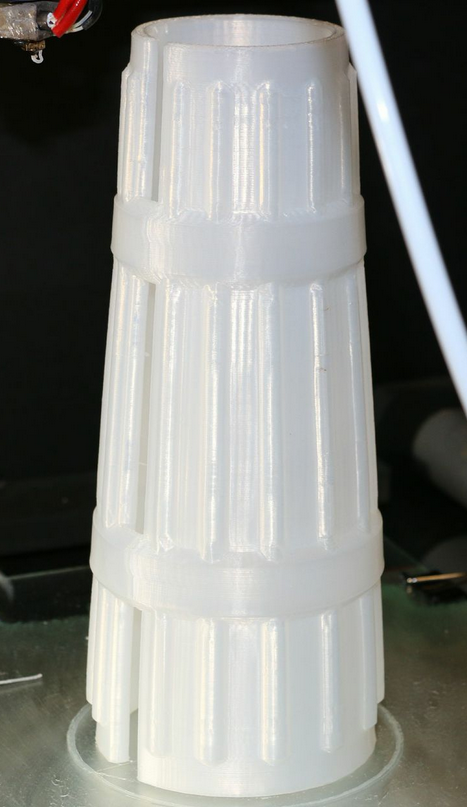
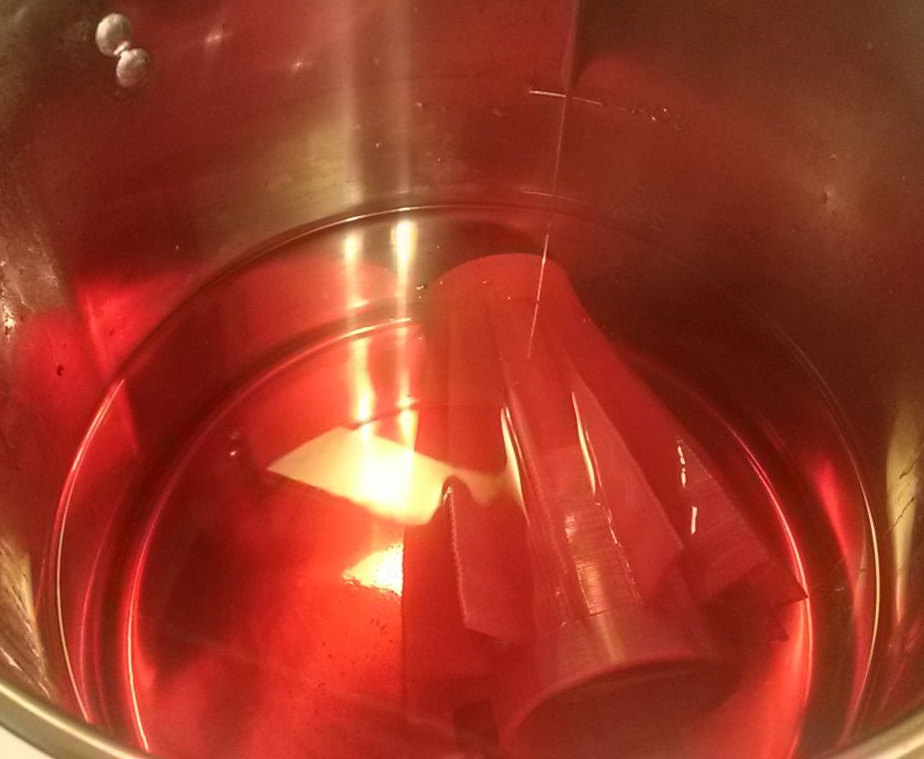
Acid dye
Subscribe to Our Email Newsletter
Stay up-to-date on all the latest news from the 3D printing industry and receive information and offers from third party vendors.
Print Services
Upload your 3D Models and get them printed quickly and efficiently.













You May Also Like
The Manufacturing Race Behind the Drone Revolution
We are in the middle of a major manufacturing shift focused on the production speed and payload capacity of uncrewed aerial systems (UAS), or drones. A recent Manufacturing Dive article...
ADDMAN to Buy Up to $10.8M in Nickel 718 Powder from 6K Additive Over 30 Months
After years of buildup, we’re finally starting to see what the US metal additive manufacturing (AM) market could look like at scale. To be sure, it’s still not quite there,...
Metal AM in a Multipolar World, Part 2: How PBF and DED Could Change by 2035
The first decades of PBF development were heavily shaped by machine capability: more power, more lasers, larger build volumes, better recoating, and improved process monitoring. These developments will continue, but...
Advanced Manufacturing at IMTS 2026: 3D Printing and AI and Drones, Oh My!
Last week’s International Manufacturing Technology Snow (IMTS) in Chicago welcomed over 90,000 attendees to the jungle that is McCormick Place. With over 1.17 million square feet of exhibit space, and...