3D Printing Financials: Amid Nasdaq Transition, Shapeways Software Revenues Surge along with Overall Losses


Shapeways (NASDAQ: SHPW) reported revenues of $8.4 million for the three months ending June 30, 2023, matching the figures from the same period in 2022. The company, however, experienced a net loss of $6.8 million during this quarter, a higher loss compared to the $4.7 million loss from the same period in the previous year.
Delving deeper into the second quarter’s performance, the revenue figure was consistent with the company’s guidance, although flat from the prior year. Also, a key order, initially slated for the second quarter, was postponed to the third quarter, resulting in deferred revenue recognition. This delay played a part in the quarter-over-quarter revenue growth not aligning with the company’s initial vision. Nonetheless, Shapeways is hopeful about the order’s shipment in Q3.
Gross margins were at 40%, a decline from 43% from the same period in 2022, and remained consistent sequentially. The change was primarily due to inflationary pressures, integration of new technologies, and product mix diversification. The adjusted earnings before interest, taxes, depreciation, and amortization (EBITDA) recorded a loss of $6 million—deteriorating from a loss of $4.3 million in the corresponding quarter of the previous year—with Selling, General and Administrative (SG&A) expenses rising to $8.1 million, reflecting increased fees and expenses linked to acquisitions in 2022.
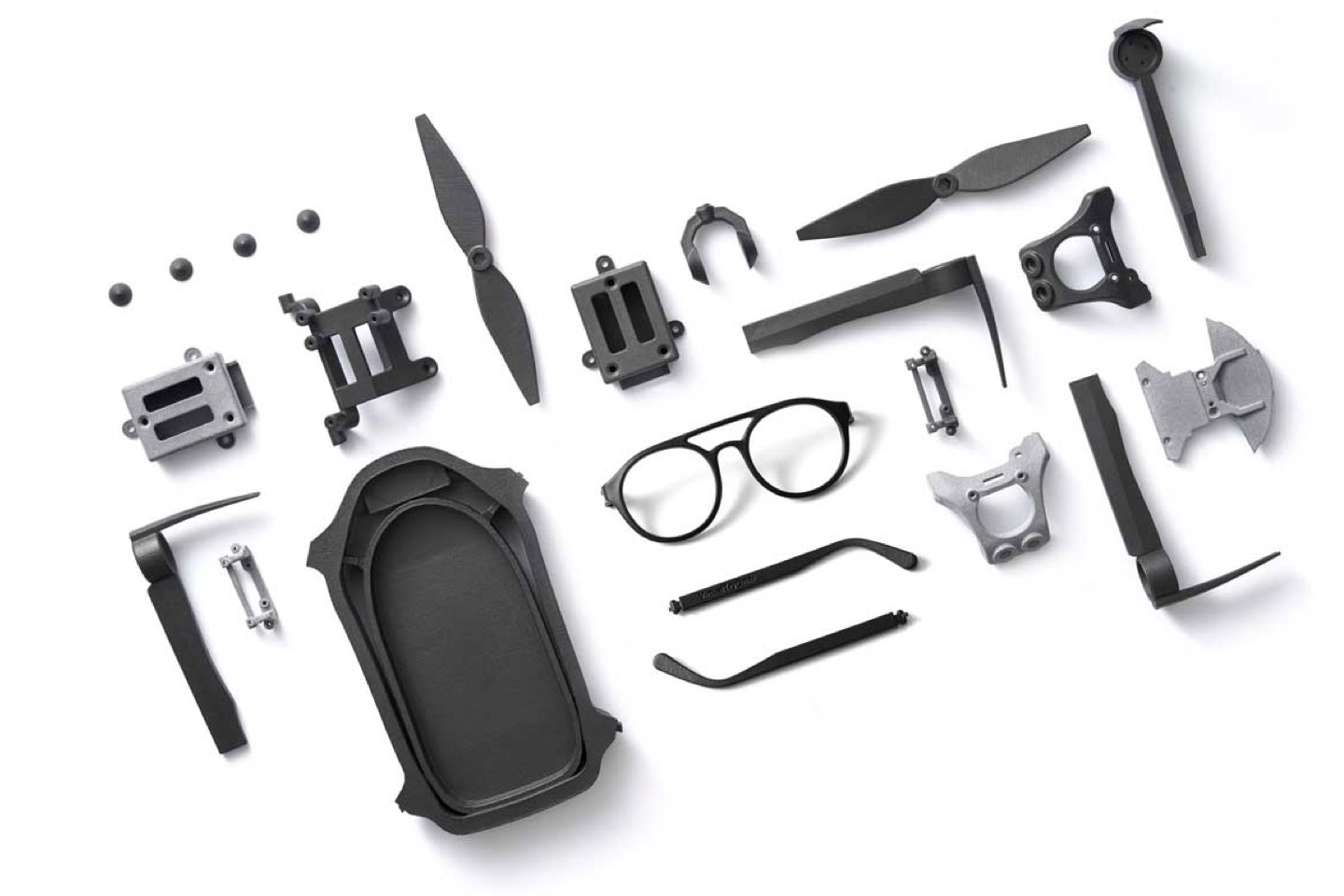
Shapeways surpasses the 20 million part count. Image courtesy of Shapeways.
Shapeways has launched new software features in recent months, leading to a 40% quarter-over-quarter rise in software revenues. Features like the 3D Model Viewer and MFG Materials have not only increased customer acquisition and retention but also facilitated cost-saving.
Delving deeper into the company’s progress, CEO Greg Kress emphasized on an earnings call with investors Shapeways’ commitment to achieving long-term profitability. He attributed much of the software revenue growth to its integration and leverage of the MFG platform, acquired last year. Historically linking small- to medium-sized manufacturers with custom part buyers, Shapeways has used MFG to robustly deploy its auto software features. Kress detailed that alongside rebranding MFG in the second quarter, Shapeways unveiled transformative software enhancements like Transactions and Orders, further amplifying customer acquisition, retention, and potential revenue channels.
An emphasis on the middle market and enterprise segments has led Shapeways to secure several multi-year contracts, suggesting a positive trajectory in its targeted industries. The company believes that the digital manufacturing industry is on the cusp of significant growth and that Shapeways is ideally placed to leverage this potential.
Highlighting this strategic decision, Kress gave details of the restructured go-to-market approach, which includes a sales force centered on high-value opportunities. Over half of Shapeways’ revenues in the second quarter stemmed from enterprise clients. This segment witnessed double-digit growth and led to the acquisition of several major multi-year, multi-million-dollar contracts. For instance, it secured two new Tier 1 supplier contracts with leading players in the automotive and transportation sectors, projected to generate over $2.8 million annually over the next seven years. Furthermore, in the medical field, Shapeways locked in two key contracts anticipated to generate around $2.5 million annually for the upcoming three years.
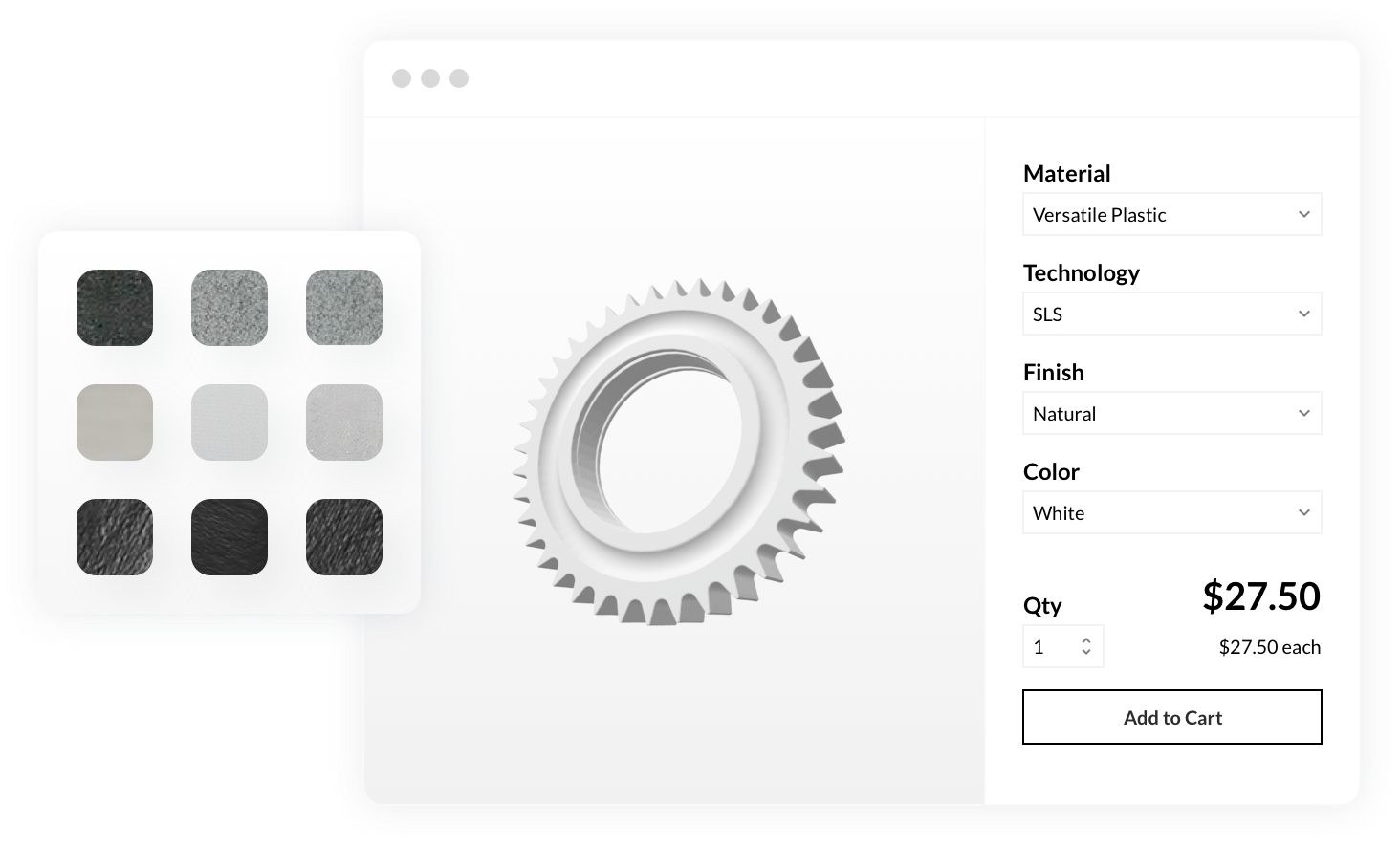
User-driven product configuration. Image courtesy of Shapeways/Otto.
A pivotal move for the company was the transfer of its listing from the New York Stock Exchange (NYSE) to the Nasdaq. This transition is expected to offer a more cost-effective platform, expanding their market presence and further accelerating their growth.
Shapeways CFO Alberto Recchi said on an earnings call with investors: “On the cost side, we’re looking at cost savings everywhere we can. For example, the recent move to Nasdaq is part of the strategy. Specifically, on that, our forecast has us reducing security exchange-related expenses by 6% to 7%.”
Financially, Shapeways envisions a robust growth trajectory, emphasizing high-margin software sales and a close watch on expenditure. The company projects third-quarter revenues to be between $8.5 million and $9.0 million and is optimistic about doubling its software revenues in 2023 compared to 2022. Investments from the previous year are prepared to boost sales, suggesting improved margins and decreased expenditure by the end of 2023.
Subscribe to Our Email Newsletter
Stay up-to-date on all the latest news from the 3D printing industry and receive information and offers from third party vendors.
Print Services
Upload your 3D Models and get them printed quickly and efficiently.













You May Also Like
AM Pulse Asia: Consumer Metal AM, Nuclear Parts and Rockets Push New Ground
The second half of August produced financing milestones, facility openings, and qualification results across Asia-Pacific additive manufacturing. Rongsu Technology closed a CNY 100 million Series A+ and launched a consumer...
HeyGears G1 Passes $14M on Kickstarter with Full-Color 3D Printing
HeyGears was started in 2015 and has been making value-driven Vat Polymerization systems for dental and home use. The company is marketing savvy and very driven. Now the firm has...
One Machine, Three Worlds of Creation: Inside the HeyGears G1 Series
Turning a digital idea into a finished full-color physical product often requires several machines, multiple software tools, manual coloring, repeated positioning, and outsourced production. For creators and small businesses, this...
AMPulse Asia: India’s Orbital Launch Headlines a Busy Second Half of July
The second half of July brought major developments across Asia’s additive manufacturing sector. Highlights included India’s first private orbital launch powered by 3D printed engines, a billion-yuan ownership change at...